
-
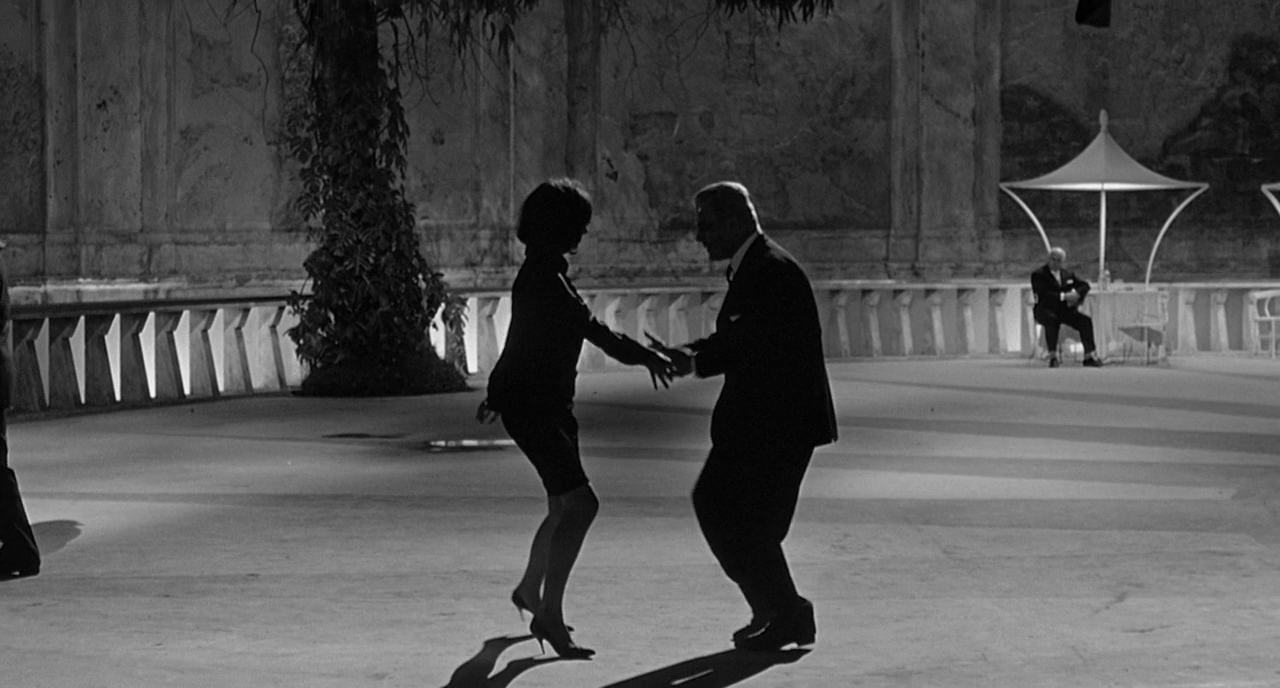
8 1/2 (1963)
Through one Italian filmmaker’s struggle with creative block, contemptuous shame, and overwhelming pressures, Federico Fellini crafts a surrogate representation of himself, elusively traversing a surreal sea of memory and dreams in a film that seeks to intuitively examine the arduous processes of its own self-reflexive construction.
-

The Last of the Mohicans (1992)
Michael Mann’s grand mythologising of colonial America forecasts a solemn future in The Last of the Mohicans, and yet it is also through the cross-cultural relationships formed between Europeans and Native Americans that seeds of harmony are planted, miraculously blooming in the unfertile soil of war.
-
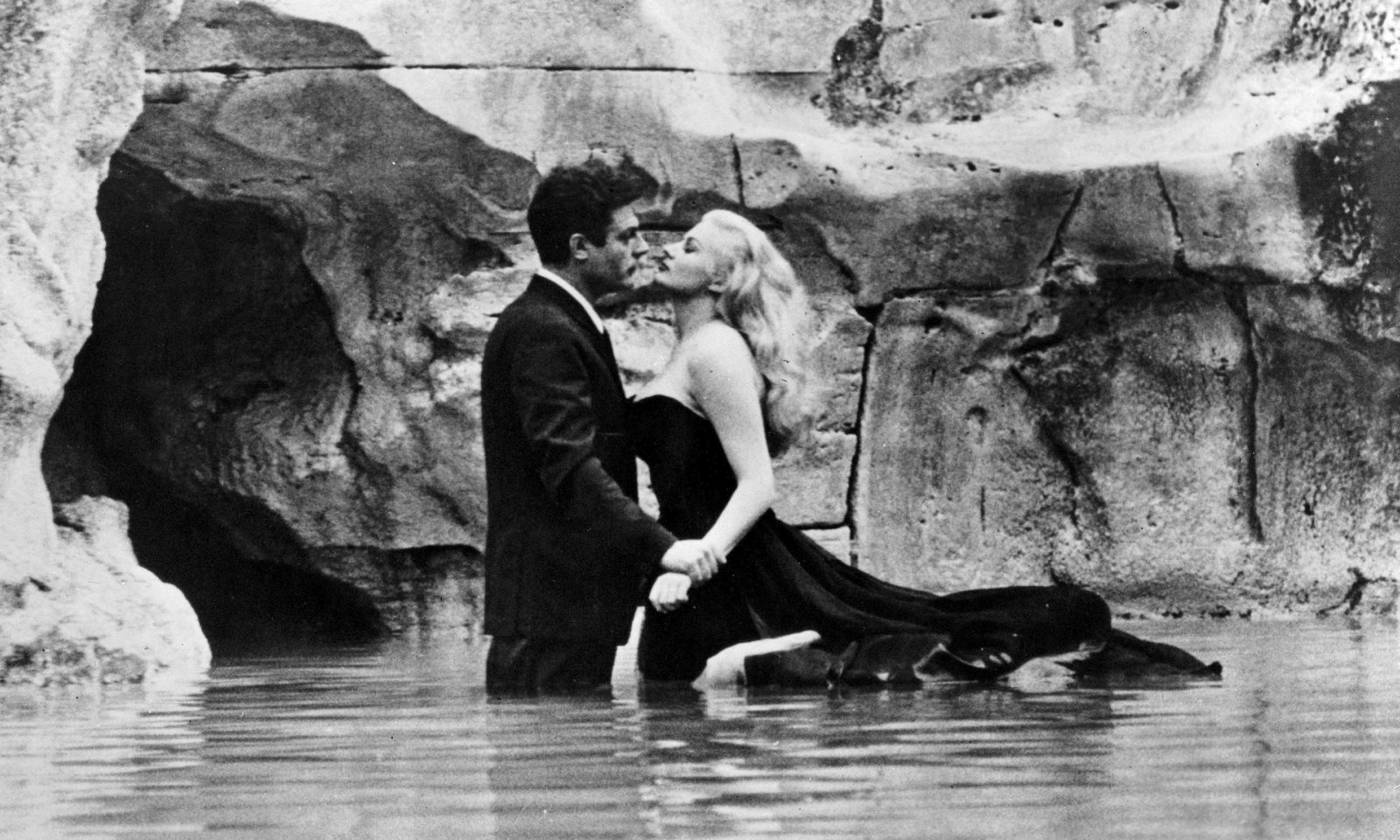
La Dolce Vita (1960)
Through Federico Fellini’s cynical subversion of theological iconography and episodic parables, La Dolce Vita traces a tortured soul’s weary descent to the depths of an amoral, existentialist hell, examining modern-day Rome’s spiritual corruption to ultimately become one of cinema’s great religious epics.
-

Knife in the Water (1962)
Although the hitchhiker in Knife in the Water is spontaneously invited along as a plaything on a wealthy couple’s yacht, the insecurity he sparks transcends class boundaries, as Roman Polanski acutely stages a series of power plays that slowly strips away pretensions of dignity and moral character.
-
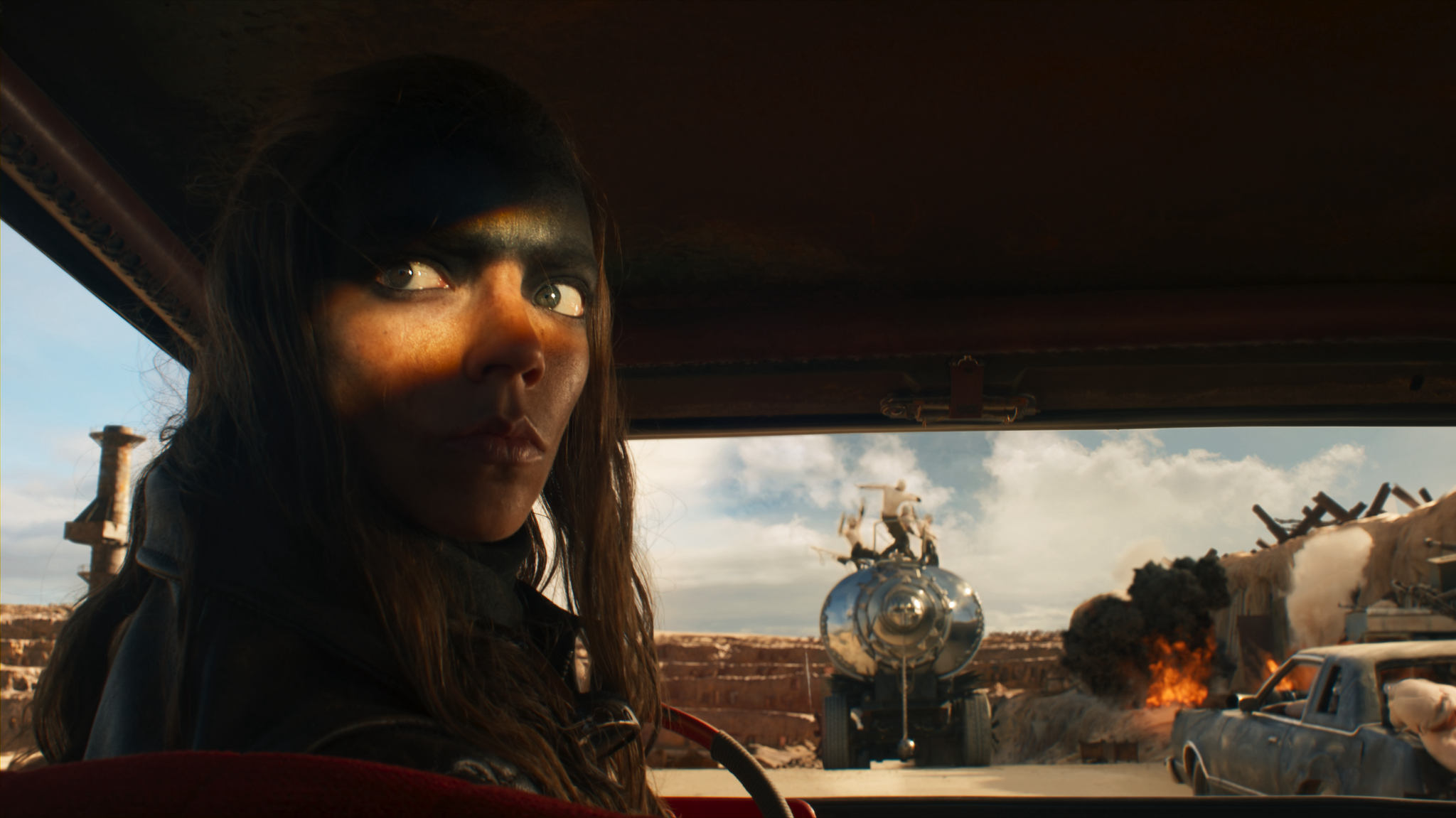
Furiosa: A Mad Max Saga (2024)
A return to the Mad Max series once again turbocharges George Miller with raw, high-octane vigour, as Furiosa expands its demented, post-apocalyptic wasteland to remarkably expansive proportions, and gives us even greater reason to admire its titular warrior as a force of undistilled willpower.