
-
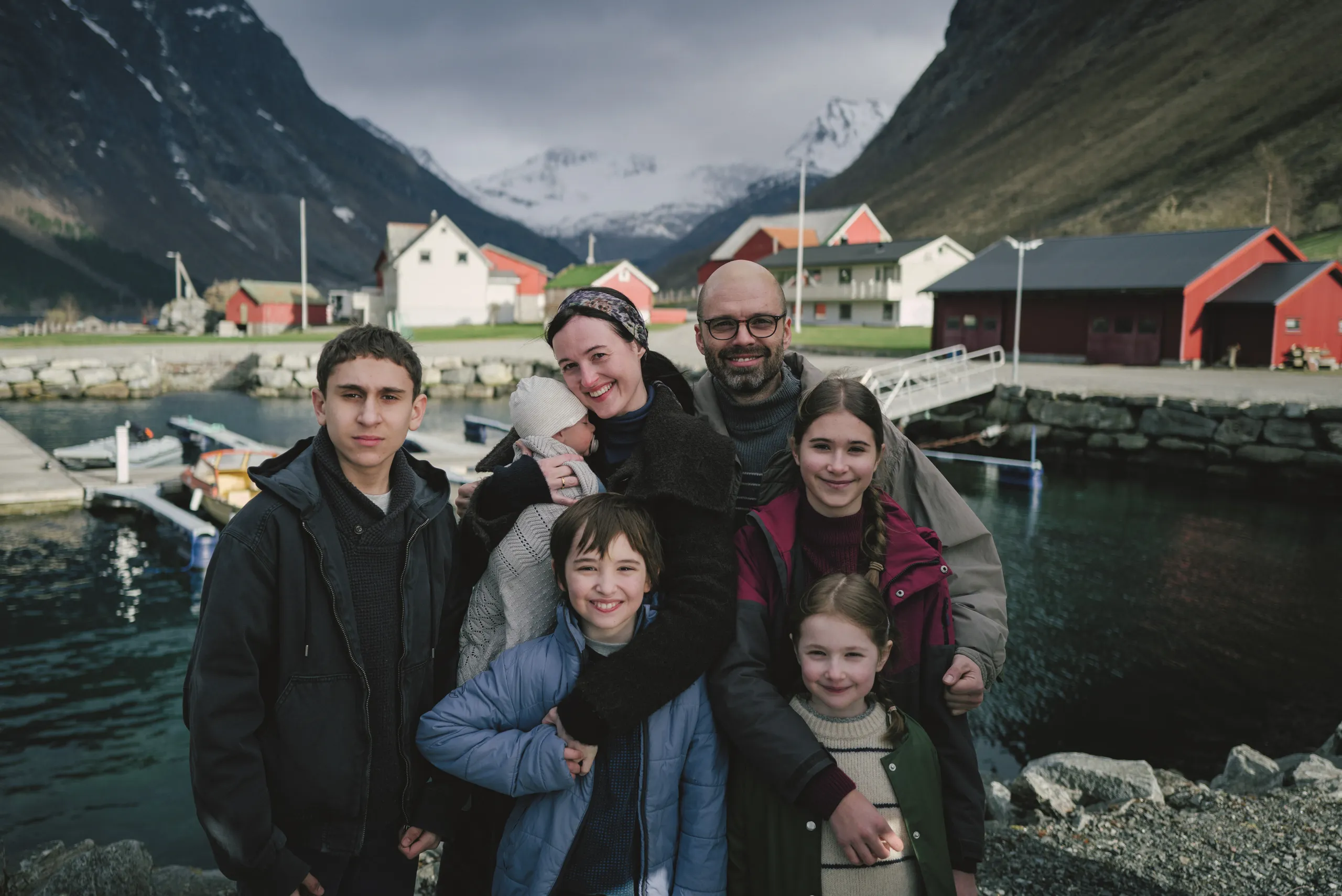
Fjord (2026)
Moral certainty is a privilege for the Norwegian community of Fjord, yet the arrival of a conservative Romanian family unsettles its most basic assumptions, as Cristian Mungiu turns his discomforting, realist lens to the frictions between cultural difference and institutional scrutiny.
-
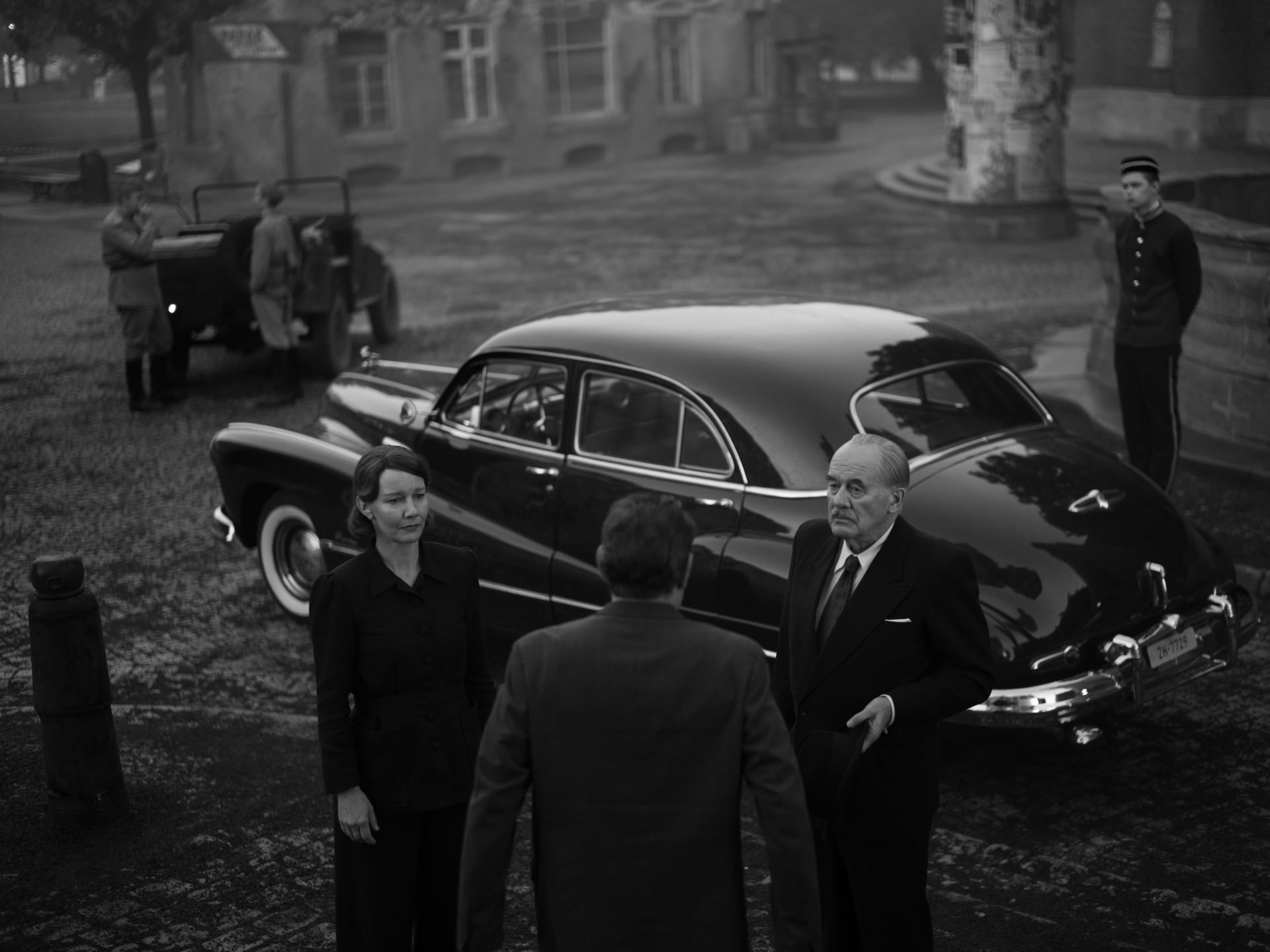
Fatherland (2026)
As writer Thomas Mann visits Germany to accept awards on both sides of the Iron Curtain in Fatherland, Paweł Pawlikowski traces his existential journey with a severe, monochrome ascetism, exposing the moral failure of cultural idealism when exposed to unresolved historical trauma.
-

Parallel Tales (2026)
When Parallel Tales sees one writer’s work fall into the hands of its unwitting, real-life inspirations, Asghar Farhadi begins to blur the lines between observer and participant, unravelling a web of misconstrued identities shaped by the very act of interpretation.
-

A Touch of Zen (1971)
As King Hu edges towards a spiritual transcendence in A Touch of Zen, wuxia spectacle dissolves into a meditative, cosmic stillness, revealing its worldly struggles between imperial authorities and persecuted fugitives as fleeting dramas within a transient world.
-

Apur Sansar (1959)
Satyajit Ray gracefully brings his epic coming-of-age trilogy full circle in Apur Sansar, guiding the now-grown Apu through shattering grief, and towards an enlightenment that can only be found in the timeless, seasonal cycles of nature.
-

Eternity (2025)
Forced to decide whether she will spend her afterlife with her first husband who died young or her long-term second husband, Joan confronts a romantic dilemma of existential proportions, as Eternity guides her through a whimsical, post-mortem plane of bureaucratic order and commodified paradises.
-
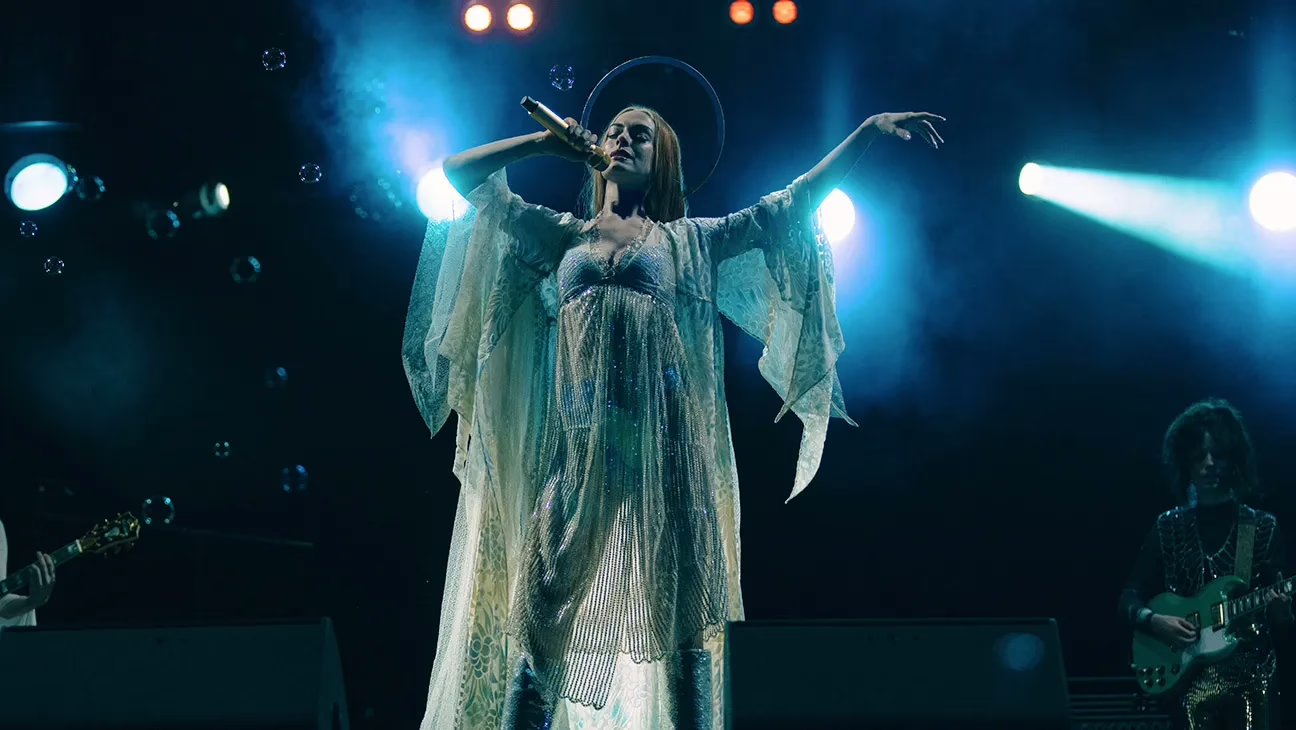
Mother Mary (2026)
As one burnt-out popstar and her former costume designer collide over old grievances in Mother Mary, David Lowery slowly unveils the ghost which has haunted both, refusing to release either from the possessive grip of shame, resentment, and regret.
-

Little Amélie or the Character of Rain (2025)
Childhood may seem like an endless kingdom of wonder in Little Amélie or the Character of Rain, fantastically shifting with the vivid imagination of its young protagonist, yet so too does the inevitable discovery of its own transience awaken a soft, bittersweet sorrow.
-
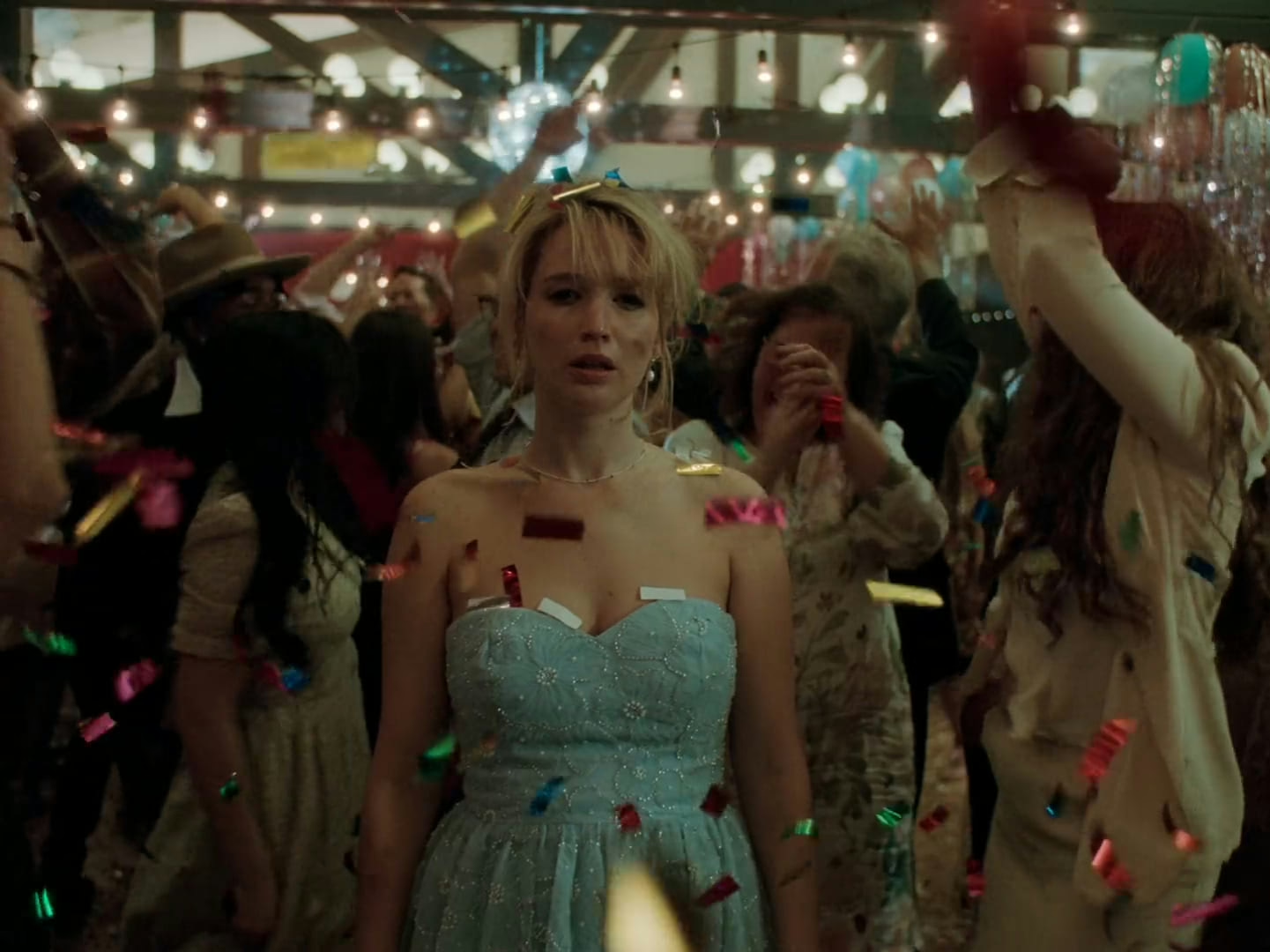
Die My Love (2025)
As one young woman falls into the resentful, fugue-like state of motherhood in Die My Love, Lynne Ramsay frays the boundaries of selfhood and domestic routine, casting her portrait of postpartum unravelling in pale greens and fragmented rhythms.
-
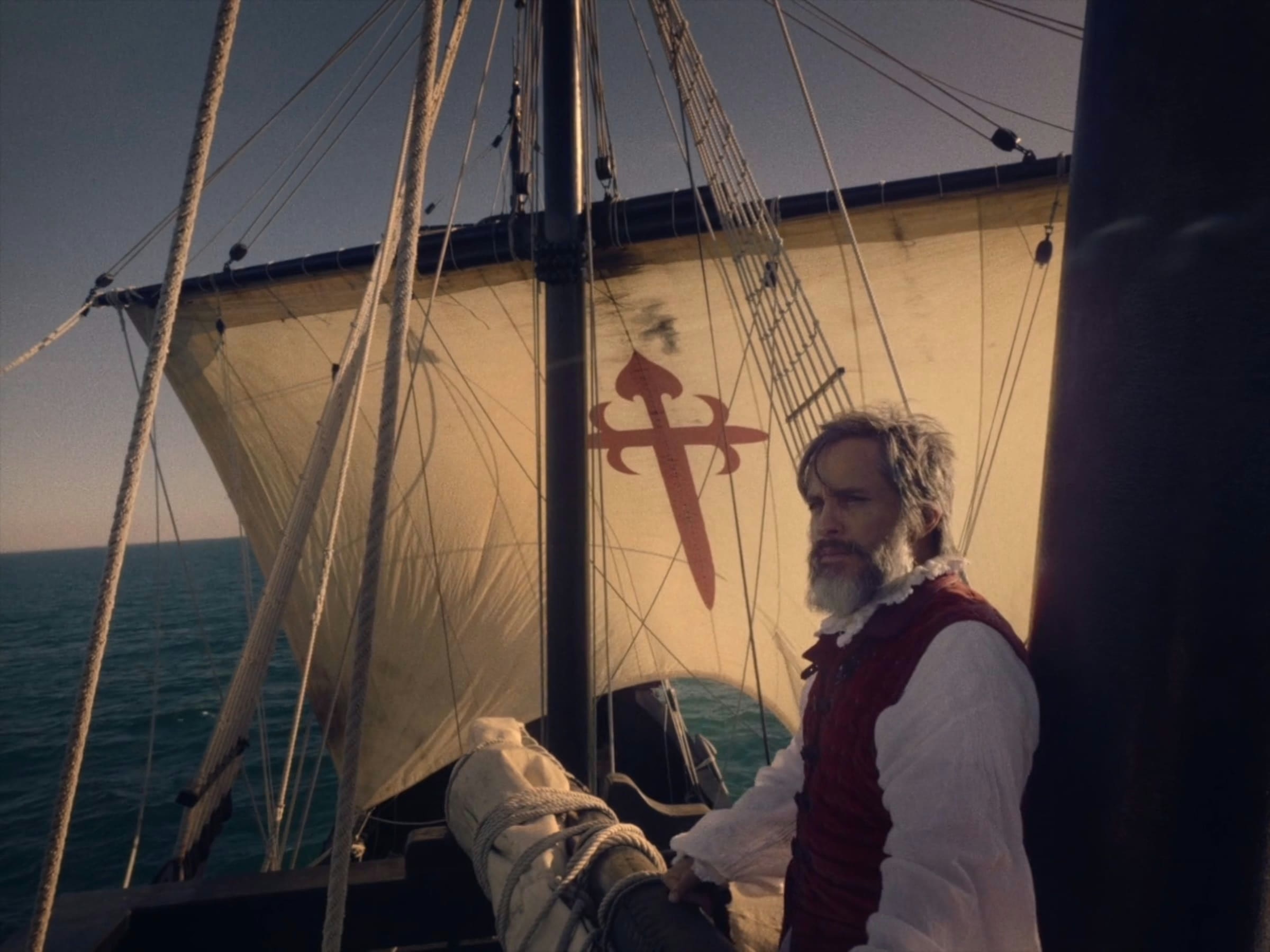
Magellan (2025)
Through Lav Diaz’s rigorously composed tableaux stretching from Portugal to Indonesia, Magellan deconstructs the mythology of its infamous explorer, applying an austere, postcolonial lens to the hubris which underlies such violent acts of conquest.
-

Woman in the Dunes (1964)
Through Hiroshi Teshigahara’s elemental metaphor in Woman in the Dunes, sand becomes the formless structure of one man’s existential imprisonment, trapping him in a Sisyphean struggle of labour that slowly absorbs him into a primordial, ever-shifting desert.
-

Sirāt (2025)
Dragging us through dust, heat, and excruciating tension of the Moroccan desert, Sirāt navigates one man’s attempts to find his daughter within its hallucinatory rave culture, relentlessly pushing him ever closer to the brink of his own physical and psychological limits.
