Jiaozi | 2hr 24min

Chinese cinema has long pursued visual majesty through mythic lyricism, from the sweeping epics of Zhang Yimou to the dreamlike worlds of Bi Gan, yet the animated Ne Zha series signals a far more commercially consequential shift in the industry. No longer is the global box office synonymous with Hollywood blockbusters – Ne Zha 2’s ascension to the 5th highest grossing film of all time heralds a broad restructuring of cinematic capital, driven in this instance by domestic Chinese audiences rather than Western cultural reach. There, the titular character is not some contemporary invention, but a legendary figure dating back centuries to the 16th century novel ‘Investiture of the Gods’. Ne Zha has traditionally represented childlike defiance against cosmic order, and here in this ambitious sequel, he is recast within an otherworldly spectacle that shakes the foundations of gods and demons alike.
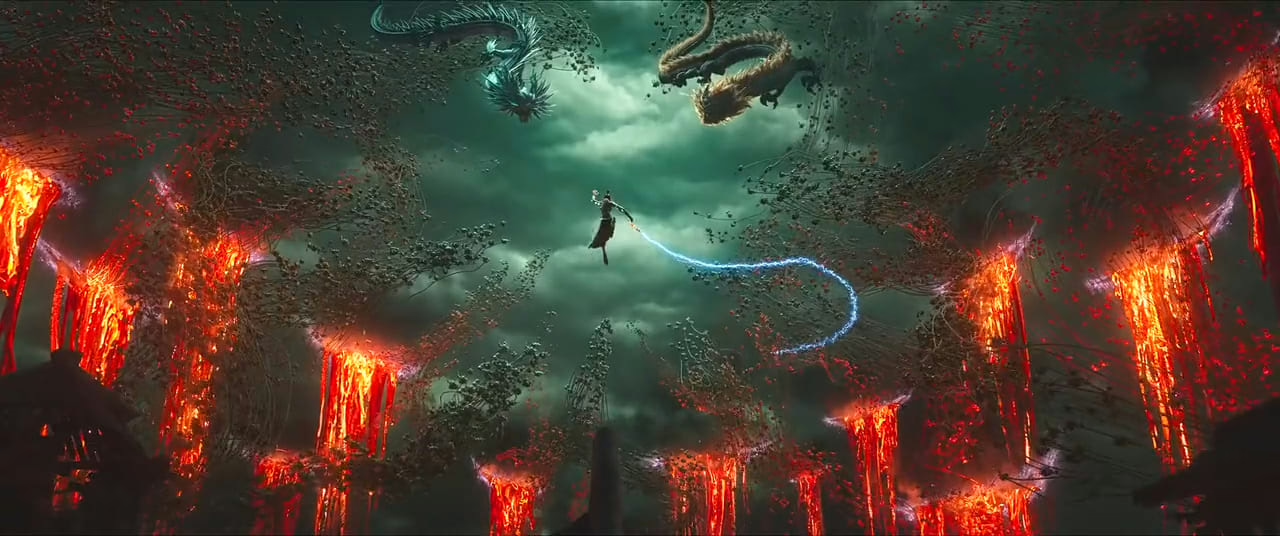
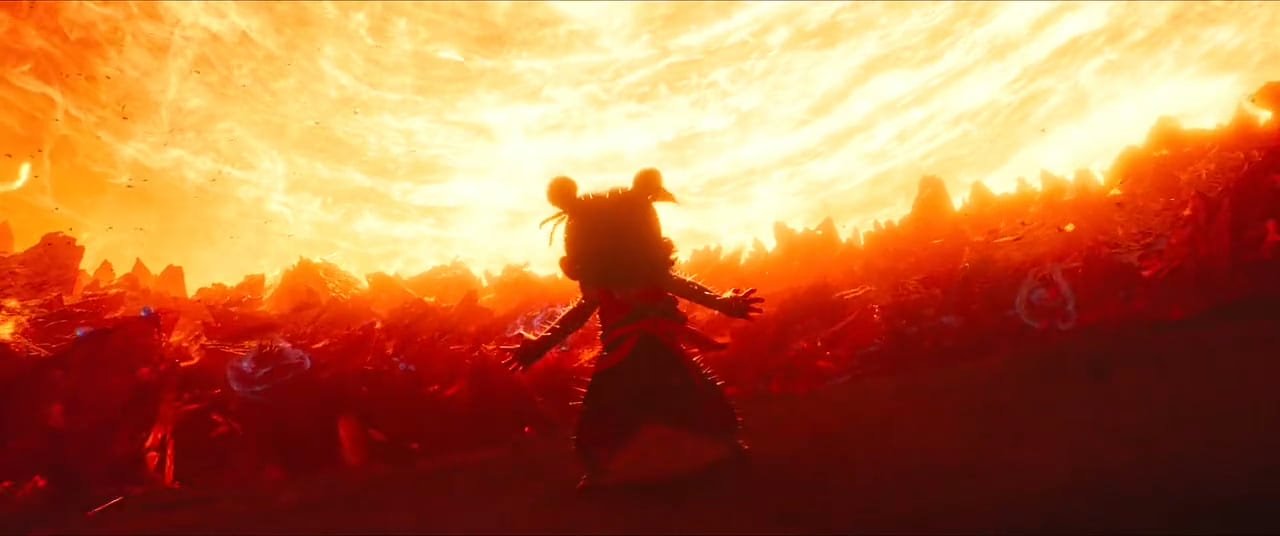
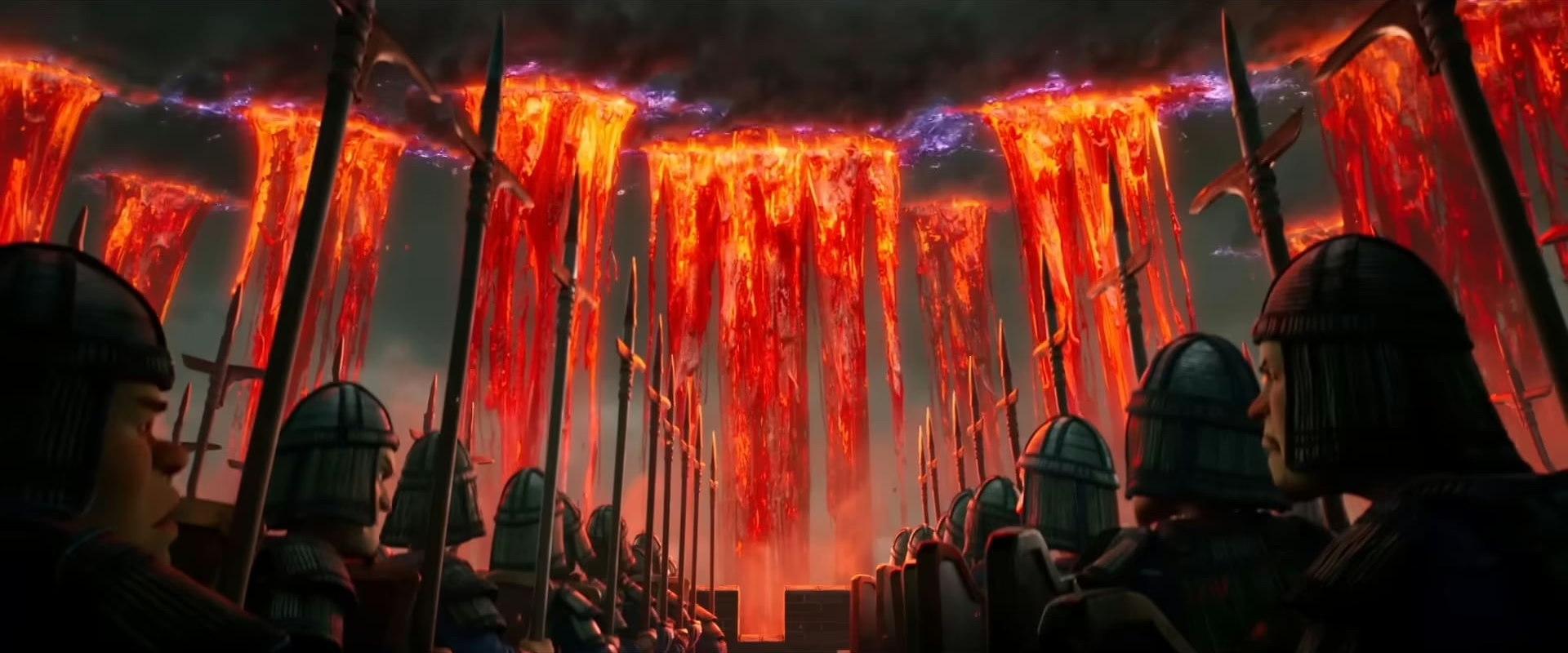
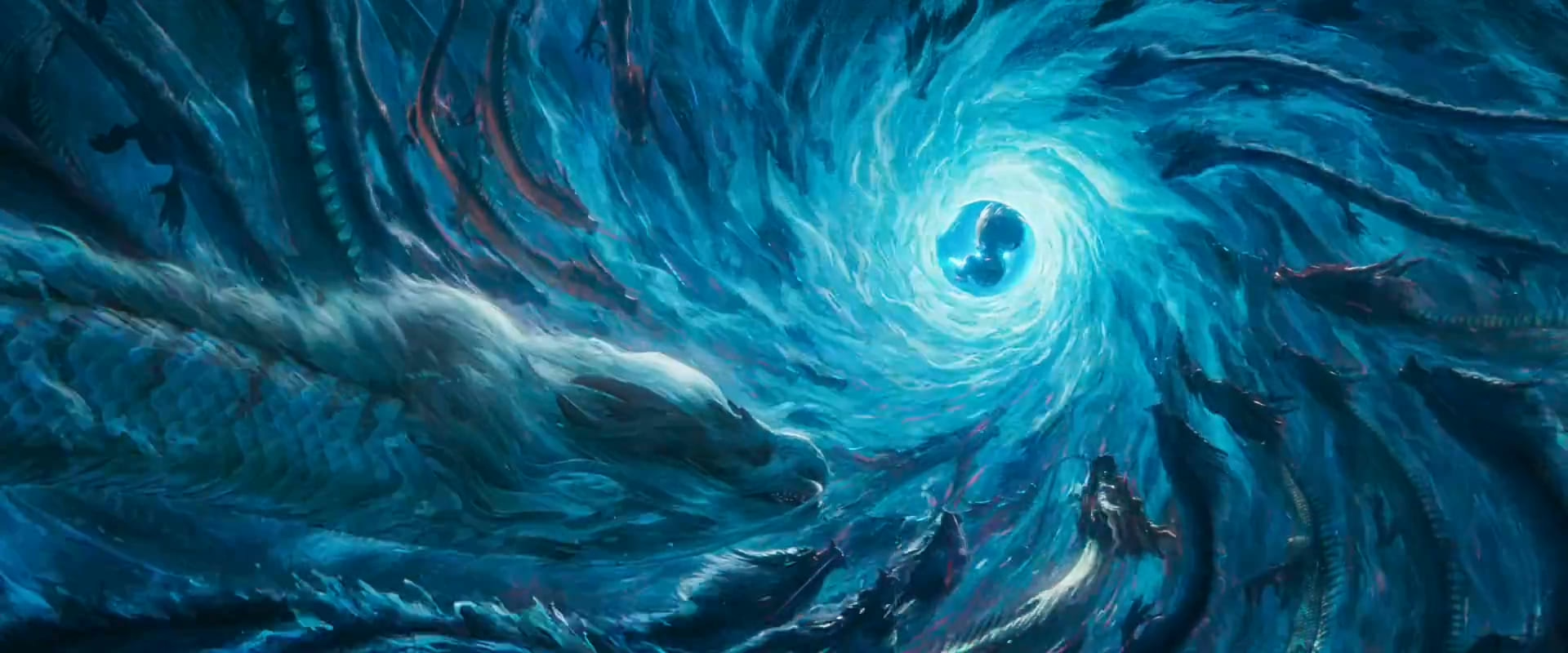
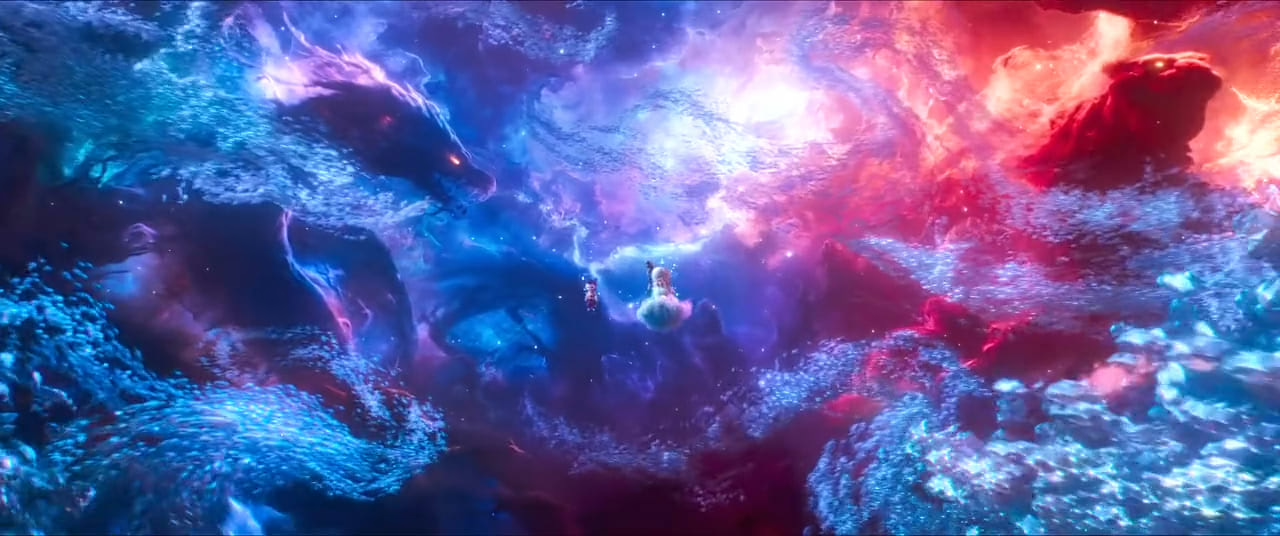
Especially compared to the first Ne Zha film from 2019, the leap forward in animation here is staggering, rendering elemental forces of water, fire, and pure energy with incredible weight and texture through colossal battles. Lava cascades like volcanic waterfalls from portals before hardening into rock, while the Dragon Kings of the Four Seas are realised with remarkable intricacy in their flowing manes and scaled, serpentine bodies. Some visual flatness from the original persists in character designs that occasionally resemble video game cutscenes, yet the sheer scale and density of the surrounding environments consistently overwhelm these shortcomings.
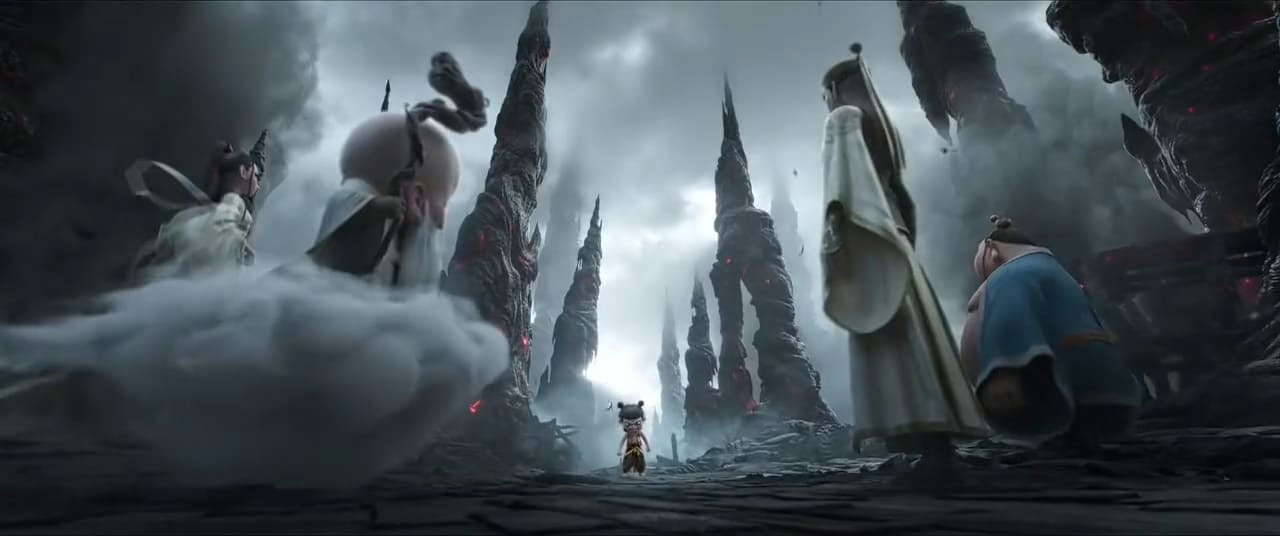
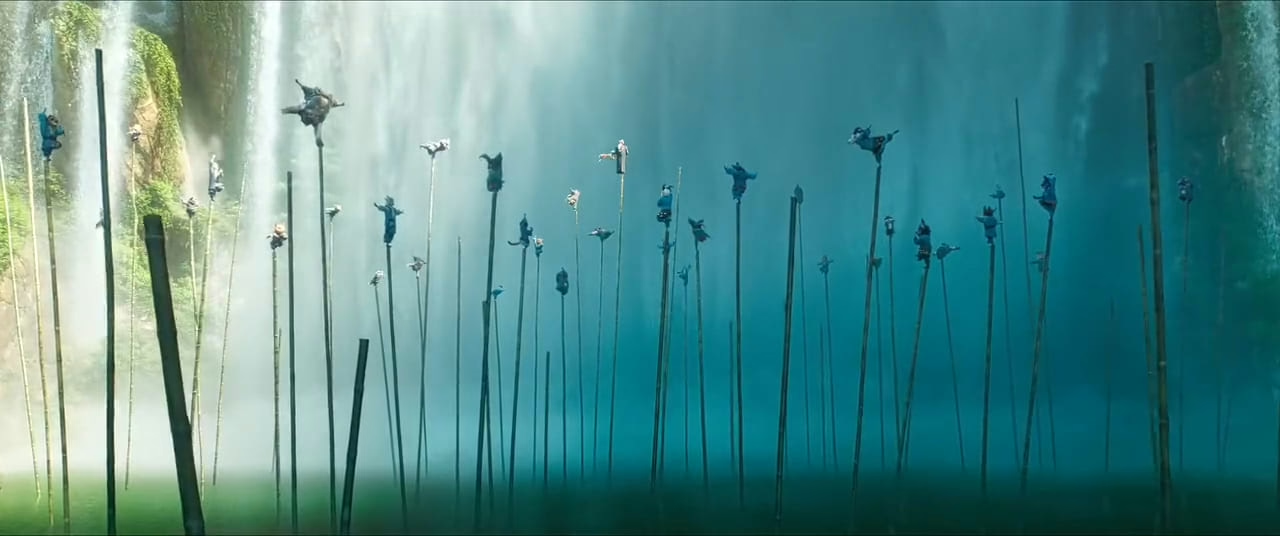
Still, it is difficult not to feel a twinge of disappointment when the prologue’s hand-painted colours and expressive brush strokes give way to the relatively conventional digital aesthetic of the wider film. There is the possibility of a truly transcendent animation here if Ne Zha 2 followed through on these artistic aspirations, though such formal risk-taking would no doubt compromise its mainstream appeal. The lowbrow children’s humour similarly feels like an unfortunate concession too, yet by the time the narrative stakes escalate to civilisation-scale destruction, this is thankfully stripped away to let grandeur and grief take centre stage. As far as Ne Zha 2 can succeed within the boundaries of family entertainment, it does so with surprising ambition, driving the demon boy toward a destiny written in three divine trials that will grant him immortality.
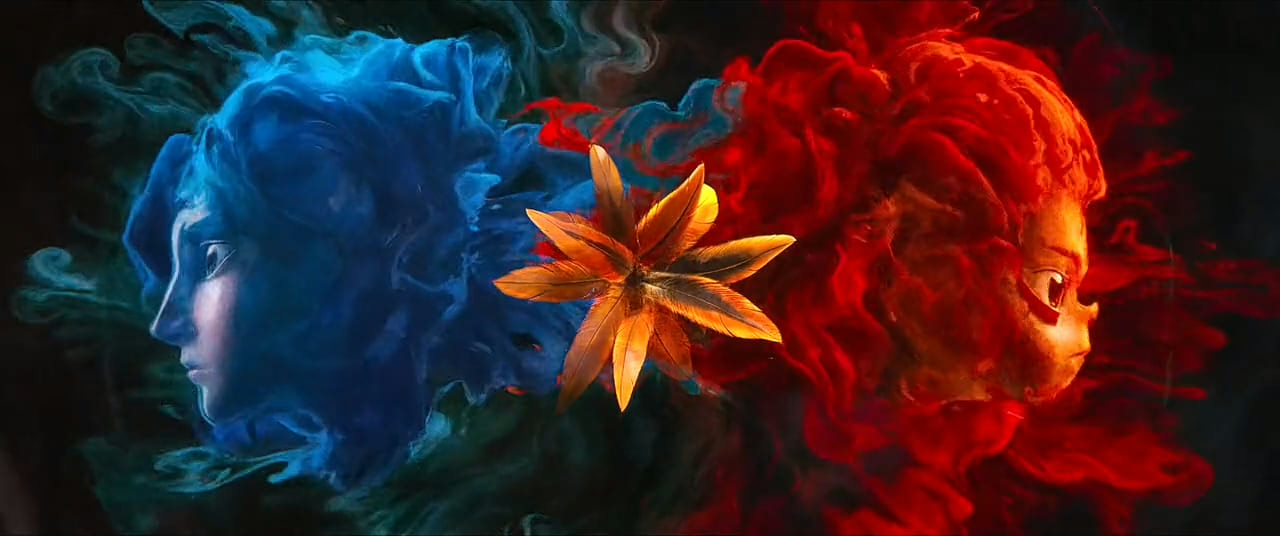
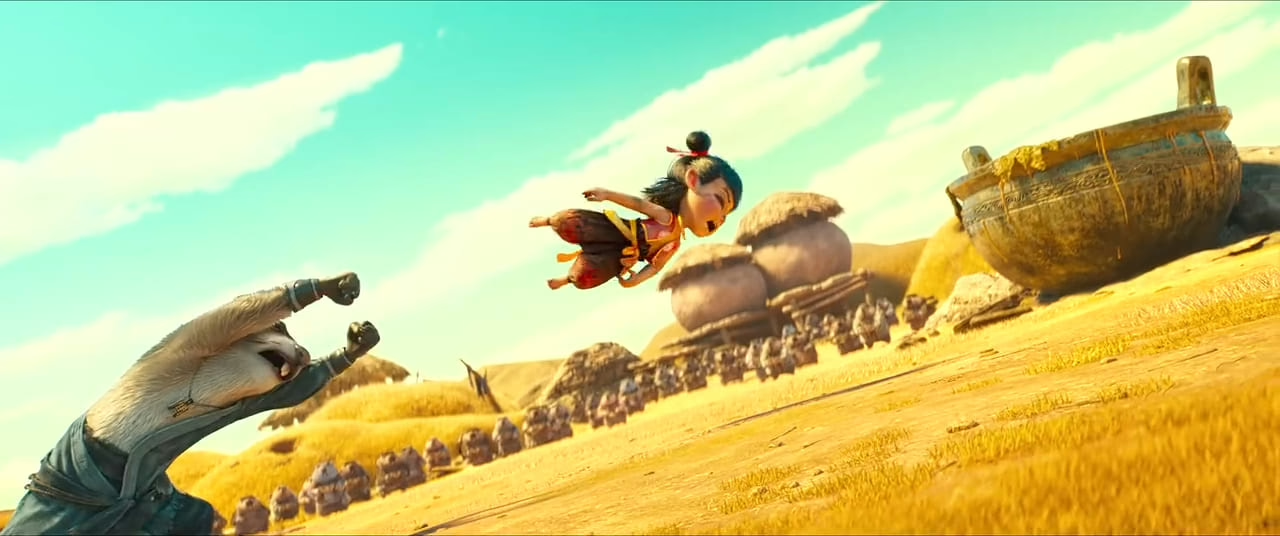
Freeing itself somewhat from its convoluted origin story, this sequel establishes clearer stakes than its predecessor too, hinging upon Ne Zha’s rescue of Ao Bing – his complementary opposite, born from the Spirit Pearl rather than the Demon Orb. With Ao Bing’s physical form destroyed during an assault on Ne Zha’s hometown, our titular hero must find the potion that will save his life, and which can only be attained through the Ascension Trial.
Administered by the immortal Wuliang and his Taoist Chan Sect, these tests pit Ne Zha against demons and spirits alike to prove his worthiness, while forcing him to conceal his true nature within the ranks of the heavenly order. Fortunately, he has an advantage – for seven days, he and Ao Bing may share a body, granting a temporary fusion of both celestial and demonic powers. Within this unstable union, Ne Zha 2 deepens the series’ yin-yang philosophy, dissolving the boundary between virtue and wickedness through its characterisations of heroes and monsters. Just as corruption may emerge within the divine, so too can light surface in darkness, and therein lies the wisdom that drives Ne Zha and Ao Bing’s mutual evolution to greater, cosmic heights.
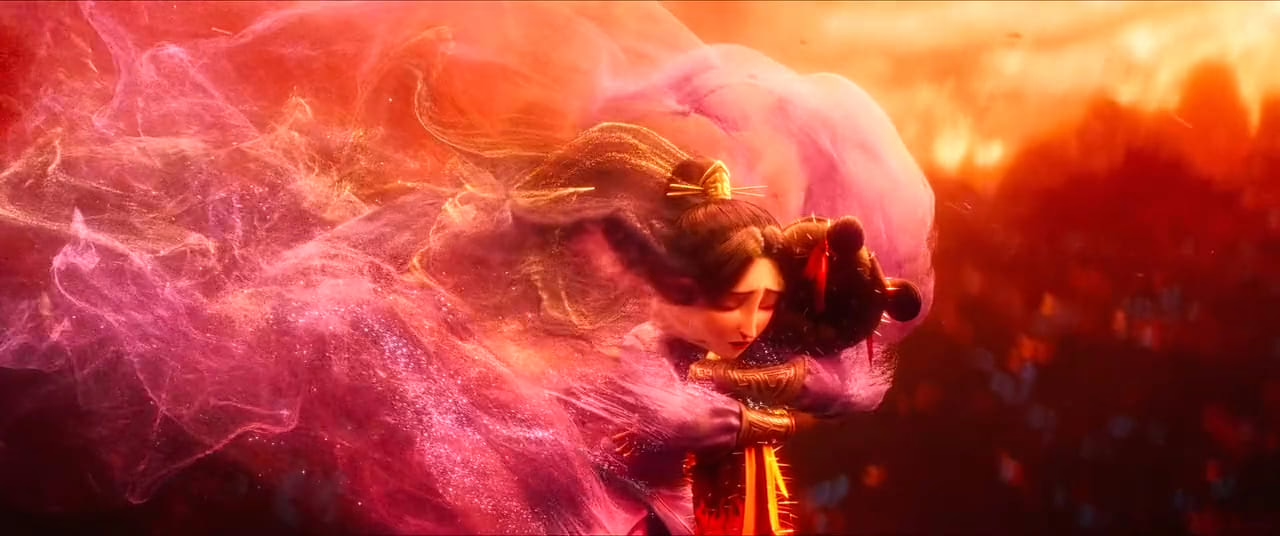
Previously a stock standard villain, even Master Shen is redeemed in Ne Zha 2, as his newly introduced family grants him a capacity for grief that complicates his darker nature. Identity is not defined by one’s birthright after all – while spectacular battles are fought between celestial and demonic forces across the skies, such rigid classifications only preserve power through fear and anger. The essence of each character here lies in choice alone, guiding them toward a spiritual enlightenment that accepts one’s inherent nature without surrendering to it as destiny. More than simply rendering Chinese folklore as large-scale spectacle, Ne Zha 2 fully internalises the philosophical traditions underpinning that ancient, metaphysical mythology, observing transcendence emerge through balance and self-realisation rather than absolute moral division.
Ne Zha 2 is currently available to rent or buy on the Apple TV Store and Amazon Video.