
Highly Recommend

Monkey Man (2024)

It is a rare thing to witness a first-time director meld such handsomely stylised action with mystical symbolism, yet Monkey Man proves Dev Patel to be just as skilled behind the camera as he is in front of it, crafting a Hindu allegory that envisions one underground fighter’s righteous delivery of divine justice upon India’s corrupt political landscape.
Fallen Leaves (2023)

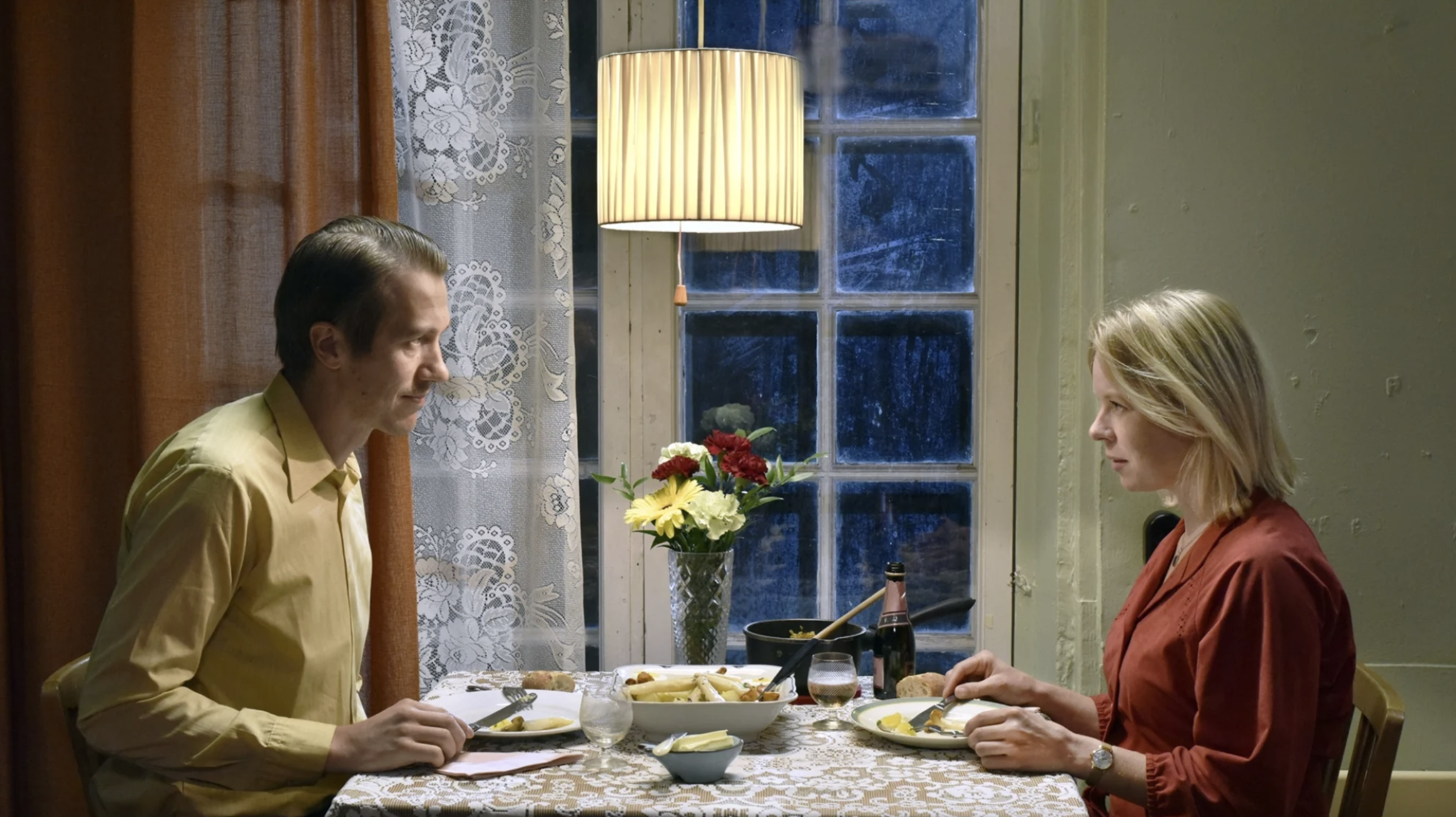
The working-class lovers of Fallen Leaves may be set back by personal flaws, but the string of unlucky coincidences playing a greater cosmic joke on them can’t be ignored either, as Aki Kaurismäki’s minimalist comedy-drama stubbornly seeks romance within the deadpan mundanity of downtown Helsinki.

May December (2023)

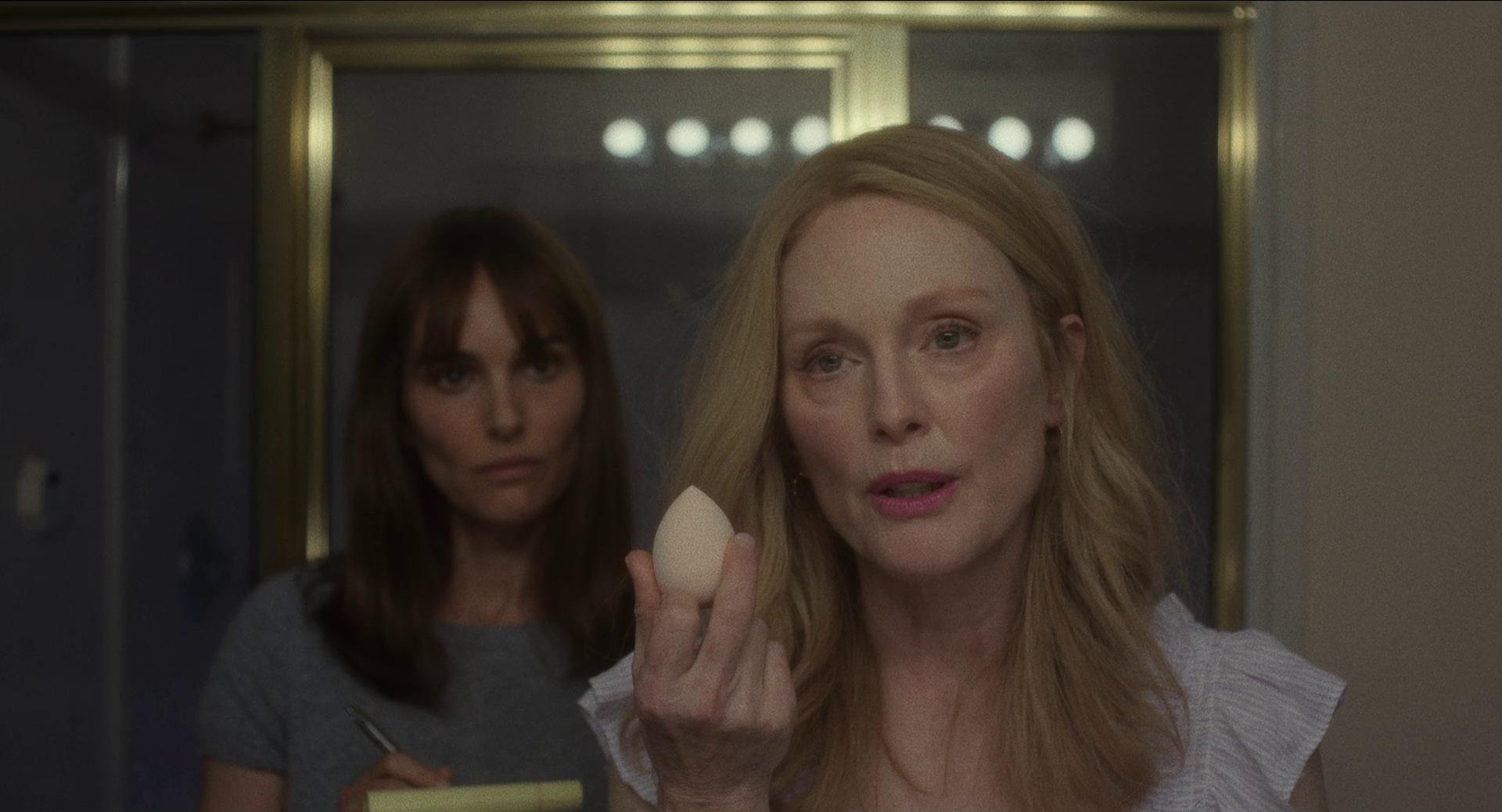
Within May December’s dual character study, Todd Haynes draws disturbing psychological parallels between one method actress and the paedophile she is researching, carefully observing both predators win the unearned sympathy of audiences and neighbours alike through performances of astoundingly shallow substance.

Saltburn (2023)

With an obscure set of animalistic metaphors and perverse power plays, Emerald Fennell weaves a monstrously sinister fable around lower-class outsider Oliver Quick and his wealthy hosts in Saltburn, painting a darkly satirical portrait of class tension, obsession, and exploitation at their majestic country estate.

Saraband (2003)

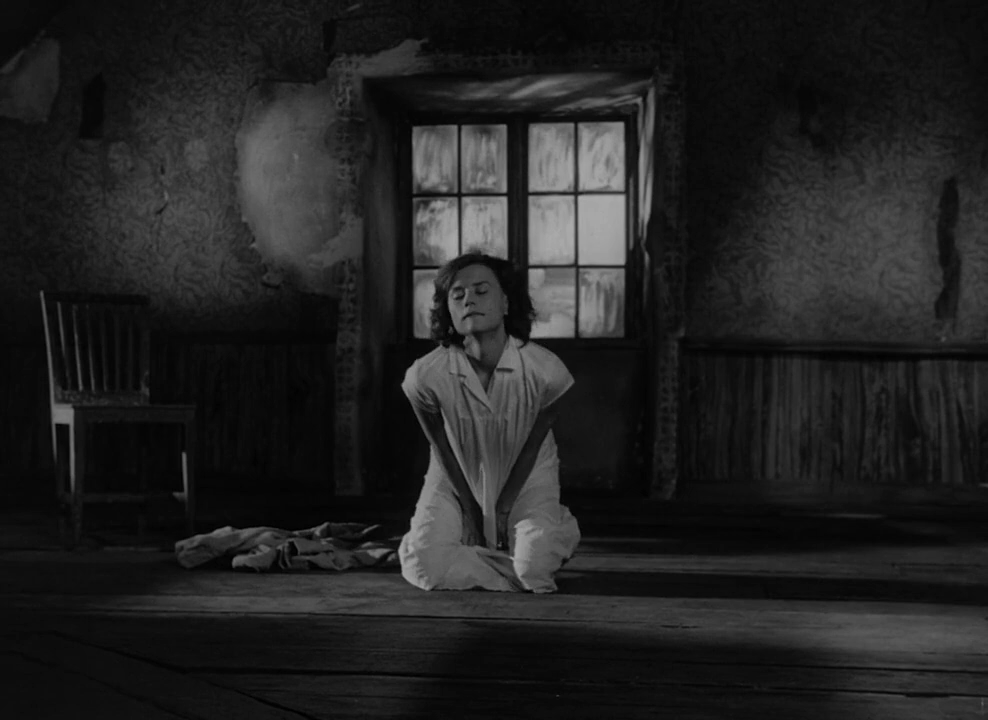
Ingmar Bergman’s contemplations of regret and old age in Saraband are far more grounded in his firsthand experiences than ever before, as his final film reunites the ex-lovers from Scenes from a Marriage to consider the echoes of family trauma throughout generations, and finds a soothing, spiritual peace in the act of reminiscence.

A Haunting in Venice (2023)

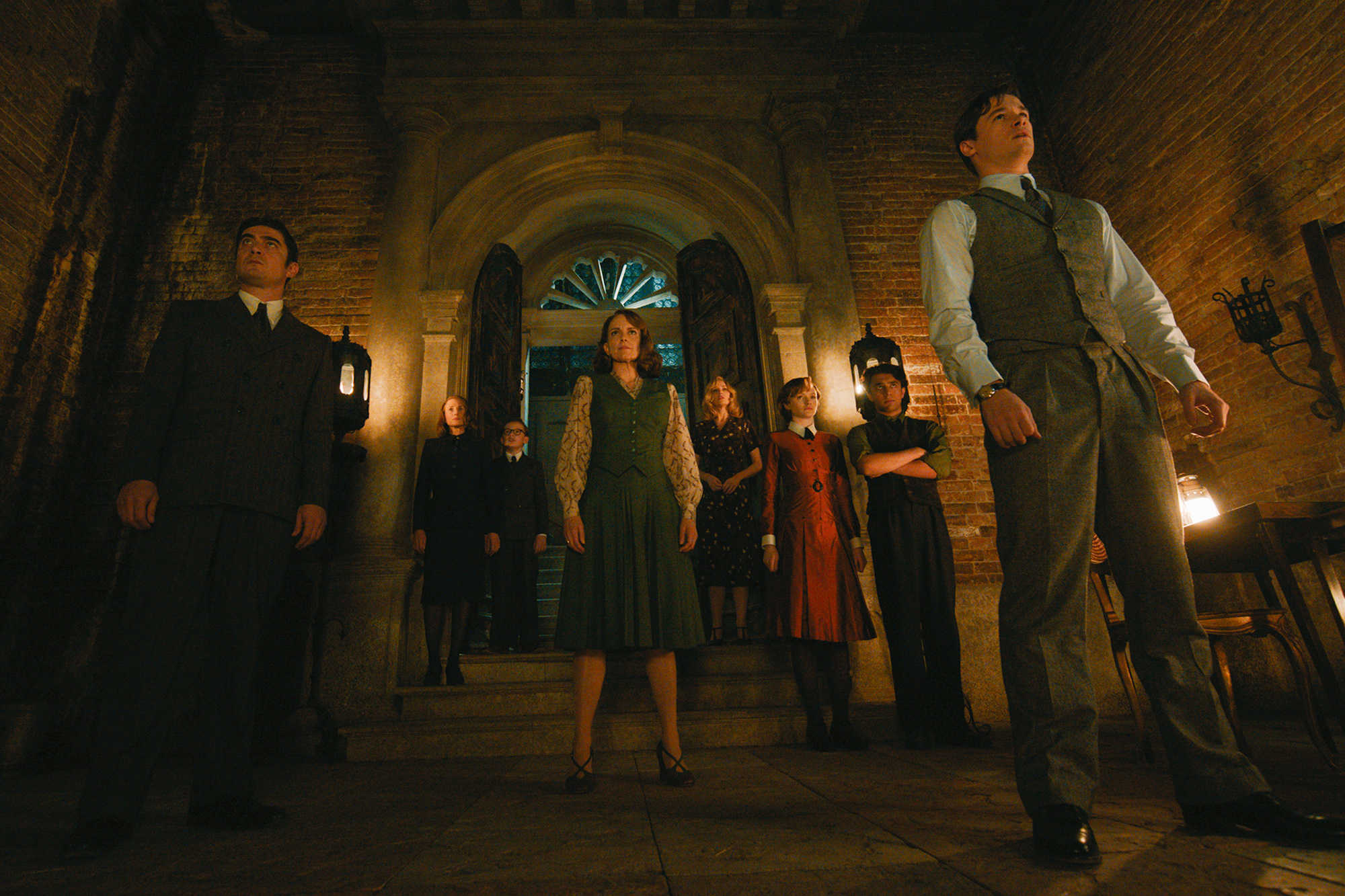
As flamboyant detective Hercule Poirot is drawn into a murder mystery of mediums, seances, and vengeful ghosts in A Haunting in Venice, the foundations of his hardened logic are confronted with chilling visions of the impossible, effectively imbuing Kenneth Branagh’s adaptation of Agatha Christie with a Gothic horror that complicates our search for rational truth.

The Passion of Anna (1969)

Ingmar Bergman’s personal turmoil during production of The Passion of Anna infuses this chamber drama with a shaggy, improvisational quality, deconstructing its titular widow’s grief with the same imperfect honesty which he himself is guilty of, and bringing a raw vulnerability to complex characters straining against each other’s cruelty.

Through a Glass Darkly (1961)

Beneath Ingmar Bergman’s eloquently cutting dialogue in Through a Glass Darkly is a family struggling in the absence of spiritual guidance, magnified to an even greater extent by the isolation of the island where they are vacationing, and yet finding the chance for redemptive grace in the smallest demonstrations of love.

Smiles of a Summer Night (1955)

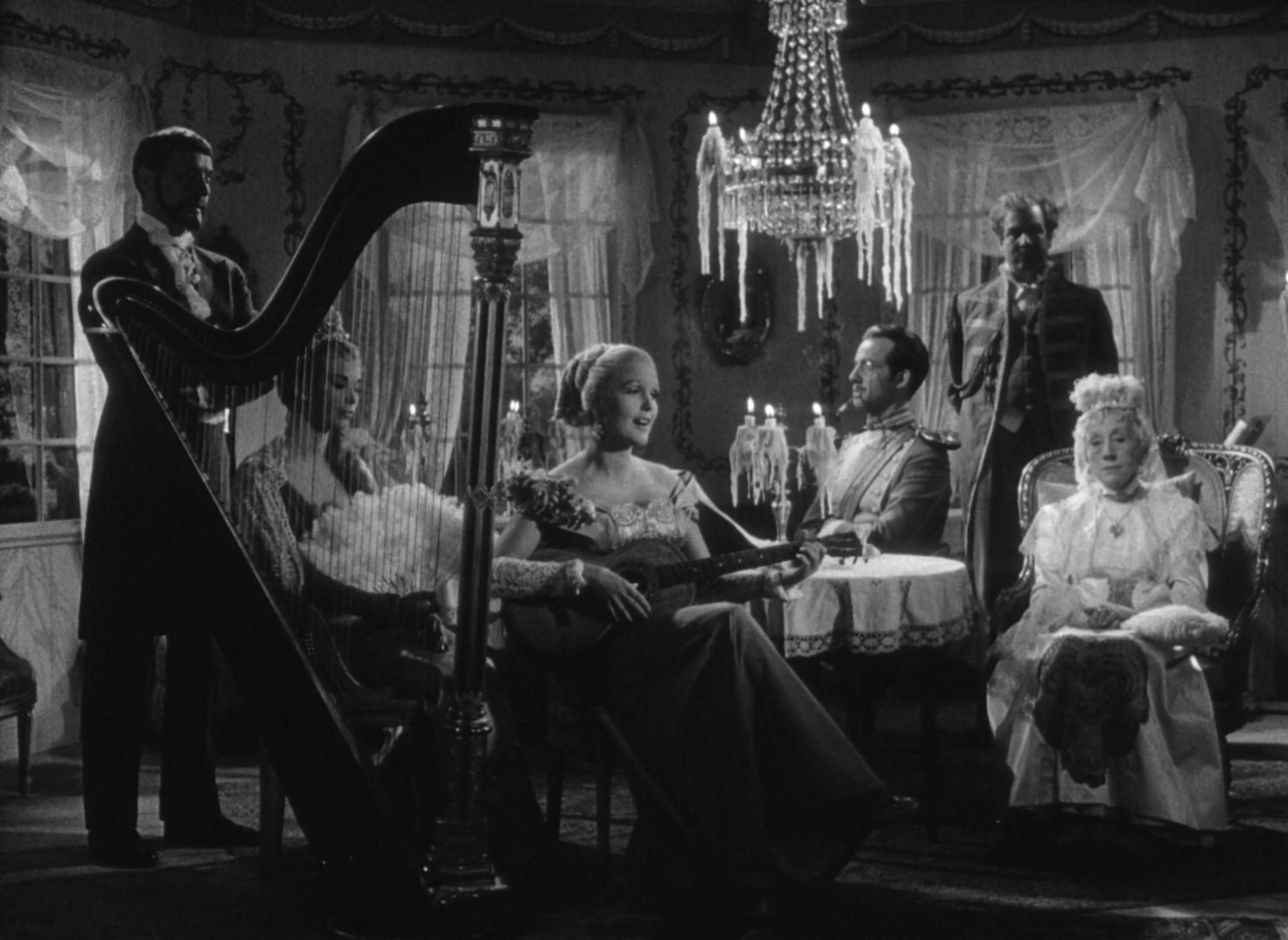
The complex web of betrayals, seductions, and alliances within the aristocratic ensemble of Smiles of a Summer Night is tantalising to watch for its sharp class satire, and yet Ingmar Bergman also buries a profound wisdom into his intoxicating chaos, deepening its joyful wonder with blessings for new beginnings and second chances.

Dreams (1955)

The romantic fantasies that young model Doris and her agent Susanne chase down are blindly hinged on the belief that men are not lazy, mediocre creatures, and Ingmar Bergman delicately maps out the psychological terrain of these compulsive desires all through Dreams, leading both generations of women down parallel paths of inevitable disappointment.

Scroll to Top