
Highly Recommend

Disclaimer (2024)

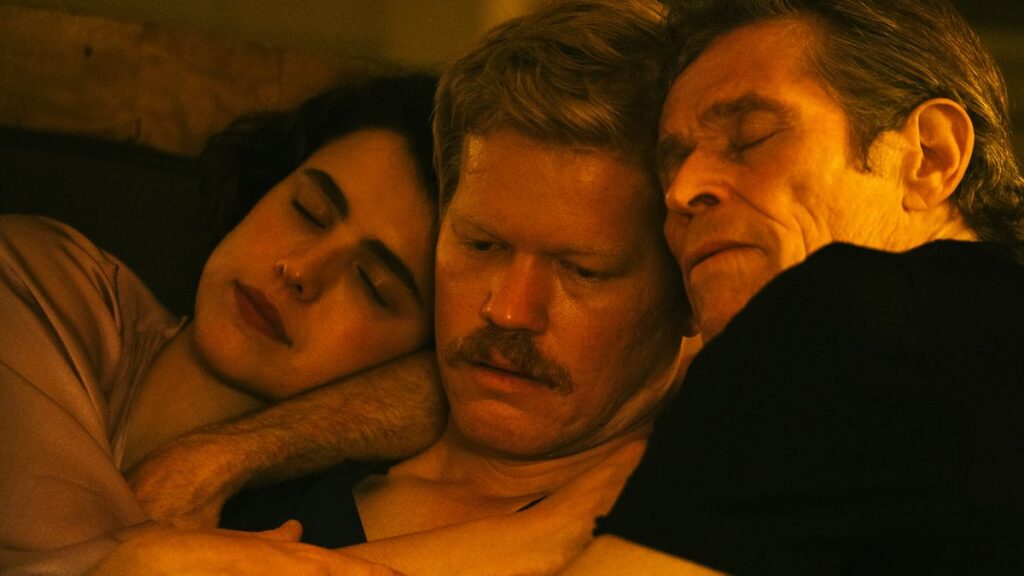
Between a vengeful misanthrope and the guilt-ridden woman he holds accountable for his son’s death, Alfonso Cuarón studies the confounding subjectivity of storytelling in Disclaimer, exposing painfully conflicting perspectives woven into the very structure of his series.
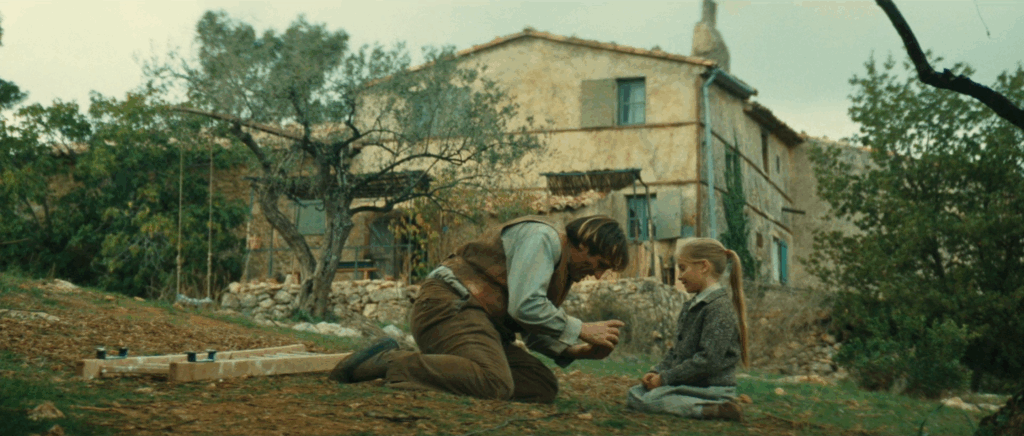
Jean de Florette & Manon of the Spring (1986)

Claude Berri does not set his Shakespearean tragedy of greed, scorn, and betrayal within historical halls of power, but underscores its meekness through the sun-dappled farms of 1910s France, witnessing the fateful, divine devastation wreaked upon two feuding families in Jean de Florette and Manon of the Spring due to a pair of blocked springs.

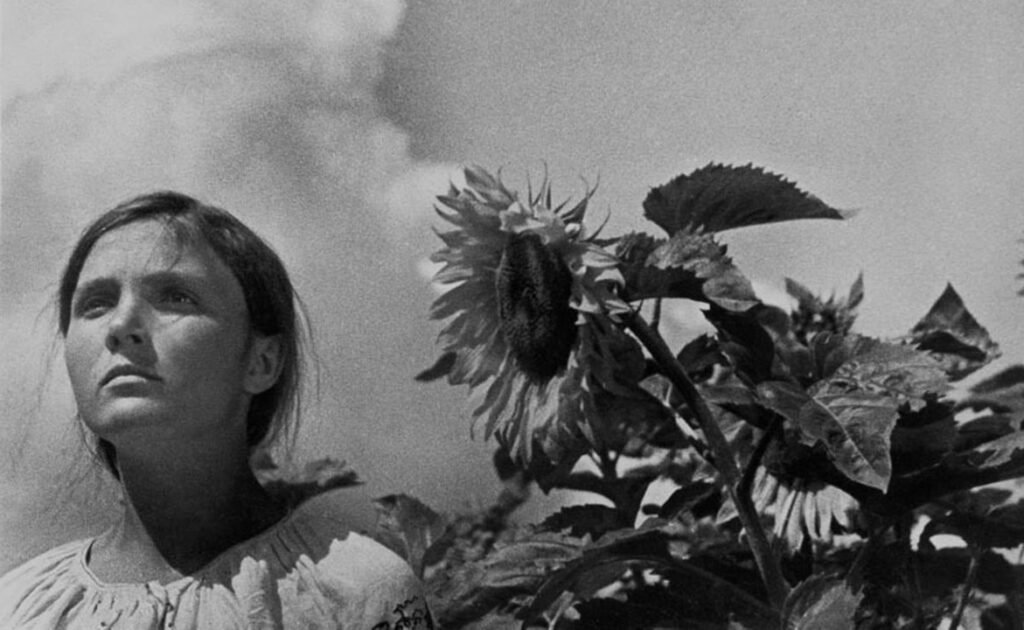
Earth (1930)

The symbiosis between man, machine, and nature is a delicate dance in Earth, choreographed with seamless synchronicity through Oleksandr Dovzhenko’s lyrical montage editing, and celebrating the collectivist return of farming land back to the workers in the Soviet Union’s early days.

Mother (1926)

The radicalisation of a long-suffering family matriarch in Mother channels her fierce devotion towards the people of Russia, casting her as a revolutionary icon whose anguish and resilience is felt deeply in Vsevolod Pudovkin’s eloquent, invigorating montages.

Kinds of Kindness (2024)

Whatever affection Kinds of Kindness promises to explore can only be considered ‘kindness’ on its most depraved level, yet it nevertheless becomes a common goal across its three surreal fables, as Yorgos Lanthimos’ characters wander an absurdist purgatory where dignity is commonly traded for the abusive love of employers, spouses, and religious leaders.

Fellini’s Roma (1972)

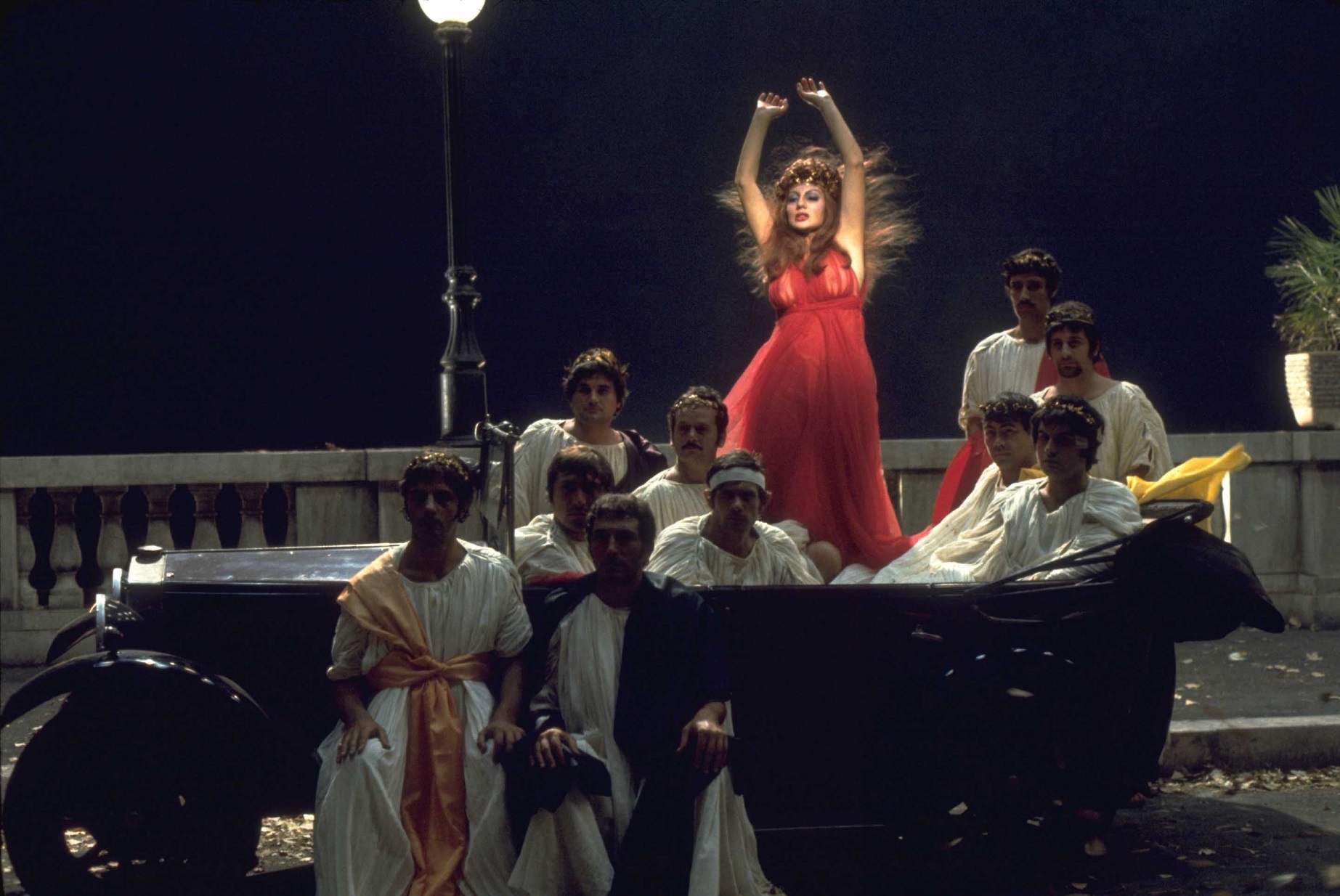
Federico Fellini’s Roma is not quite the familiar city we recognise from history books, but rather an absurd, contradictory landscape of rich impressionistic detail, filtering its vibrant culture, art, and politics through vignettes distorted by the wily incongruity of satire and memory.

Il Bidone (1955)

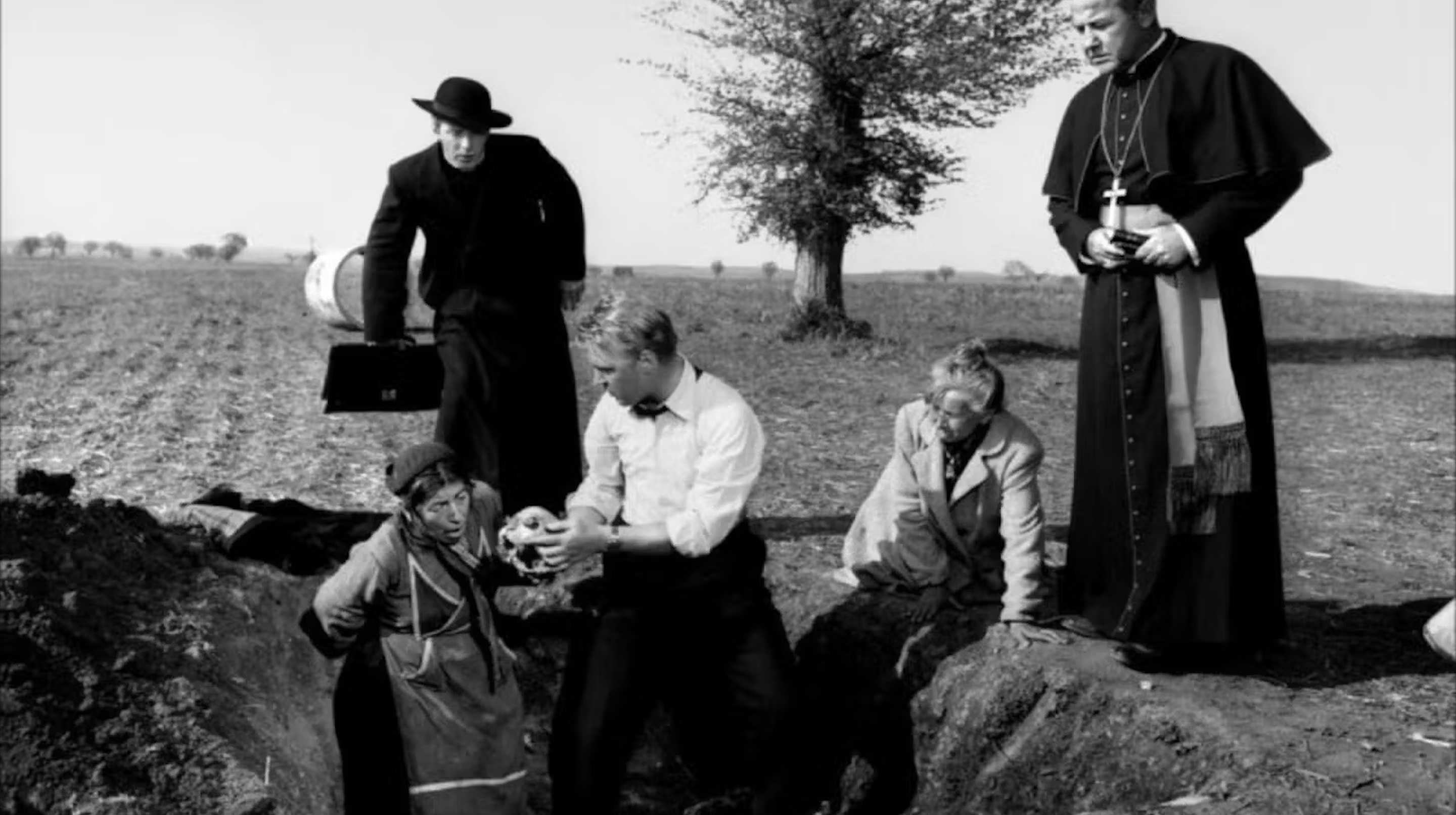
Rocky is the path to redemption in Il Bidone’s modern parable of morality and corruption, but so too is it spiritually purifying, as Federico Fellini strips back the lies of a professional swindler to uncover the grace that lies dormant in even the most dishonest man.

49th Parallel (1941)

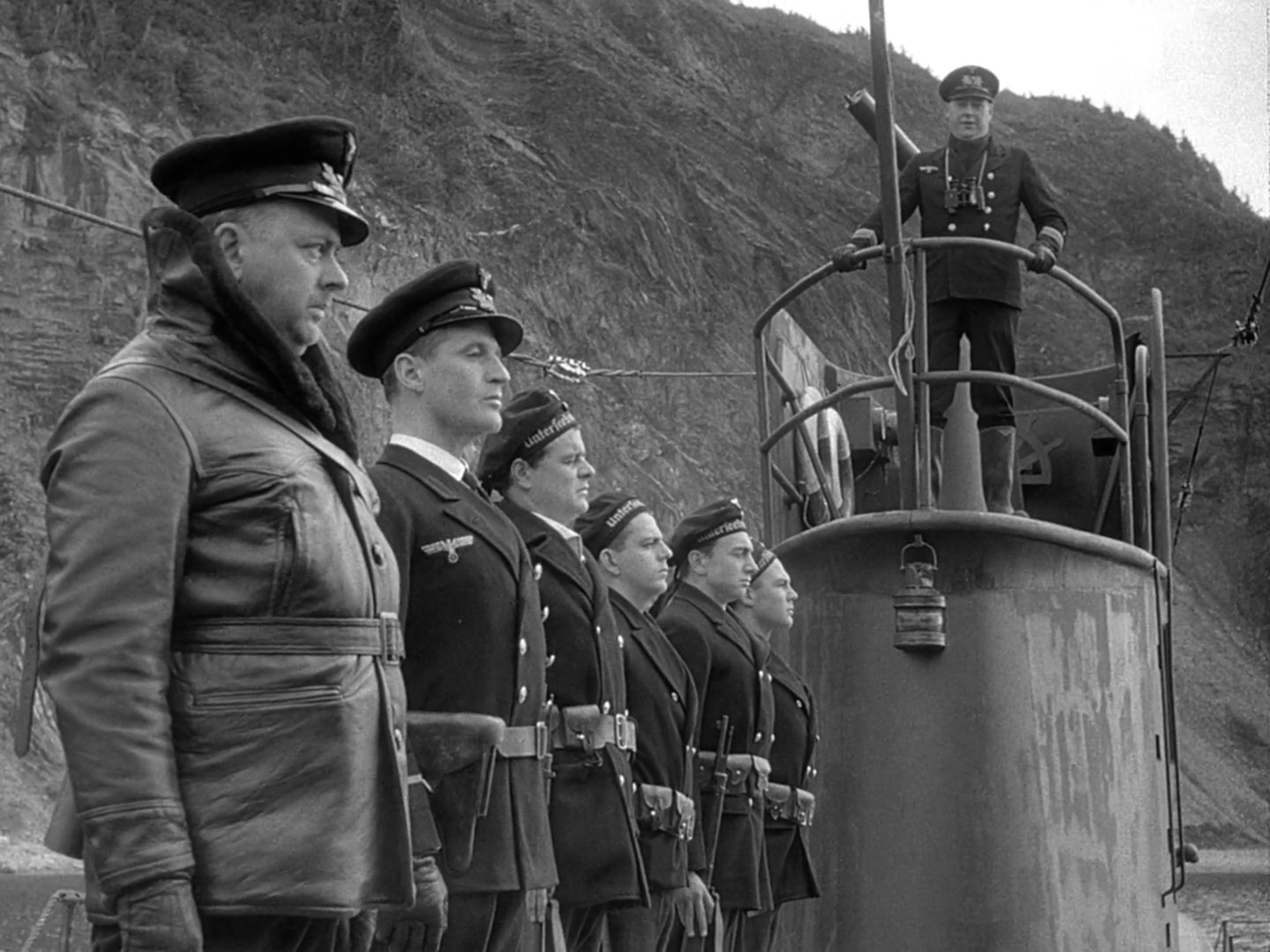
It takes a communal sense of justice, democracy, and moral fortitude among the everyday civilians of 49th Parallel to not only pick off the six Nazi fugitives who have been stranded in Canada, but also to thoroughly undermine the hateful ideology which they represent, as Michael Powell’s wartime fable spurs the western world to make a stand against fascism with egalitarian pride.

Challengers (2024)

Tennis may be a relationship according to the grand metaphor of Challengers, though by exploring the complicated entanglement of love, lust, and loathing between three rivals, Luca Guadagnino uncovers an even more sensual desire for intimate connection that can only be found in the midst of heated competition.

Civil War (2024)

It is necessary for any photojournalist to maintain a level of remote objectivity in the face of visceral trauma, and yet as Alex Garland sets media crew on a gruelling odyssey across a dystopian, divided America in Civil War, it seems that the camera lens is but a fragile filter keeping them from total psychological collapse.

Scroll to Top