Film Review

Saraband (2003)

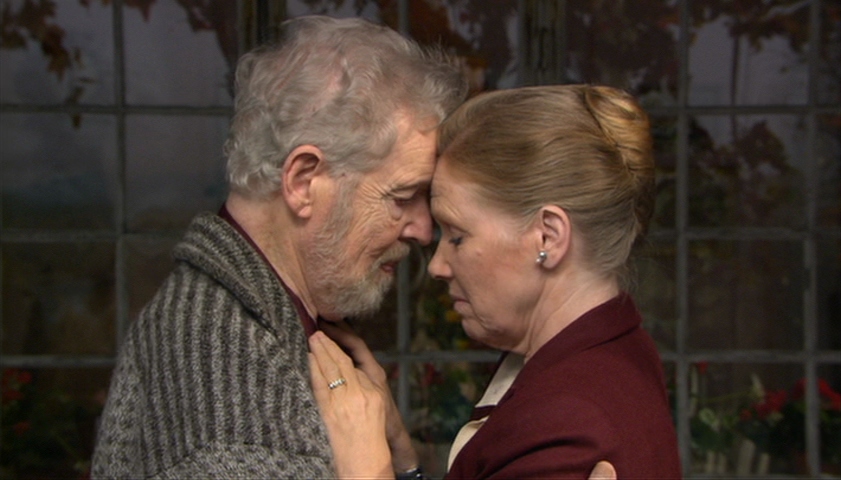
Ingmar Bergman’s contemplations of regret and old age in Saraband are far more grounded in his firsthand experiences than ever before, as his final film reunites the ex-lovers from Scenes from a Marriage to consider the echoes of family trauma throughout generations, and finds a soothing, spiritual peace in the act of reminiscence.

After the Rehearsal (1984)

The stage is a place of deep meditation for theatre director Henrik in After the Rehearsal, letting memories of past and future relationships manifest with a subtle, time-shifting surrealism, and seeing Ingmar Bergman’s nostalgic humility take eloquent form as he looks back on his career.

Duelle (1976)

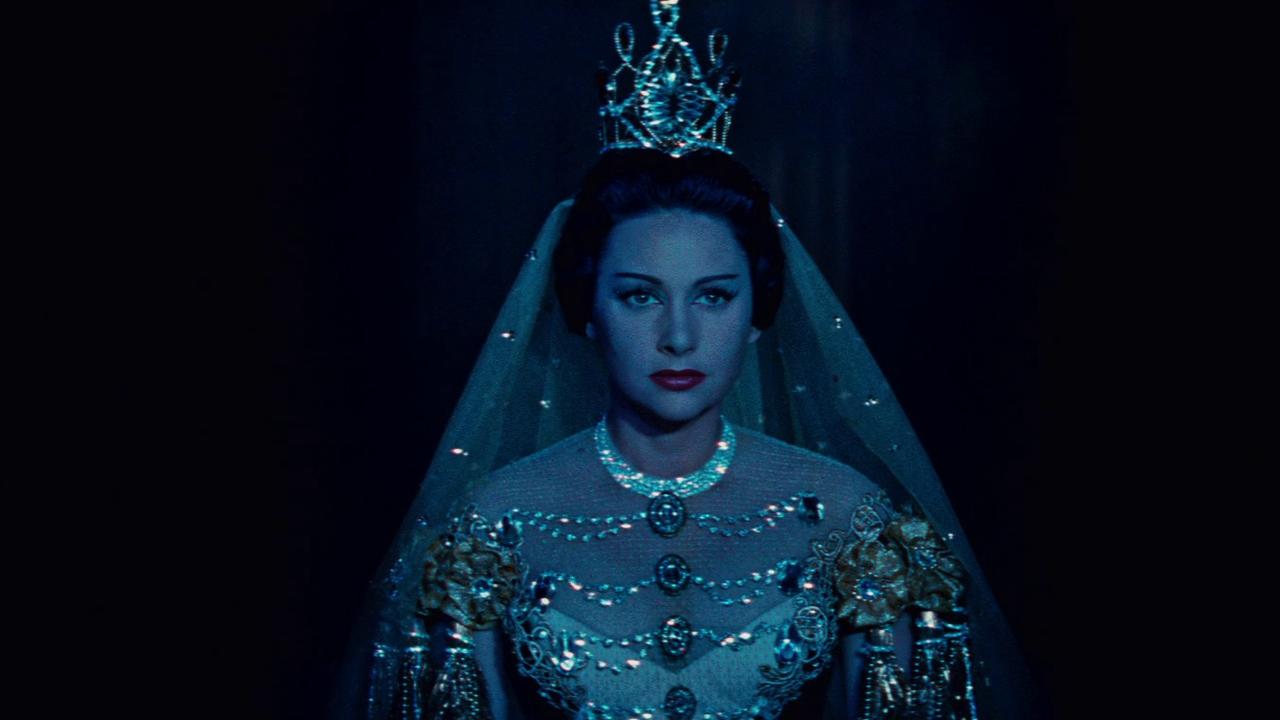
It wouldn’t be hard to believe that each location in Duelle is interconnected within some giant, labyrinthine complex, entangling its mortal characters in a phantasmagorical web of manipulation set up by two warring goddesses, while Jacques Rivette’s obscure narrative uncovers the intransient magic simmering beneath the most ordinary corners of modern society.

Umberto D. (1952)

While post-war Rome crumbles in Umberto D., Vittorio de Sica interrogates the isolating shame of poverty through the trials of one elderly pensioner, confronting the bleak realities of homelessness within an urban landscape of rich cultural history and cold, harsh discomfort.

Fanny and Alexander (1982)

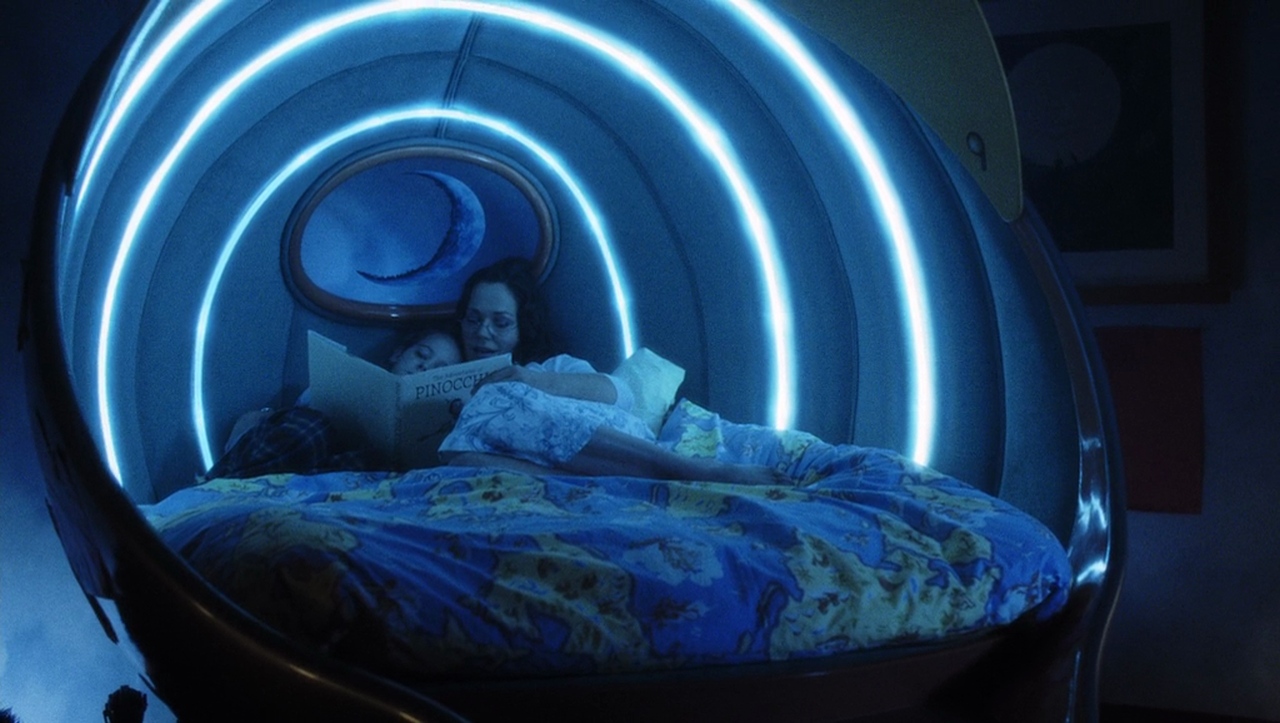
The vivid imagination of Ingmar Bergman’s young protagonist in Fanny and Alexander is as enchanting as it is frighteningly dangerous, expressing itself through vibrantly festive mise-en-scène and impressionistic supernatural visions, and forming the basis of a deeply sentimental rumination on childhood wonder, trauma, and grief.

Our Hospitality (1923)

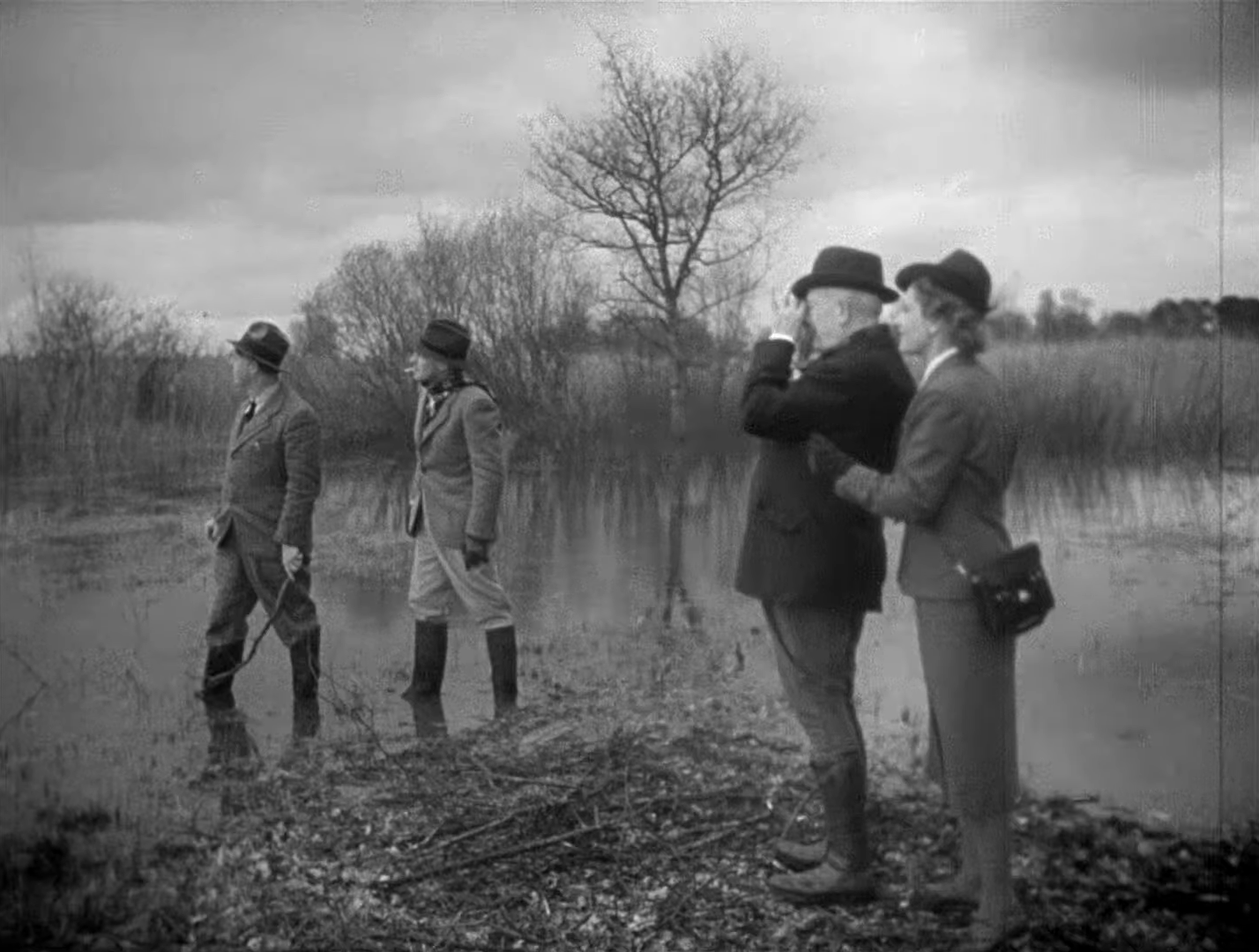
If there is anything that will save Buster Keaton’s stone-faced romantic from the violent family feud in Our Hospitality, then it is the amusing code of honour that ironically grants him sanctuary in the home of those who wish to kill him most, setting up a series of hilarious misadventures that erupt into bold, death-defying stunts.

From the Life of the Marionettes (1980)

Ingmar Bergman has long considered the fragile minds that lurk beneath mild personas, but From the Life of the Marionettes is easily his most violent rupturing of that veil, seeking whatever psychological reason lies at the source of one murderous outburst by piecing together fragments of the preceding and subsequent months.

A Haunting in Venice (2023)

As flamboyant detective Hercule Poirot is drawn into a murder mystery of mediums, seances, and vengeful ghosts in A Haunting in Venice, the foundations of his hardened logic are confronted with chilling visions of the impossible, effectively imbuing Kenneth Branagh’s adaptation of Agatha Christie with a Gothic horror that complicates our search for rational truth.

Past Lives (2023)

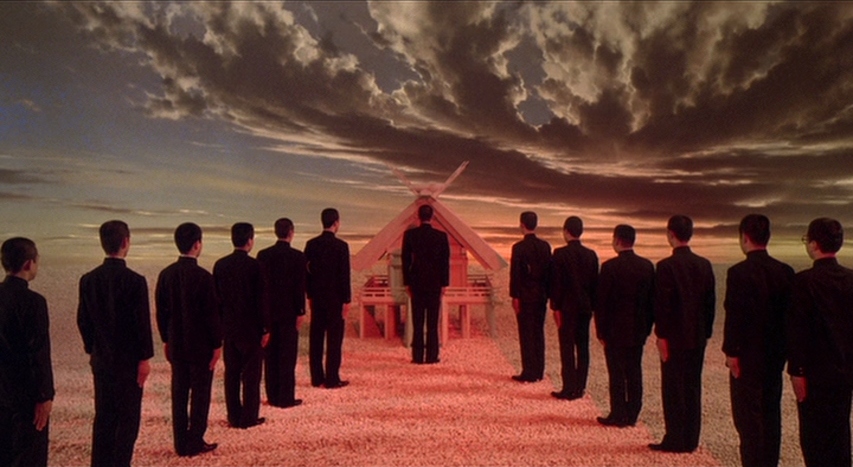
The bittersweet romanticism of Past Lives flourishes in the sweet ambiguity between a Korean immigrant and her childhood sweetheart, weaving its metaphysical understanding of reincarnation through a triadic structure that intersects their paths every twelve years, and seeing the possibilities of their undefined love become infinite.

White Dog (1982)

That Samuel Fuller deftly imbues White Dog’s allegory for racist indoctrination with all the tension of a pulpy horror film makes for an extraordinarily creative triumph, framing the titular animal as a two-sided monster as sweetly innocent as it is violently prejudiced, and thoughtfully questioning whether such deep-rooted conditioning can ever be separated from its instinctive nature.

Scroll to Top