
-
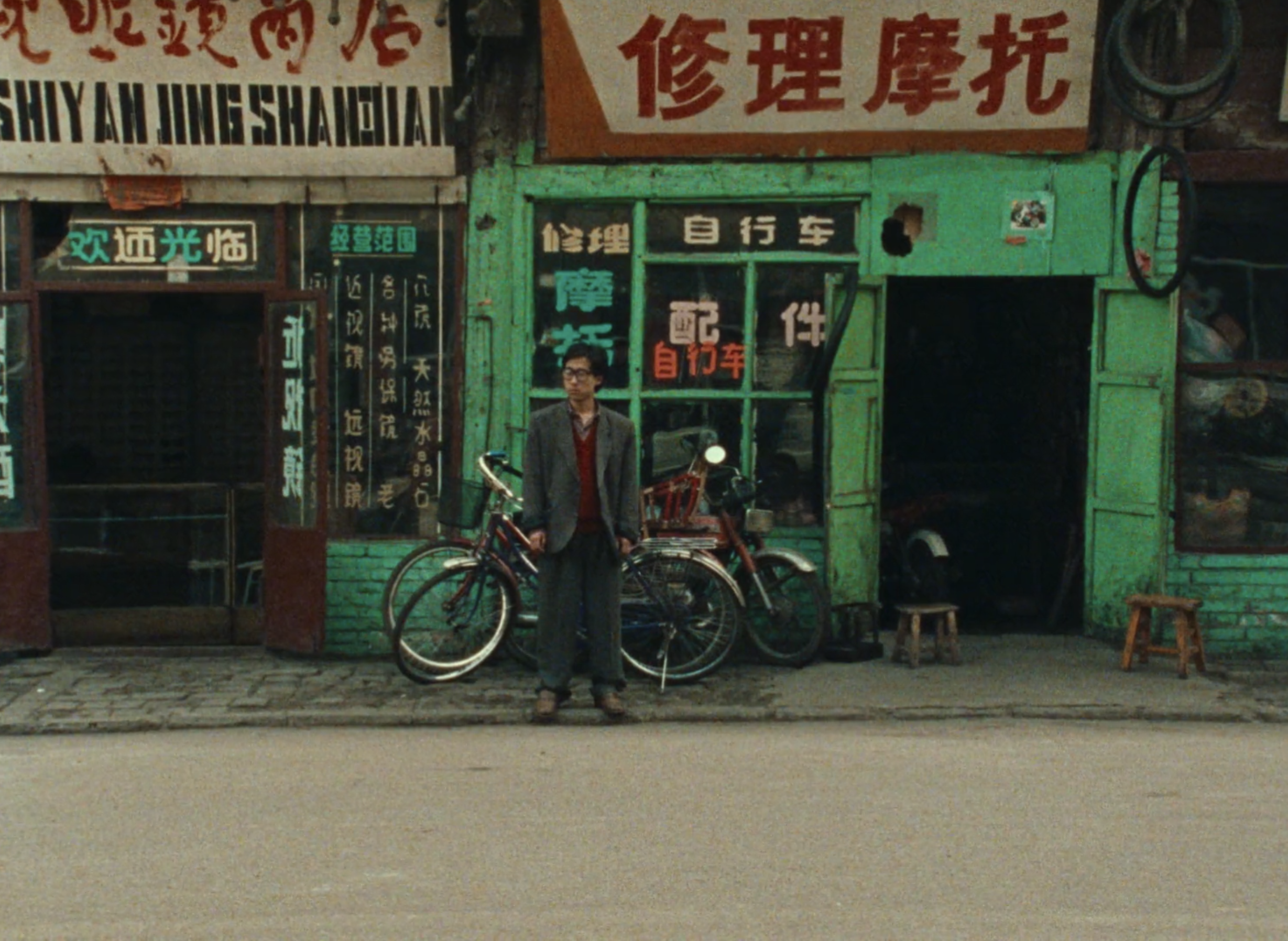
Xiao Wu (1997)
Taking rich inspiration from the Italian neorealists who preceded him by roughly fifty years, Jia Zhangke turns his camera to the streets of a provincial Chinese town during a particularly harsh crackdown on crime, tracking pickpocket Xiao Wu through a shifting culture that he no longer recognises.
-
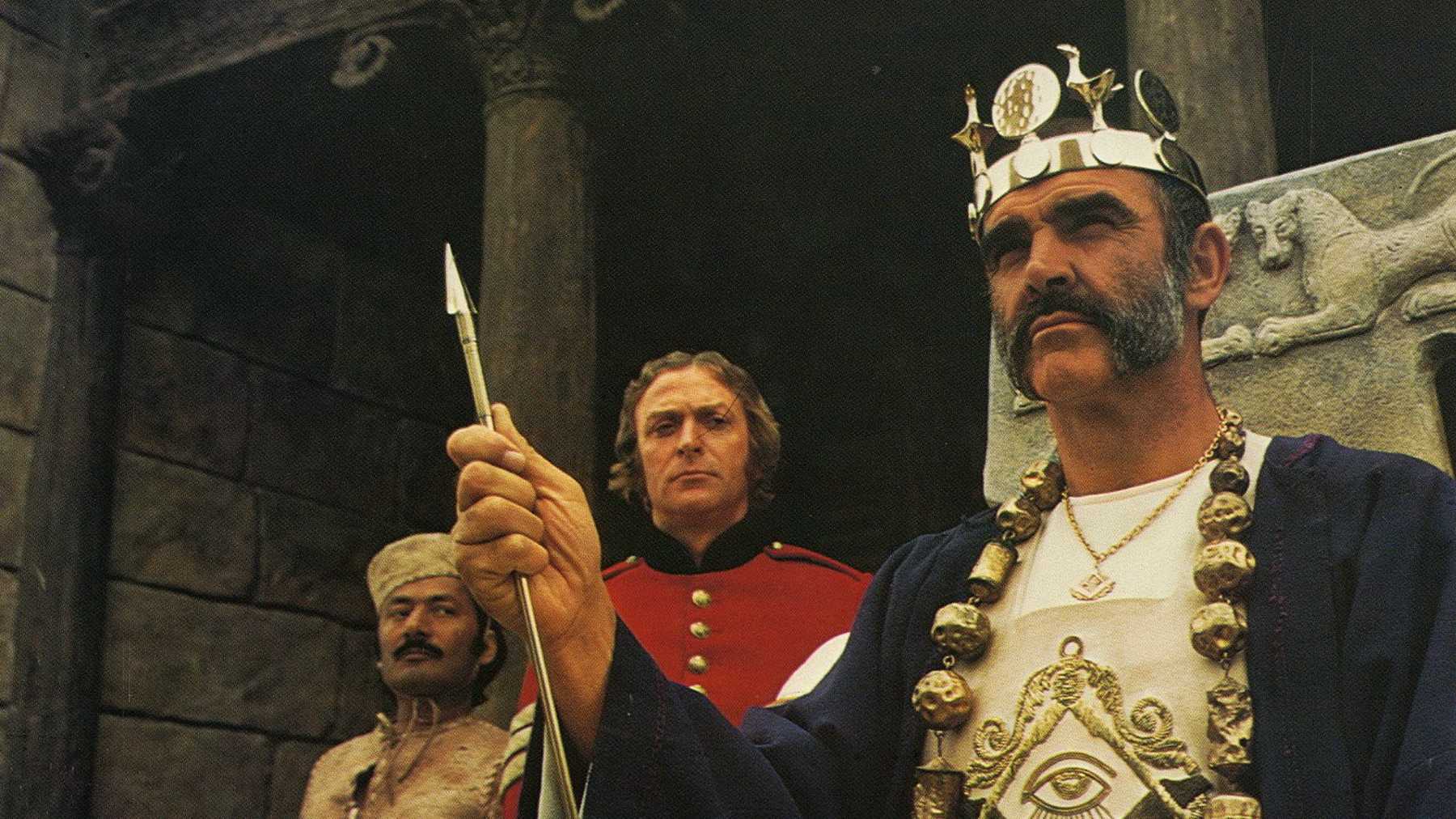
The Man Who Would Be King (1975)
The greed of men has often been a preoccupation of John Huston throughout his career, but never has expanded it to the spectacular, godlike proportions we witness here in The Man Who Would Be King, which sets a rollicking adventure against an epic historical backdrop of nationalistic British imperialism.
-
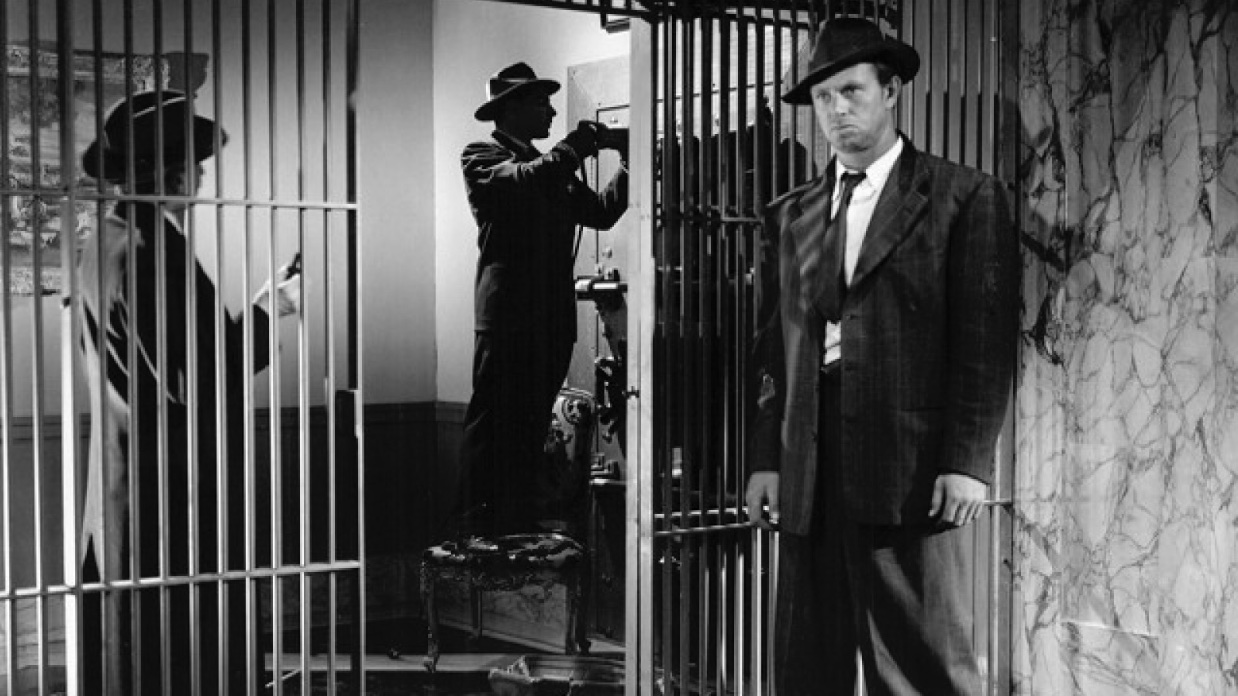
The Asphalt Jungle (1950)
Beyond its inexorable influence upon every heist movie from this point on, John Huston’s film noir The Asphalt Jungle sets a perfectionistic standard of plotting that has rarely been topped in the genre, following the exploits and comeuppance of a skilled gang of crooks destined to fail by nature of their own inevitable flaws and…
-
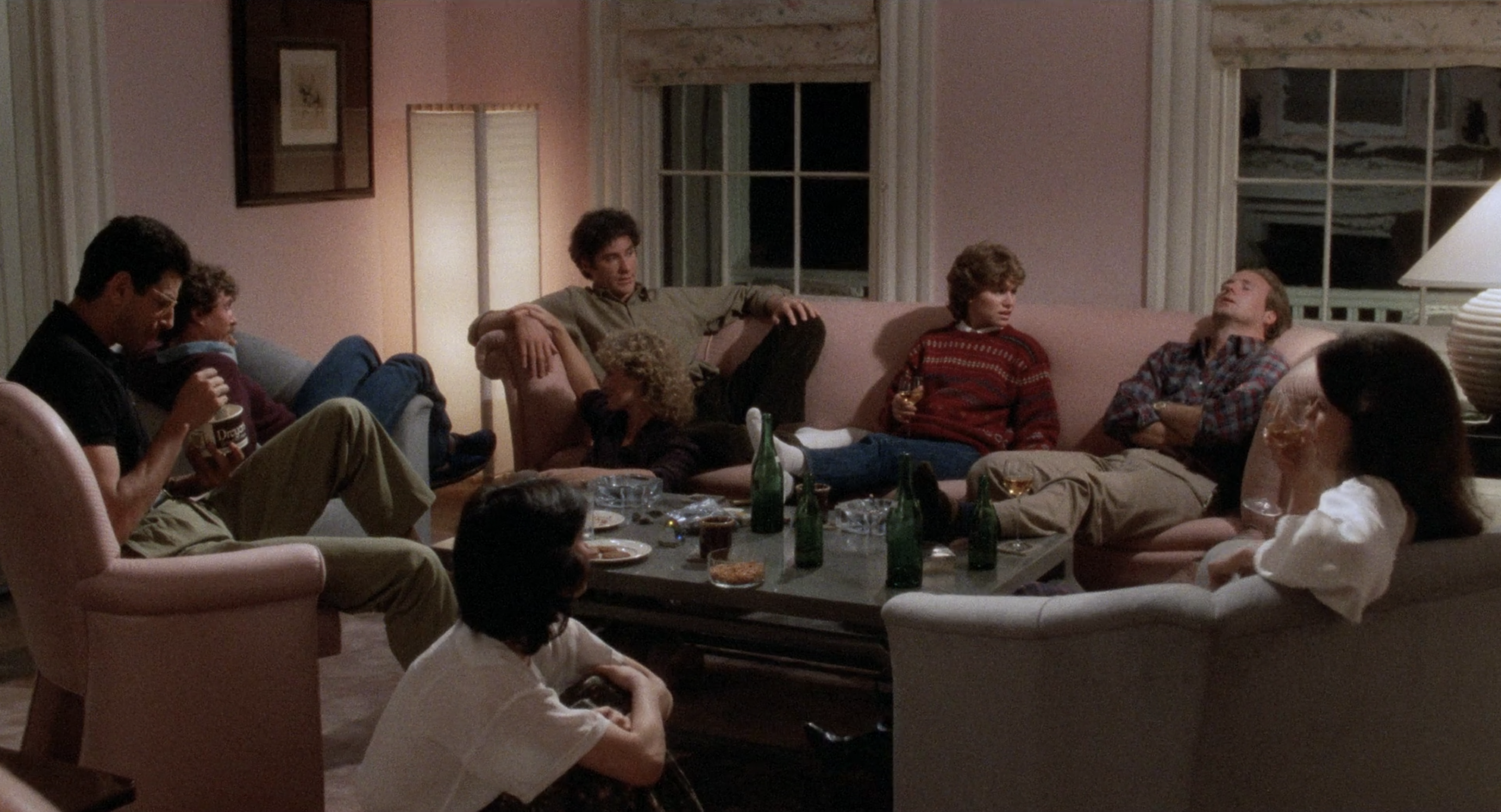
The Big Chill (1983)
A great achievement in screenwriting for Lawrence Kasdan, The Big Chill is his comical but touching ode to the lost idealism of the Baby Boomers living in Reagan’s America.
-
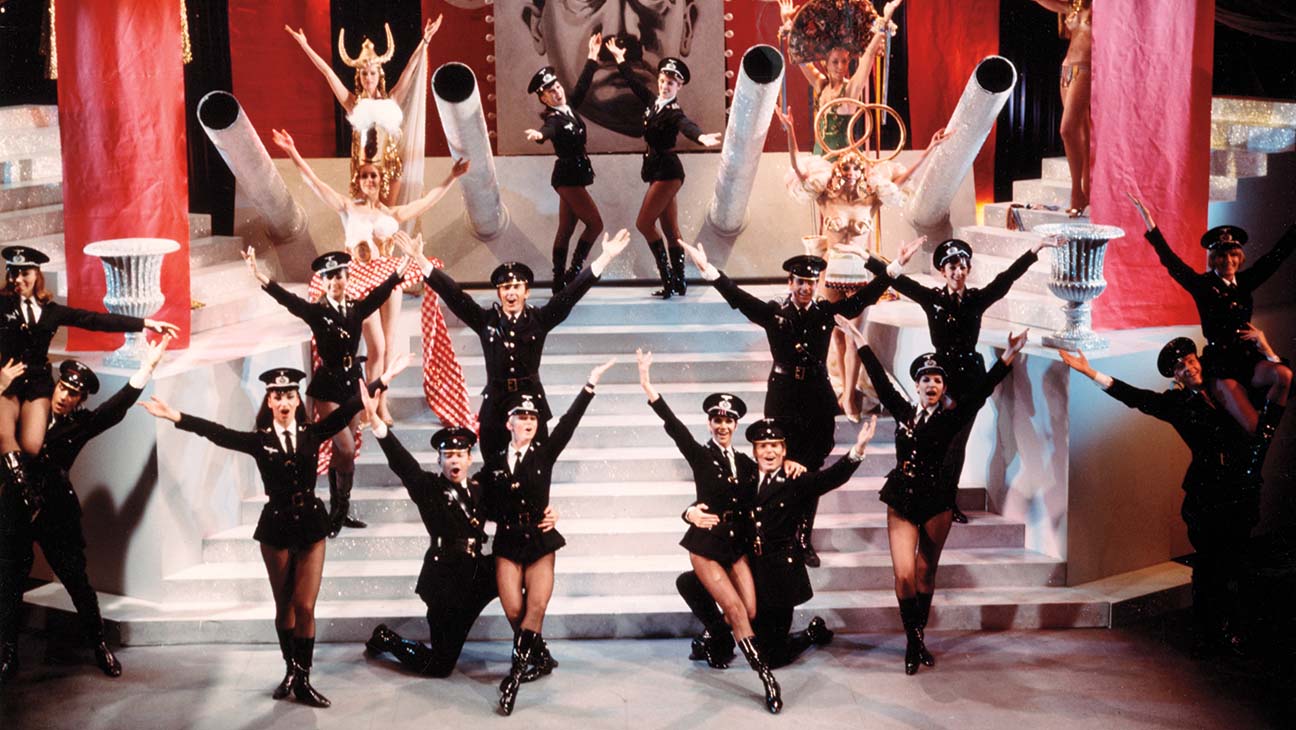
The Producers (1967)
Mel Brooks’ irreverent satire of the entertainment industry’s grotesque exploitations wastes no time in zooming from one plot point to the next like a Marx Brothers routine, using the great comedic talents of Gene Wilder and Zero Mostel to not just match his brisk pace, but to push it even further.