
-
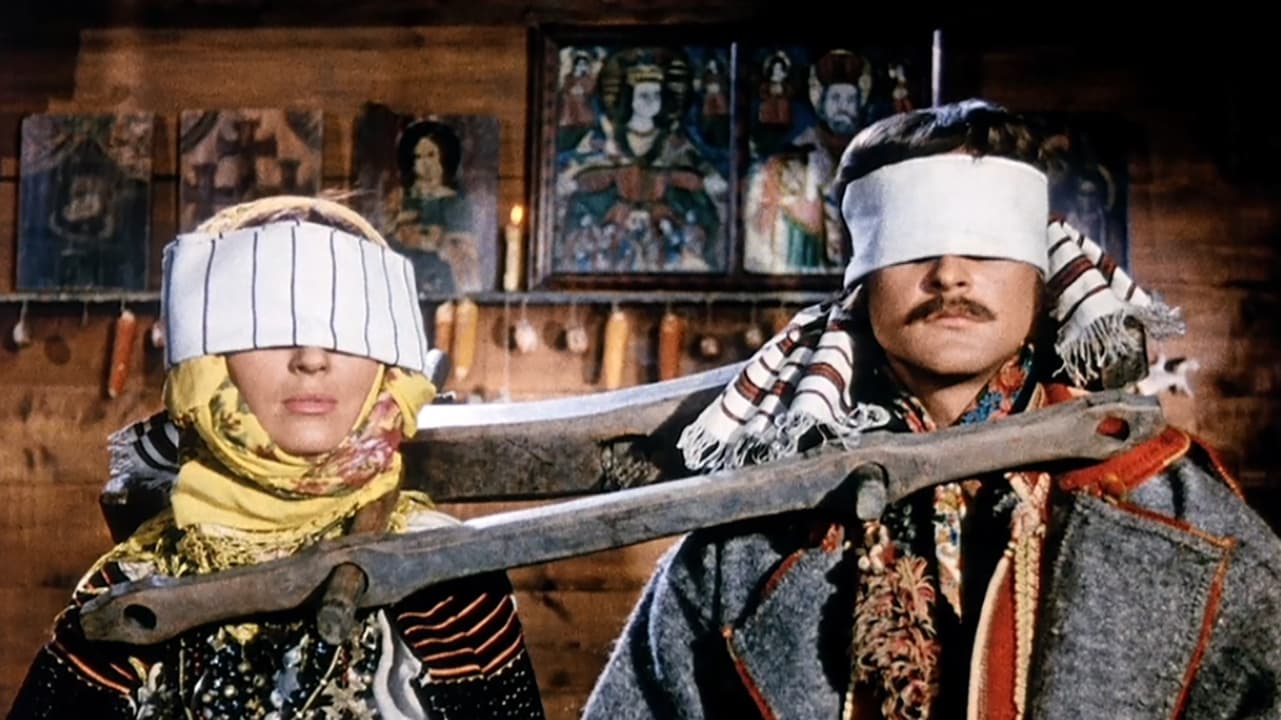
Shadows of Forgotten Ancestors (1965)
In setting up a formal clash between his brazen stylistic experiments and the stagnant setting of a traditional Ukrainian village, Sergei Parajanov pushes the focus of Shadows of Forgotten Ancestors past this narrow-minded society and towards the haunting mysticism which lies both beyond its boundaries and within its own characters.
-

Raw (2016)
The awkward transition of learning to live with uncomfortable changes in one’s psychological state is always lurking within the subtext of Raw, but Ducournau’s ability to bring formal complexity in drawing out the visceral body horror of female sexuality makes for a confronting descent into parts of the human mind that are entirely untameable.
-
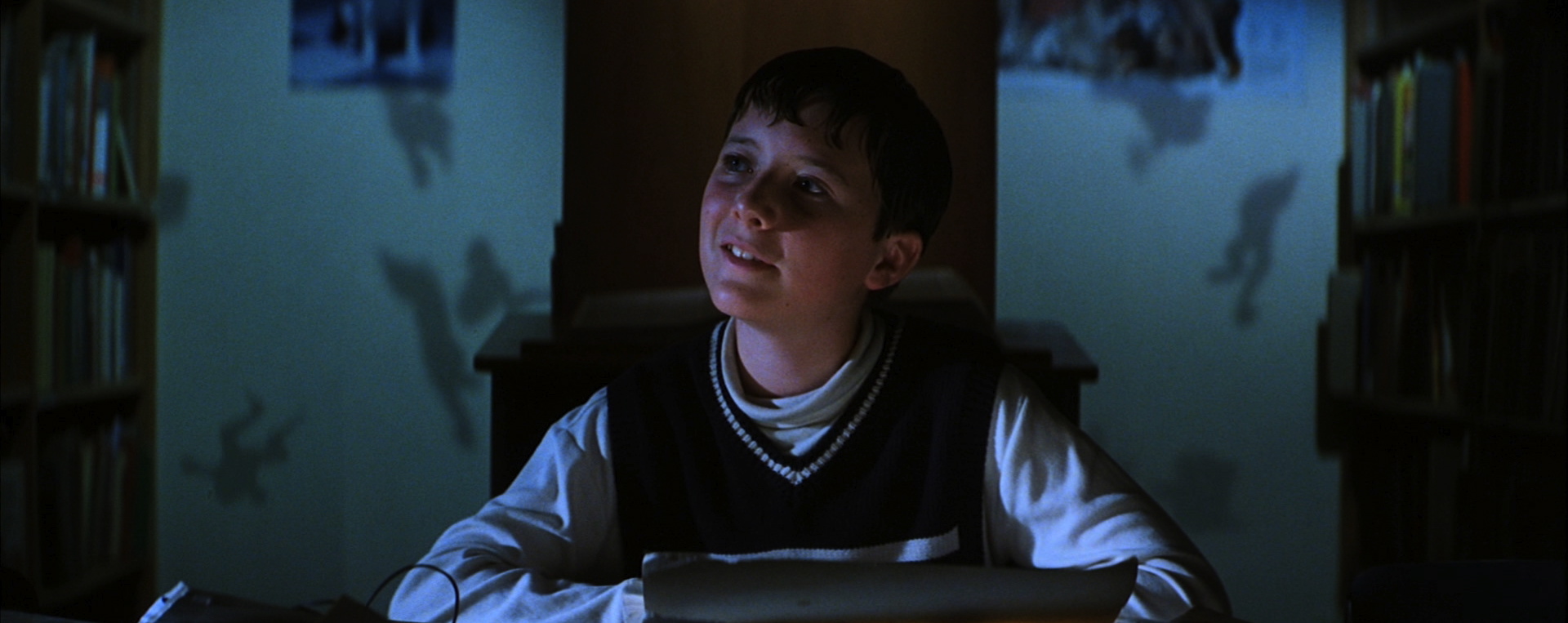
Magnolia (1999)
Through its epic scale and high-wire, multilinear structure, Magnolia binds its sprawling ensemble of characters under a series of escalating coincidences, marking a great formal achievement in metaphysical filmmaking for a 28-year-old Paul Thomas Anderson.
-
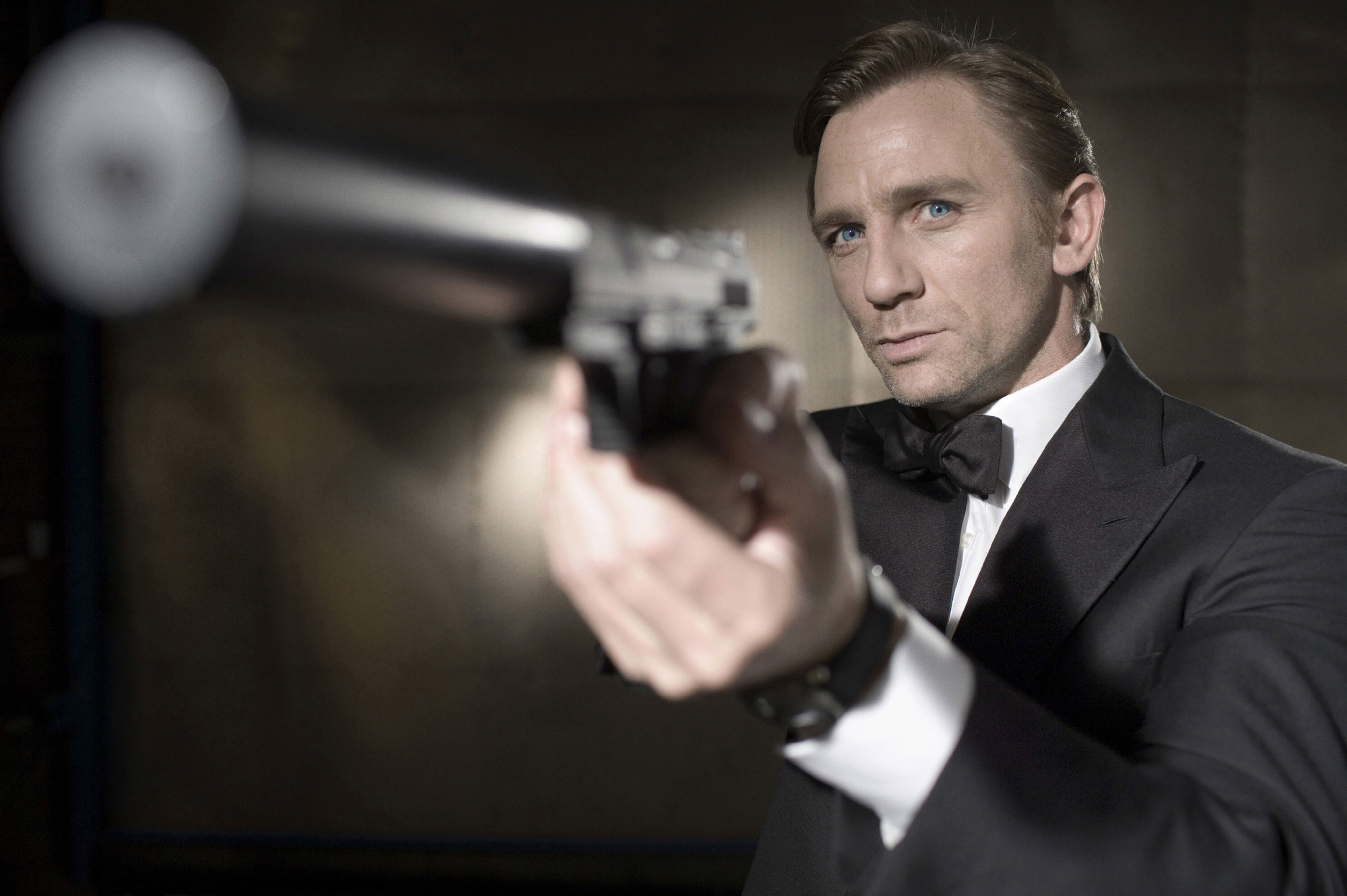
Casino Royale (2006)
Martin Campbell’s masterfully efficient set pieces paired with Daniel Craig’s complex performance of a man fighting with his ego thrillingly rejuvenates this classic archetype of British film, and together hold Casino Royale up as a remarkable piece of character-driven, action cinema.
-

The Neon Demon (2016)
In turning his provocative, neon-tinted stylings to Hollywood’s cutthroat fashion industry in The Neon Demon, Nicolas Winding Refn quite literally puts his cast of models and actors under the knife, carving out a hellish underworld of cannibalistic cultism kept hidden behind a façade of attractiveness.