-
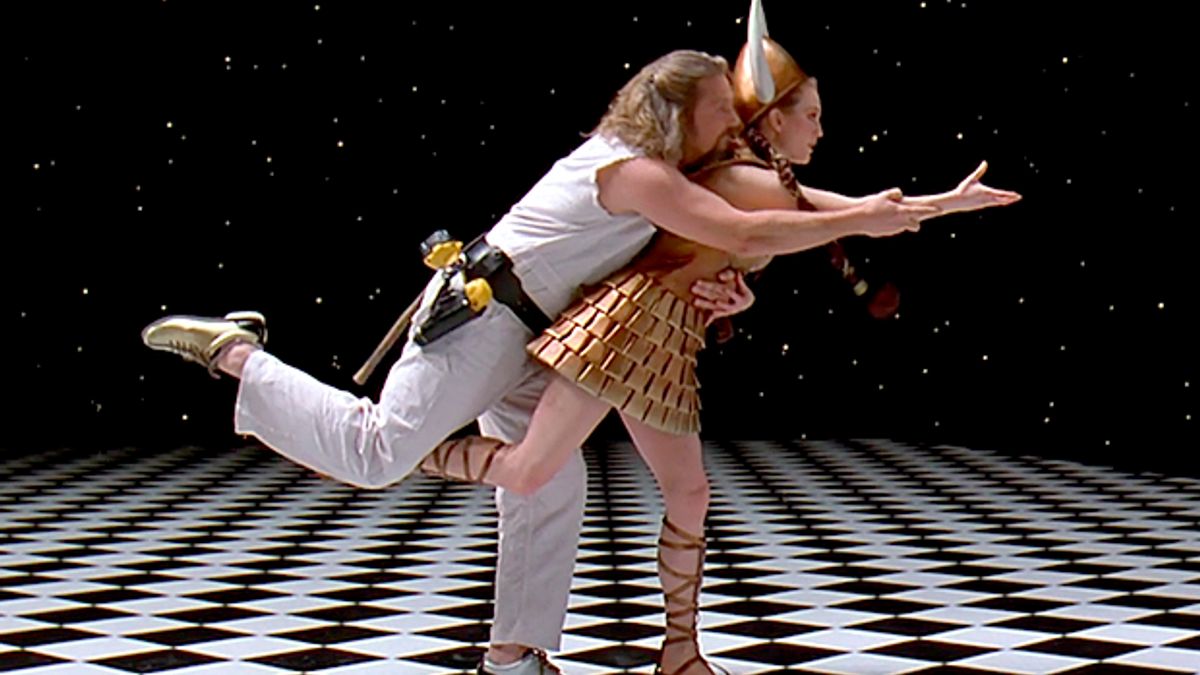
The Big Lebowski (1998)
Where one might expect to find an intelligent, sharply-dressed detective at the centre of this neo-noir, the Coen Brothers instead give us the opposite – a bearded man dressed in sandals, baggy shorts, and a robe, stuck in the hippie movement that has long since grown out of fashion. In the world of The Big…
-
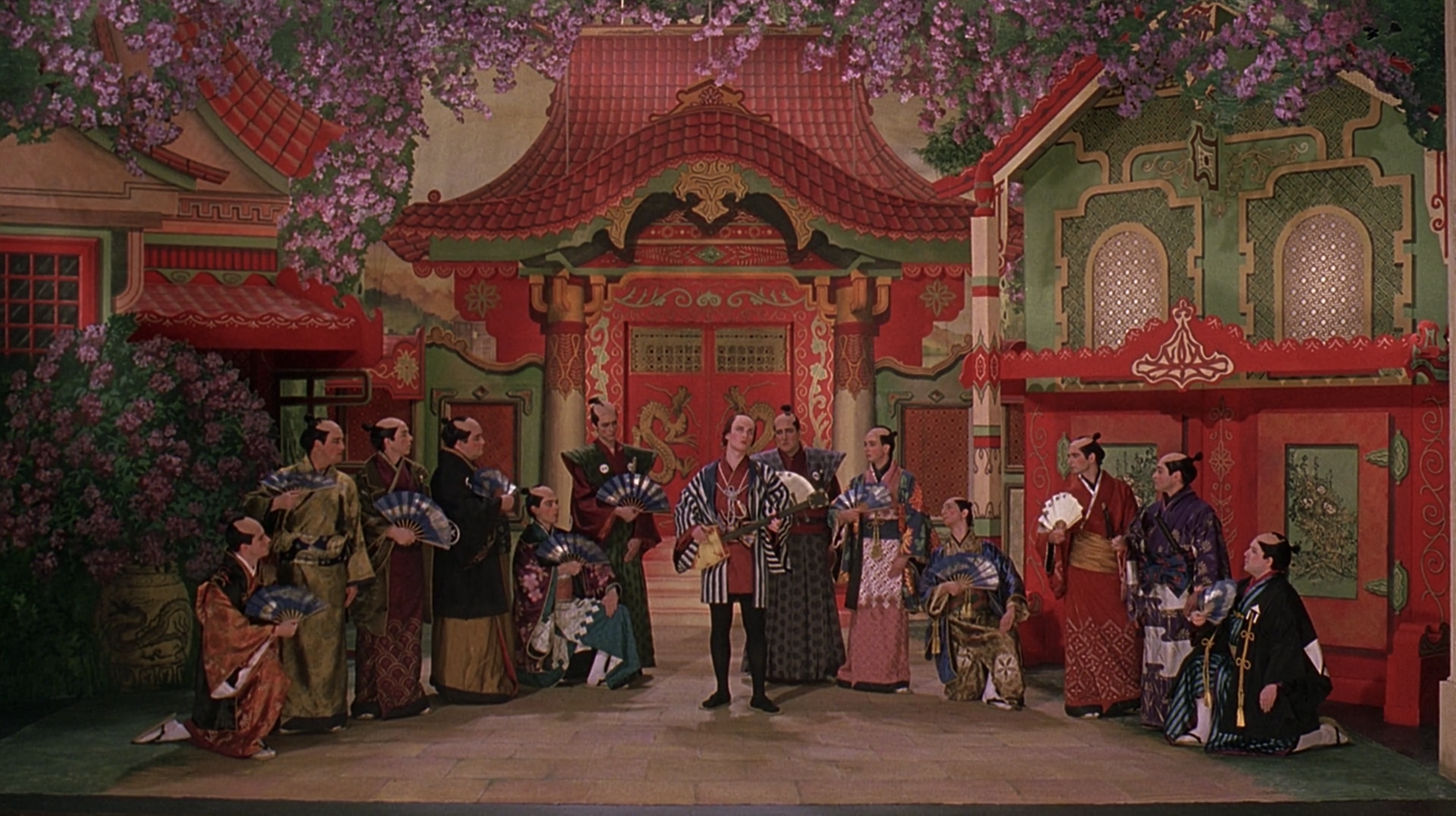
Topsy-Turvy (1999)
The partnership of Gilbert & Sullivan becomes a rich historical canvas upon which Mike Leigh grafts reflections of his own creative processes in Topsy-Turvy, and yet in its gloriously lavish interiors and the depth of the ensemble’s great talents, it also becomes an ode to those artists who can put aside their egos to share…
-
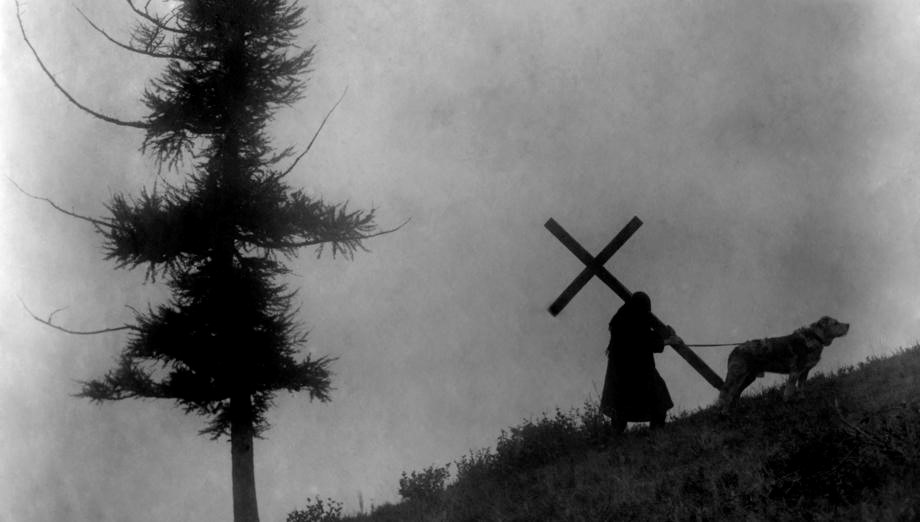
La Roue (1923)
In drawing on the philosophies of his literary idols, Abel Gance crafts a breath-taking piece of epic cinematic poetry in La Roue, breaking the shackles of conventional silent filmmaking to explore the weight of obsession, guilt, love, and death on a man’s conscience over the course of his mortal life.
-
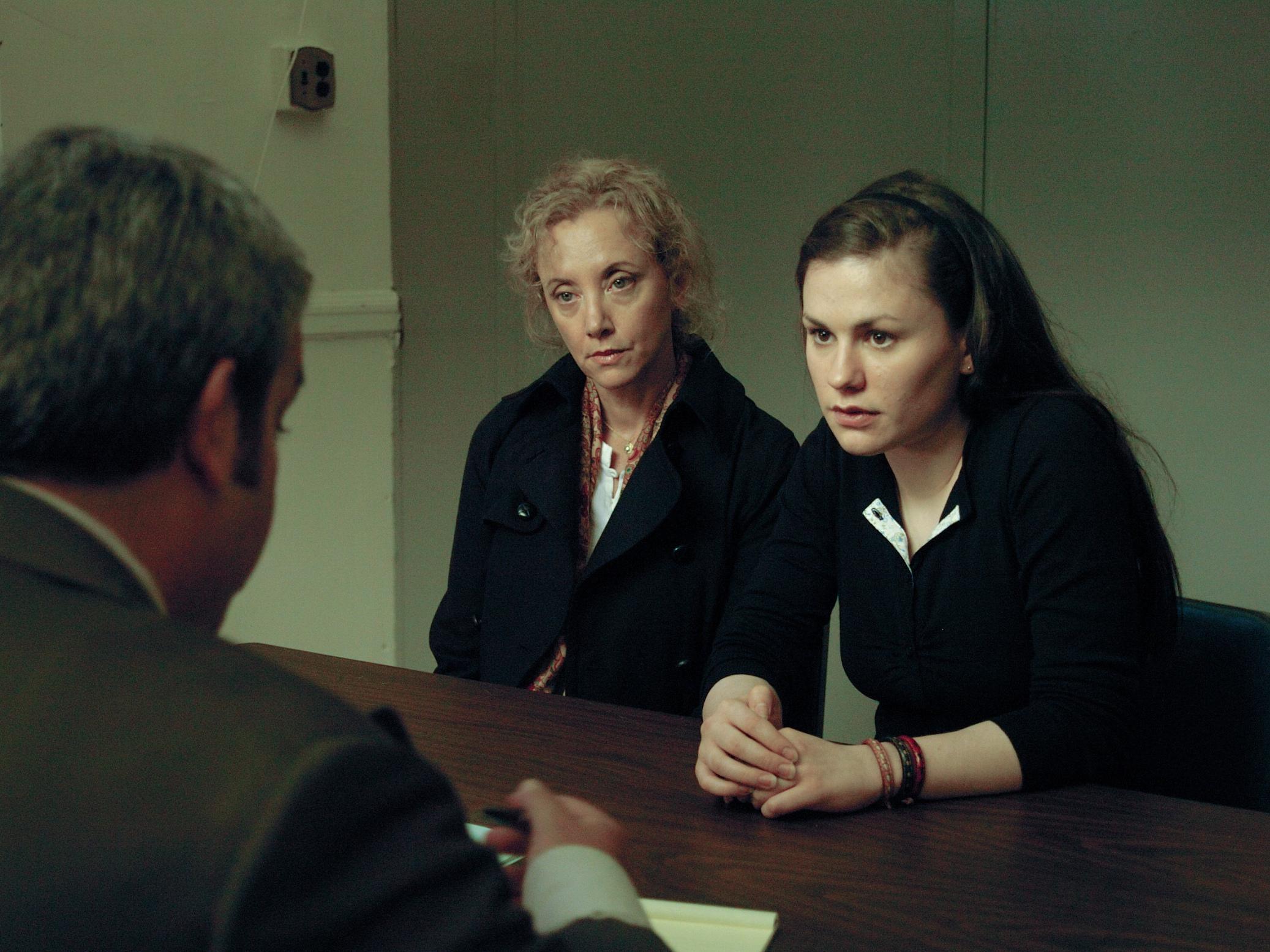
Margaret (2011)
Beneath the epic weight of Margaret’s three-hour runtime, Kenneth Lonergan’s rich, operatic character drama holds strong, using a layered emotional journey of guilt and rage to speak directly to the specific kind of trauma that unified New Yorkers in the wake of 9/11.
-
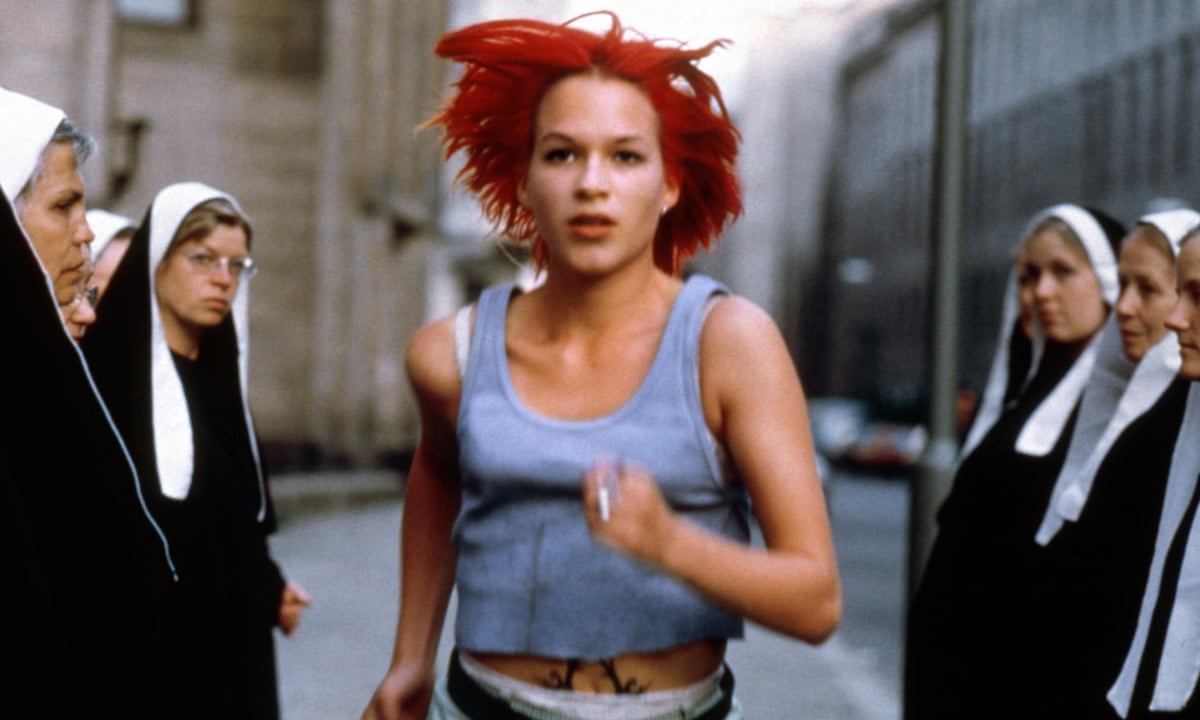
Run Lola Run (1998)
Run Lola Run is a showcase of remarkable rapid-fire editing and energetic camerawork, but just as compelling is Tom Twyker’s segmented formal structure, attacking questions of fatalism and free will across three alternate timelines of a single thrilling narrative.