
-
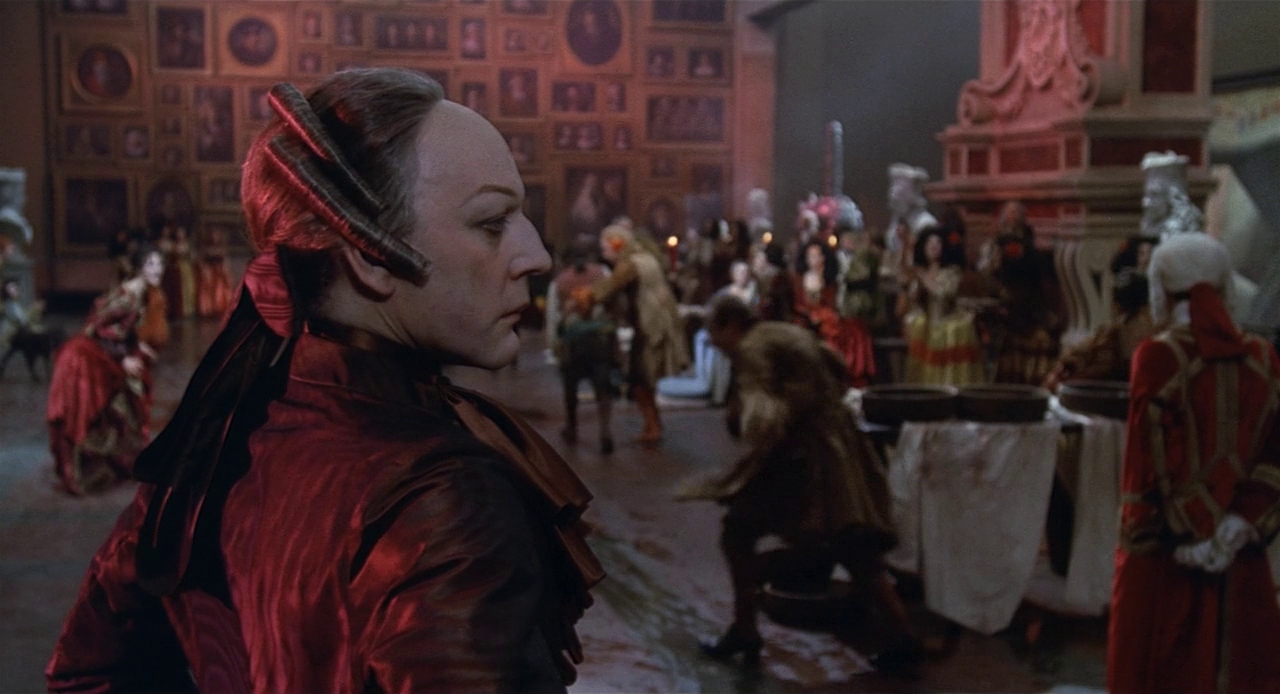
Fellini’s Casanova (1976)
Though based on the autobiography of the historical Venetian adventurer and his expansive voyage through 18th century Europe, Federico Fellini’s reimagining of Casanova’s life manifests with demented surrealism, trapping this lonely man in cycles of absurd carnal exploits fuelled by a profound, existential emptiness.
-

Hit Man (2023)
Dweeby college professor Gary relishes the challenge of posing as fake assassins for police sting operations in Hit Man, though beneath the darkly comic romance he strikes up with a client, Richard Linklater applies a macabre, psychoanalytic lens to false constructs of self-image and identity.
-
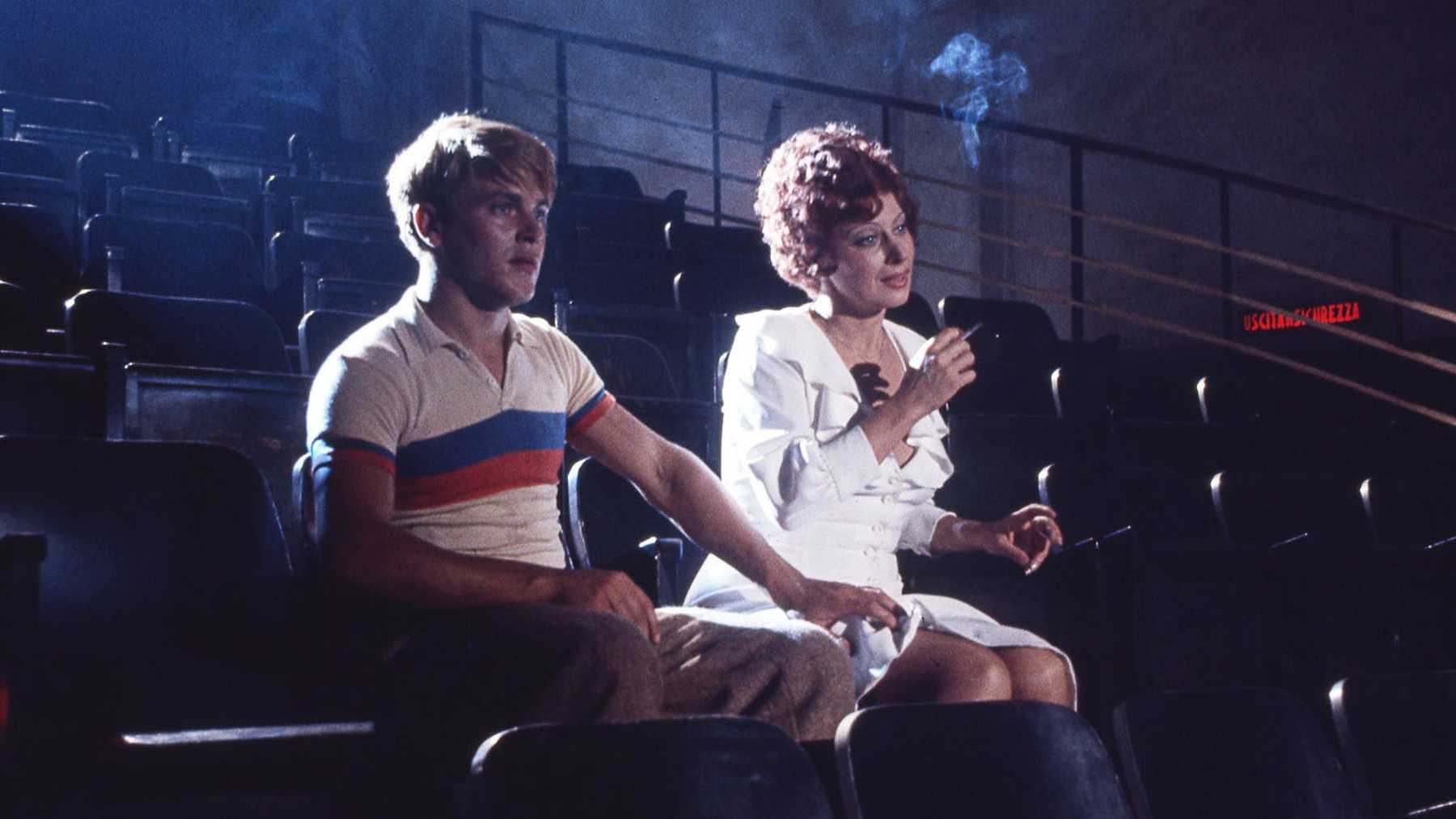
Amarcord (1973)
The year that passes over the course of Amarcord is not bound by straightforward plot convention, and yet each vignette takes its place in the whimsical portrait of 1930s Italy that Federico Fellini sentimentally models after his hometown, slipping into dreams of oppressive evils and boundless joys with careless, nostalgic abandon.
-

A Quiet Place: Day One (2024)
Michael Sarnoski’s reframing of A Quiet Place’s extra-terrestrial threat is conducted with impressive deftness in this prequel, developing an allegory for terminal illness that savours the joys of being alive, even as the series’ formulaic set pieces begin to grow thin.
-
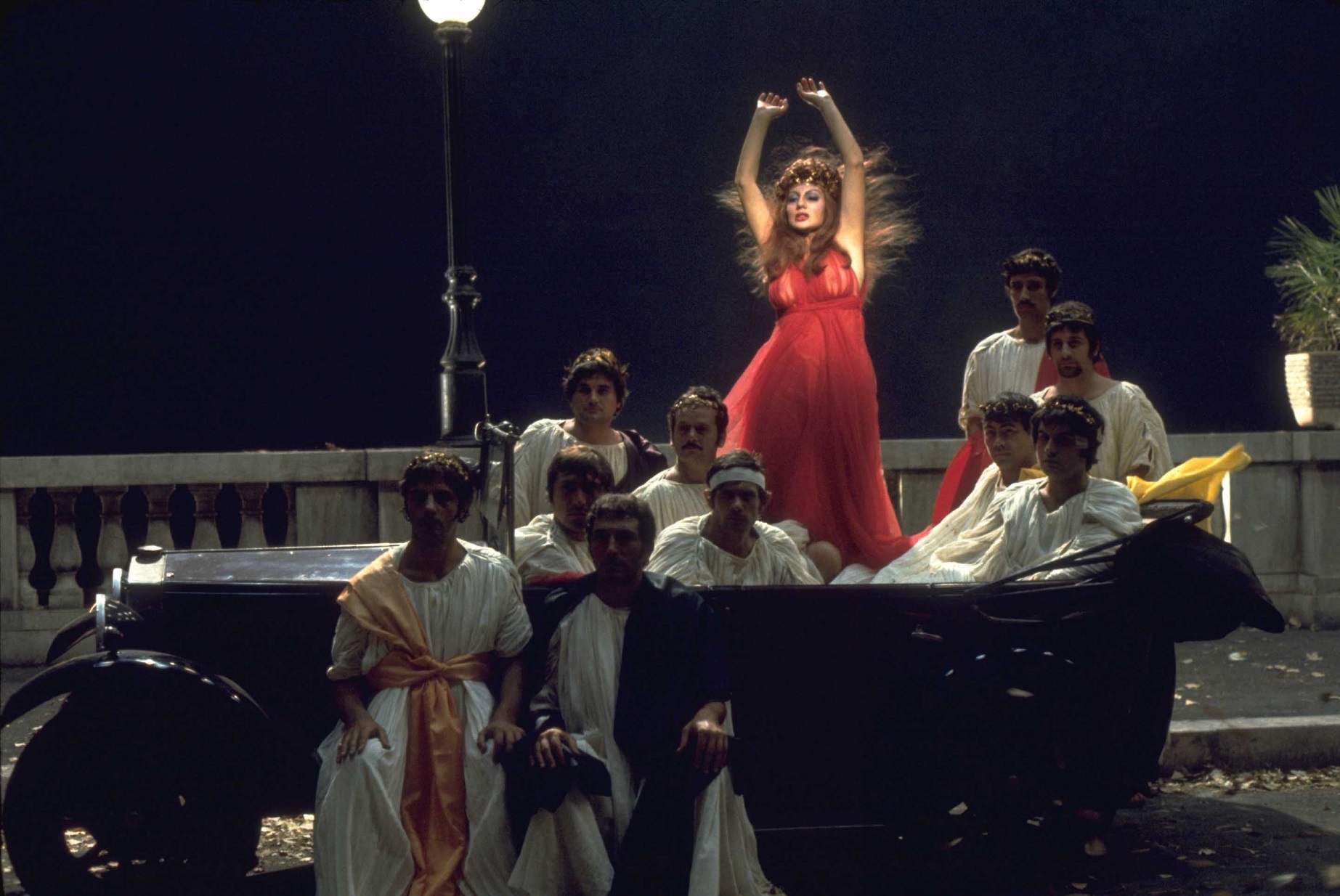
Fellini’s Roma (1972)
Federico Fellini’s Roma is not quite the familiar city we recognise from history books, but rather an absurd, contradictory landscape of rich impressionistic detail, filtering its vibrant culture, art, and politics through vignettes distorted by the wily incongruity of satire and memory.