
-
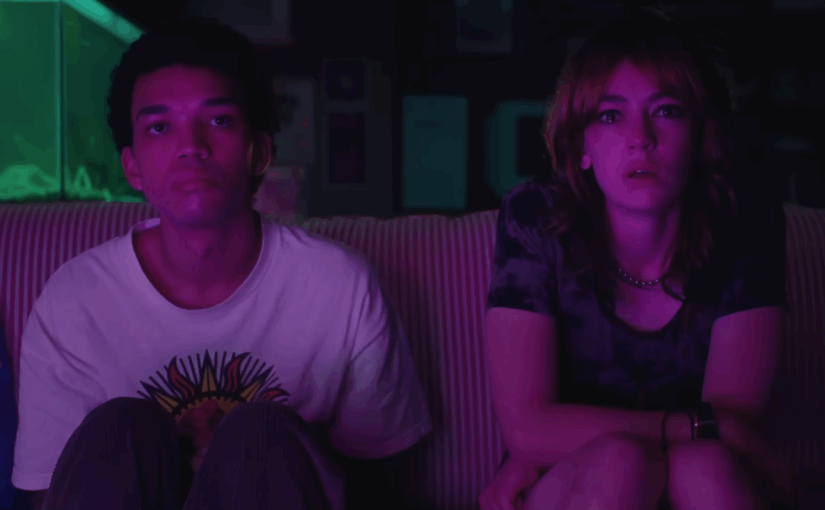
I Saw the TV Glow (2024)
The psychological horror of I Saw the TV Glow turns a discerning eye towards the false identities and duplicitous illusions thrust upon queer communities, as Jane Schoenbrun casts a surreal, Lynchian filter over the journey of two nostalgic outcasts searching for truth in their favourite childhood show.
-
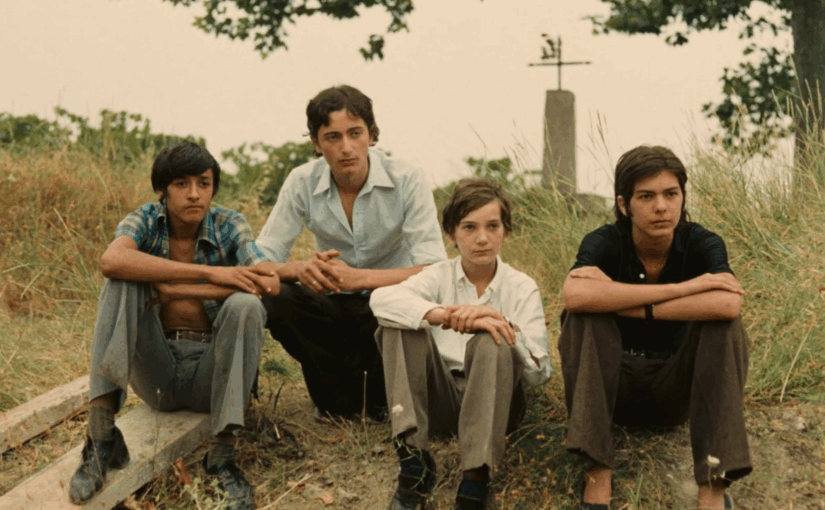
My Little Loves (1974)
The coming-of-age vignettes that make up My Little Loves do not depict particularly momentous occasions, yet it is in the mundane minutia of Daniel’s year away from home that his self-discovery unfolds, as Jean Eustache tenderly captures the whiplash of a lonely, confusing, yet stimulating adolescence.
-

Ripley (2024)
The question of what exactly constitutes a fraud is meticulously woven throughout Steven Zaillian’s monochrome study of a New York con artist in Ripley, witnessing his unscrupulous attempts to ascend the social ladder by way of identity theft and murder, even as his own amoral corruption threatens to sink him into a dark, suffocating abyss.
-
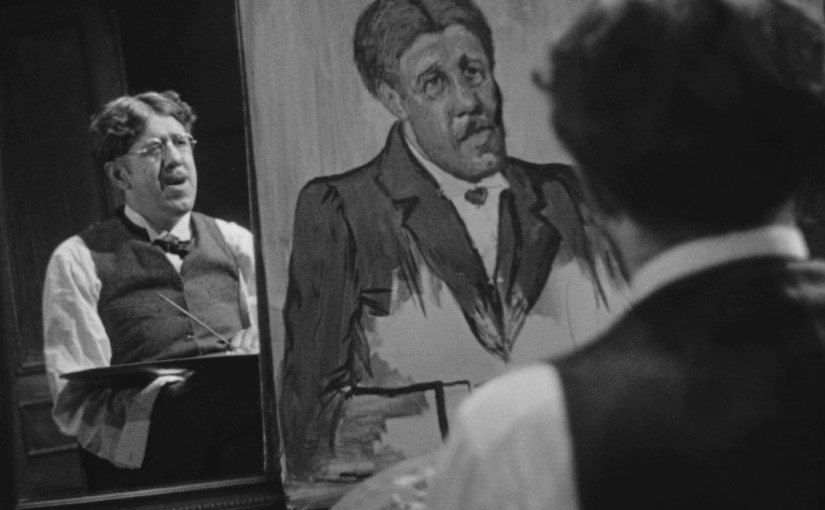
La Chienne (1931)
So tragically naïve is aspiring painter Maurice in La Chienne that Jean Renoir does not even let his demeaning fall from grace speak for itself, but rather frames this pitiful antihero as a mere puppet on life’s stage of poetic irony, weaving lyrical musings on romance and despair through his fated love triangle.
-
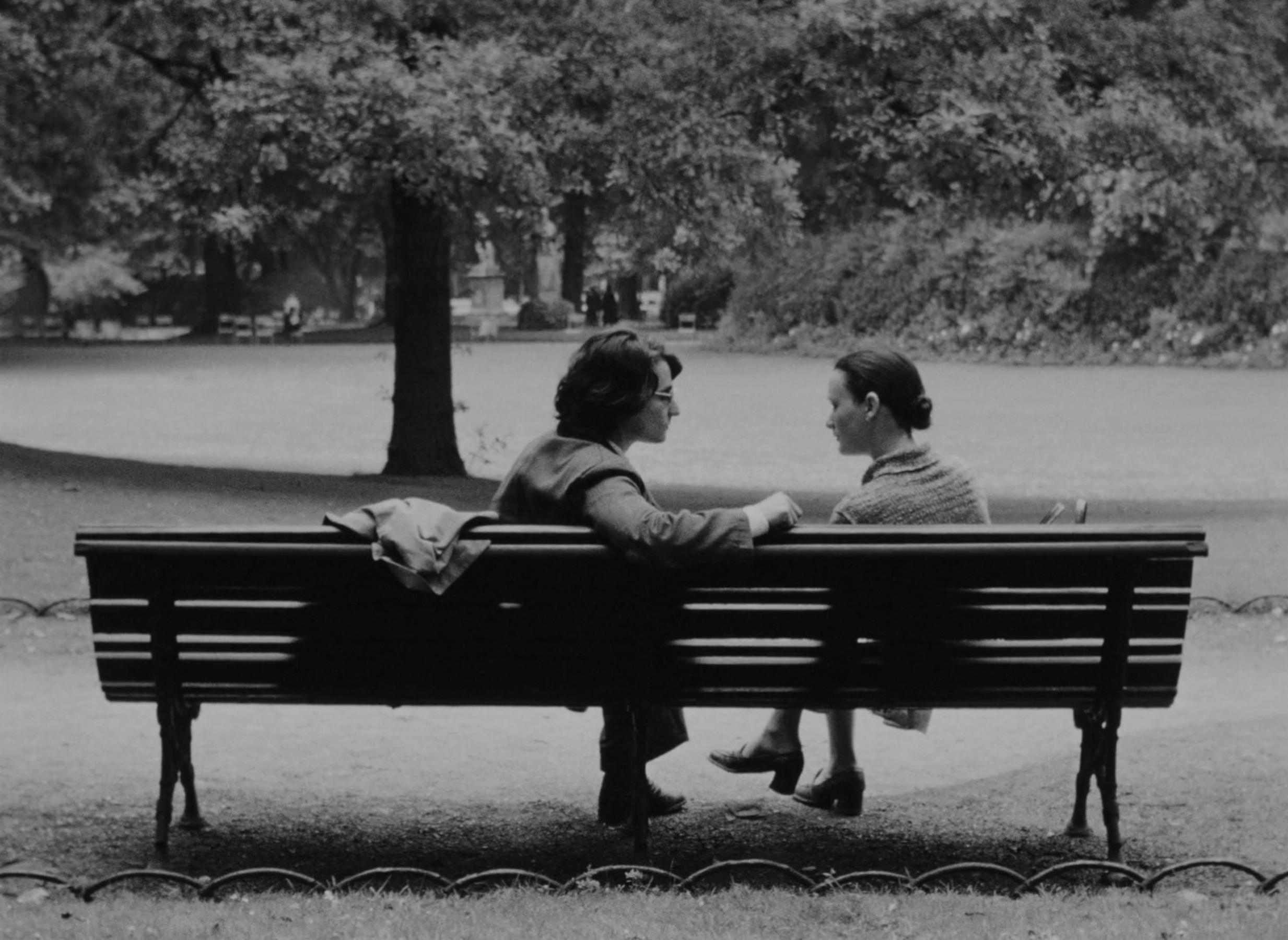
The Mother and the Whore (1973)
The infamous Madonna-whore complex is baked right into the title of Jean Eustache’s bleak treatise on juvenile masculinity, as The Mother and the Whore applies an intensive focus to a young narcissist’s thorny relationships with his long-term girlfriend, his secret lover, and the intellectual hypocrisy that underlies his infidelity.