Film Review

Black Panther (2018)

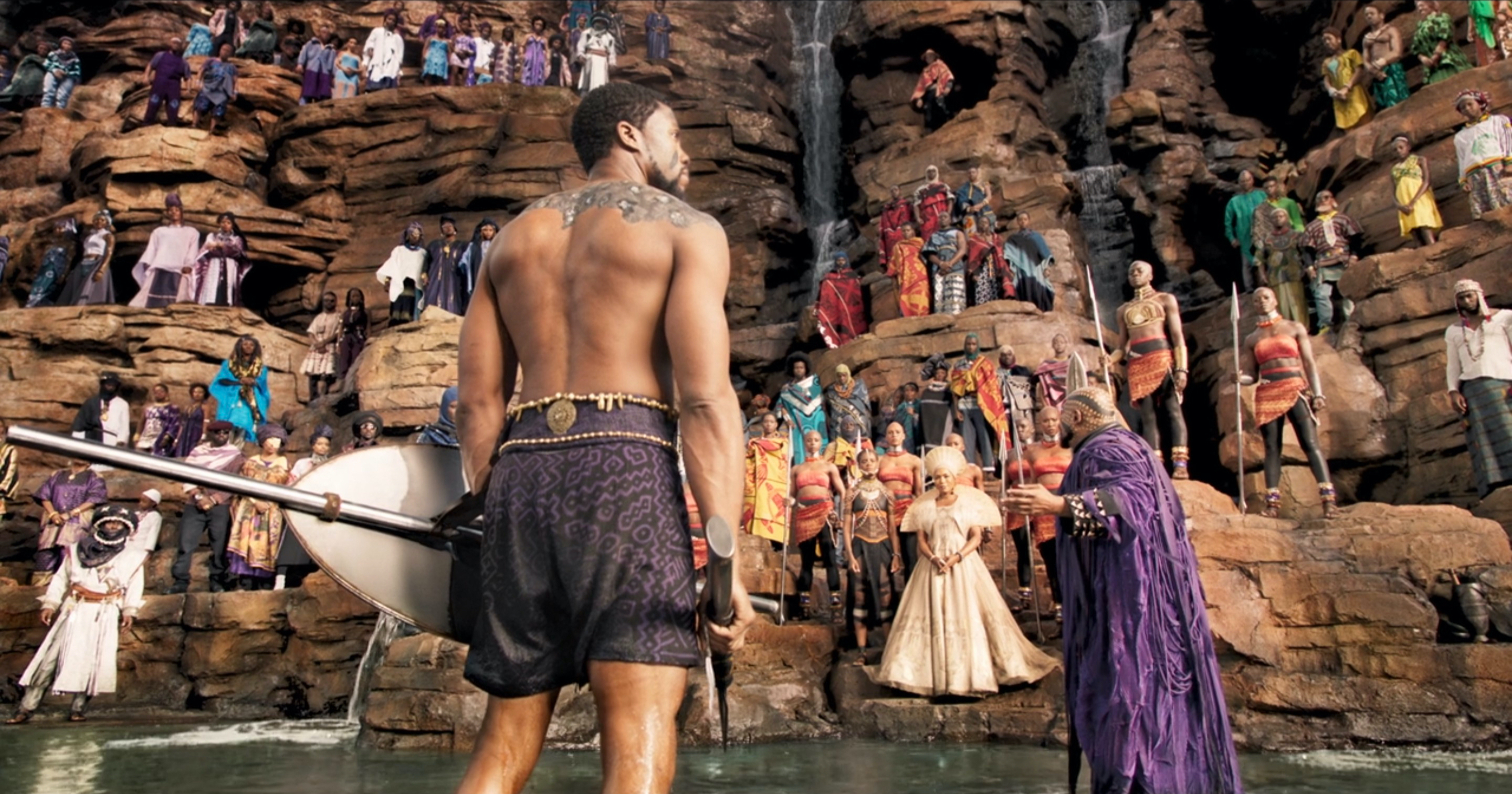
Black Panther may not entirely break the mould of its genre, but Ryan Coogler’s rich world-building and thoughtful characterisations offer new depths to familiar superhero archetypes, grounding its conflict surrounding the distribution of Black resources within a vibrantly drawn, Afro-futurist kingdom of ancient rituals and modern politics.

Charade (1963)

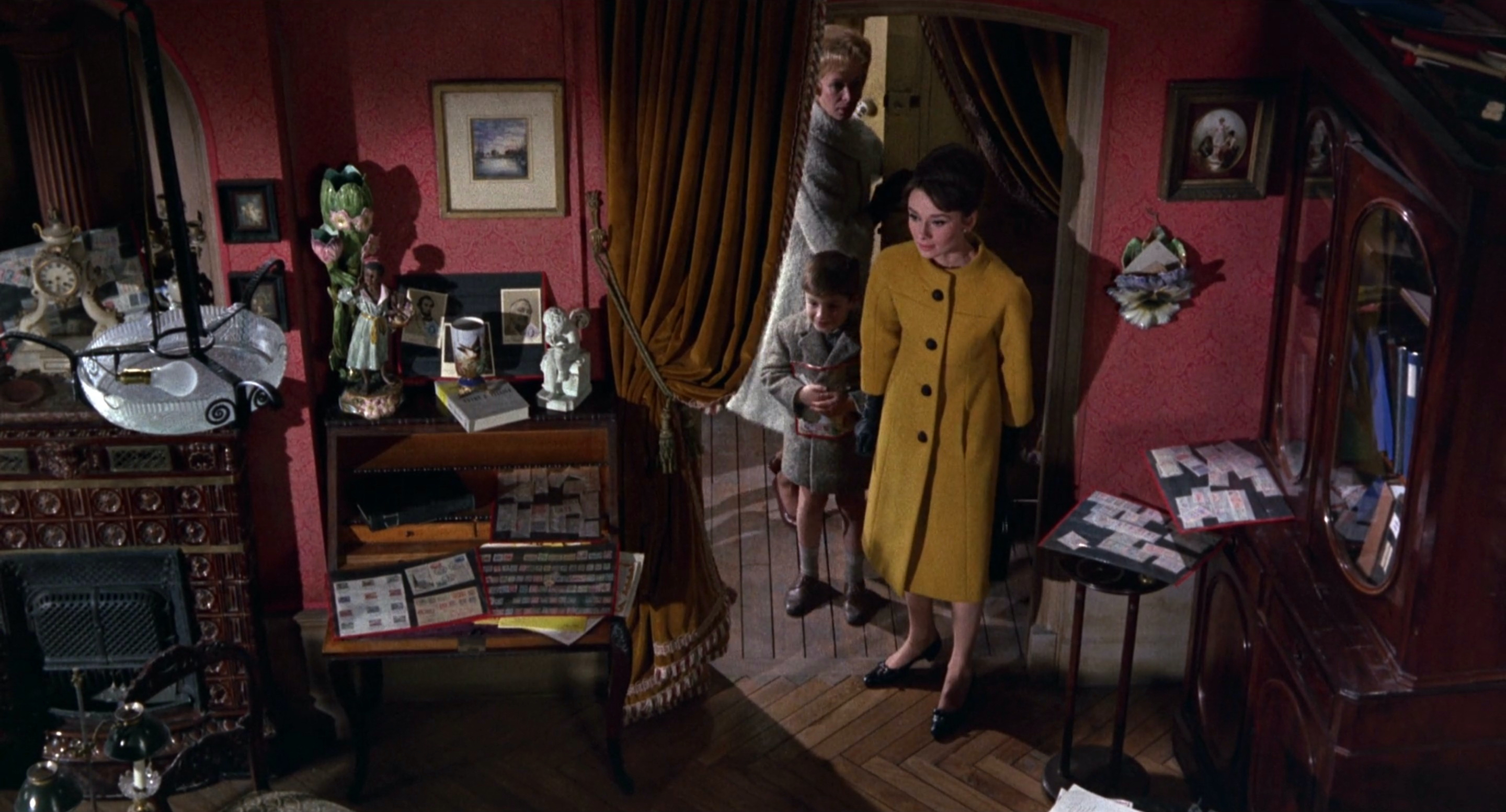
Stanley Donen’s eclectic mix of calculated plotting, screwball antics, and authentic location shooting makes for a fascinating blend of tones in Charade, and yet he skilfully integrates all three with playful ease, infusing its Hitchcockian espionage narrative with an air of Parisian romance and peril.

Love Me Tonight (1932)

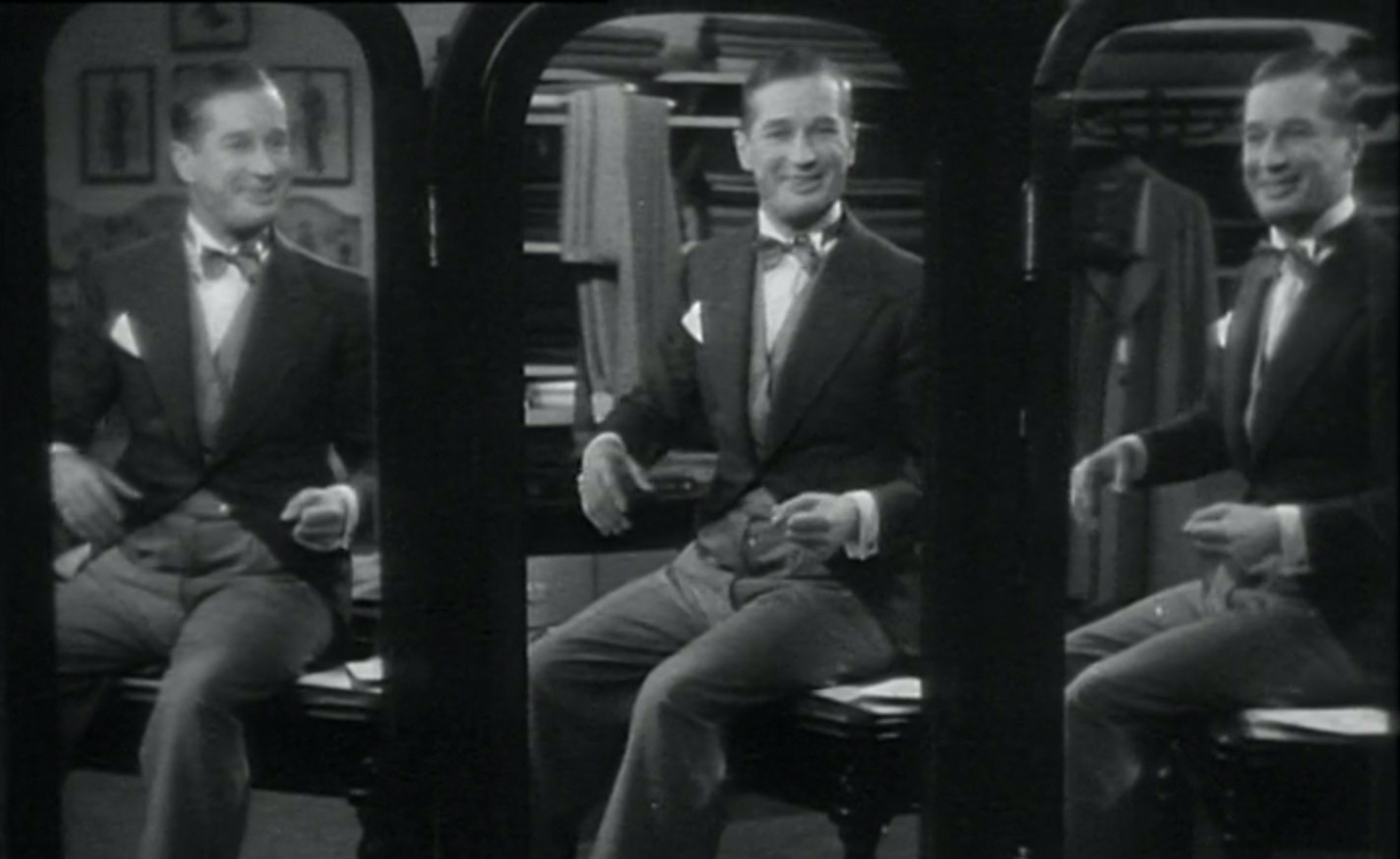
Blowing in the wind through the French cities and royal castles of Love Me Tonight, Rouben Mamoulian’s infectious melodic motifs unite distant characters from across class boundaries under stirring expressions of love, carrying a narrative dexterity and formal texture that canonises this early movie-musical as one of cinema’s great fairy tales.

The Woman King (2022)

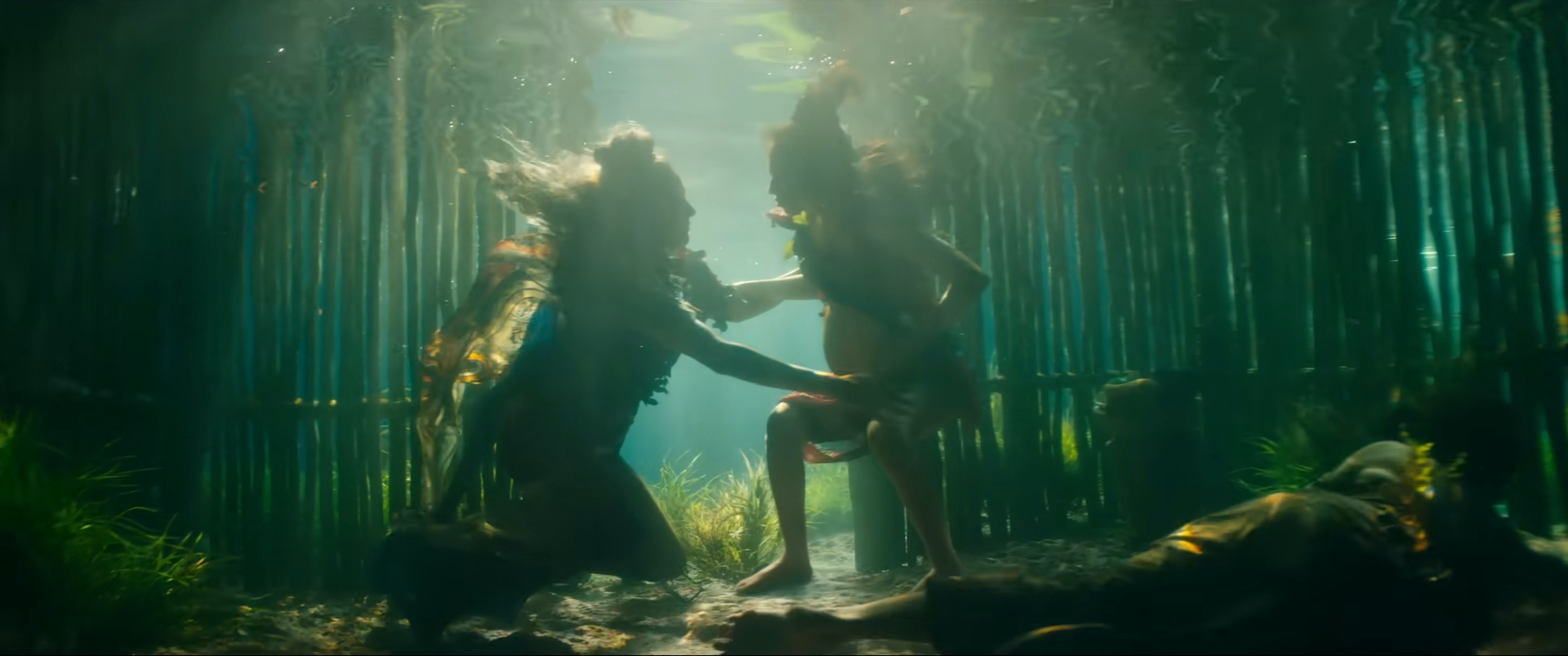
Within The Woman King’s historical setting of 19th century West Africa, the familial bonds built between the Dahomey tribe’s warrior women feel viscerally alive, as Gina Prince-Bythewood brings both a feminist sensitivity and tactile practicality to sweeping battle set pieces that revel in the awe of its fierce female fighters and leaders.

A Little Princess (1995)

Like the fantastical fables Sara tells her fellow students in A Little Princess, her life in a 1910s New York boarding school takes the form of a whimsical fairy tale painted in evocative green palettes and drawn along a light thread of magical realism, each expressing Alfonso Cuarón’s deep love of stories that liberate prisoners of a cynical world.

Manhattan Melodrama (1934)

Tragedy marks the beginning and end of the brotherly love between Blackie and Jim in Manhattan Melodrama, touchingly binding them together as soulmates destined for incompatible lives on either side of the law, and by crafting such robust formal connections between them, W.S. van Dyke draws out a pair of internal struggles forcing them to confront their own principles and loyalties.

The Ghost Writer (2010)

The Ghost Writer’s pessimistic, circular plotting makes a smooth leap from page to screen in this taut political thriller, as Roman Polanski infuses it with a wholly cinematic atmosphere of phantasmal dread that builds his nameless protagonist on a foundation of obscured identities, as well as a chilling mystery leading him into the mouth of the malevolent forces he is investigating.

The Aviator (2004)

Classical Hollywood filmmaker Howard Hughes is the tragic centrepiece of Martin Scorsese’s treatise on an industry that is both extravagantly pioneering and detrimentally obsessive, and in its Technicolor experimentations, The Aviator fully recognises both sides of this glamorous culture and the bright-minded pioneer it consumed.

We Are Who We Are (2020)

Though the episodic storytelling of We Are Who We Are leads to some shagginess in Luca Guadagnino’s narrative, its wandering pace offers his complex characters all the time they need to explore questions of sexuality, gender identity, and grief, foregrounding the vague but sweet relationship between two teenagers living on a U.S. military base in Italy.

Panic Room (2002)

As David Fincher’s pressing darkness infiltrates the crevices of the claustrophobic townhouse in Panic Room, so too does he send three thieves inside with the intention of stealing its hidden treasure, with the camera’s exhilarating, omniscient perspective instilling in us an even greater dread than any single character experiences alone.

Scroll to Top