1910s & 1920s

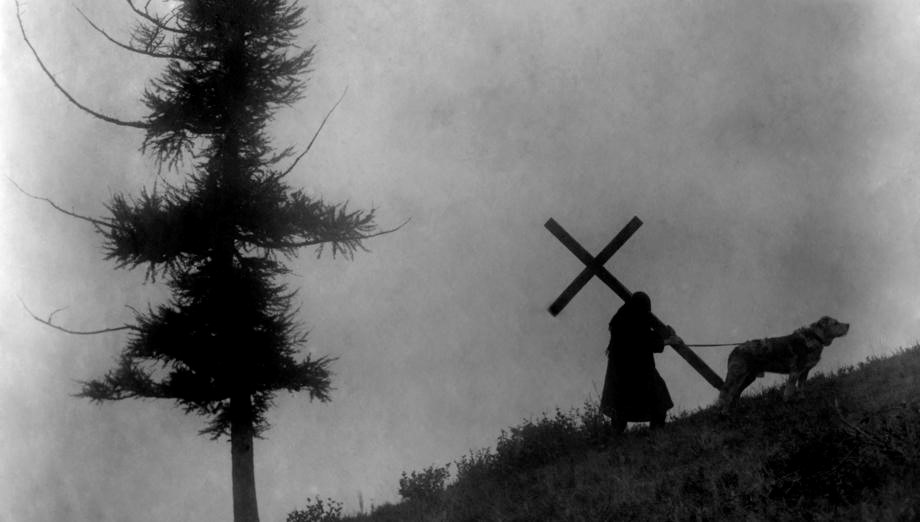
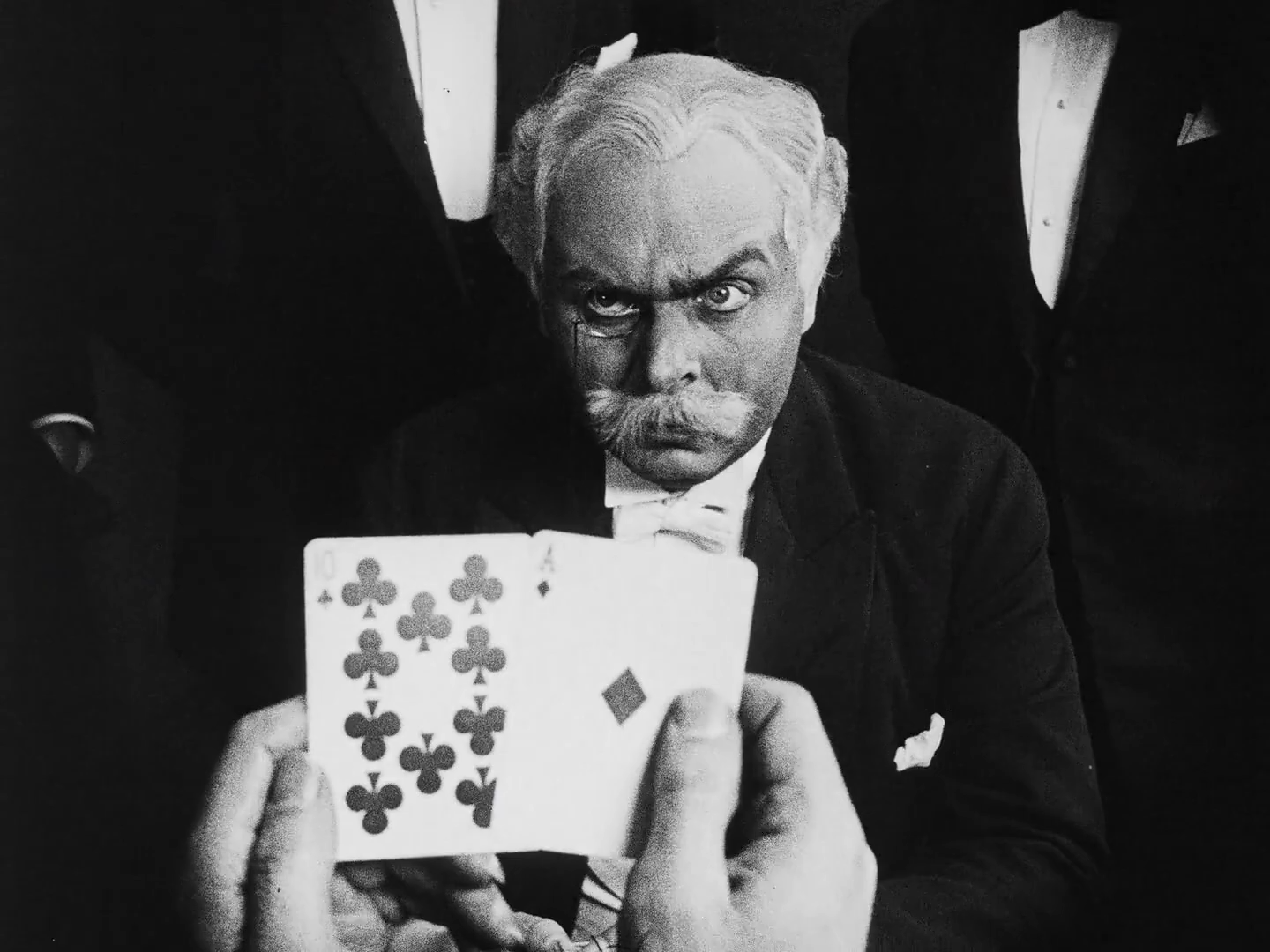
Dr. Mabuse the Gambler (1922)

Fritz Lang distils the fearful mistrust of authority in Weimar Germany down to a single criminal mastermind in Dr. Mabuse the Gambler, painting out an expressionistic world under his hypnotic control with dark, jagged strokes, and setting the proto-noir standard of elaborately plotted crime narratives.
Wings (1927)

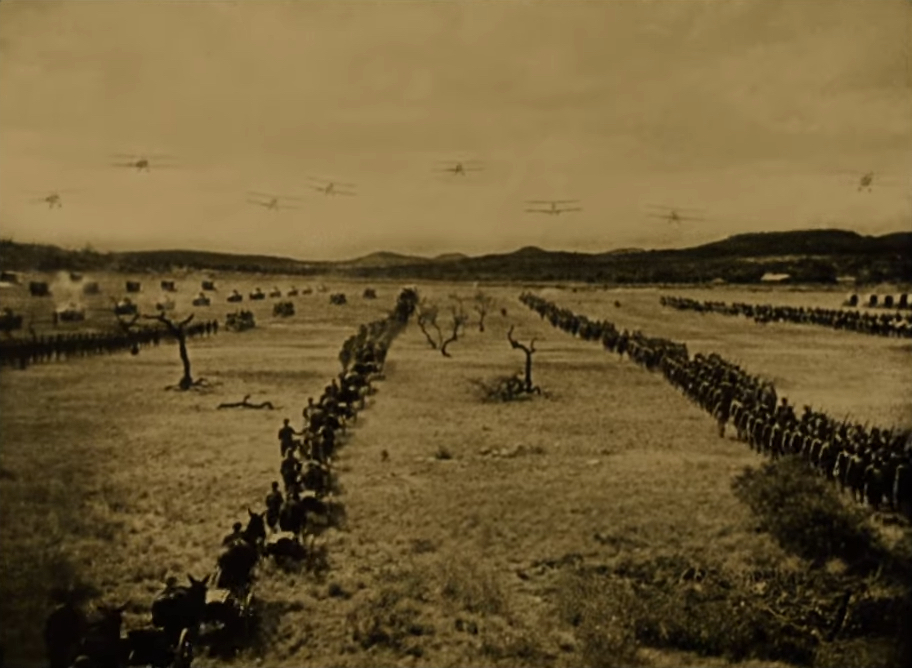
With his staggering aerial sequences and daring set pieces, William A. Wellman turns magnificent feats of engineering into vehicles for exhilarating storytelling in Wings, taking a birds-eye perspective of wartime conflicts and innovation that heightens both as displays of monumental human ambition.

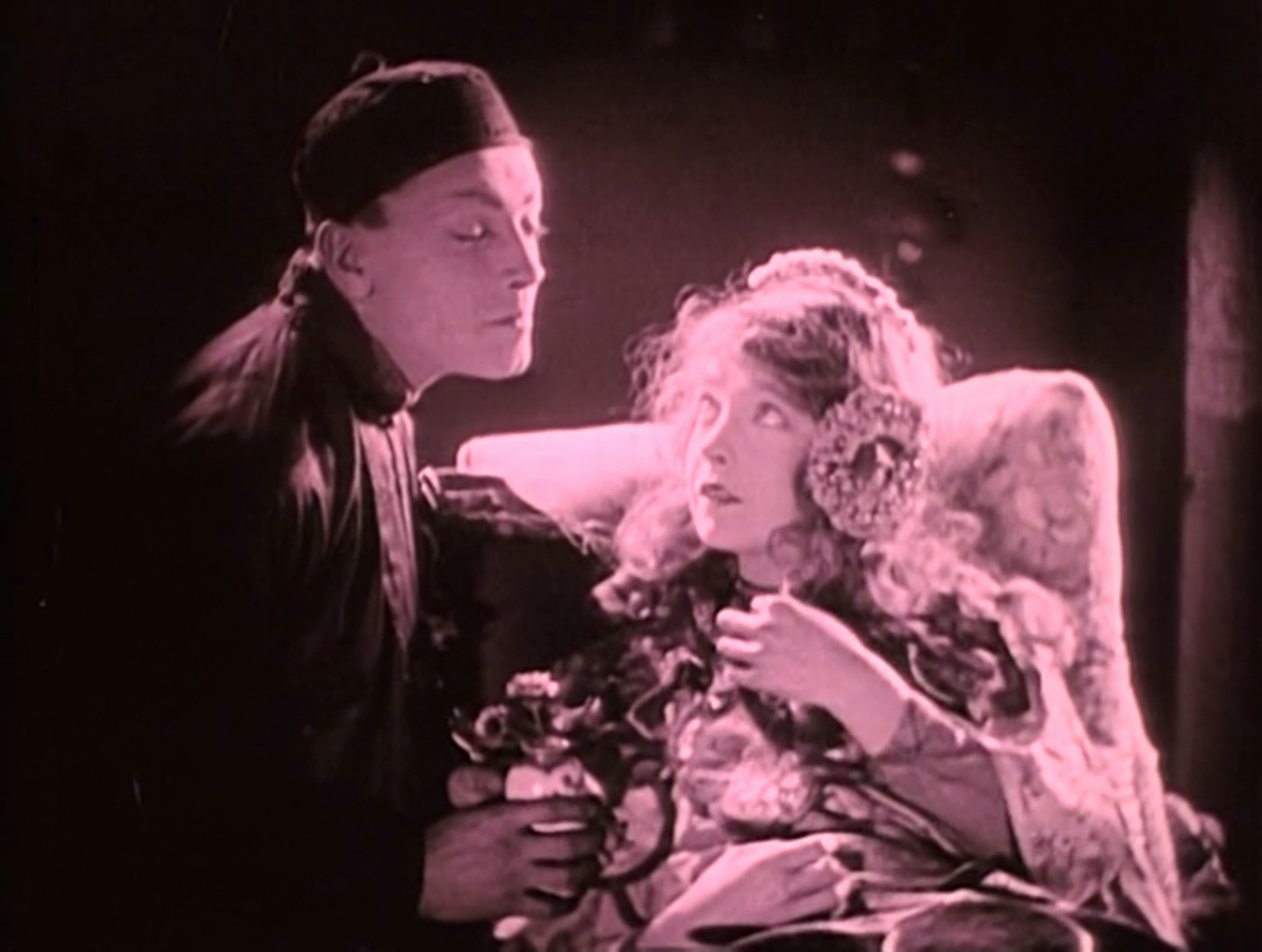
Broken Blossoms (1919)

Broken Blossoms may be a simple, tragic fable of ill-fated lovers, though such eloquent visual poetry refreshes its archetypes through crisp close-ups and propulsive editing, inviting the sort of intimacy that D.W. Griffith alone realised in these early years of cinema was uniquely suited to this young, nascent artform.

Intolerance (1916)

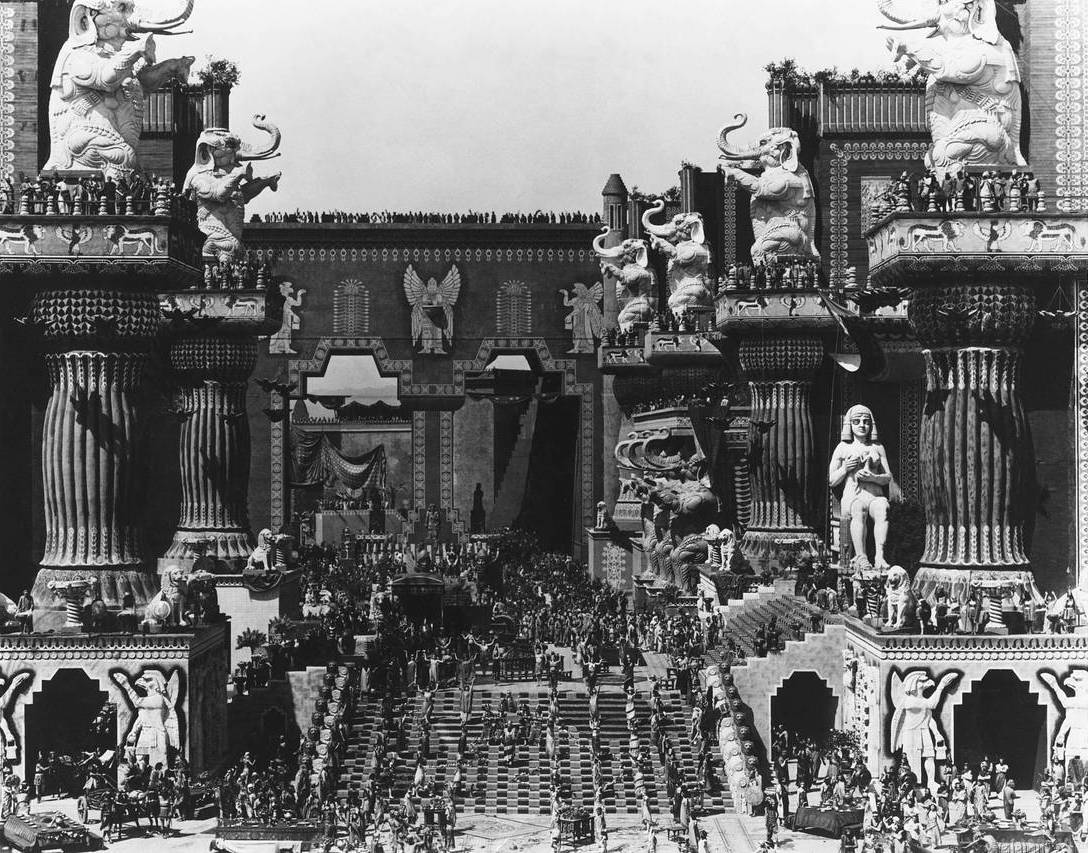
In wrapping up four parallel fables of prejudice stretching from ancient Babylon to the twentieth century, D.W. Griffith’s Intolerance masterfully orchestrates cycles of human redemption and transgression with joy and sorrow, layering plot threads and symbolic counterpoints like intricate harmonies through this epic, cinematic experiment of narrative structure.

The Birth of a Nation (1915)

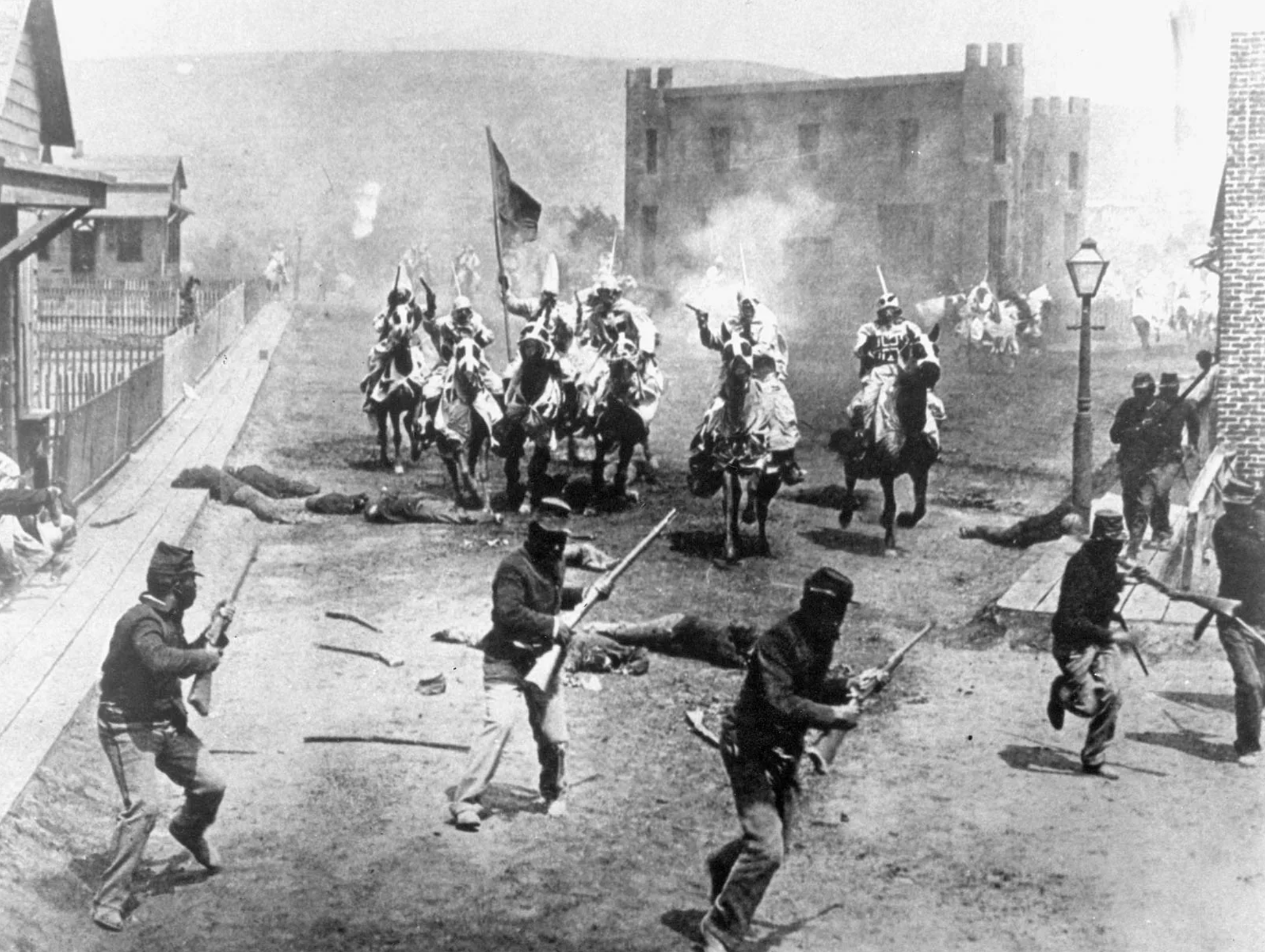
Through the hundred or so years of feature narrative films, The Birth of a Nation may indeed be the singularly most abhorrent work to hit such ambitiously artistic heights, as D.W. Griffith singlehandedly defines the artform with astonishing displays of intercutting and jaw-dropping set pieces, while exposing the depravity baked into the history of nationalistic mythologising.

Napoleon (1927)

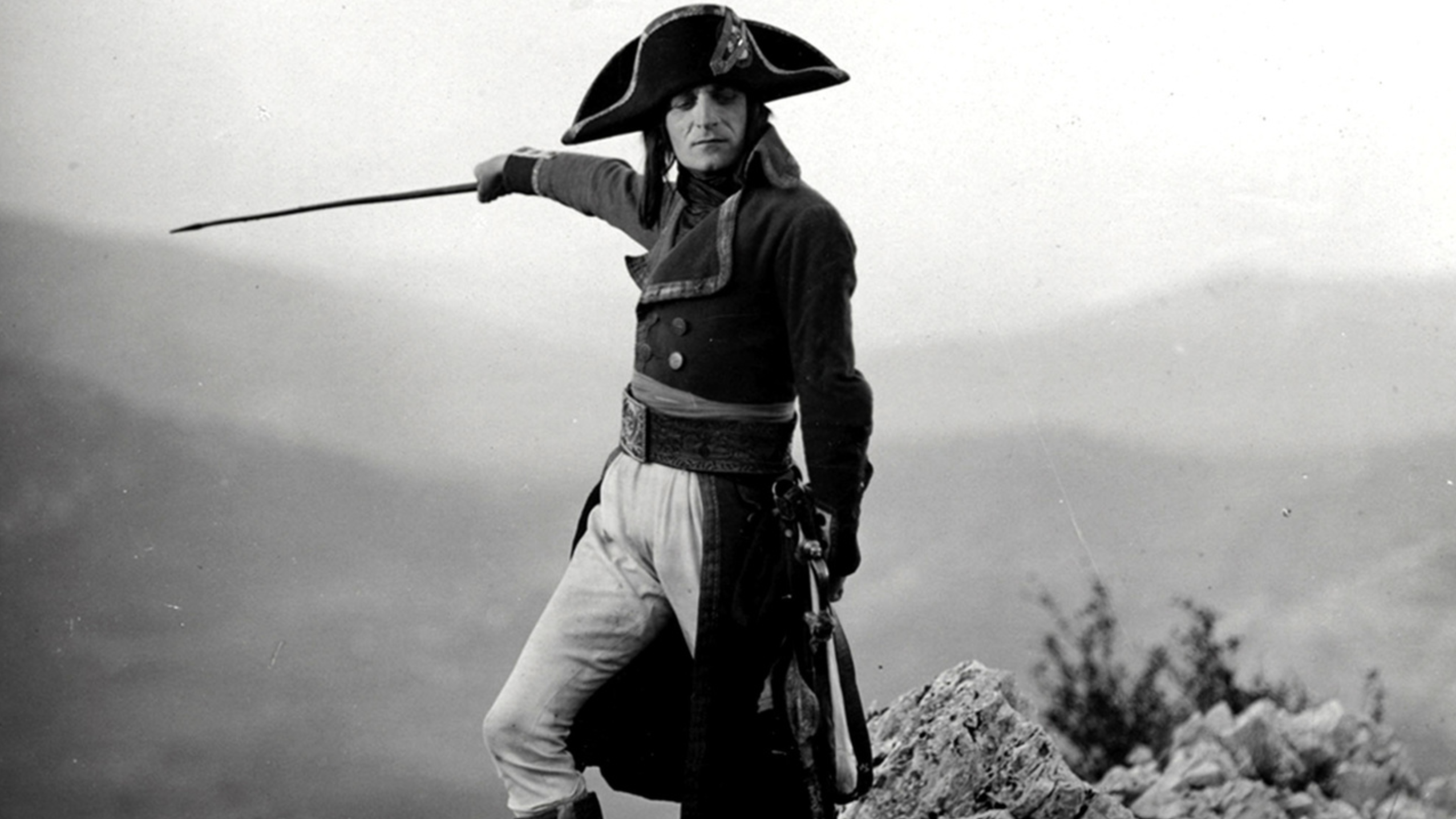
More than simply establishing a language of visual storytelling, Abel Gance pioneers cinematic techniques in Napoleon that have not been touched since, punctuating every key beat in this dense, sprawling account of the historical leader’s rise to power with epic flourishes of artistic grandeur wholly unique to his own trailblazing intuitions.

Les Vampires (1915)

In centring a shady gang of thieves known as Les Vampires that haunts Paris’ streets, Louis Feuillade crafts an epic crime serial that plays right into the pulpy sensationalism of their macabre characters, each one inhabiting their own compelling archetype within a thrilling narrative of hypnotised servants, cunning disguises, and secret poisons.

One Week (1920)

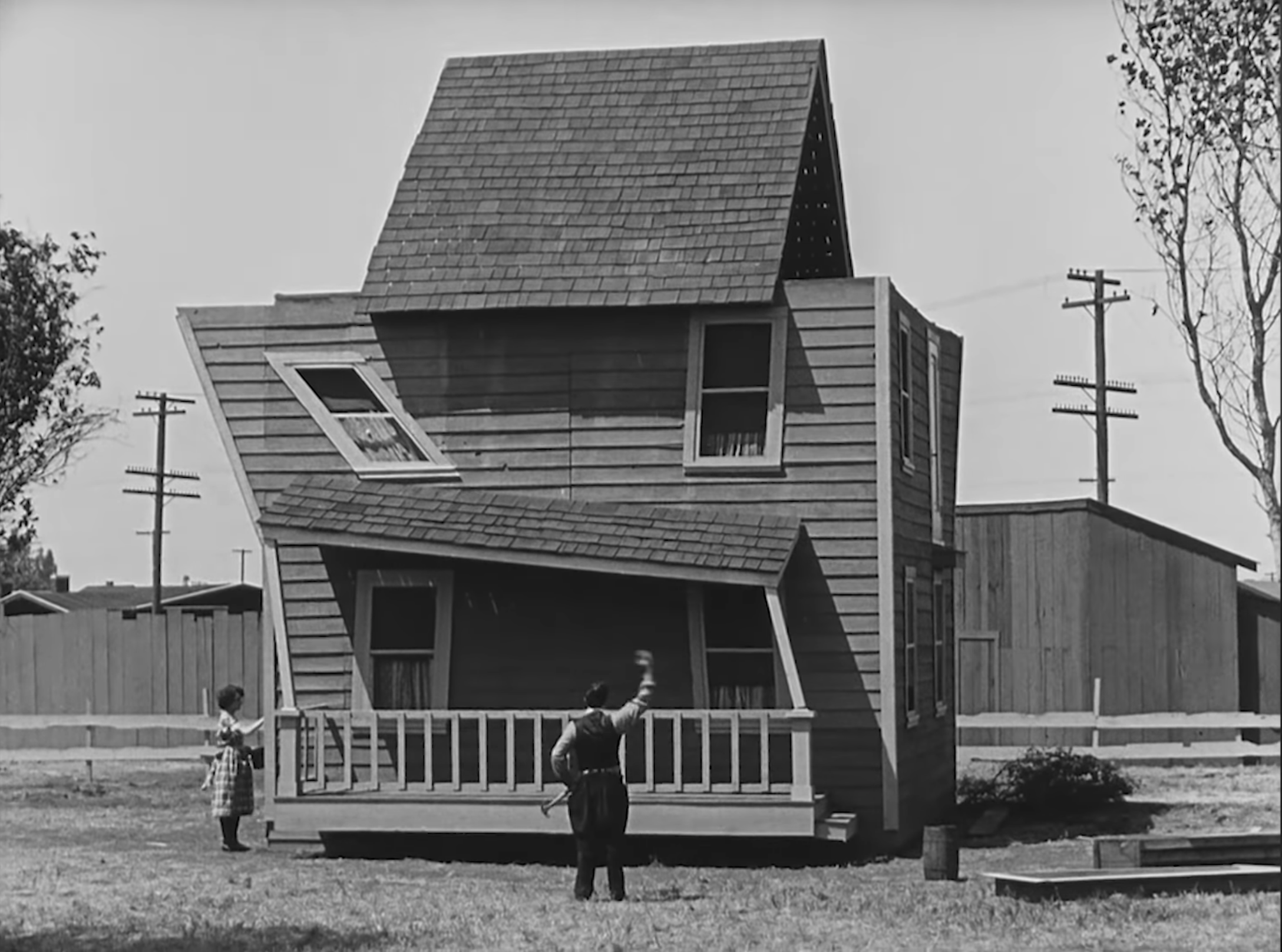
Marriage is not meant to be a one-size-fits-all package, as Buster Keaton so amusingly illustrates in his silent short One Week, demonstrating a level of comedic genius in his architectural inventiveness, creative framing, and wildly physical stunt work that explores the unique cinematic potential of visual comedy in the early days of film.

The Adventures of Prince Achmed (1926)

The Adventures of Prince Achmed would still be a great feat of filmmaking even if it were the hundredth or thousandth feature-length animation, but the fact that Lotte Reiniger’s imaginative Middle Eastern fable of magic, adventure, and shadow puppetry is the first of its kind is simply remarkable.

La Roue (1923)

In drawing on the philosophies of his literary idols, Abel Gance crafts a breath-taking piece of epic cinematic poetry in La Roue, breaking the shackles of conventional silent filmmaking to explore the weight of obsession, guilt, love, and death on a man’s conscience over the course of his mortal life.

Scroll to Top