SceneByGreen

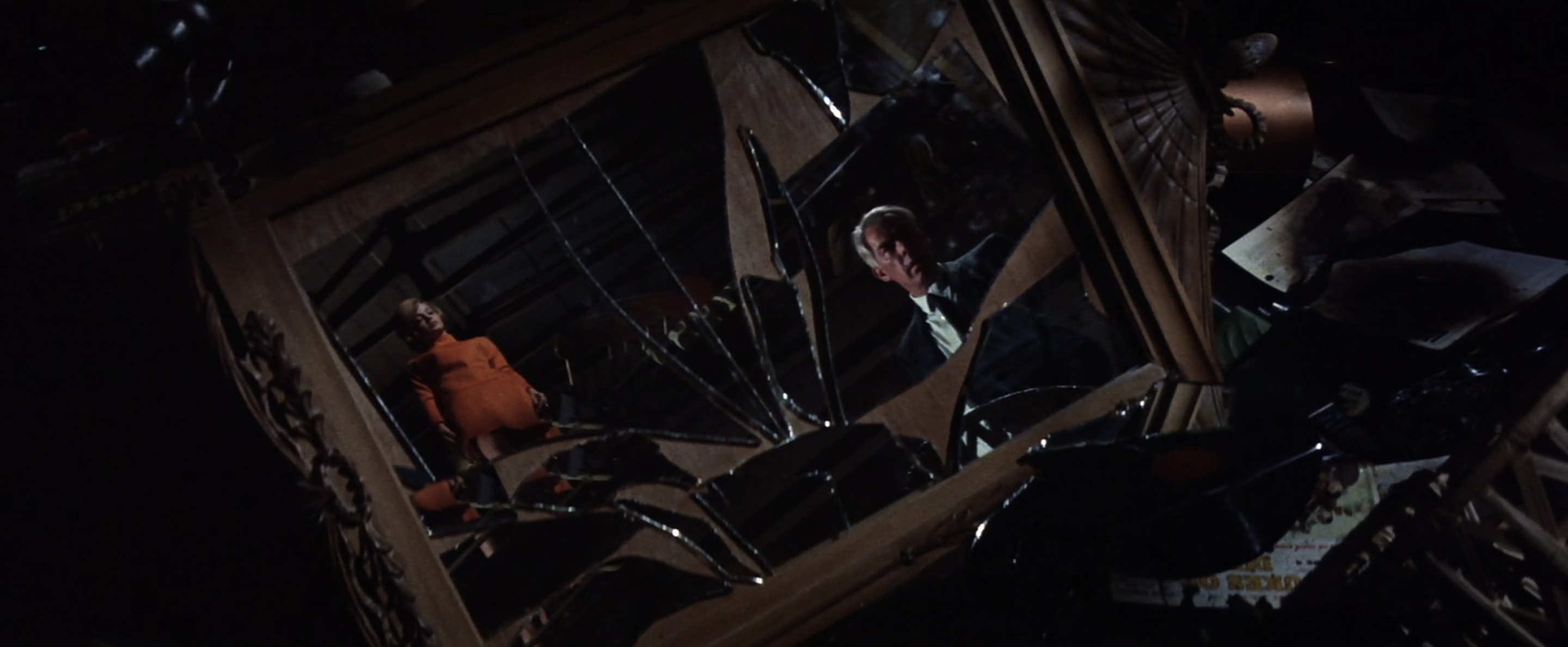
Point Blank (1967)

In straddling a line between pulpy violence and sophisticated visual artistry, Point Blank astonishingly transcends all genre trappings, as John Boorman’s confounding, non-linear narrative extracts a dizzying fever dream from the vengeful quest of a wronged man across formidable urban landscapes.
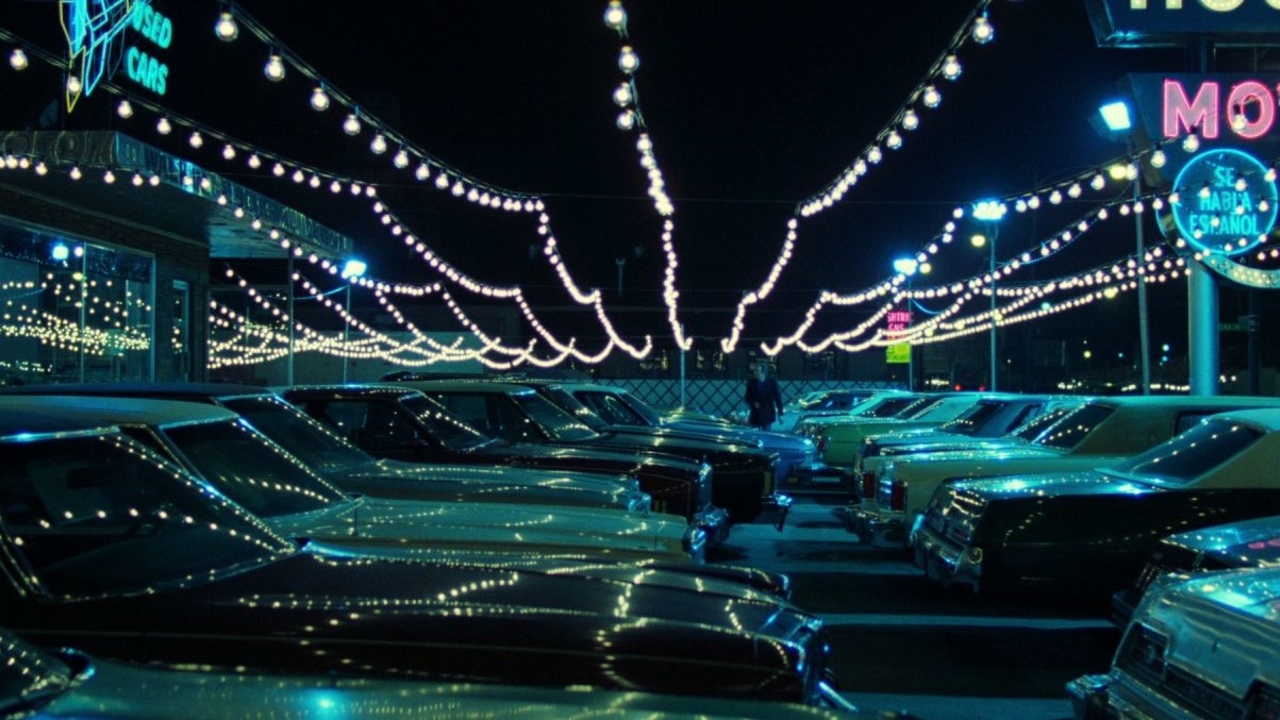
Thief (1981)

Michael Mann’s fascination with the bleary lights and architecture of sprawling urban spaces is expressed with a fully-developed cinematic voice in his remarkable debut film, Thief, but for all of the mobs and crowds that plague these dark, neon spaces, an overwhelming isolation continues to prevail and trap its inhabitants in neo-noir nightmares.

The Age of Innocence (1993)

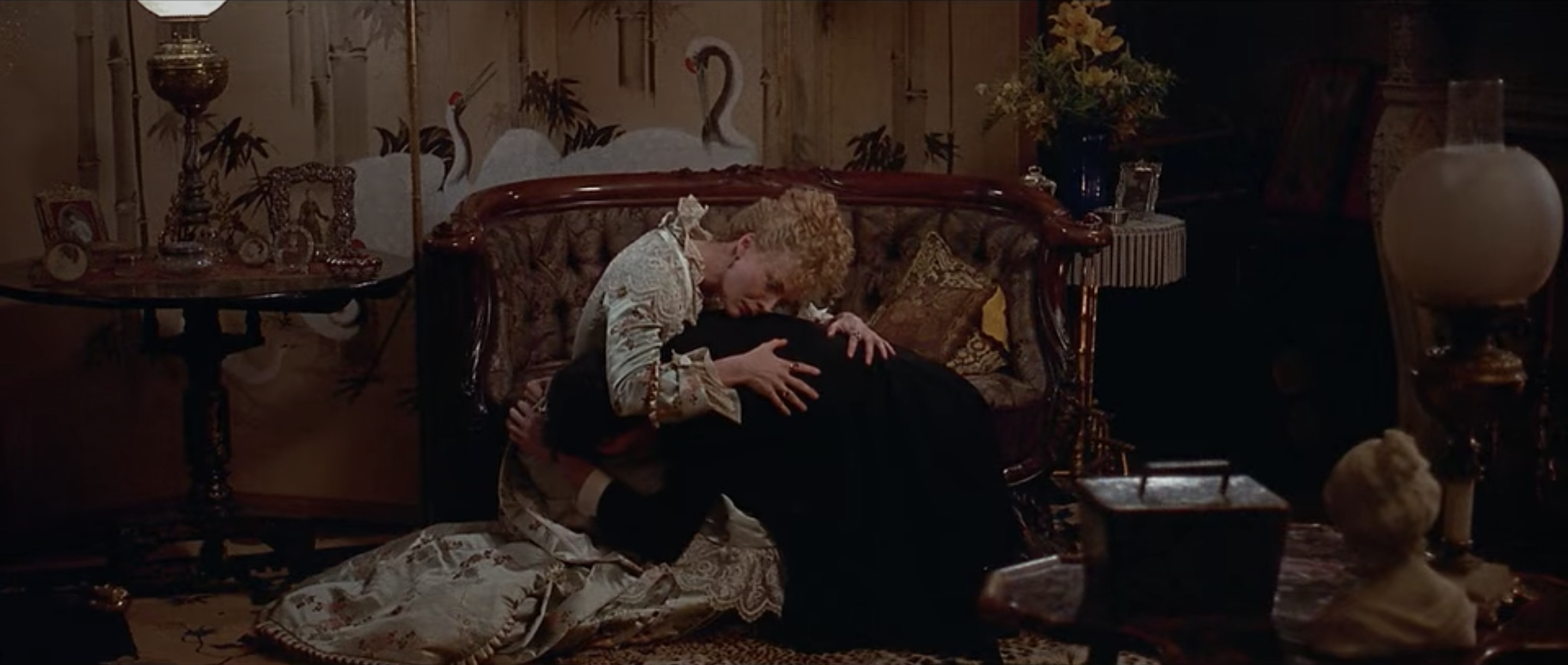
Martin Scorsese feels surprisingly right at home in the vibrant, passionate yearning of The Age of Innocence, as he deftly tracks his camera through opulent mansions and flows from shot to shot in delicate long dissolves, presenting to us an invitation to interpret this era through a lens of subjective, impressionistic memory.

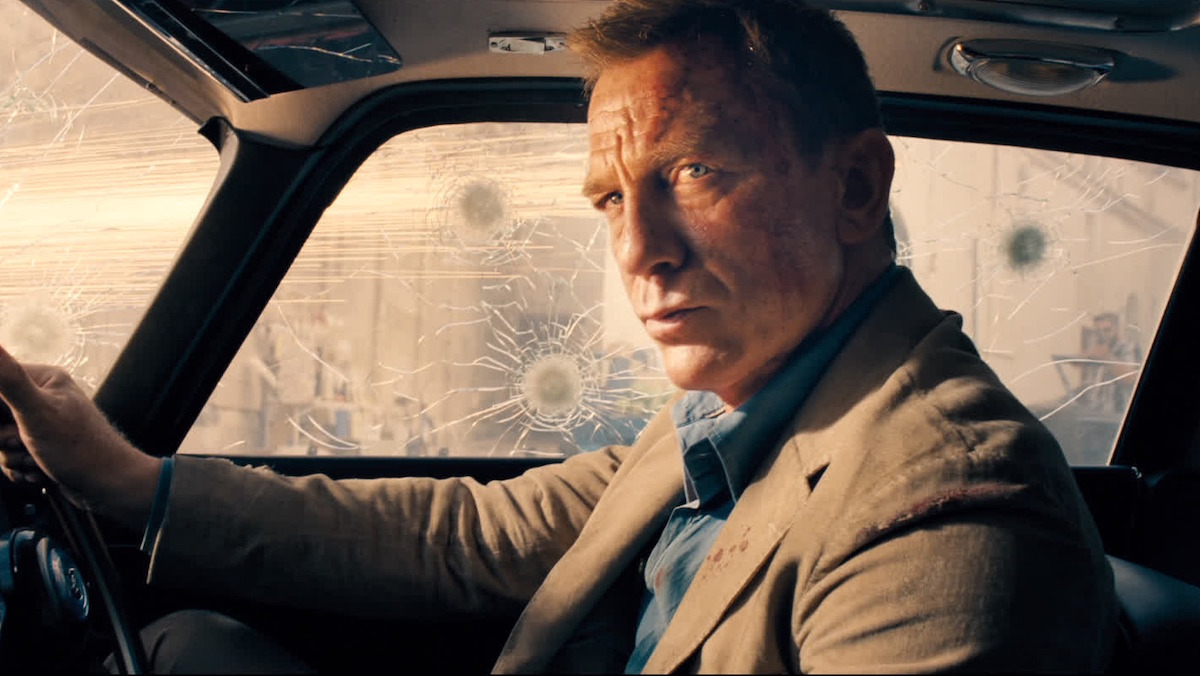
No Time to Die (2021)

Cary Joji Fukunaga’s No Time to Die presents us with an older, more mortal James Bond who is more likely to take risks out of selflessness than a reckless belief in his own invincibility, closing out an era of action cinema with a touch of poignancy that few action stars would be able imbue with as sincere a tenderness as Daniel Craig.

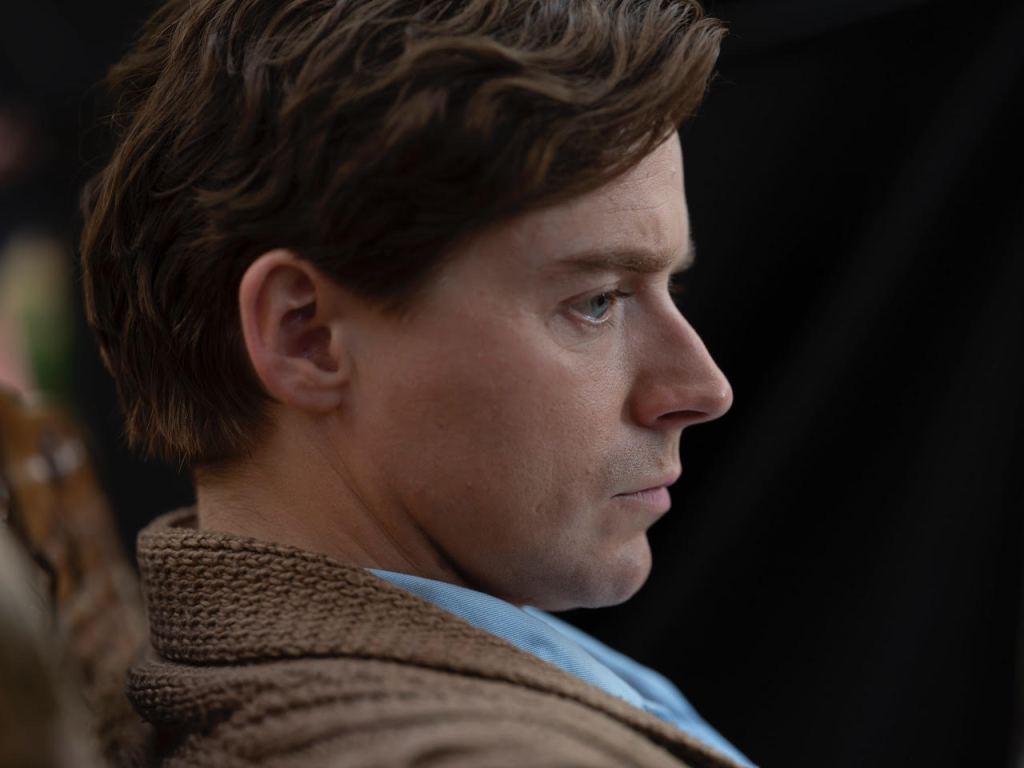
Benediction (2021)

It was only a matter of time that Terence Davies would turn his sentimental fascination in the subjective, personal accounts of British history to an artist as culturally significant as Siegfried Sassoon, as here in Benediction he filters grim archival footage of World War I through the mind of a poet driven to eloquent expressions of anger, melancholy, and heartbreak.

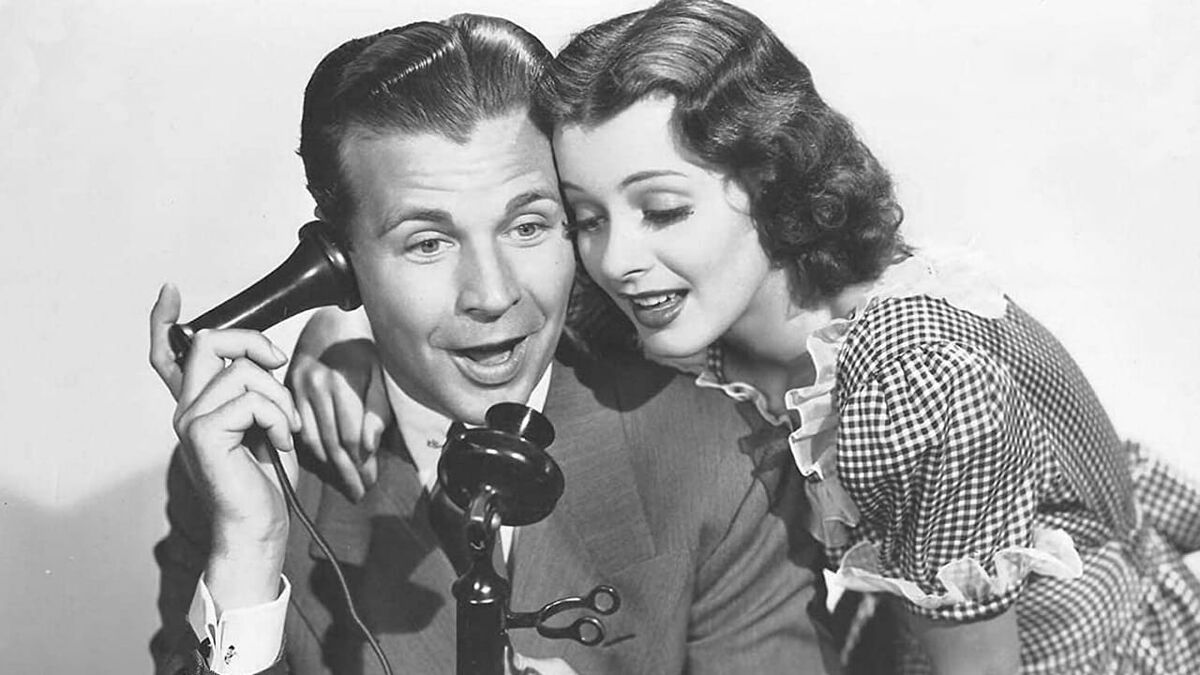
Christmas in July (1940)

Preston Sturges’ trademark commitment to running gags and expeditious pacing is present here in one of his earliest films, Christmas in July, and the faith individuals place in mainstream opinions rather than thinking for themselves is a perfect target for a director with such a skill in crafting farcical escalations.

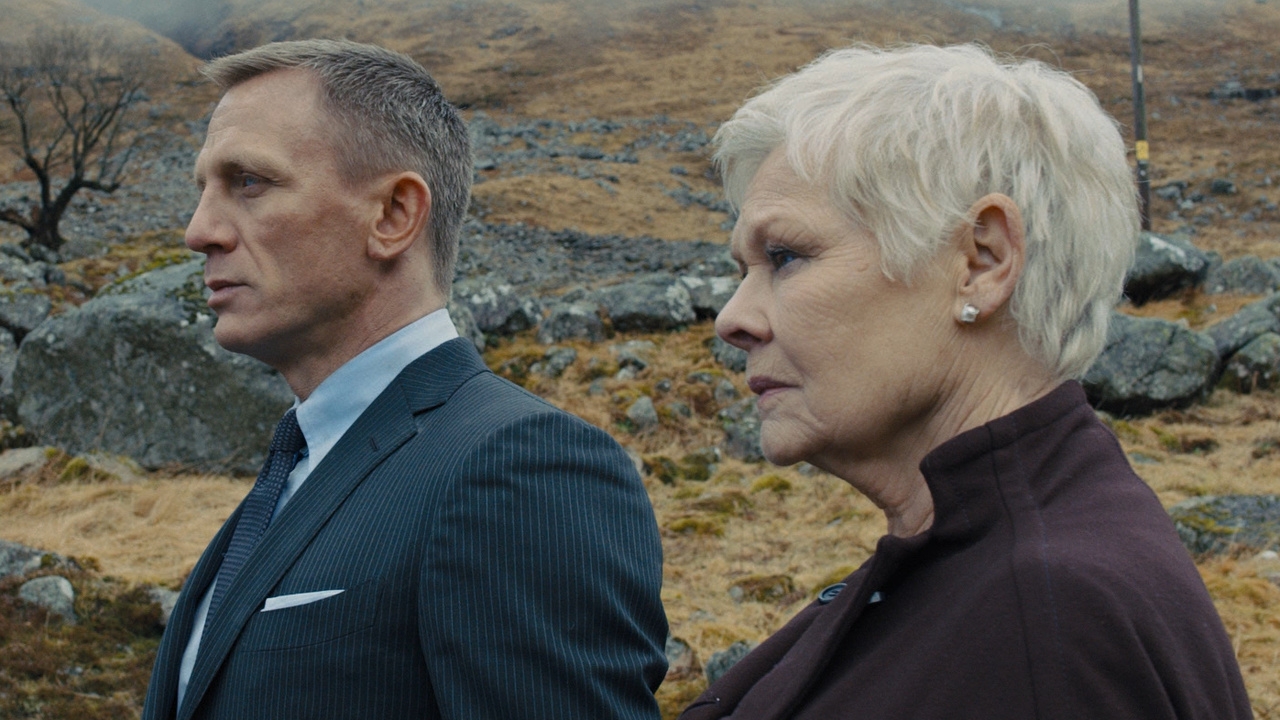
Skyfall (2012)

Visually, Skyfall is on a whole other level to every James Bond film that came before, as Sam Mendes’ impeccable craftsmanship delivers on set piece after set piece, sending Daniel Craig’s version of 007 down a sensitive path to confront painful childhood memories.

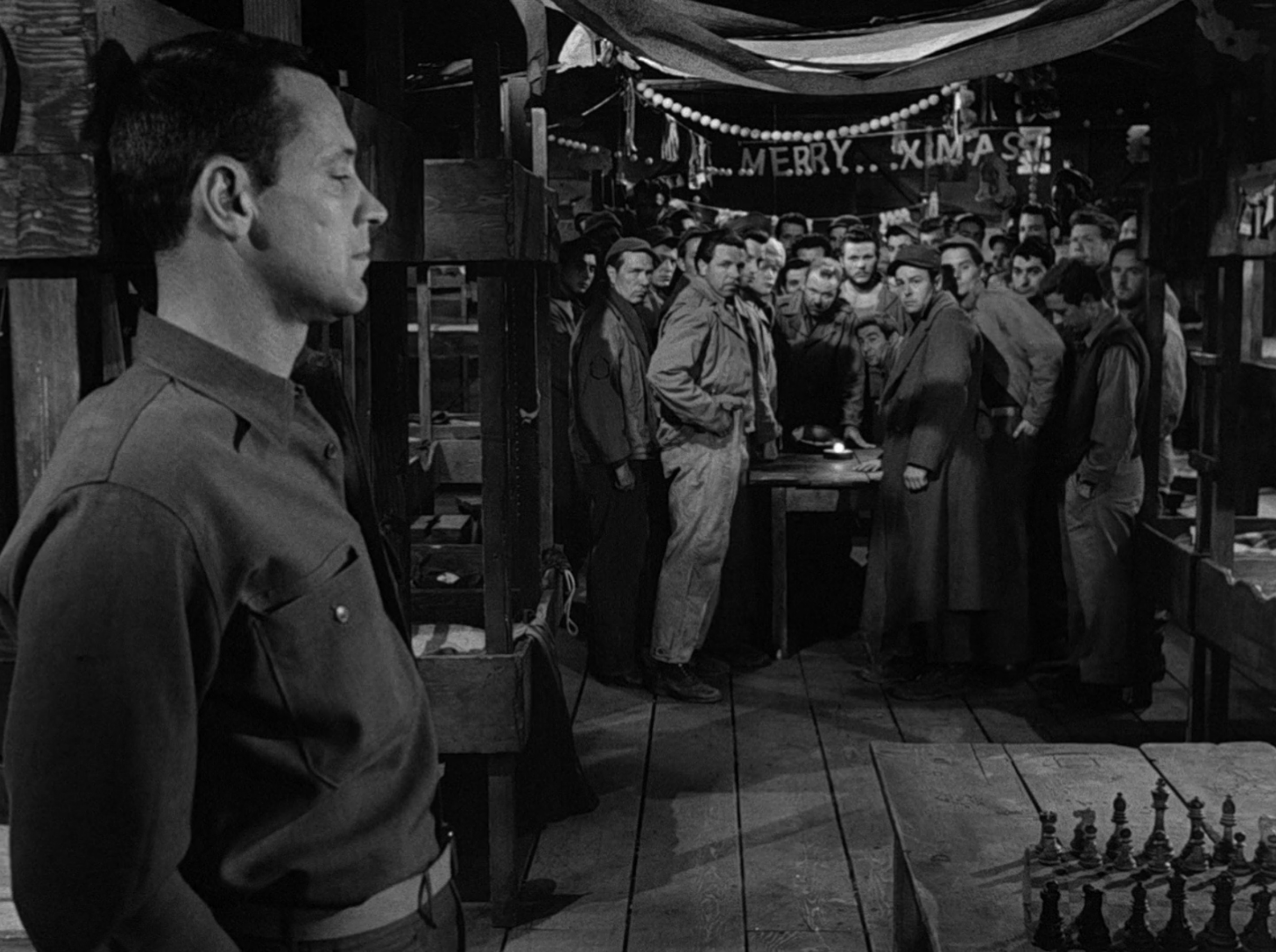
Stalag 17 (1953)

Though a World War II German prison camp is not a setting that naturally opens itself up to comical escapades, Billy Wilder recognises the need to step away from its bleakness every now and again in Stalag 17, dedicating this suspenseful, funny, and tender film to the persistence of the human spirit in the worst conditions, whether that manifests as irreverent joy or a cosy, quiet peace.

Do the Right Thing (1989)

The devastating loss which Do the Right Thing slowly builds towards might initially seem at odds with Spike Lee’s stylistically bombastic colours, compositions, and hip-hop rhythms, but in the extremity of such expressions it effectively becomes part of the fiery clash between righteous anger and profound joy, both of which burn vividly in this Brooklyn community, defining the lives of its rich, eclectic characters.

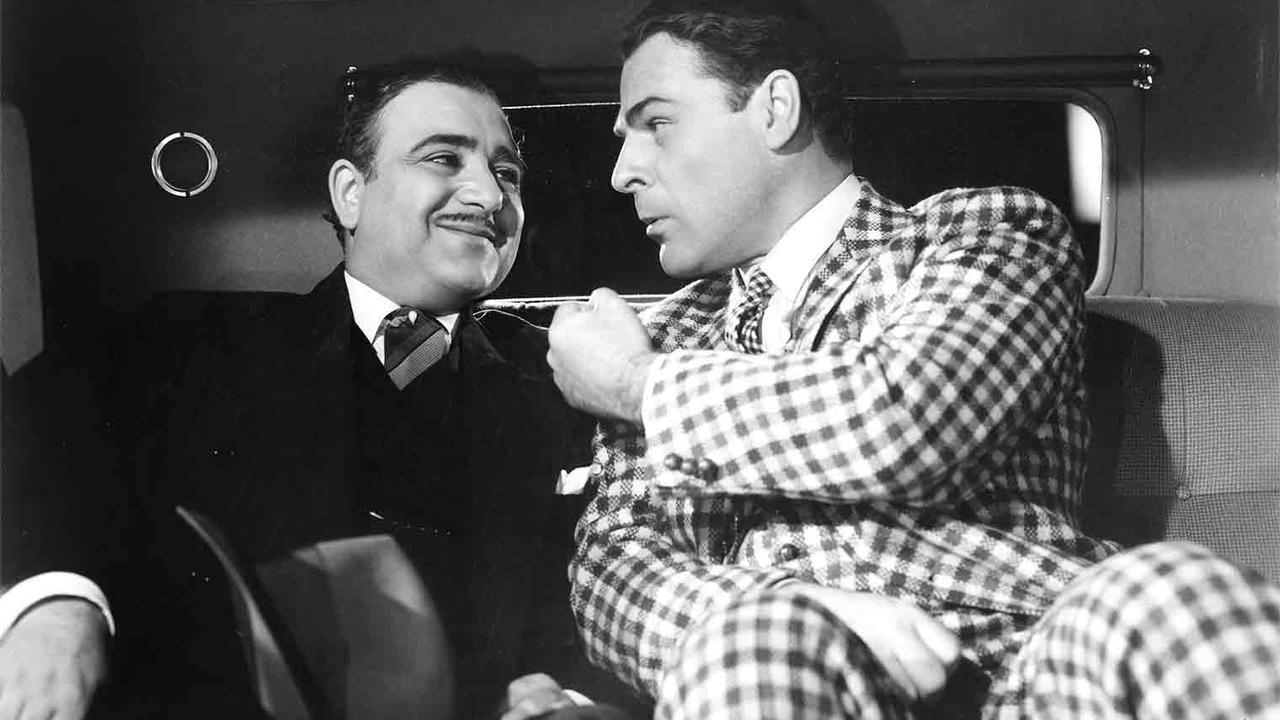
The Great McGinty (1940)

The irony of a corrupt political system defeating itself through its own artifice is not easily lost in The Great McGinty, especially as Preston Sturges finds the humour in the unpredictability of life in the public eye, marking a modest debut from one of the great comedic directors of Hollywood.

Scroll to Top