
The 50 Best Directors of All Time
The greatest directors of film history, from meticulous visionaries to boundary-pushing mavericks.
The greatest directors of film history, from meticulous visionaries to boundary-pushing mavericks.
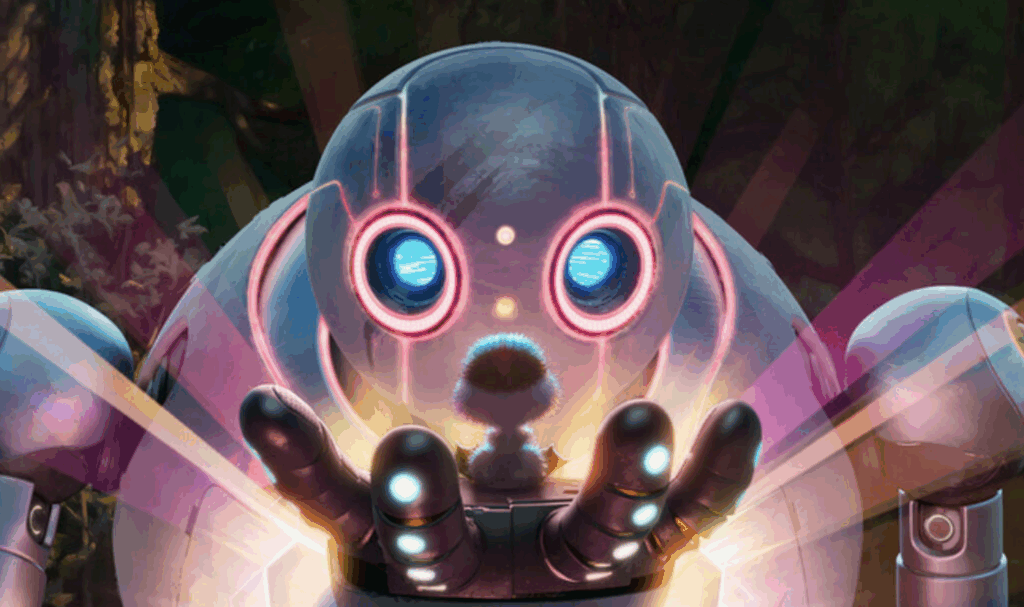
By turning a shipwrecked service android into the world’s most unlikely mother, The Wild Robot considers parenthood as a conflict of instinct and adaptation in its delicately animated eco-fable, revealing the communal self-growth that such a journey of profound responsibility can nurture.
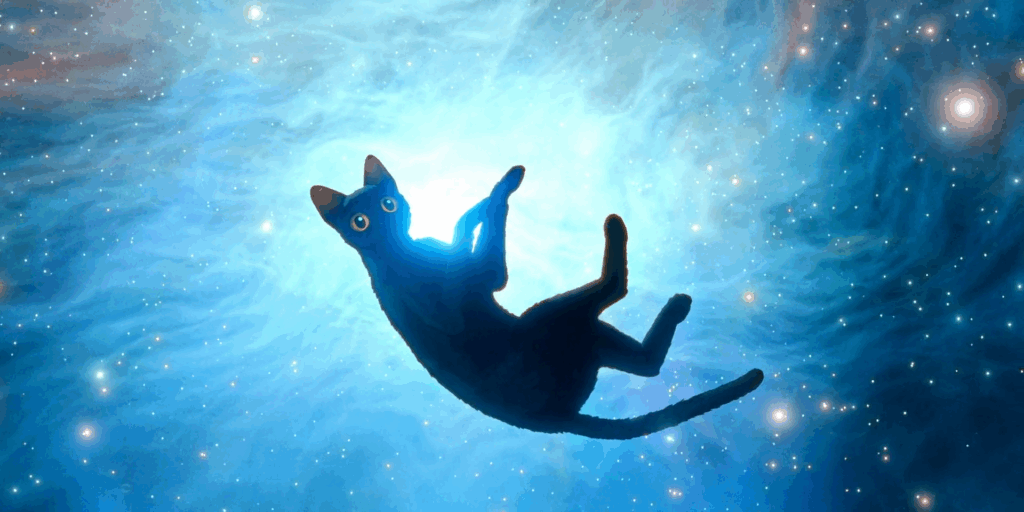
The journey that one nameless black cat and its assorted companions set out on through flood waters makes for a minimalist narrative in Flow, yet within Gints Zilbalodis’ immersive, fluid animation, the organic cycles of this ever-changing ecosystem fall into soothing harmony.
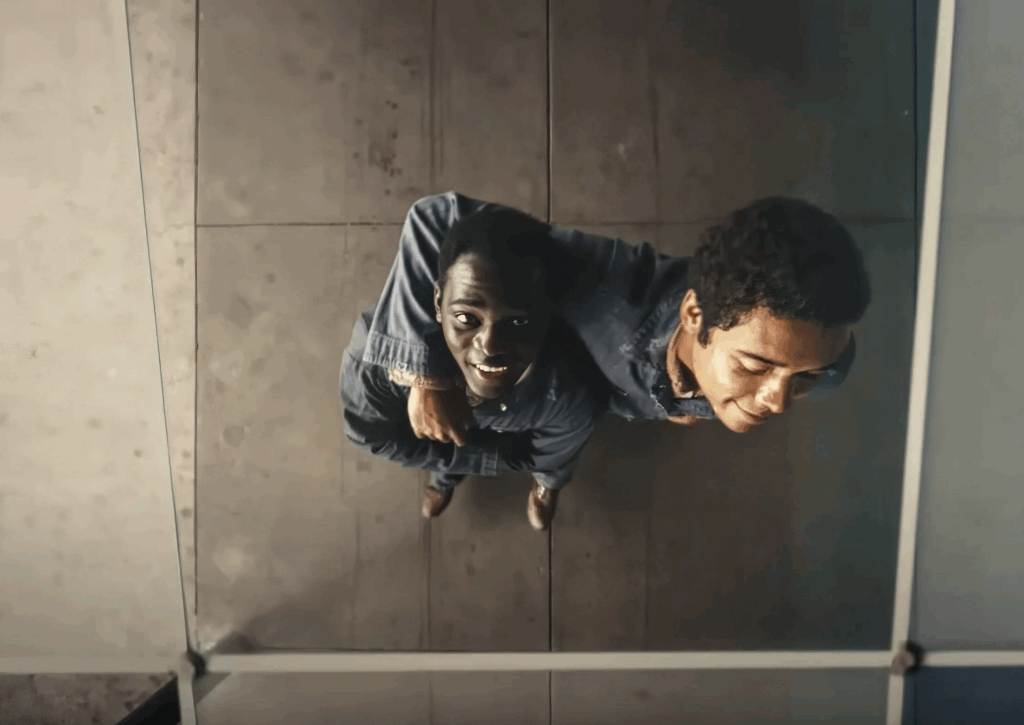
RaMell Ross’ avant-garde instincts come fully formed in the first-person camerawork and impressionistic montages of Nickel Boys, explicitly adopting the perspectives of two friends living in a 1960s reform school, and internalising a shared resilience that leads communities into the fight for civil rights.

True to Bong Joon-ho’s savage class critiques, the endless cloning of expendable workers in Mickey 17 examines the fragility of identity in a capitalist system, aiming its broad satire at the repackaging of exploitation and colonisation as economic progress.
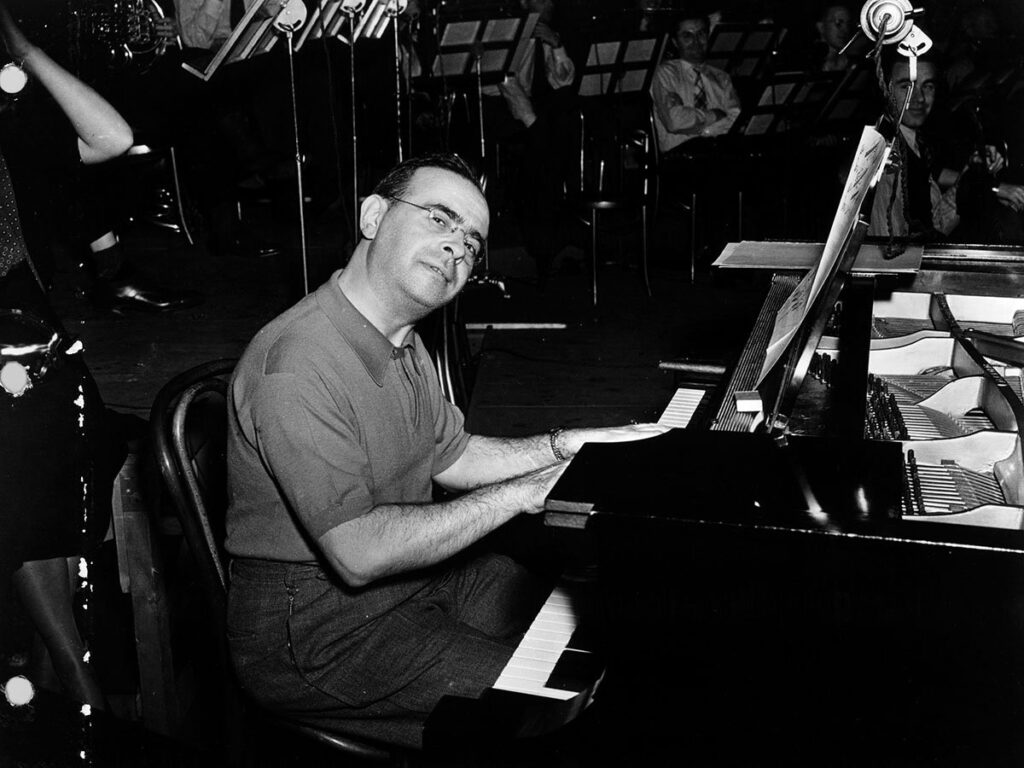
The greatest composers of film history, from symphonic maestros to trailblazing instrumentalists.
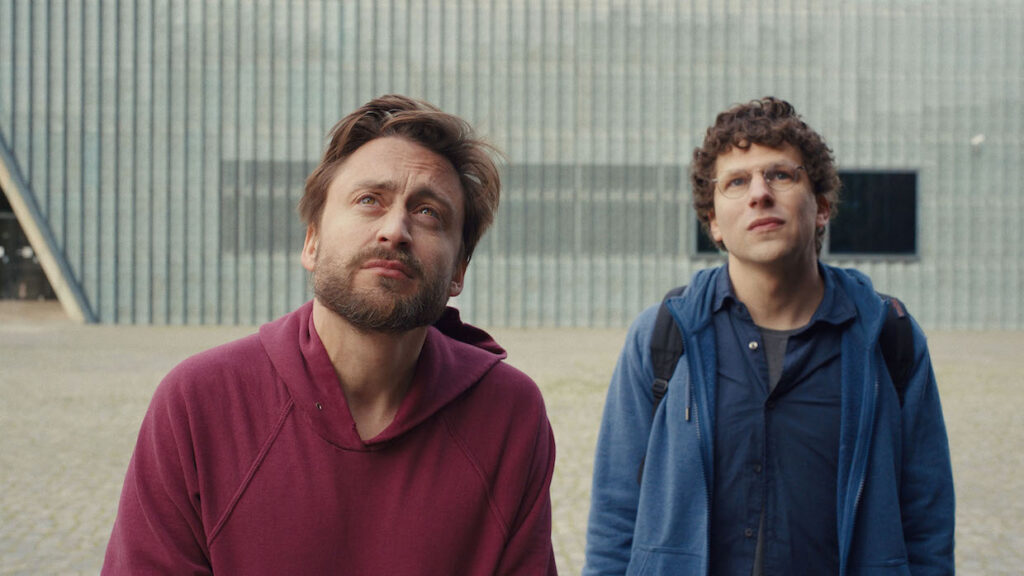
As two amusingly dissimilar cousins reconnect to their Jewish ancestry in Poland, A Real Pain also sensitively examines their reconnection with each other, binding polar opposites together through humour, compassion, and generations of unresolved trauma.
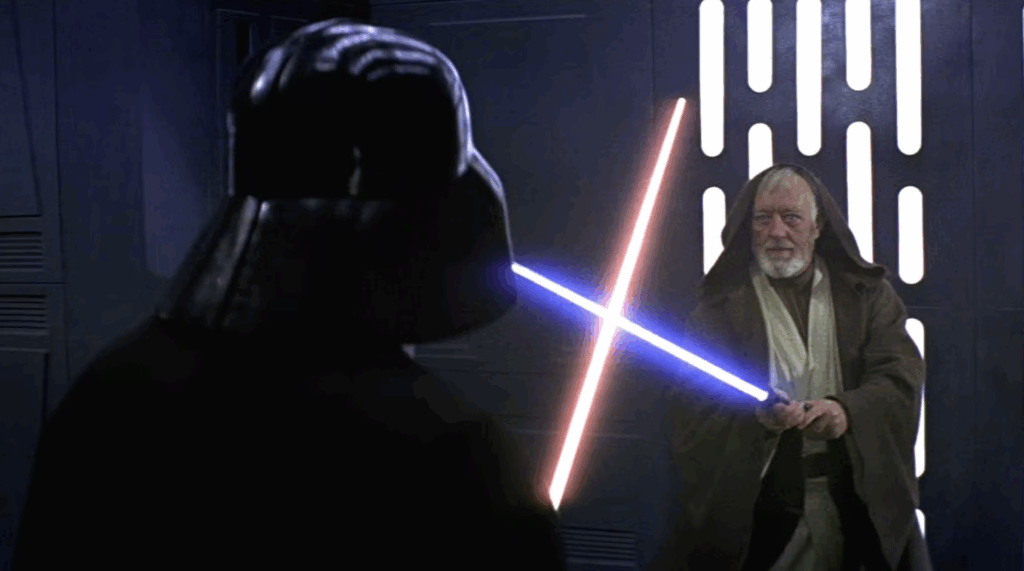
The greatest film scores of film history, from orchestral symphonies to electronic soundscapes.
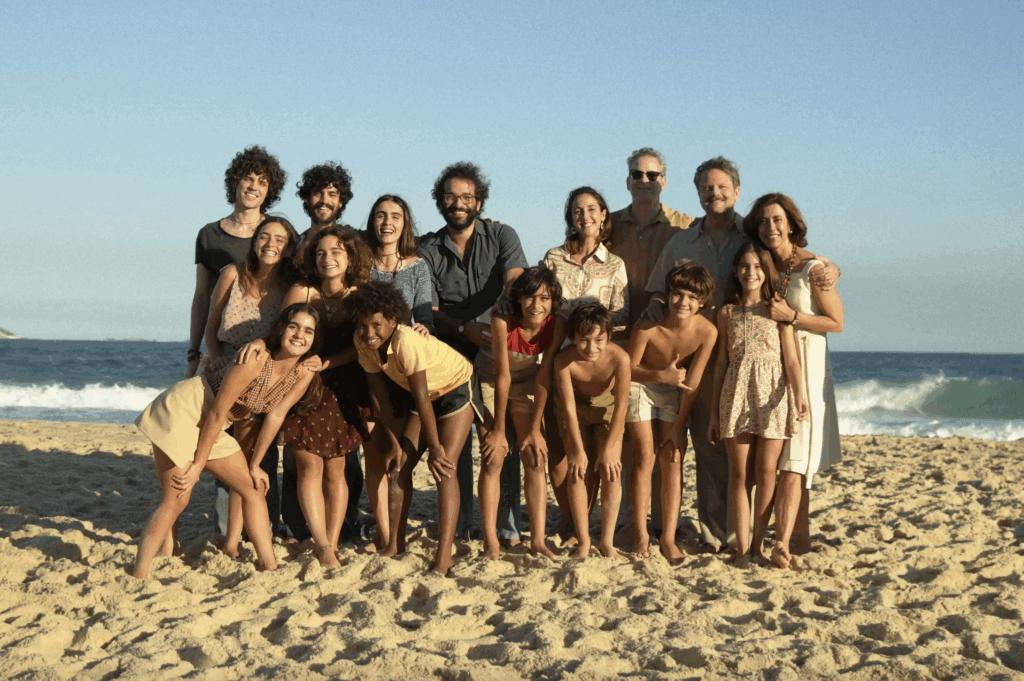
When Brazil’s plague of forced disappearances reaches a beloved father in I’m Still Here, it is up to his resilient wife to keep the shattered pieces of her family’s lives together, transforming her sorrow and trauma into a testament of selfless, compassionate resistance.
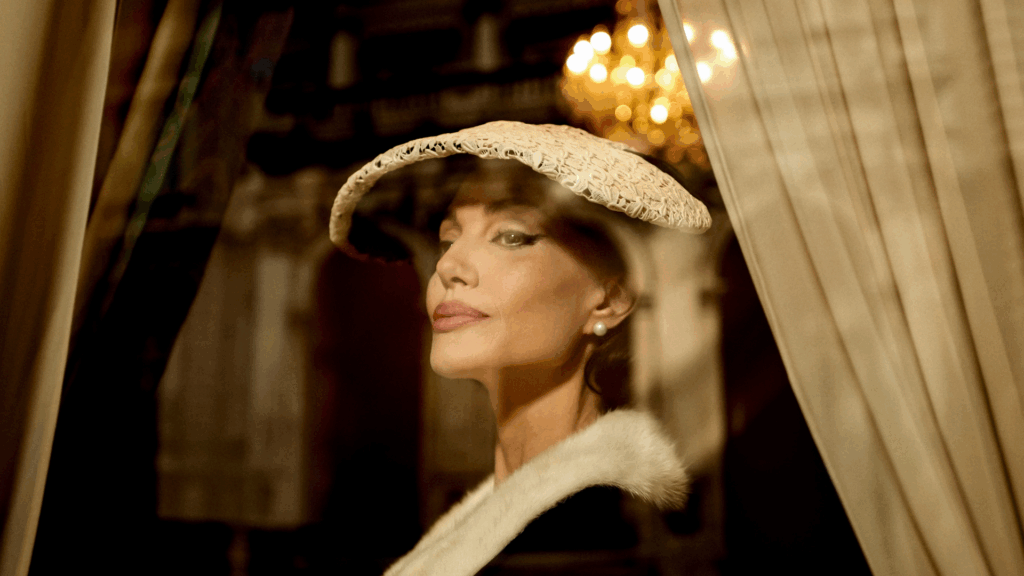
Opera singer Maria Callas’ astonishing talent is both her greatest gift and curse in Pablo Larraín’s impressionistic, melancholy biopic, simultaneously giving her reason to live and eroding her tormented soul as she wanders through the final week of her extraordinary life.