SceneByGreen

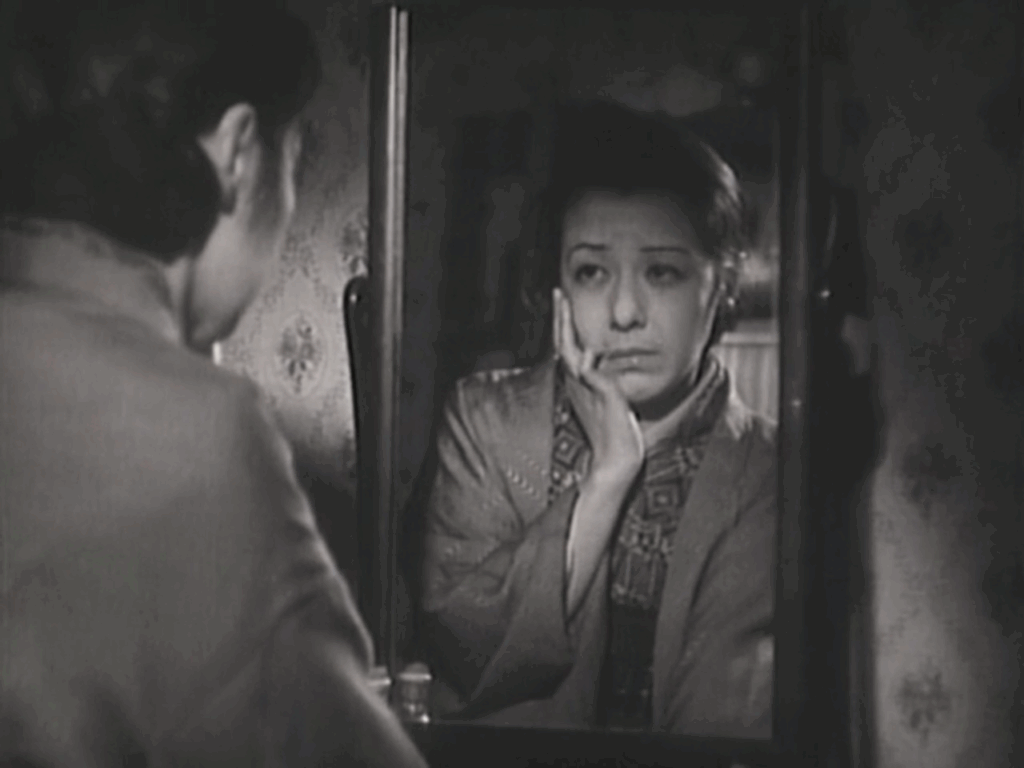
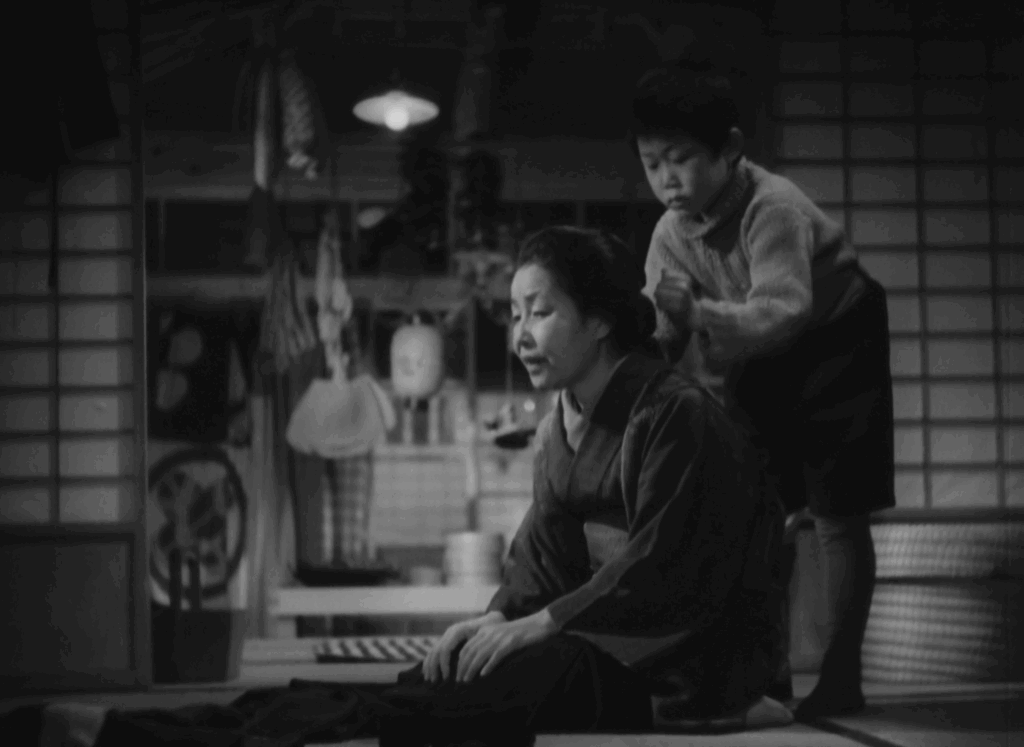
Record of a Tenement Gentleman (1947)

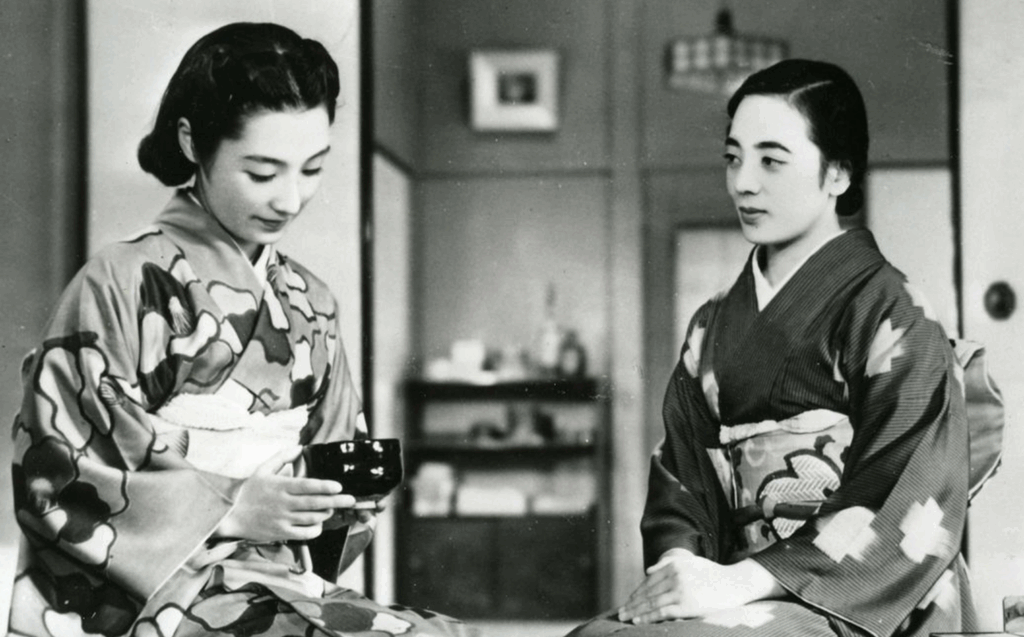
While Japan emerges from the darkness of war in Record of a Tenement Gentleman, so too does one middle-aged widow discover an unexpected compassion in her hardened heart, as Yasujirō Ozu sets in motion a spiritual transformation with the arrival of a lost child on her doorstep.
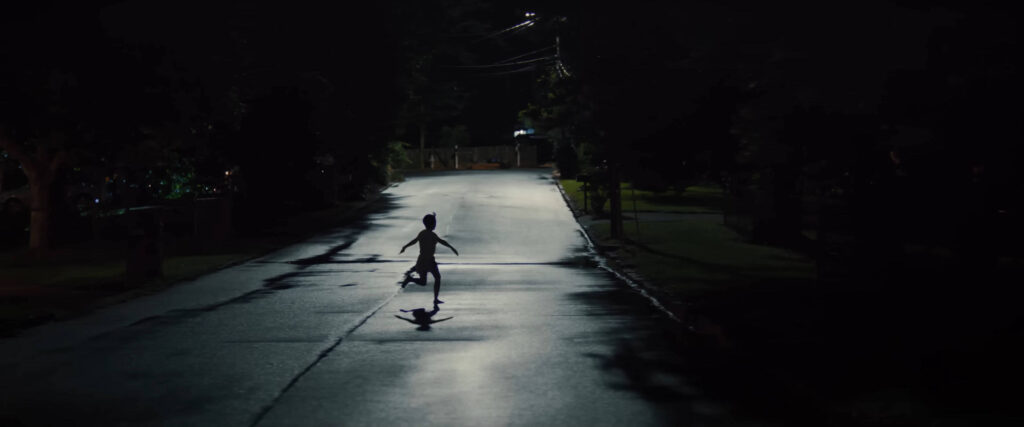
Weapons (2025)

After seventeen children from a single class mysteriously vanish in the dead of night, Weapons charts the fragmented, overlapping perspectives of the devastated community left behind, revealing its grief as a sprawling curse that Zach Cregger renders with sinister precision.

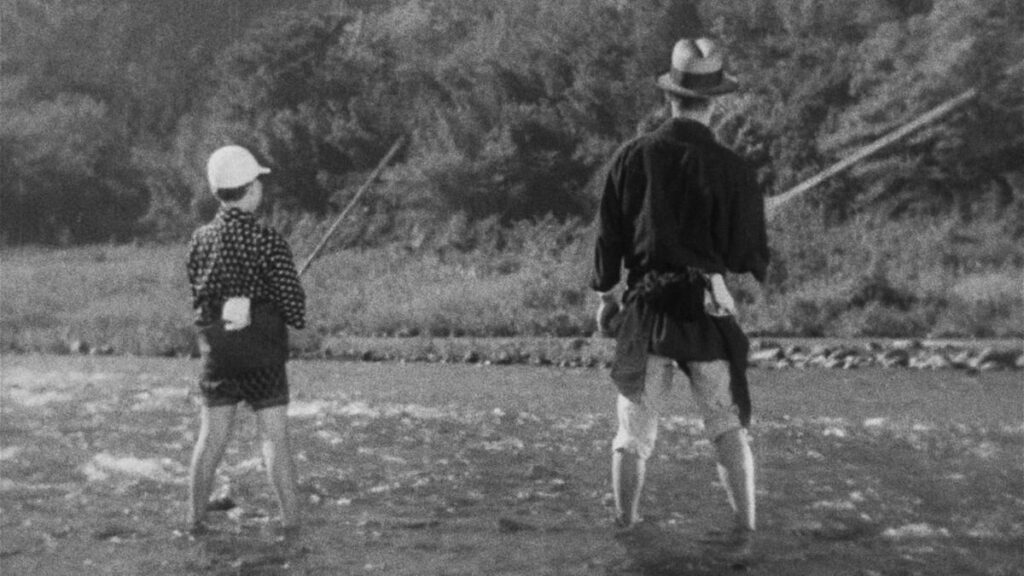
There Was a Father (1942)

Chaos is simply not part of Yasujirō Ozu’s meditative cinematic language, and There Was a Father especially asserts his proclivity for ritualistic repetition in smoothing over emotional disruptions, recognising the remarkable legacy of one former teacher whose soul is deeply etched with tragedy, grief, and guilt.

Brothers and Sisters of the Toda Family (1941)

When the patriarch of one affluent family is lost in Brothers and Sisters of the Toda Family, there is little left to hold its fragmented remains together, and Yasujirō Ozu exacts a cutting critique of those intimate bonds weakened by class privilege.

Warfare (2025)

While Alex Garland brings procedural precision to Warfare’s depiction of an ill-fated military operation, Ray Mendoza draws on his own firsthand experience to imbue it with an immersive, tactile realism, mounting tension through the real-time evolution of its descent into chaos.

The Only Son (1936)

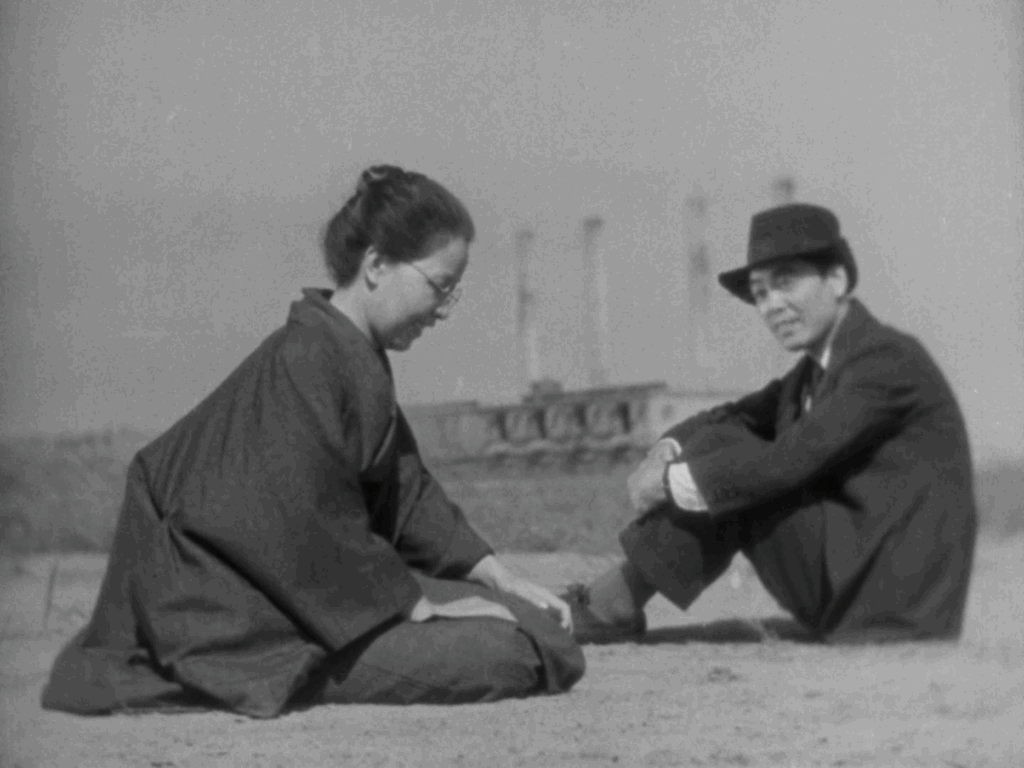
The Tokyo that Ryōsuke moves to in The Only Son is not the bustling city of opportunity he once dreamed of, but a desolate wasteland of factories and smokestacks, underscoring Yasujirō Ozu’s tale of parental expectations and disappointments with the social realities of Depression-era Japan.

A Story of Floating Weeds (1934)

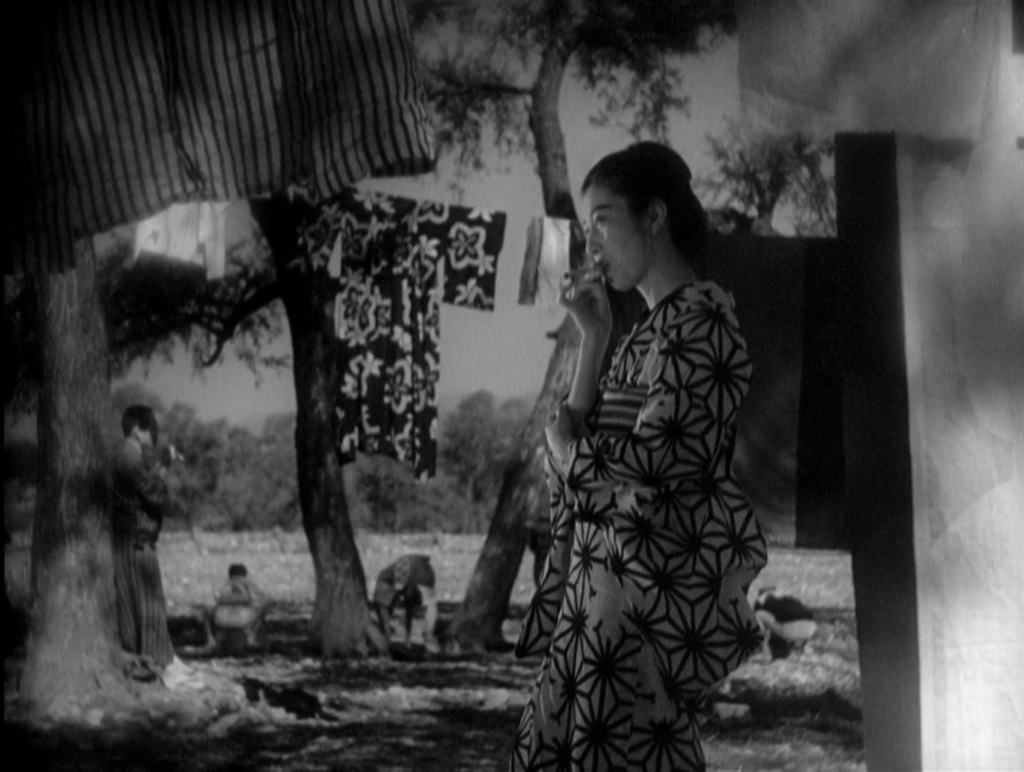
The contempt that travelling actors hold for themselves in A Story of Floating Weeds may be extreme, yet the petty drama they vindictively stoke only further condemns them to sorrowful lives, as Yasujirō Ozu examines their thorny relationships with both compassion and cynicism.

Jean Vigo: The Dreamer’s Uprising

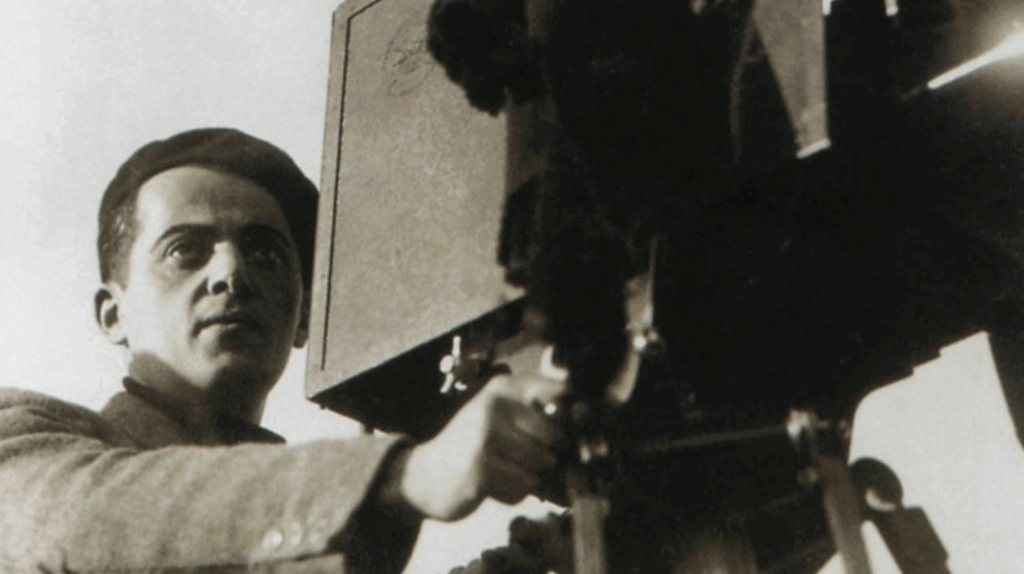
Jean Vigo’s tragically short filmography blazes with anarchic spirit and poetic invention, marrying revolutionary politics with lyrical surrealism to liberate cinema from convention, and celebrate truth in its most rebellious, heartfelt forms.

Woman of Tokyo (1933)

Woman of Tokyo does not deliver the formal impact of Yasujirō Ozu’s later masterpieces, yet there is a melodramatic tension in its exposure of one young woman’s scandalous double life, glimpsing the quiet devastation that lies beneath domestic stability.

The Fantastic Four: First Steps (2025)

Matt Shakman’s vision of the The Fantastic Four: First Steps may gesture towards greatness in its retro-futurist production design, but ultimately retreats into hollow grandeur, leaving behind a world rich in style for a superficial simulation that never dares to challenge its own utopian ideals.

Scroll to Top