2020s

Licorice Pizza (2021)

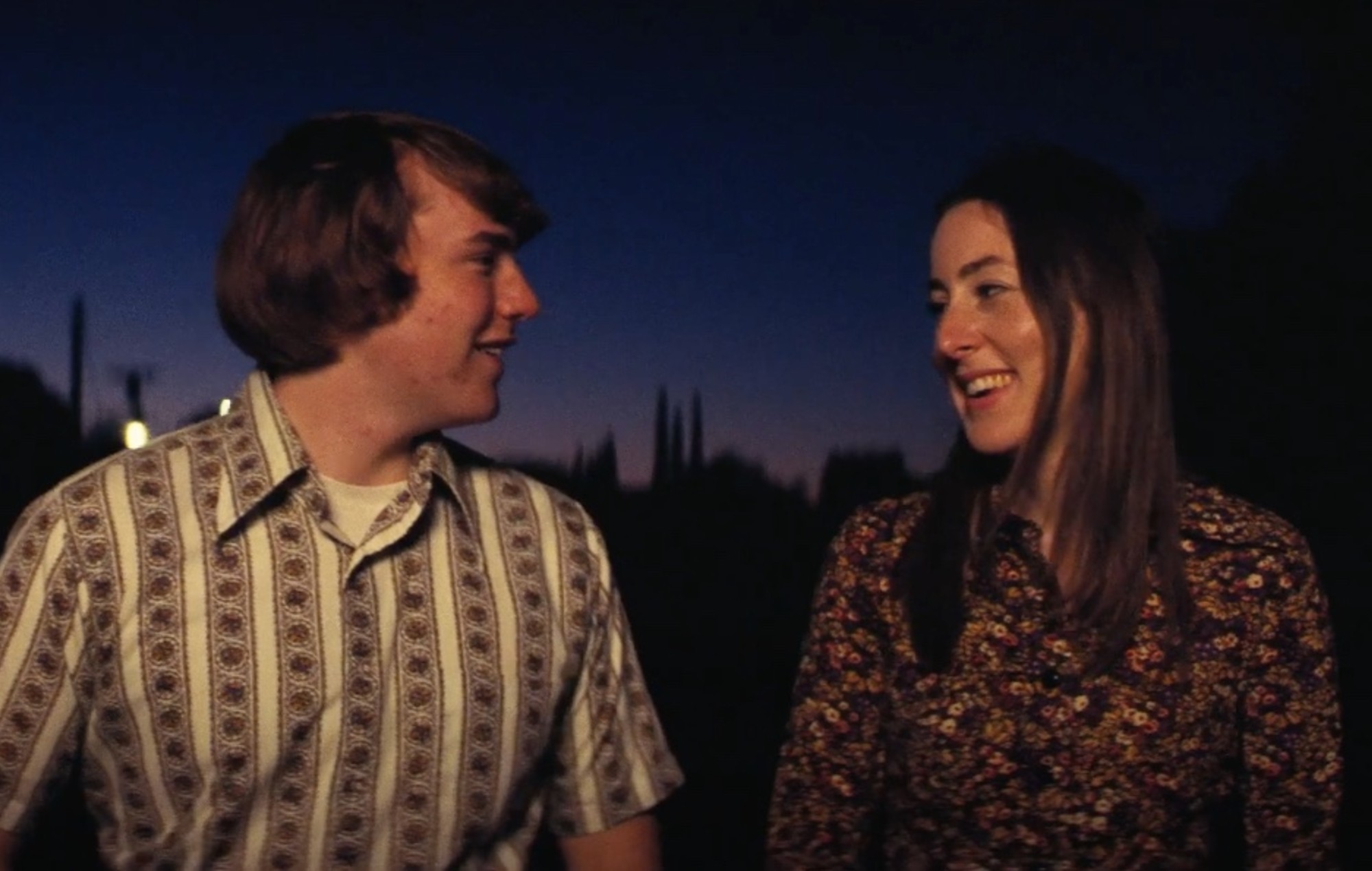
As Gary and Alana run down the streets of 1970s San Fernando Valley all through Licorice Pizza, Paul Thomas Anderson takes great pleasure in peeling back the layers of their flaws, passions, and mannerisms, building out a complicated friendship that leads us to wonder not whether they will find romantic feelings for each other, but simply whether they find each other.

West Side Story (2021)

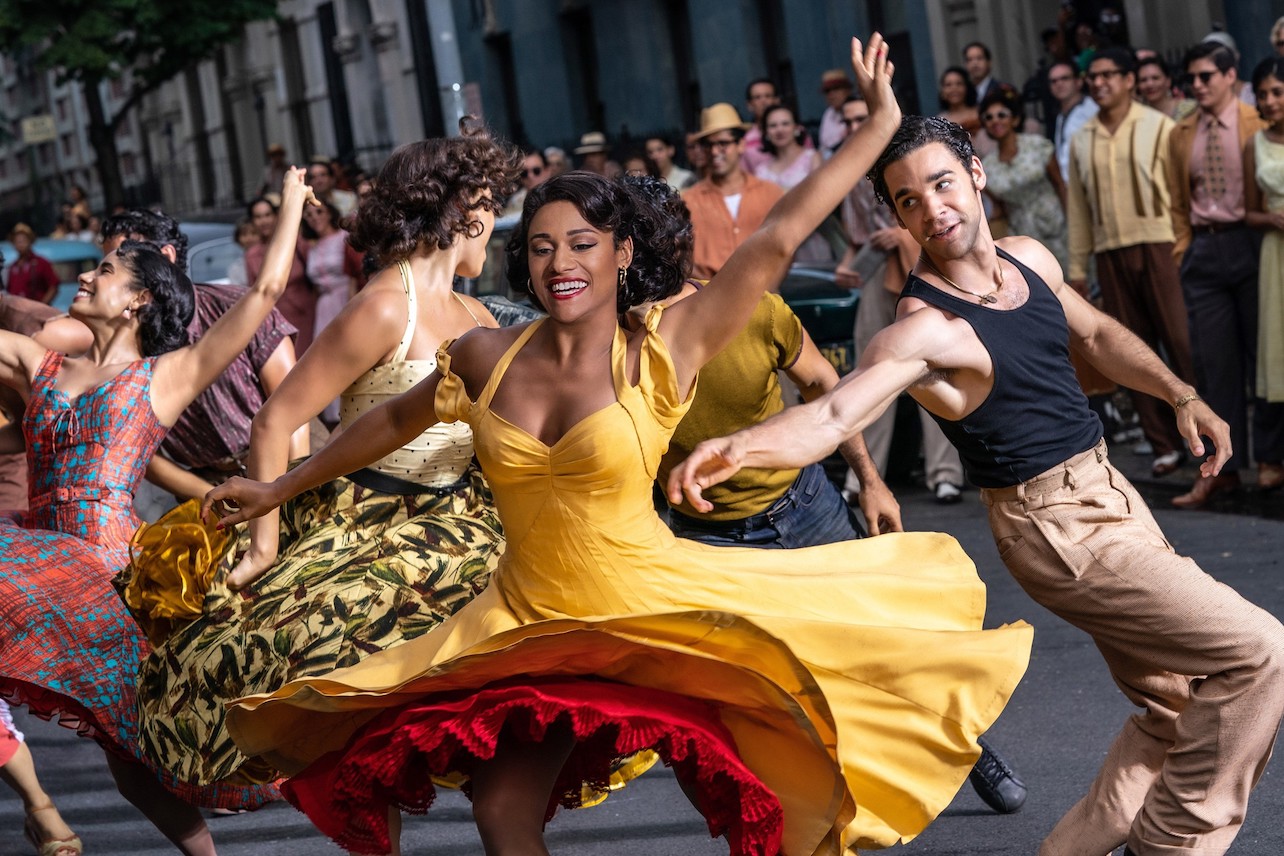
Steven Spielberg’s broad, sweeping style of iconographic filmmaking is well-suited to such classical Shakespearean stories as that which West Side Story takes its own spin on, as in this vibrantly artistic adaptation New York becomes a dystopian wasteland of gangs and hopelessly star-crossed lovers.

The Lost Daughter (2021)

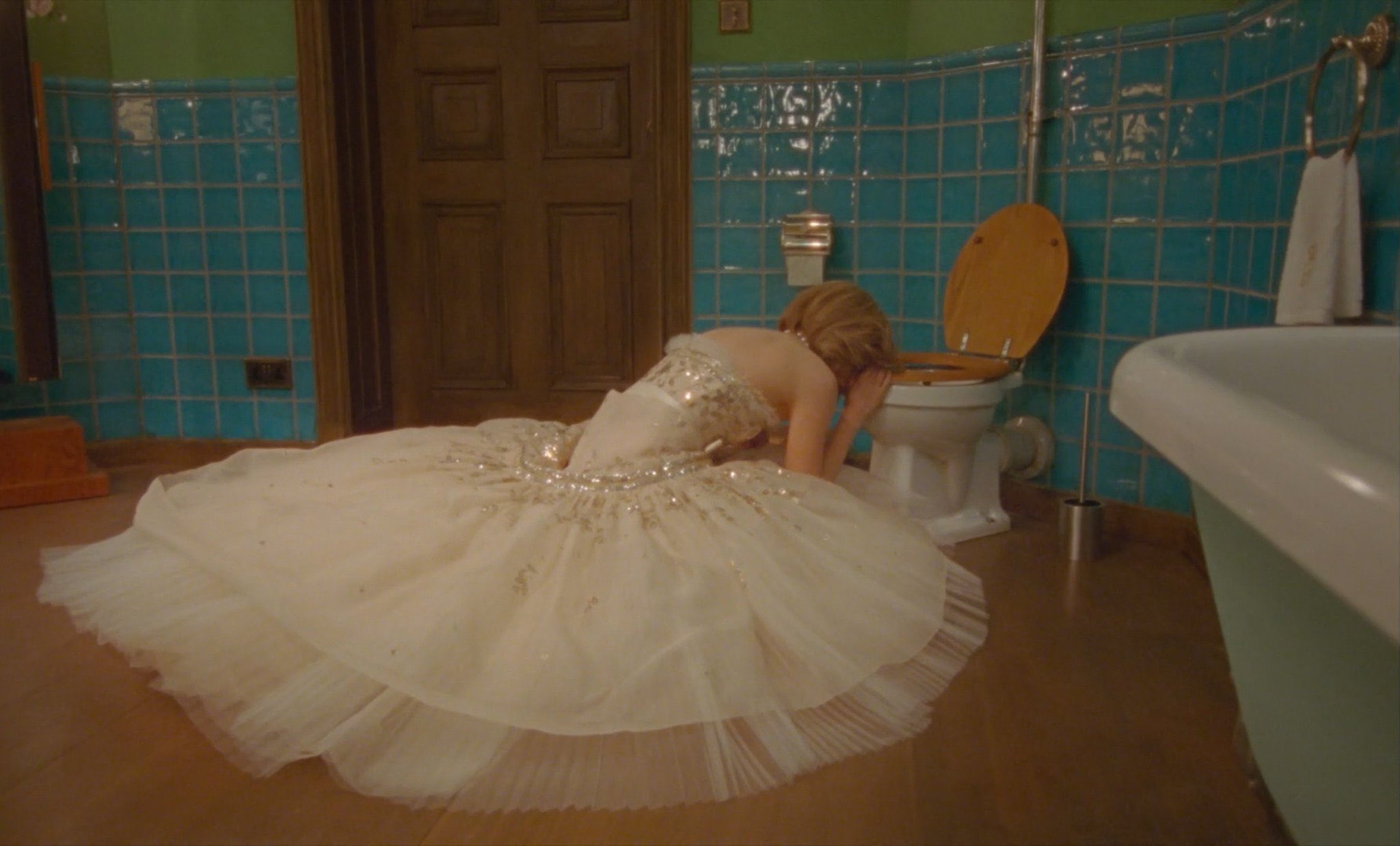
The psychological drama that Maggie Gyllenhaal unravels in her directorial debut The Lost Daughter has no inhibitions in peeling back the sensitive and thorny layers of motherhood, crafting an uneasy atmosphere of paranoia that consumes the mind of two troubled women torn between their families and the allure of freedom.

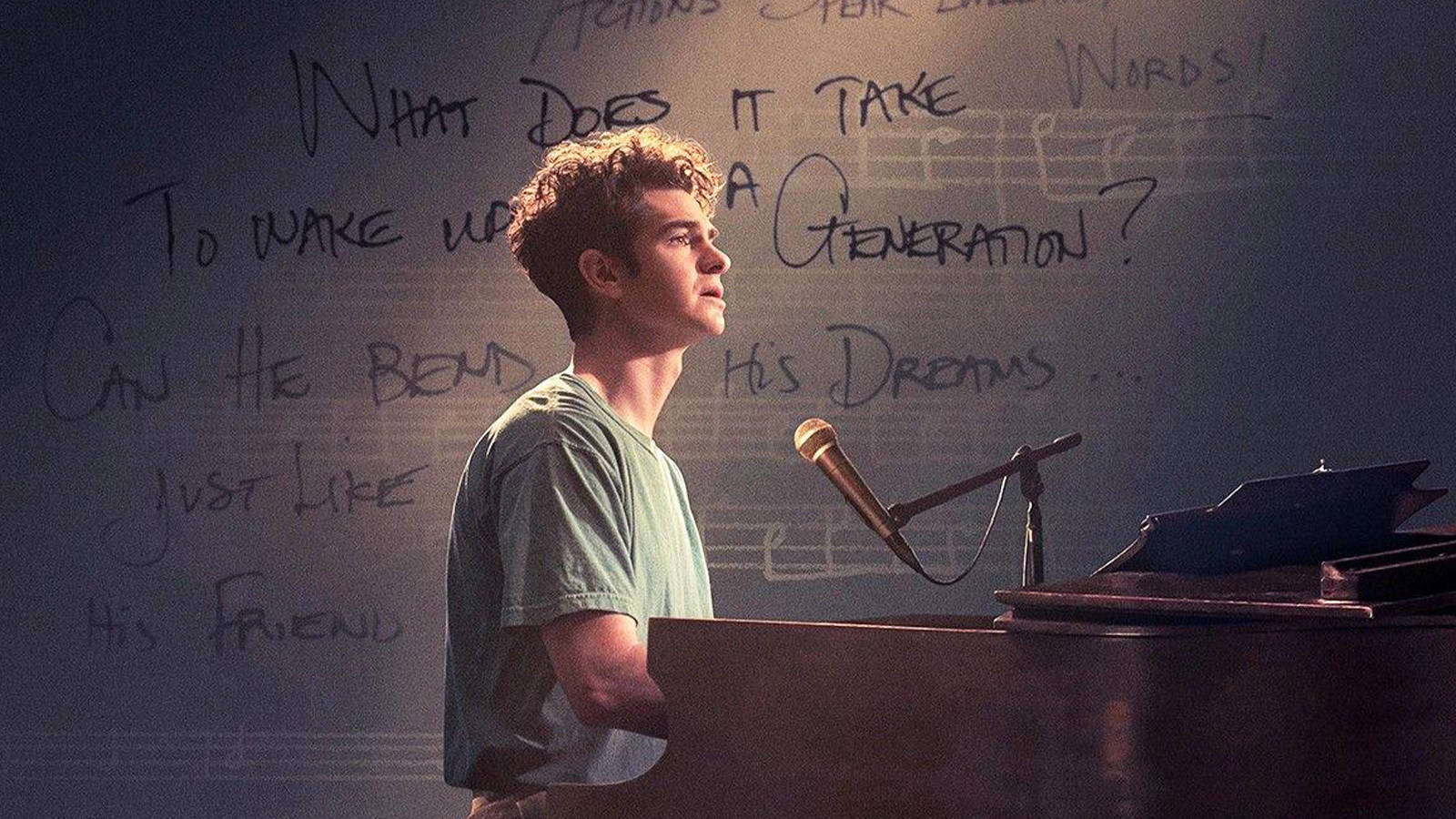
Tick, Tick… Boom! (2021)

Tick, Tick… Boom! seeps with a zest for life shared by both director Lin-Manuel Miranda and his subject of fascination, musical theatre writer Jonathan Larson, openly embracing notions of bohemia and self-aware numbers in a deconstruction of artistic ambitions, obsessions, and egos.

House of Gucci (2021)

It might be a little generous calling House of Gucci “Shakespearean”, but Ridley Scott’s decades of experience working with classical narratives and archetypes effectively turns this complicated piece of recent history into an epic tragedy of grand destinies and fallen empires.

Don’t Look Up (2021)

Don’t Look Up is sure to aggravate those who previously appreciated Adam McKay for his incisive political discernment, but the energetic storytelling and blunt, irreverent satire on display here is more an act of angry, hilarious, and provocative catharsis than anything else.

The Card Counter (2021)

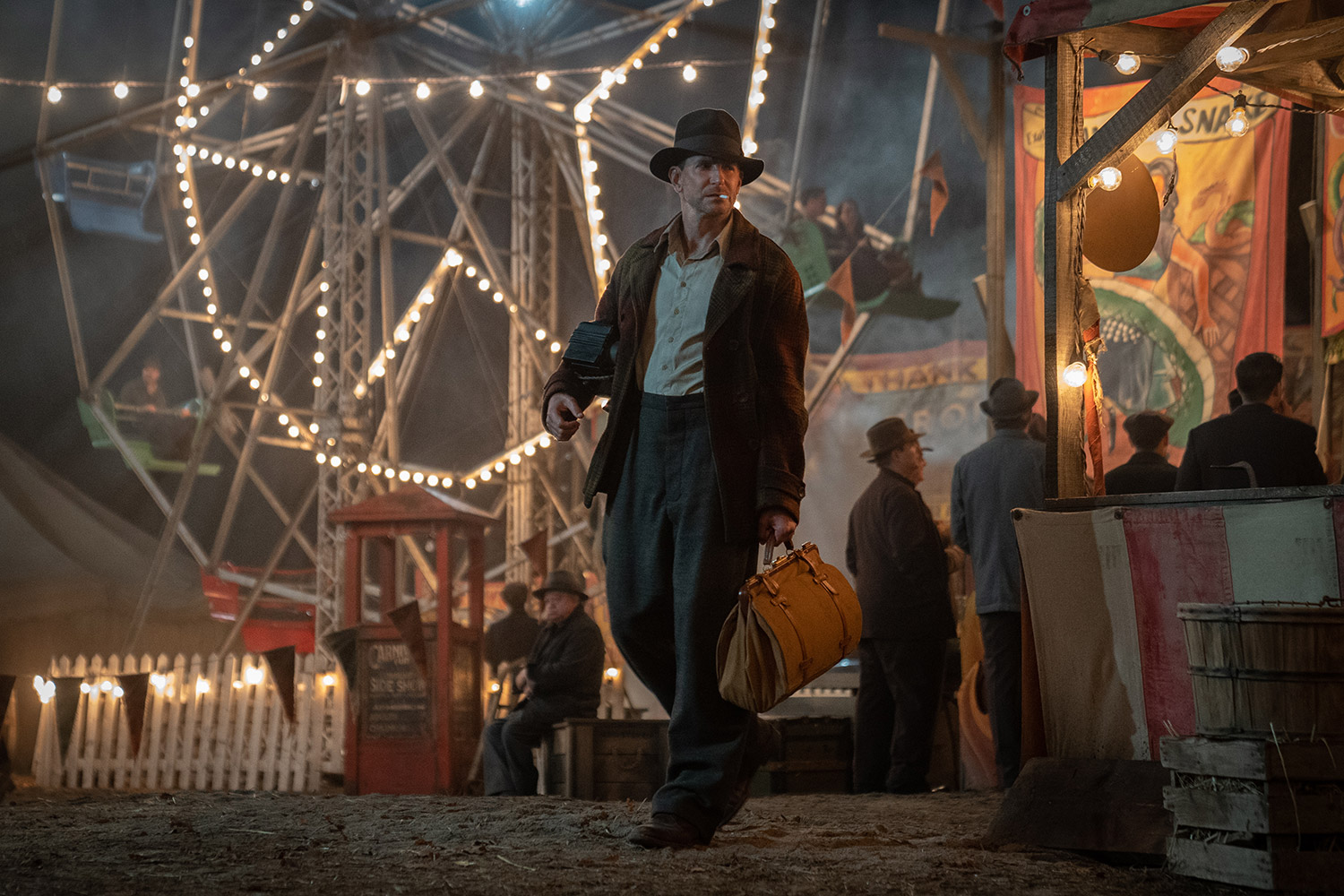
Though sin has implanted itself firmly in the soul of gambler William Tell, his attempts to soften its impact by putting up physical and emotional barriers between him and his environment points towards a deep complexity in his character, as Paul Schrader turns The Card Counter into a masterfully rigorous study of regret, self-discipline, and atonement.

Squid Game (2021)

In building out its characters in rich enough detail that both thrilling set pieces and quieter moments of drama are able to operate on equally gripping levels of tension, Squid Game forms a layered microcosm of cruel, barbaric capitalism in South Korea.

The Power of the Dog (2021)

Within the mesmerising power plays between ranchers, mothers, and sons of The Power of the Dog, Jane Campion paints out duelling images of the Old West, neither of which clash in violent shootouts so much as they quietly manipulate each other according to their own visions of America’s future.

The French Dispatch (2021)

Never has Wes Anderson tied his ethos as a storyteller so closely to characters who similarly wish to offer a jaded world their fresh insights into its unique, distinctive beauty, as here in The French Dispatch he serves up an enchanting, episodic dedication to the passion and nostalgia of old-fashioned print journalists.

Scroll to Top