2000s

A.I. Artificial Intelligence (2001)

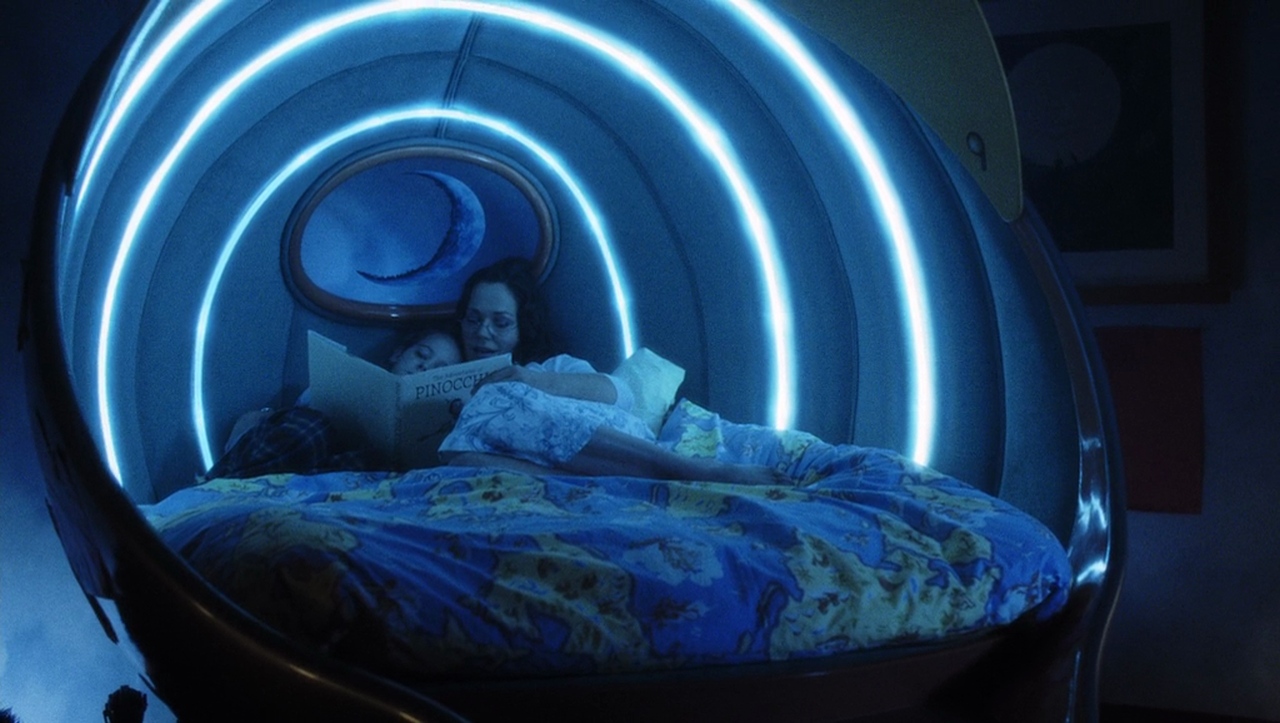
It is one thing to have the emotional capacity to love, Steven Spielberg posits in the heartrending sci-fi fable of A.I. Artificial Intelligence, yet only by feeling the warmth of that unconditional love in return can one experience the full joy of being human, as one robotic child discovers on his journey through futuristic landscapes towards spiritual validation.
Saraband (2003)

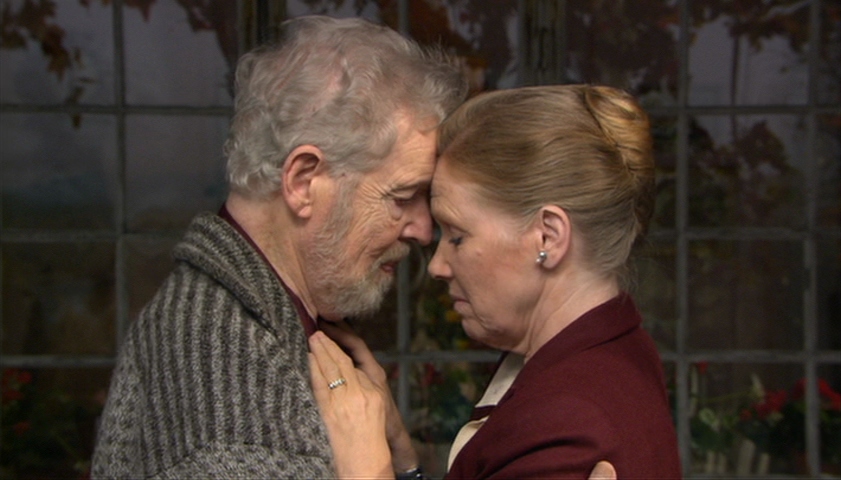
Ingmar Bergman’s contemplations of regret and old age in Saraband are far more grounded in his firsthand experiences than ever before, as his final film reunites the ex-lovers from Scenes from a Marriage to consider the echoes of family trauma throughout generations, and finds a soothing, spiritual peace in the act of reminiscence.

Synecdoche, New York (2008)

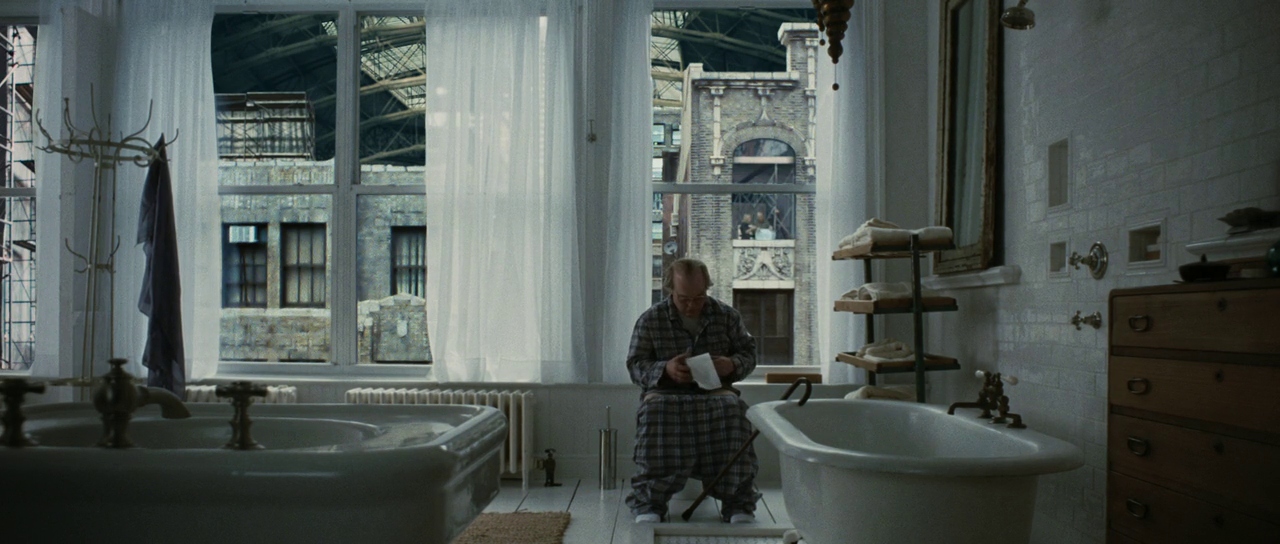
The formal ambition on display in Synecdoche, New York’s existential, postmodern allegory is equal parts staggering and confounding, transporting us into an absurdist meta-reality that gradually reveals the narcissistic insanity of Charlie Kaufman’s self-obsessed theatre director, and his exponentially sprawling vision of bloated artistic ego.

Lady Vengeance (2005)

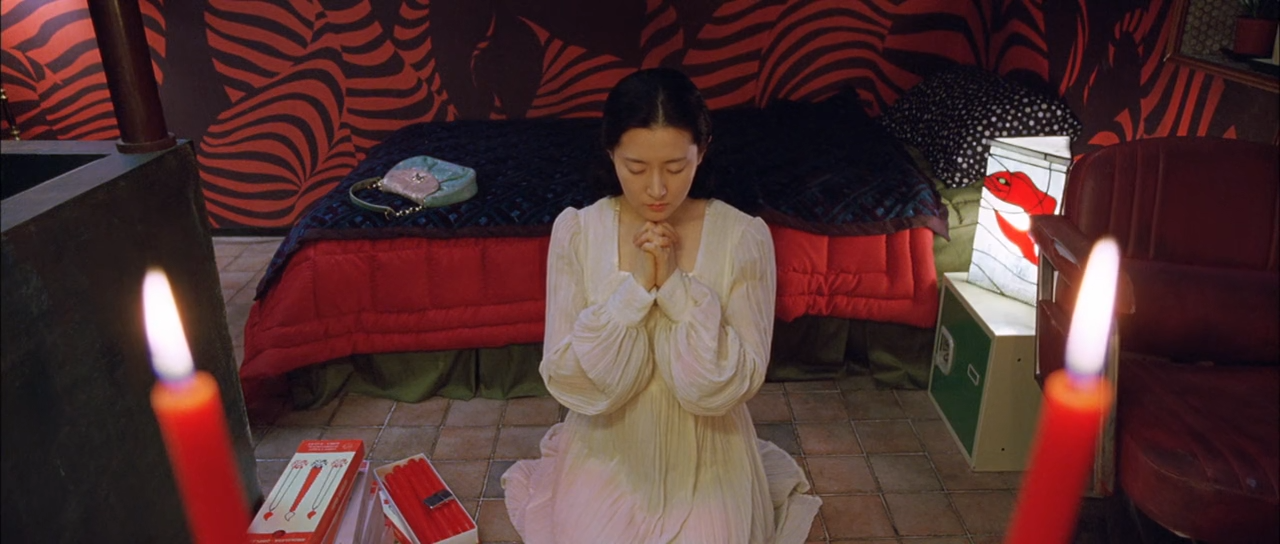
The loss of innocence is no small tragedy in Lady Vengeance, and yet there is an elegant restraint to one ex-convict’s retribution against the serial killer who groomed and framed her, further drawn through Park Chan-wook’s stylish aesthetic as he considers the destructive co-dependency of purity and corruption.

Sympathy for Mr. Vengeance (2002)

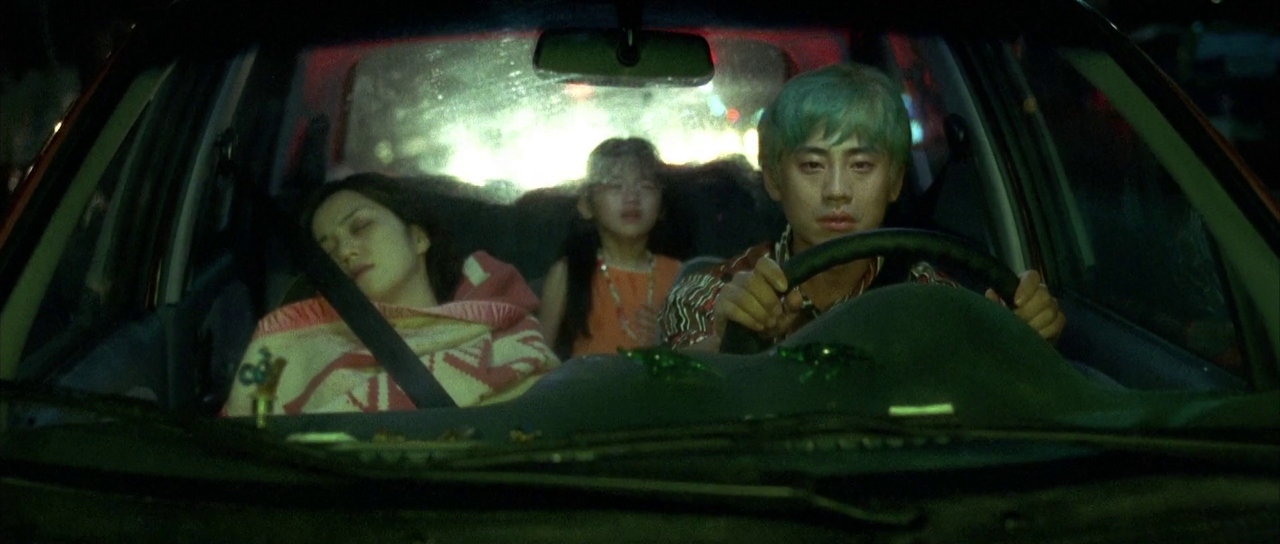
Violent retribution is not a solution in Sympathy for Mr. Vengeance, but an endless chain of wounded victims seeking mutually assured destruction, delineated with cool precision in Park Chan-wook’s murky green palette, measured pacing, and formal mirroring of two parallel men on futile quests for justice.

4 Months, 3 Weeks and 2 Days (2007)

Leading the peak of the Romanian New Wave, Cristian Mungiu turns his government’s historic oppression into the pervasive, unseen antagonist of 4 Months, 3 Weeks and 2 Days, haunting the dangerous attempts of two women to secure an illegal abortion with a passive cruelty that lingers in long takes, and holds us in its tight, uncompromising stranglehold.

Atonement (2007)

Whether Briony could ever find genuine redemption after irreparably destroying the lives of two lovers is the provocative question that she may never get an answer to, and in Joe Wright’s impressionistic camerawork and ever-shifting structure, we too find it eerily winding its way through Atonement’s formal puzzle of lies, truths, and alternate perspectives.

Avatar (2009)

Avatar may not be James Cameron’s most consistently flawless work, but it is certainly at least his most purely ambitious, using innovative digital technology to serve his incredible visual artistry and immersive worldbuilding, both of which place this rich, ecological allegory among the most monumental achievements of genre filmmaking.

I Killed My Mother (2009)

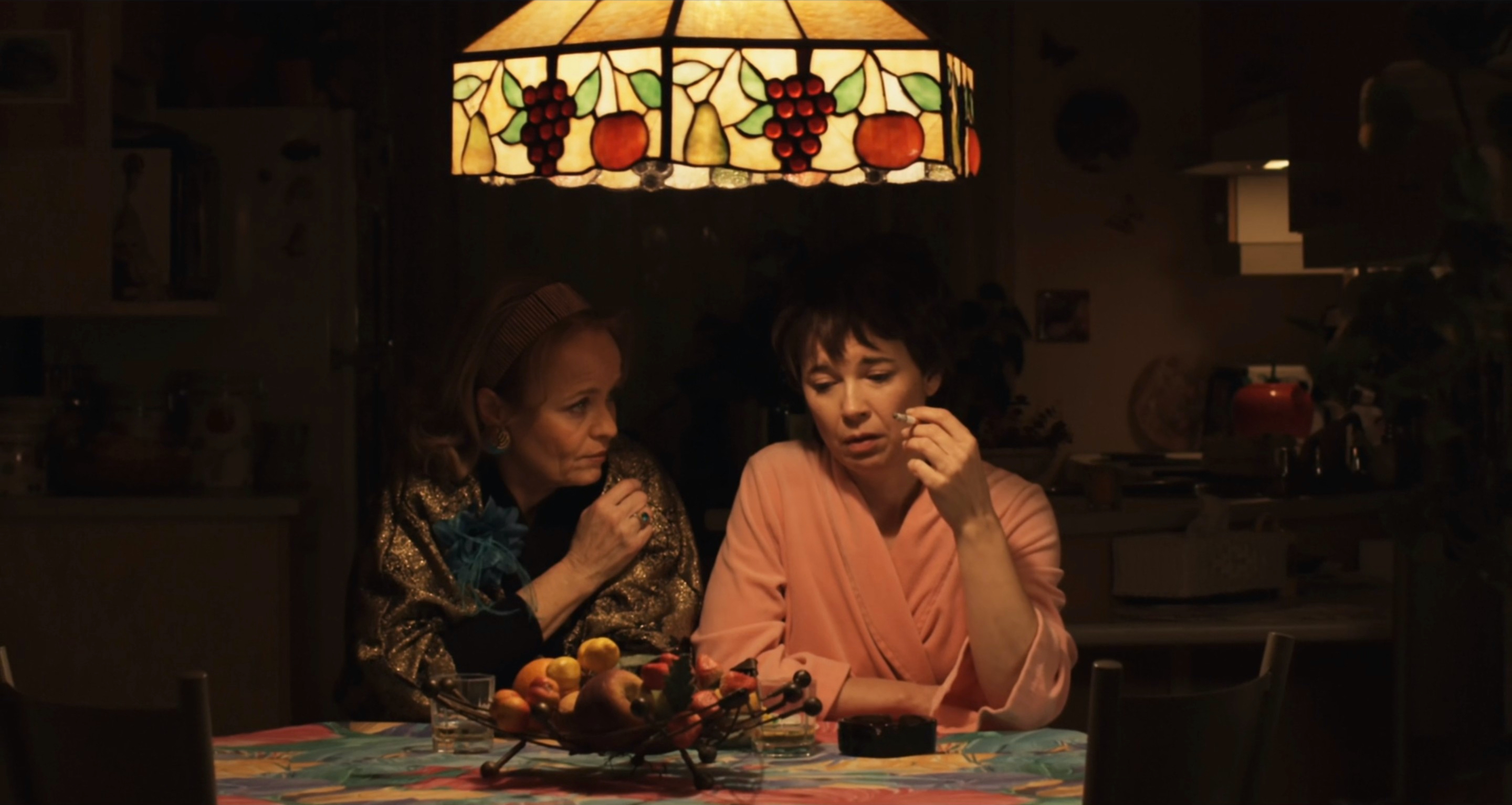
Though the title I Killed My Mother explicitly refers to Hubert’s lie that his titular parent is dead, it also becomes apparent that this is something she painfully experiences every single day, revealing a remarkably mature voice in 19-year-old director Xavier Dolan who radiates these complex character dynamics out into a neatly composed visual style and rhythmic formal structure.

Punch-Drunk Love (2002)

Random chaos defines Barry Egan’s world in Punch-Drunk Love, reaching out across his work and personal life to diminish his meek existence, and yet there is a balanced coordination across every level of Paul Thomas Anderson’s incredibly formal filmmaking in this offbeat romantic comedy that finds colourful, delicate harmony among the dissonance.

Scroll to Top