
1990s

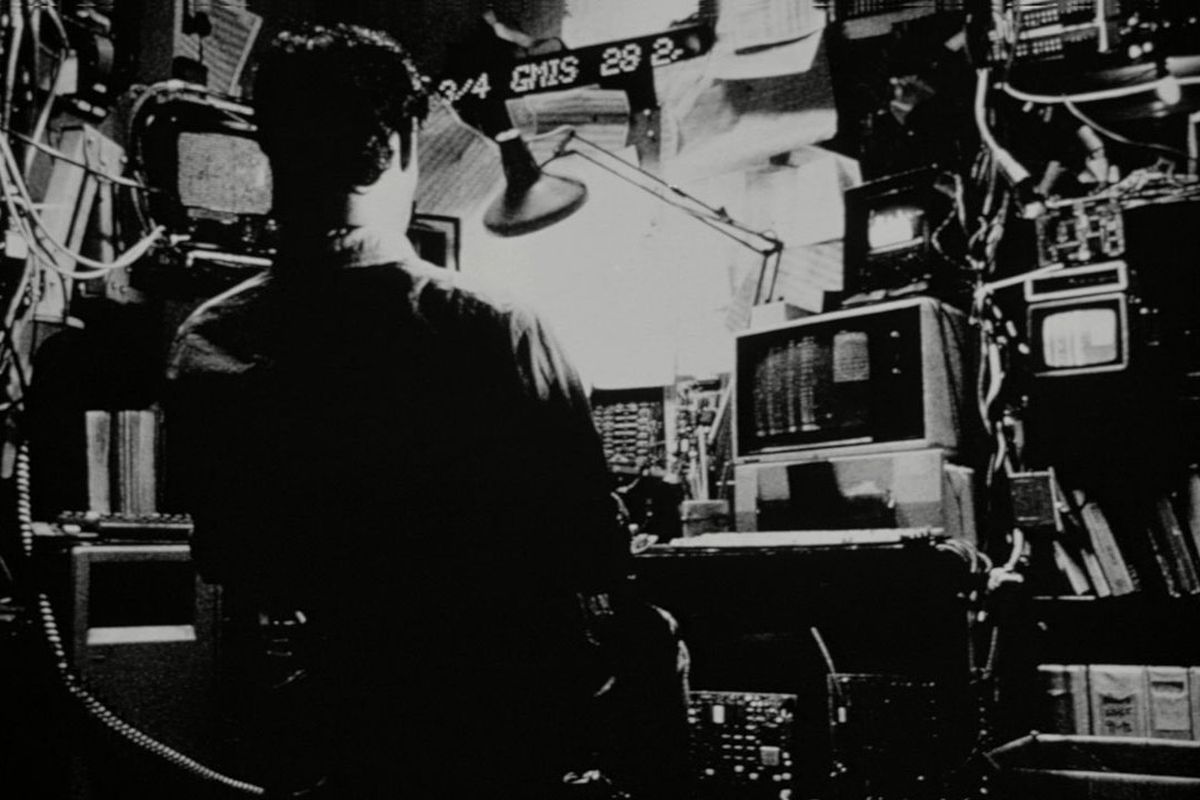
Star Wars: Episode I – The Phantom Menace (1999)

George Lucas’ myth-making ambitions are undoubtedly bold in The Phantom Menace, serving as a visually and narratively uneven foundation to the darker chapters ahead, yet resolutely daring to ignite the slow-burning fuse of the Star Wars saga’s most tragic, fateful transformation.
Beau Travail (1999)

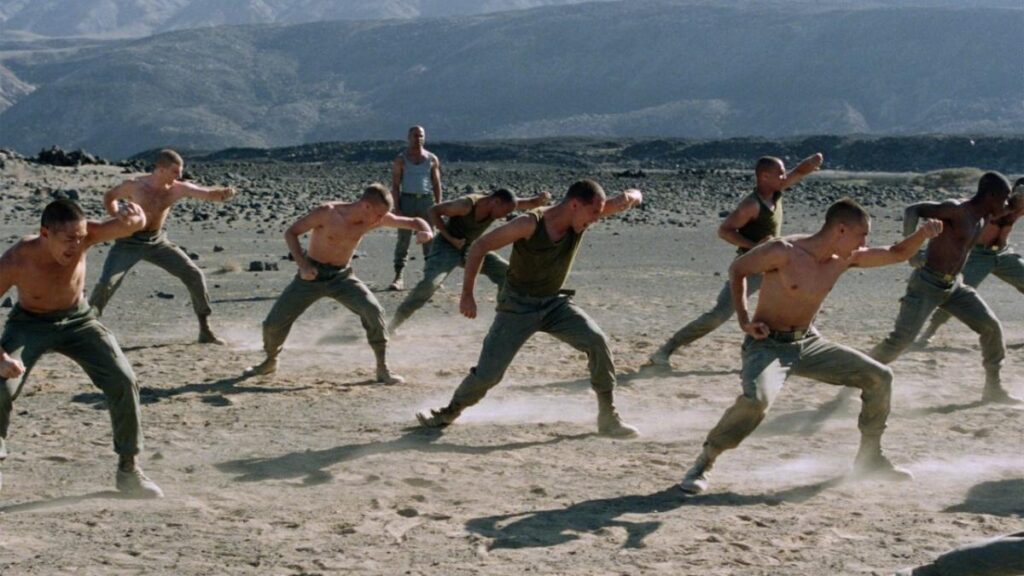
Claire Denis crafts a hypnotic meditation on masculinity, repression, and colonial alienation in Beau Travail, tracing one soldier’s obsessive jealousy within the French Foreign Legion, and rendering the human body a vessel of both discipline and desire.

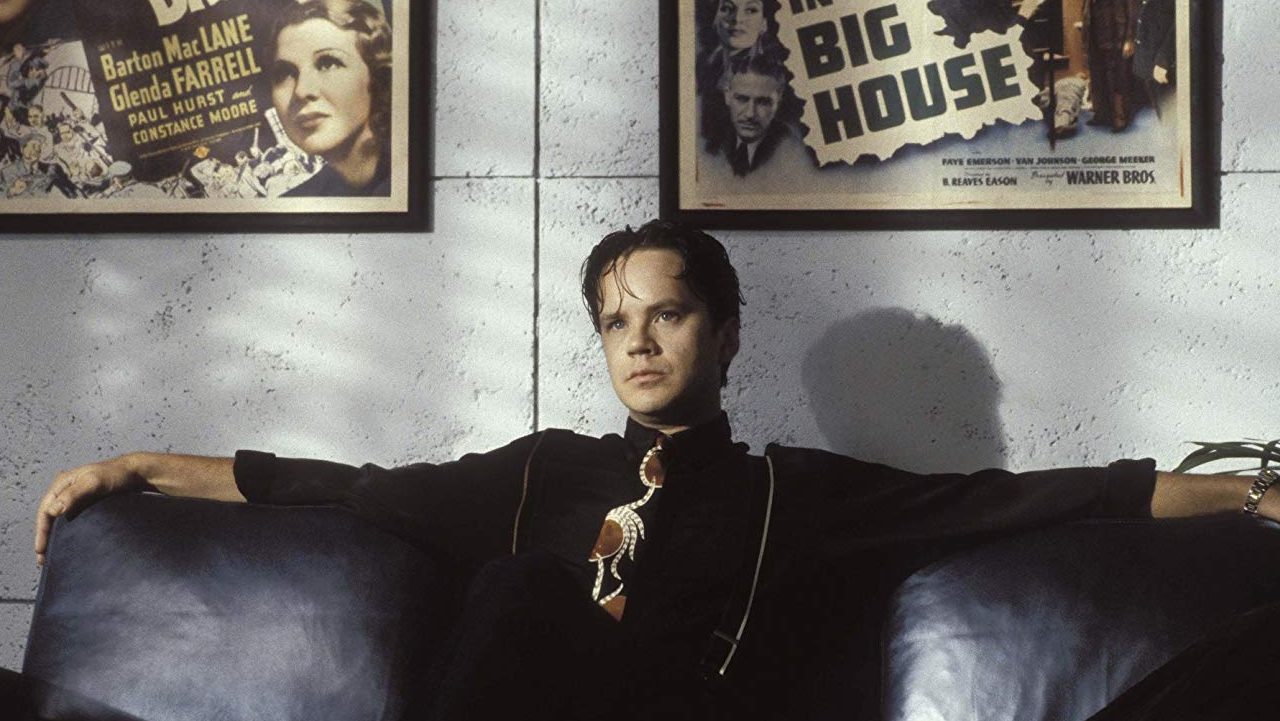
Barton Fink (1991)

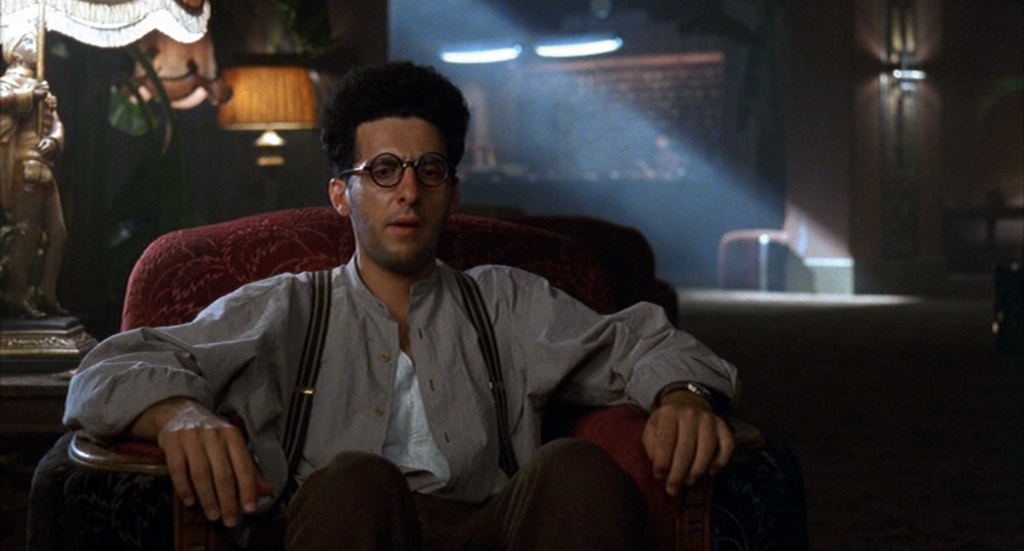
Within the spectacle, symbolism, and absurd formal patterns of Barton Fink, the Coen Brothers expose one aspiring screenwriter’s intellectual hypocrisy, trapping him in a hellishly elusive puzzle box beyond comprehension.

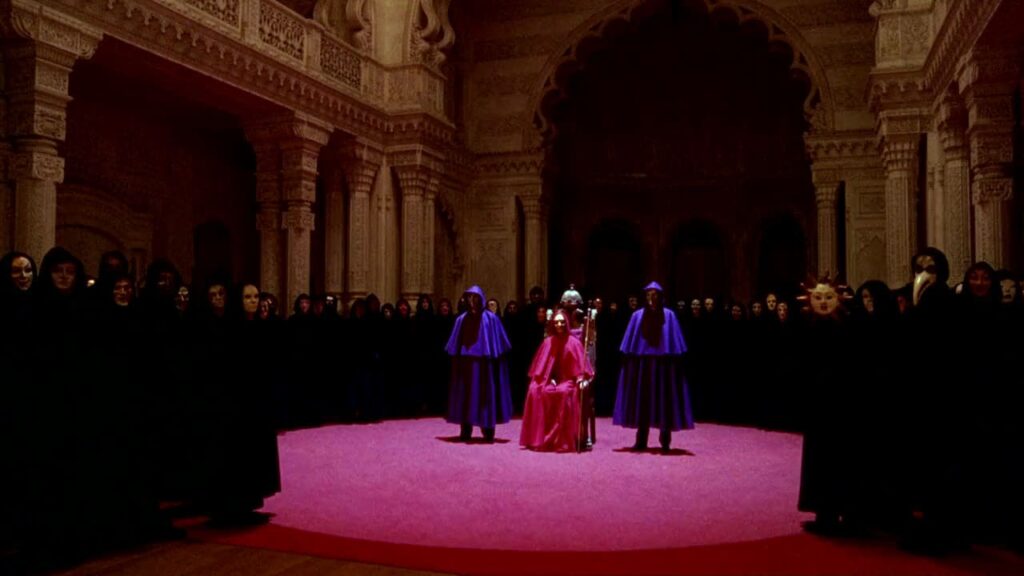
Eyes Wide Shut (1999)

By plunging one unfaithful husband into the depths of an erotic cult and traversing a hazy underworld of dreams in Eyes Wide Shut, Stanley Kubrick eerily reveals those depraved, shadowy figures that live inside us all, and the invisible power they hold over our minds, societies, and humanity.

The Last of the Mohicans (1992)

Michael Mann’s grand mythologising of colonial America forecasts a solemn future in The Last of the Mohicans, and yet it is also through the cross-cultural relationships formed between Europeans and Native Americans that seeds of harmony are planted, miraculously blooming in the unfertile soil of war.

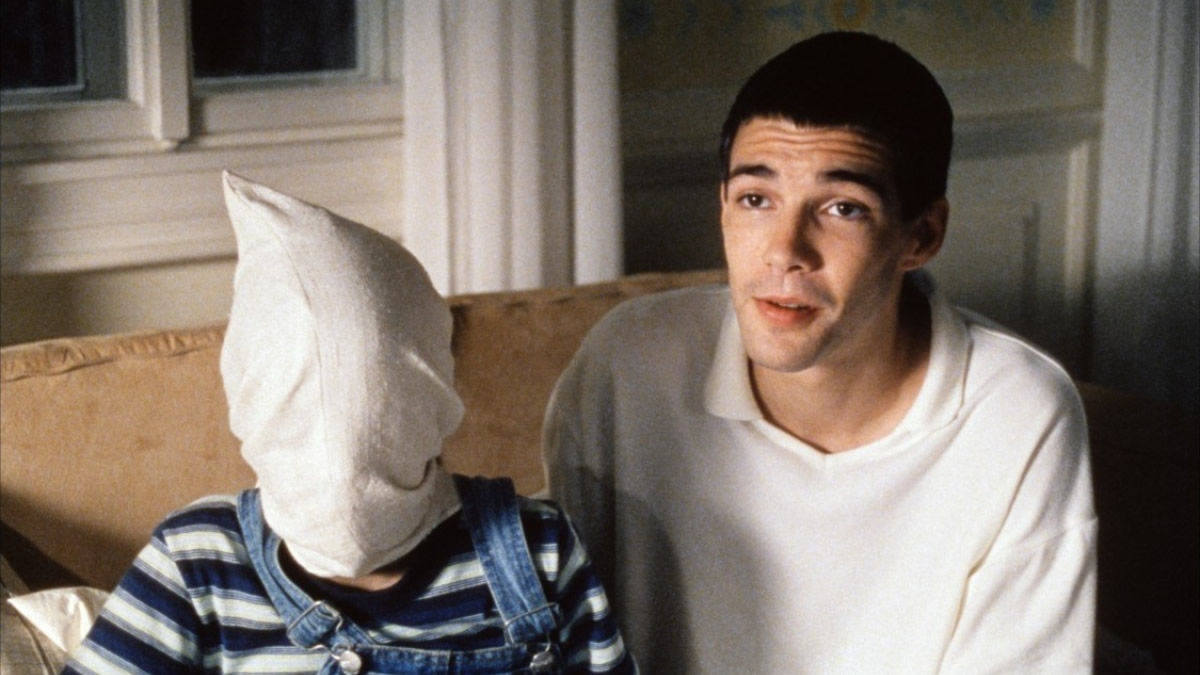
Funny Games (1997)

There is a perverse ritualism to the torture that two young strangers exact on one helpless family in Funny Games, and yet in Michael Haneke’s disturbing piece of horror metafiction they are simply the storytellers serving the gratuitous tastes of us, their audience, who guiltily respond to their sadistic manipulation of narrative conventions with fear, shock, and awe.

The Player (1992)

Through the satirical crime plot of a movie studio executive who accidentally kills a rejected writer, The Player offers a subversive metacommentary on a modern, commercialised Hollywood that places profits above art, as Robert Altman disturbingly exposes an insidiousness baked into its manufactured narrative conventions.

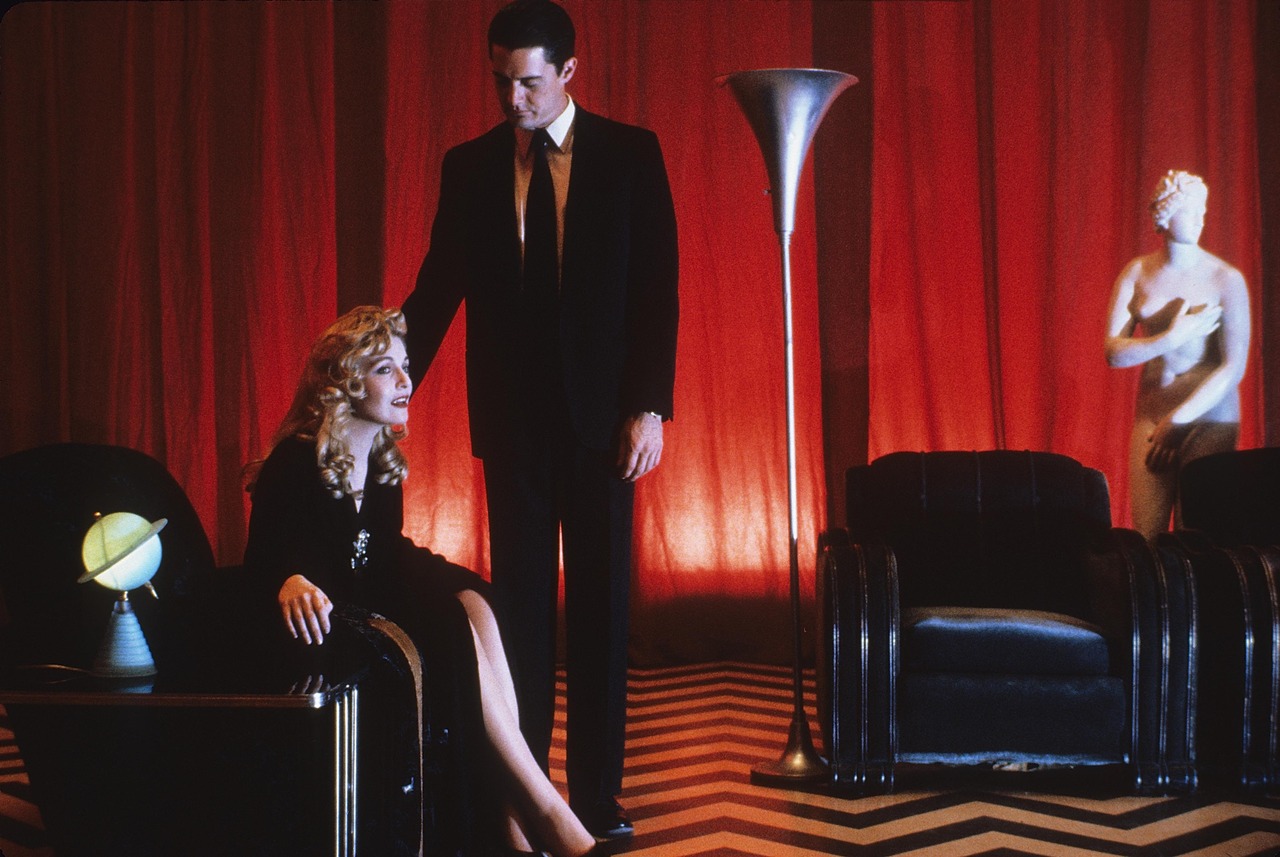
Twin Peaks: Fire Walk with Me (1992)

Salvation is but a distant dream for doomed prom queen Laura Palmer in Twin Peaks: Fire Walk with Me, even as its shallow façade casts a sleepy spell over her blissfully deluded town, letting this all-American sweetheart spiral into a tragic self-destruction brought on by unresolved traumas drawn out through David Lynch’s surreal, psychological horror.

Pi (1998)

True order is found not by trying to penetrate a complex universe in Pi, but rather by accepting its dazzling, wondrous incomprehensibility, as Darren Aronofsky conducts a character study of psychedelic focus that submits us to one mathematical genius’ delusional obsessions.

Naked (1993)

Like a man ready to tear the world down with him on his way to hell, there is no real direction to Johnny’s intellectual bullying through London’s nocturnal streets in Naked, yet around him Mike Leigh constructs a character study of such immense nihilism that even he can’t escape the miserable darkness he emits.

Scroll to Top