
1962

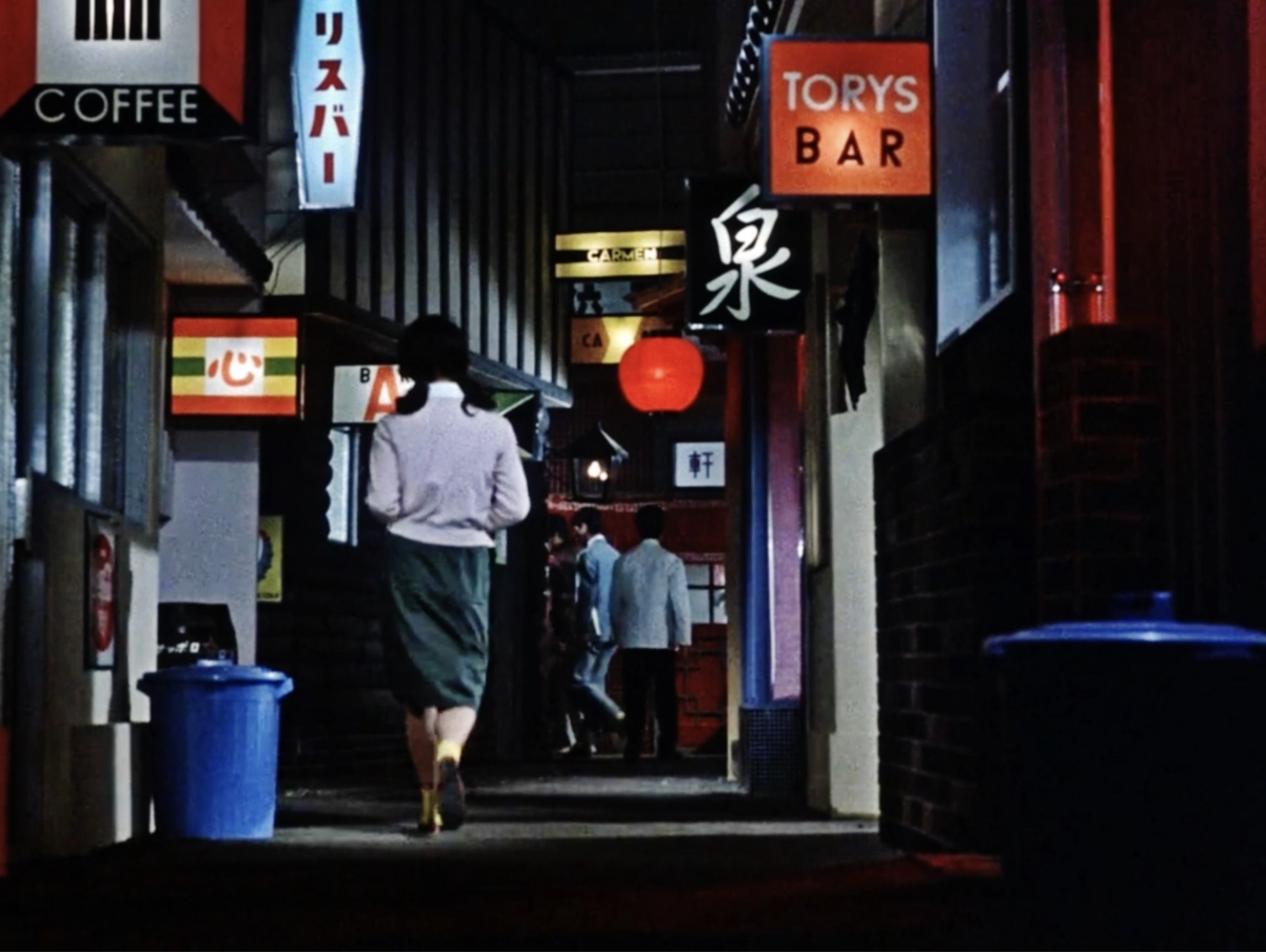
An Autumn Afternoon (1962)

If Yasujirō Ozu’s filmography is a cinematic suite charting the tension between tradition and progress, then An Autumn Afternoon stands as a tender final movement, tracing a widowed father’s reluctant push to marry off his daughter amid Japan’s mid-century commercialism.
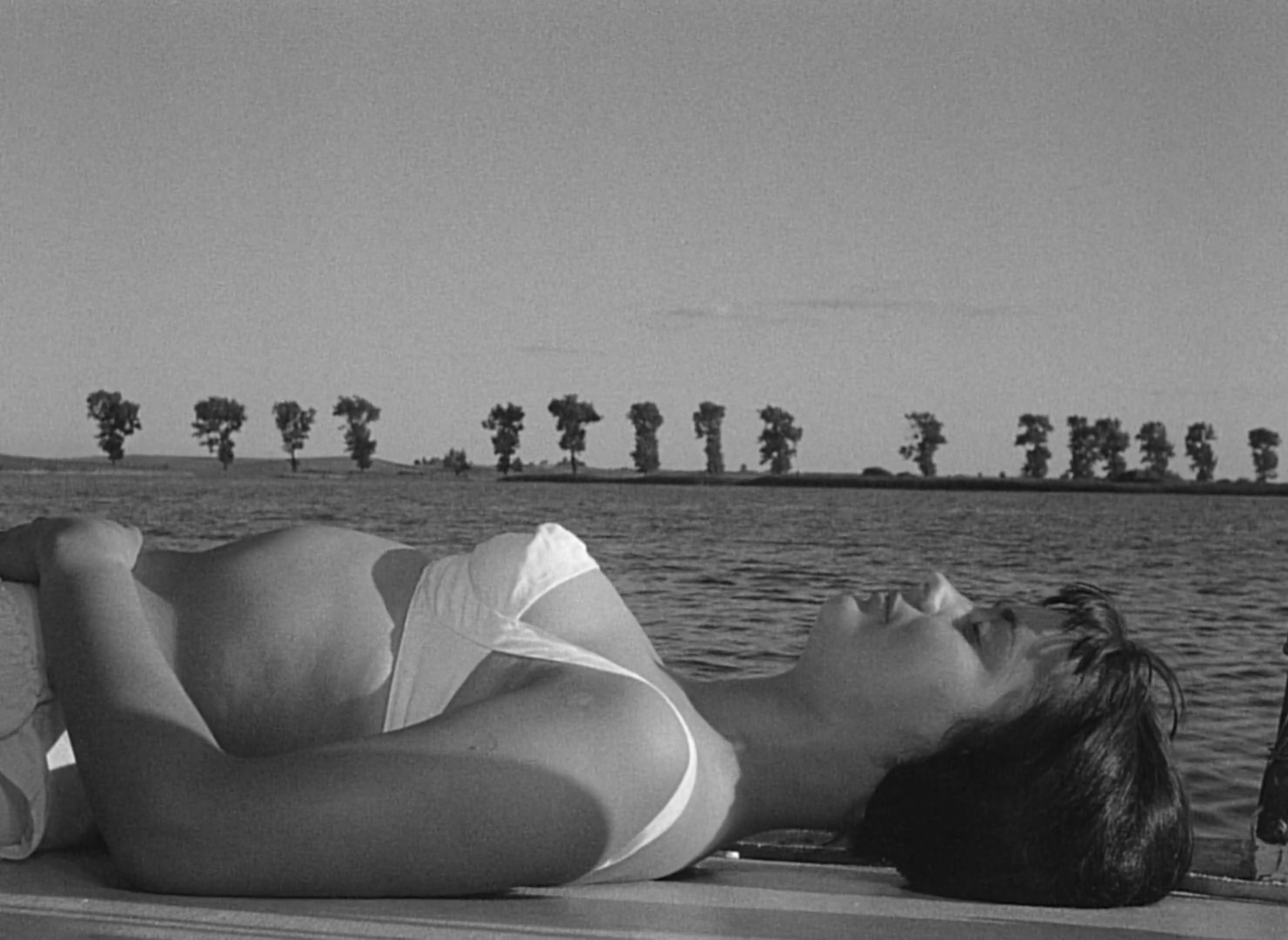
Knife in the Water (1962)

Although the hitchhiker in Knife in the Water is spontaneously invited along as a plaything on a wealthy couple’s yacht, the insecurity he sparks transcends class boundaries, as Roman Polanski acutely stages a series of power plays that slowly strips away pretensions of dignity and moral character.

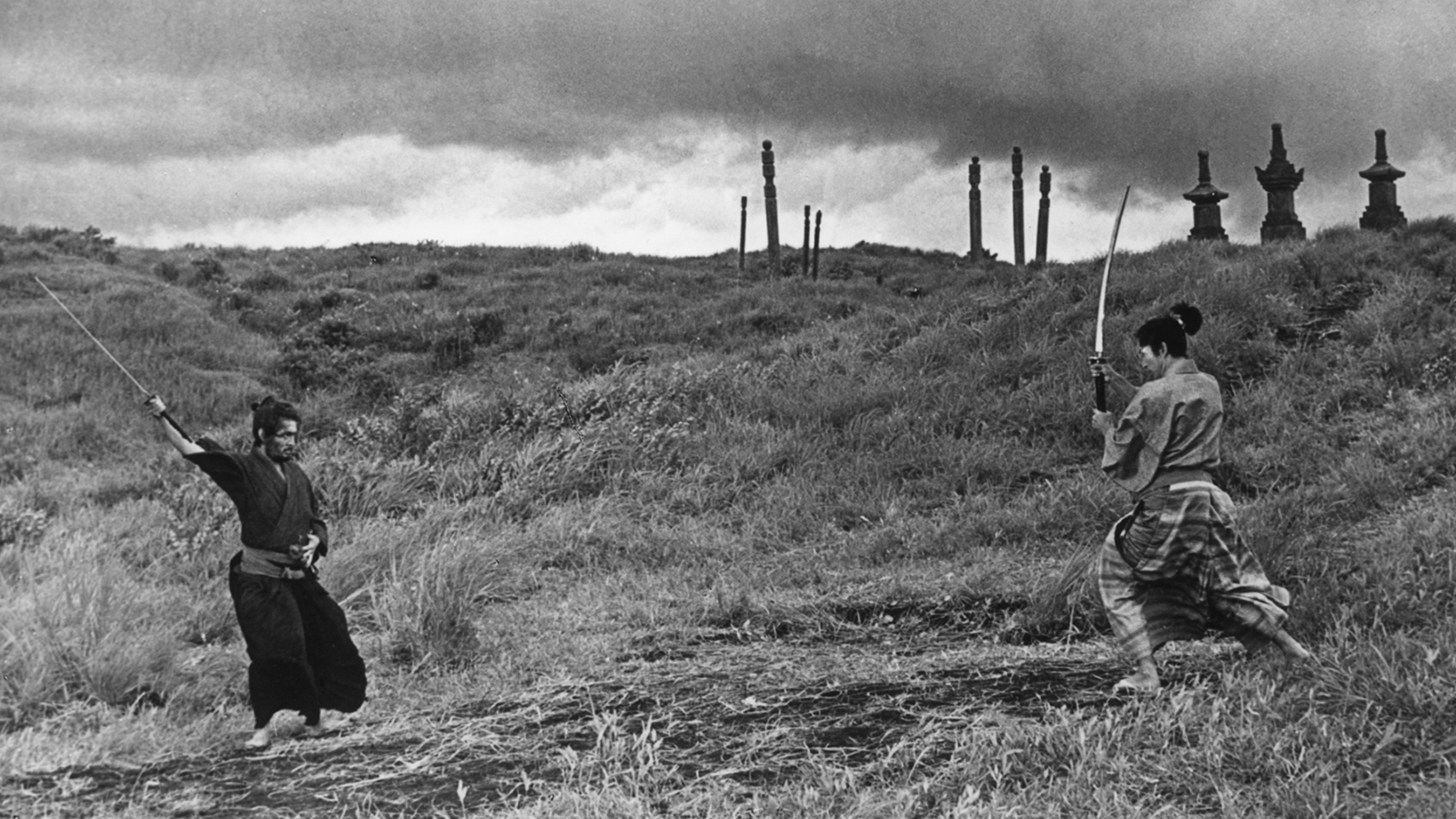
Harakiri (1962)

The corruption of samurai tradition in Harakiri has not merely unfolded through passive spiritual negligence, but rather arises from the flawed humanity hiding behind its facade, as Masaki Kobayashi thrillingly lays out a pessimistic Japanese fable of one man’s violent attempt to expose its total hypocrisy.

Scroll to Top