Lynne Ramsay | 1hr 59min

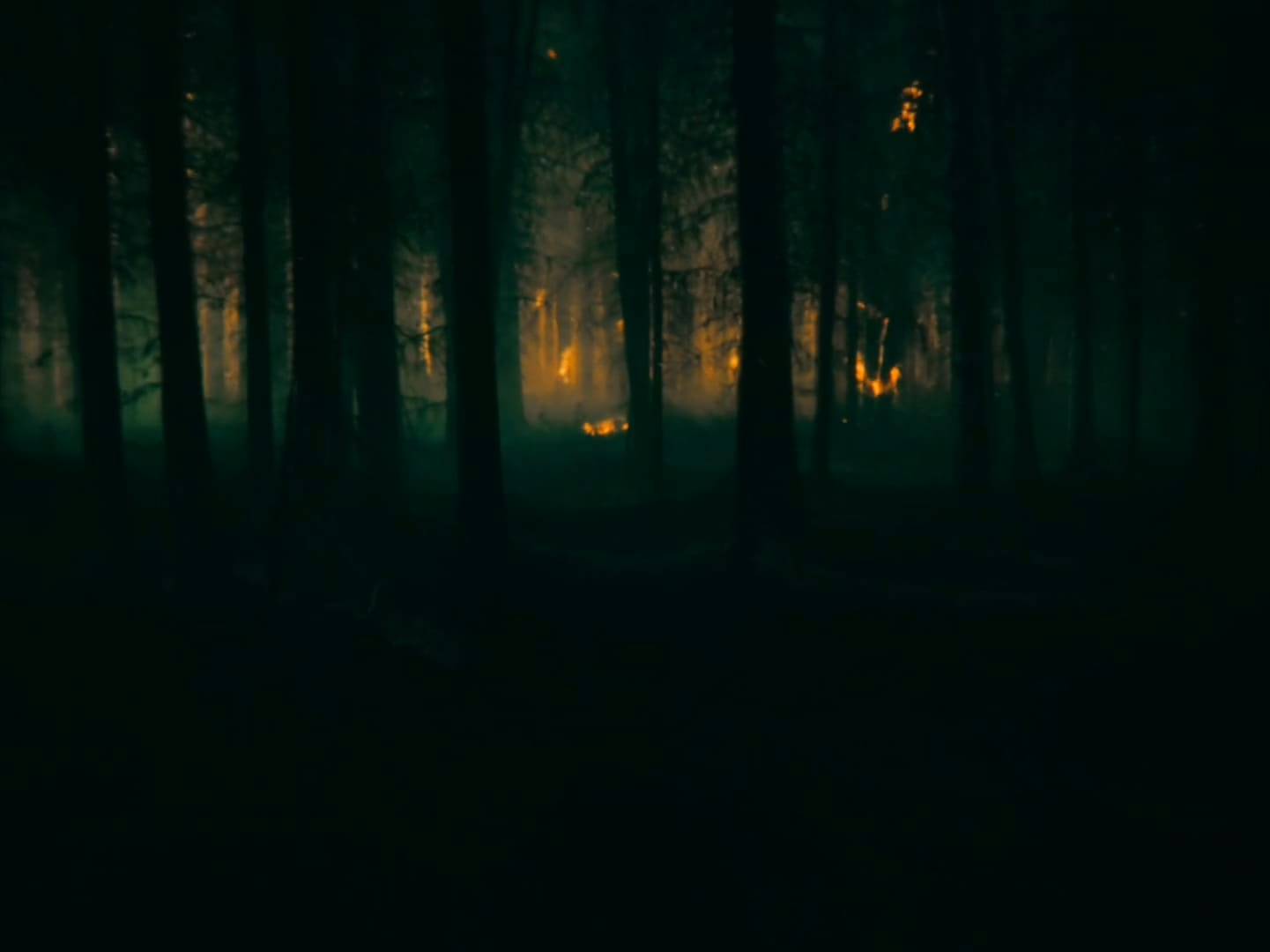
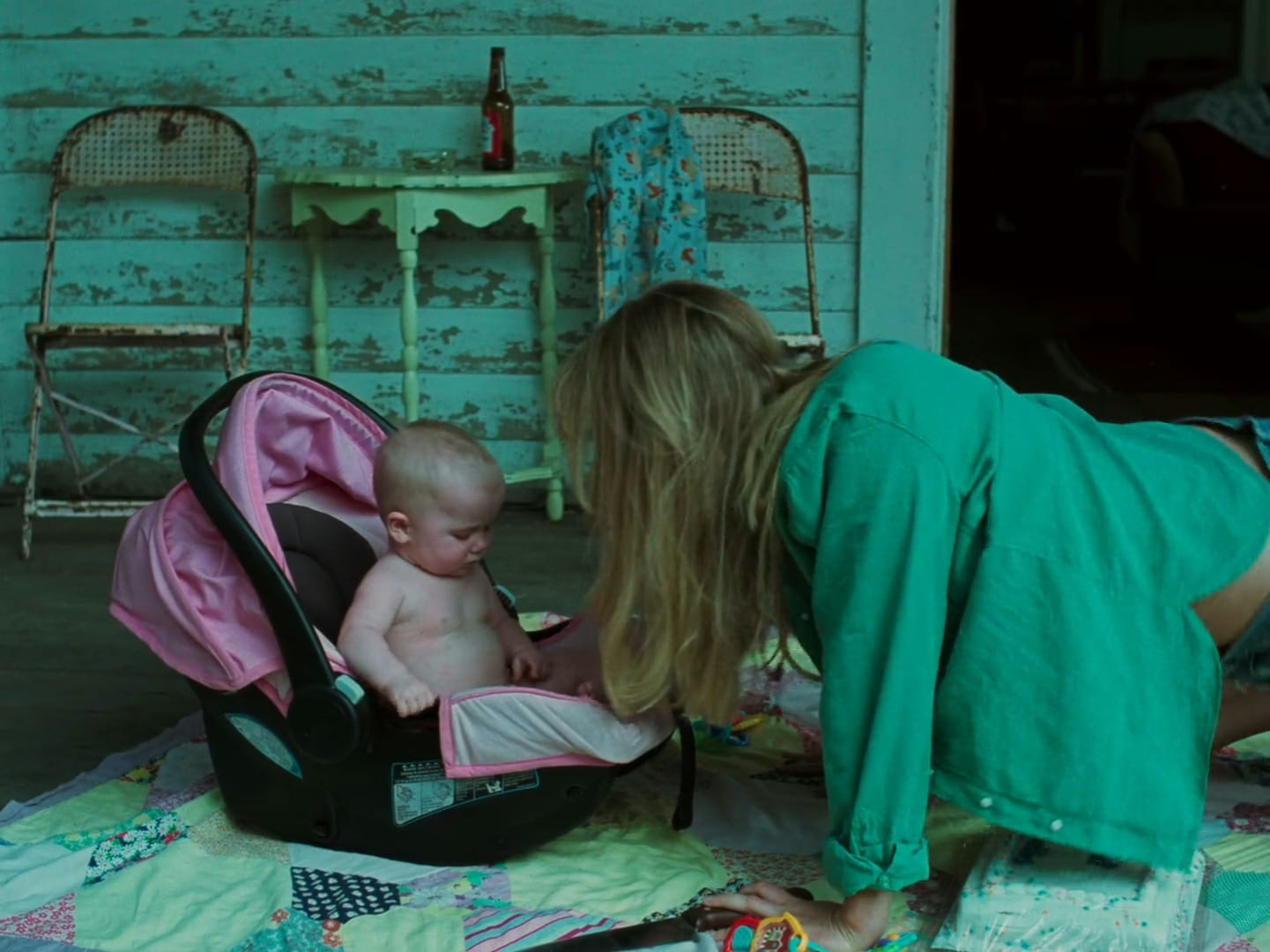
Not far from the Montana country home that Grace and Jackson inherit from his late uncle, a fire tears through the surrounding forest. It is destruction rendered in raw, primal energy, though as Lynne Ramsay intercuts it with the loving couple playing, fighting, and making love on the floor of their cottage, it becomes a dormant omen already embedded within them. So far, their lives have been unburdened from the responsibility of parenting – though with the birth of a baby boy, that fire seems to creep ever closer. Deciding not to name to name their child until the right one emerges, it consequently exists as little more than extension of Grace, tethered to her body and psyche in ways that steadily erode both.
Even as a young mother though, her baby’s demands are not solely responsible for wearing her down. The smothering isolation of this rural lifestyle thoroughly hollows out Grace’s days, starving her of stimulation as Jackson leaves on frequent work trips, and steadily deepening her hostility towards the domestic role she is expected to perform in his absence. Within Die My Love’s disorientating formal design, postpartum depression is a deep, psychological rupture, fraying the boundaries of selfhood and unravelling the coherence of everyday life.
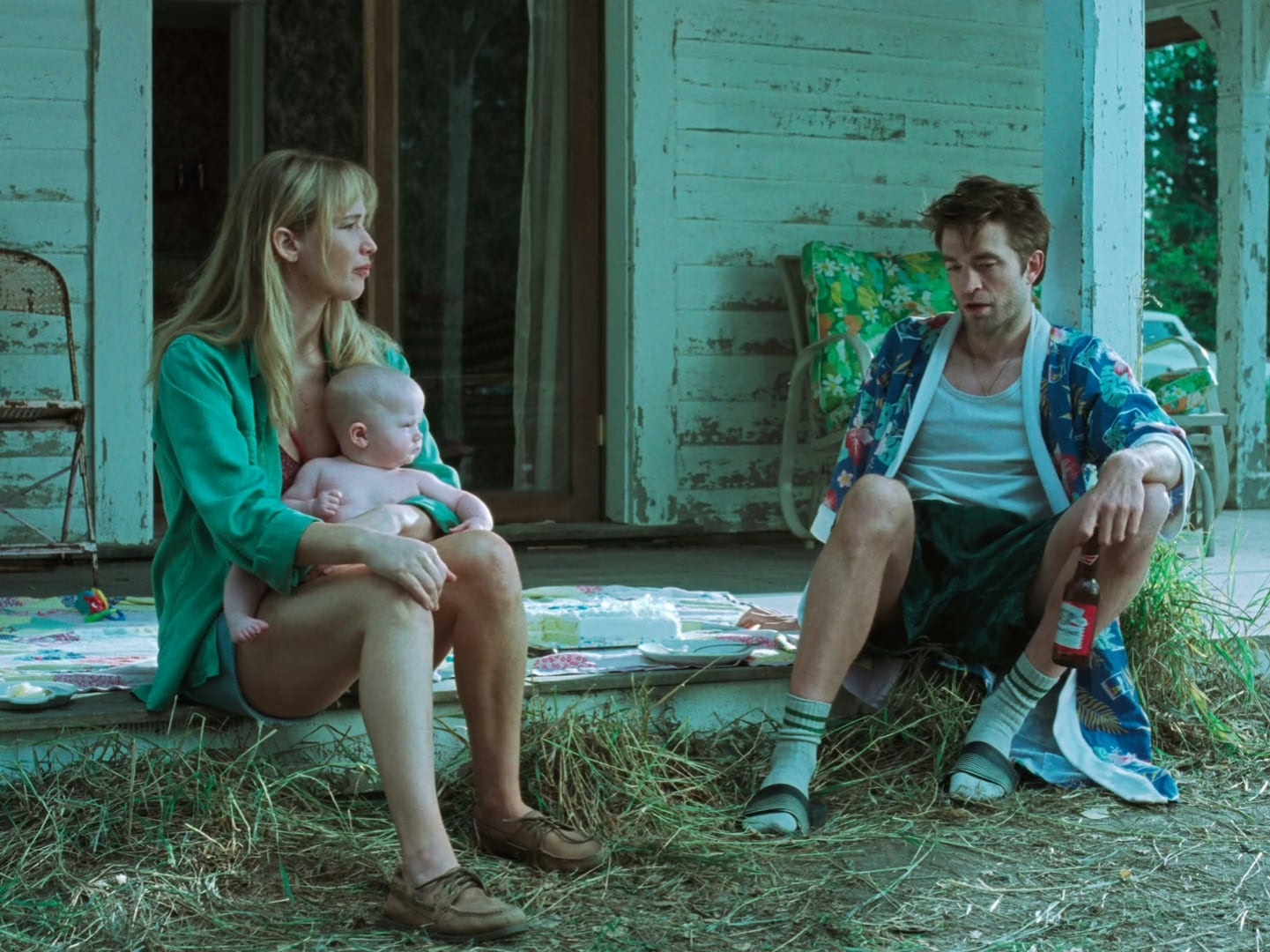
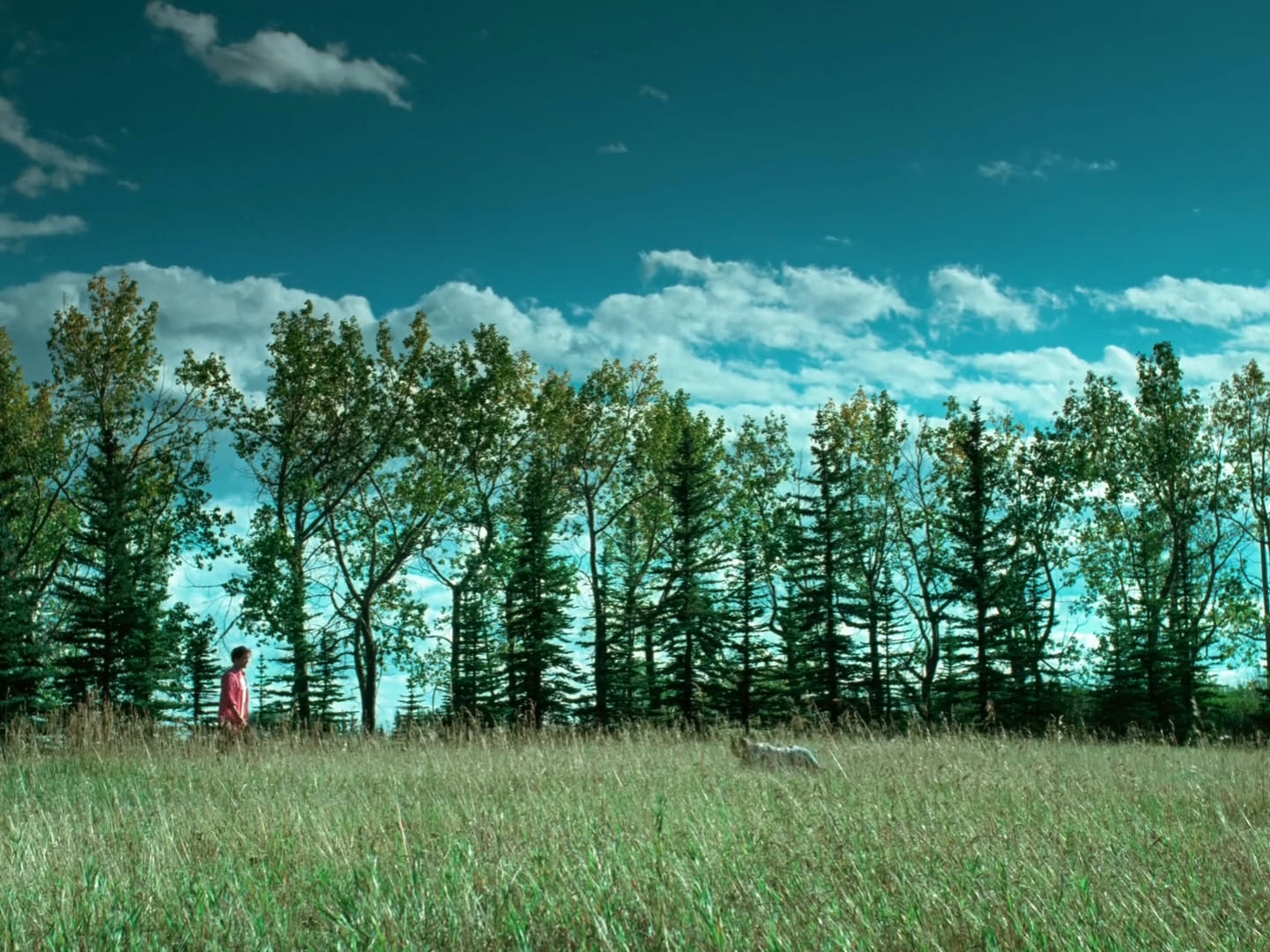
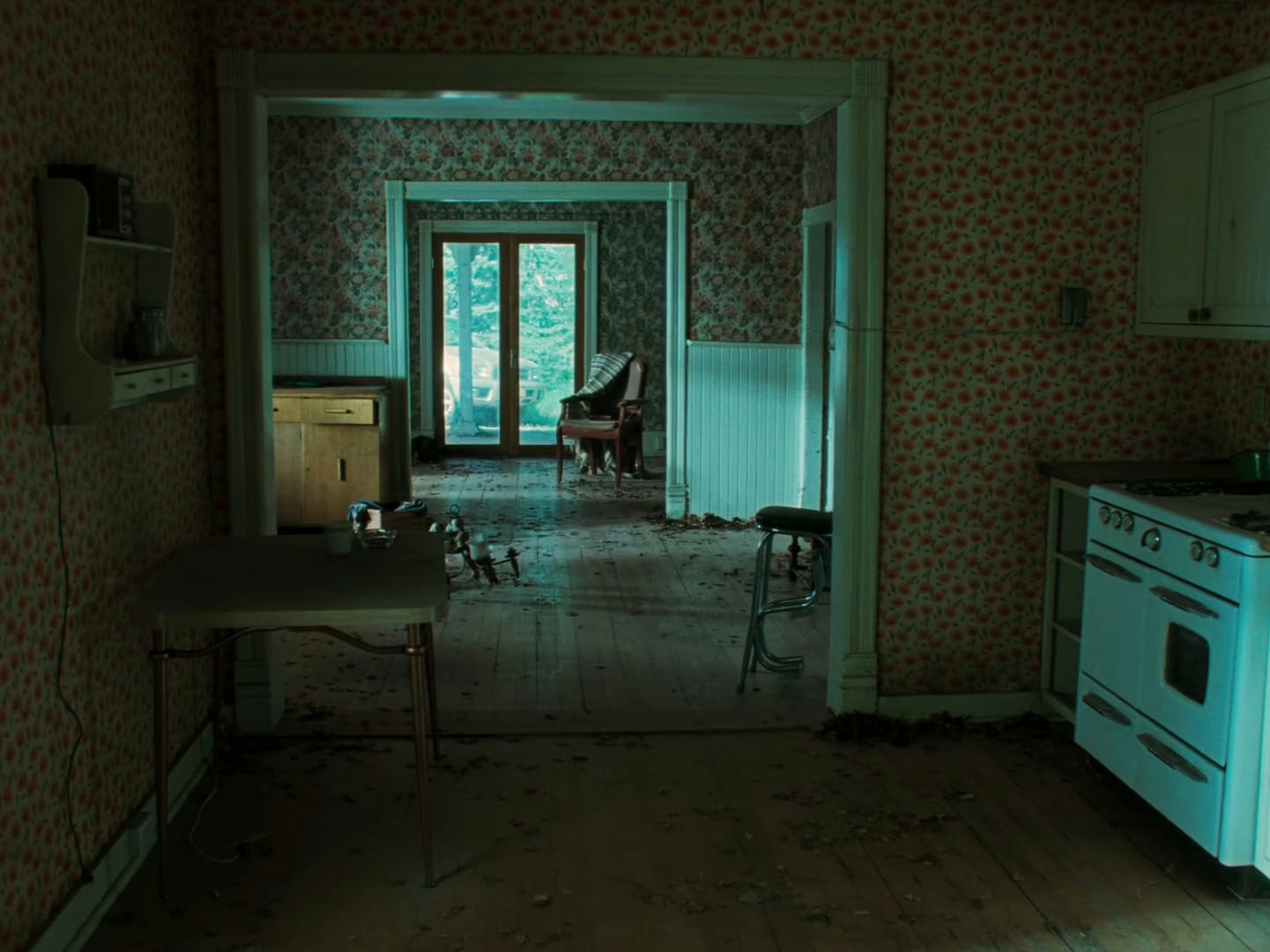
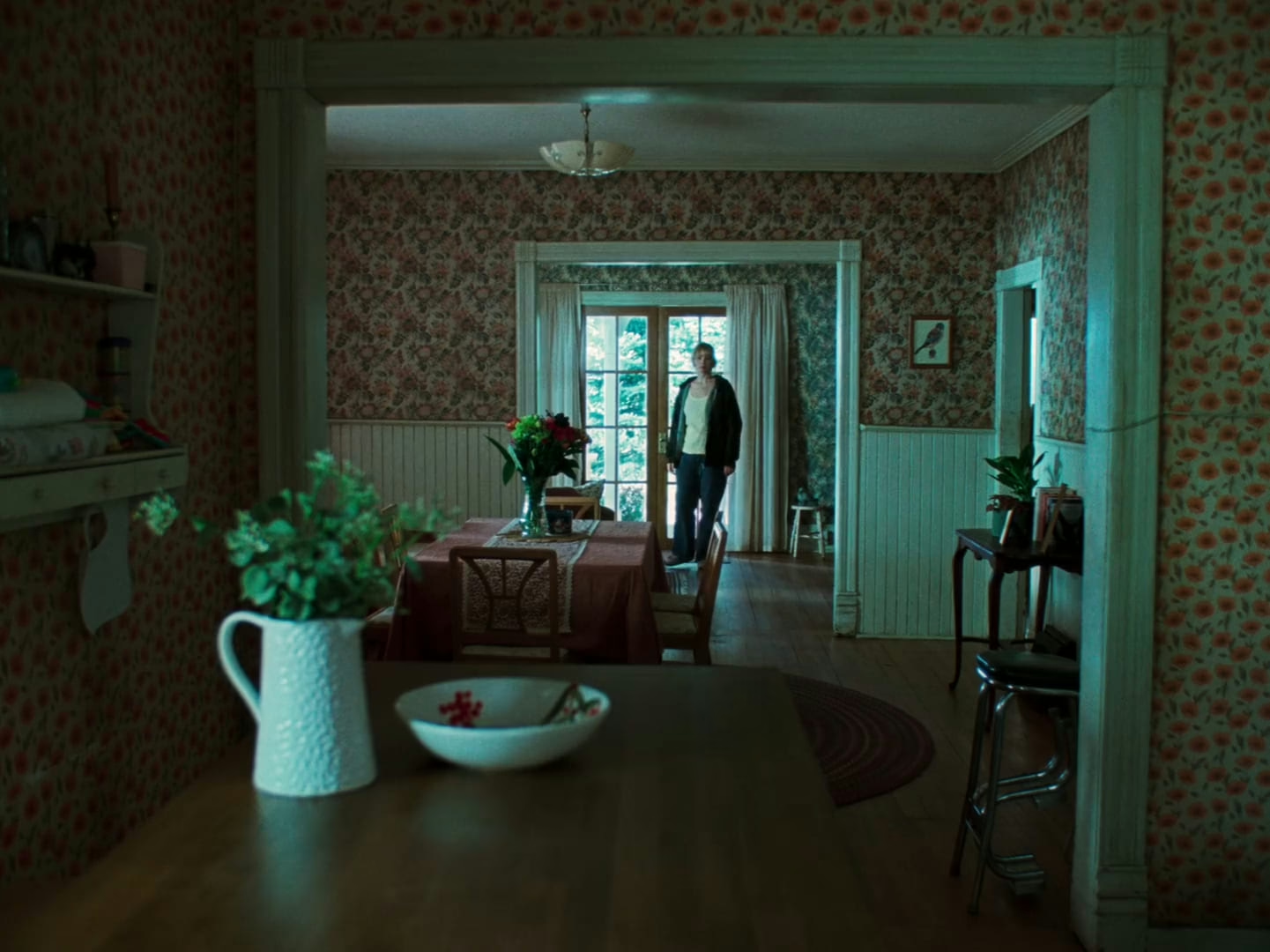
That Ramsay should steep this insular world in sickly, teal green hues only further underscores its atmospheric rot, largely focusing his palette around the house’s weatherboard façade, vintage furniture, and overgrown grass. The first time Grace enters its decrepit interior of floral wallpaper and leaf-strewn floorboards, the air itself seems damp, and Ramsay holds this static, layered composition for several minutes as the couple explores the space. From there, Grace continues to dissolve into her pallid environment, dressing in similarly washed-out shades and even wearing a wedding dress that grounds her in this melancholy malaise. This is the colour of domestic stasis, casting Die My Love in a pale turquoise, yet it is also only the beginning of Ramsay’s circulating motifs of self-ruin and freedom.
As Grace falls into the fugue-like state of motherhood, these two currents manifest through a pair of animal counterpoints. The endlessly yapping dog that Jackson brings home from work one day stokes agitation in the house, driving her mad to the point of dropping on all fours and aggressively barking back at it. Next to the baby, it is just another invasive presence, eroding the precarious household order through its insistent, grating banality.
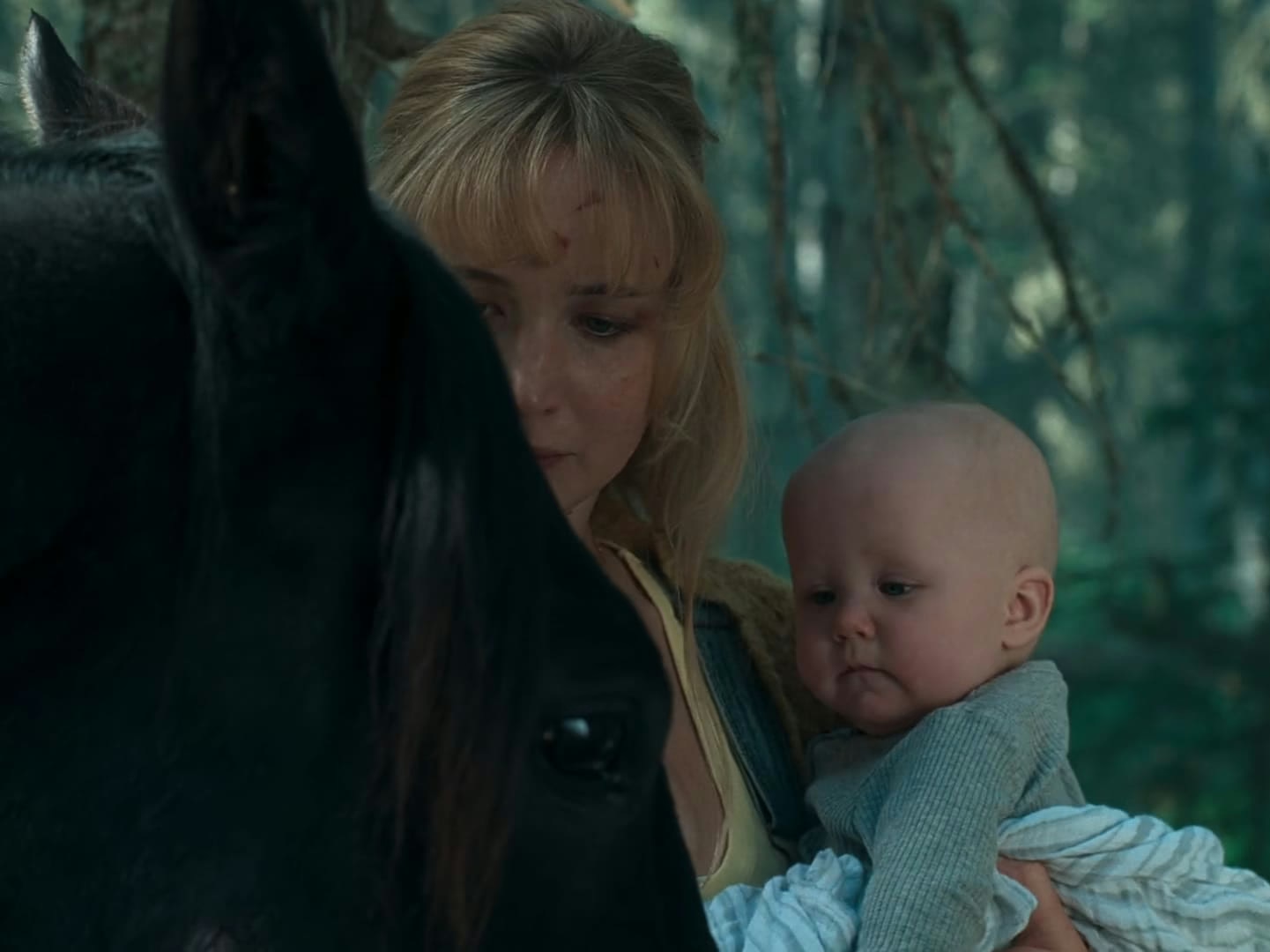
In delicate contrast, the black horse which wanders the outskirts of the estate takes on a far more mythical quality, often blurring the distinction between Grace’s unstable perception and reality. Unlike Jackson’s pet, it does not belong to any corner of human society, instead becoming a source of unexpected peace for Grace and even indirectly bringing about the end of the dog. Just as she once danced in the forest with Jackson’s dementia-afflicted father Harry, the only person who viewed her without judgement before his passing, she also finds a soothing presence in the horse as the two stand along among the trees. It is at once untamed and totally calm, embodying the dark equilibrium she cannot find within her oppressive environment.
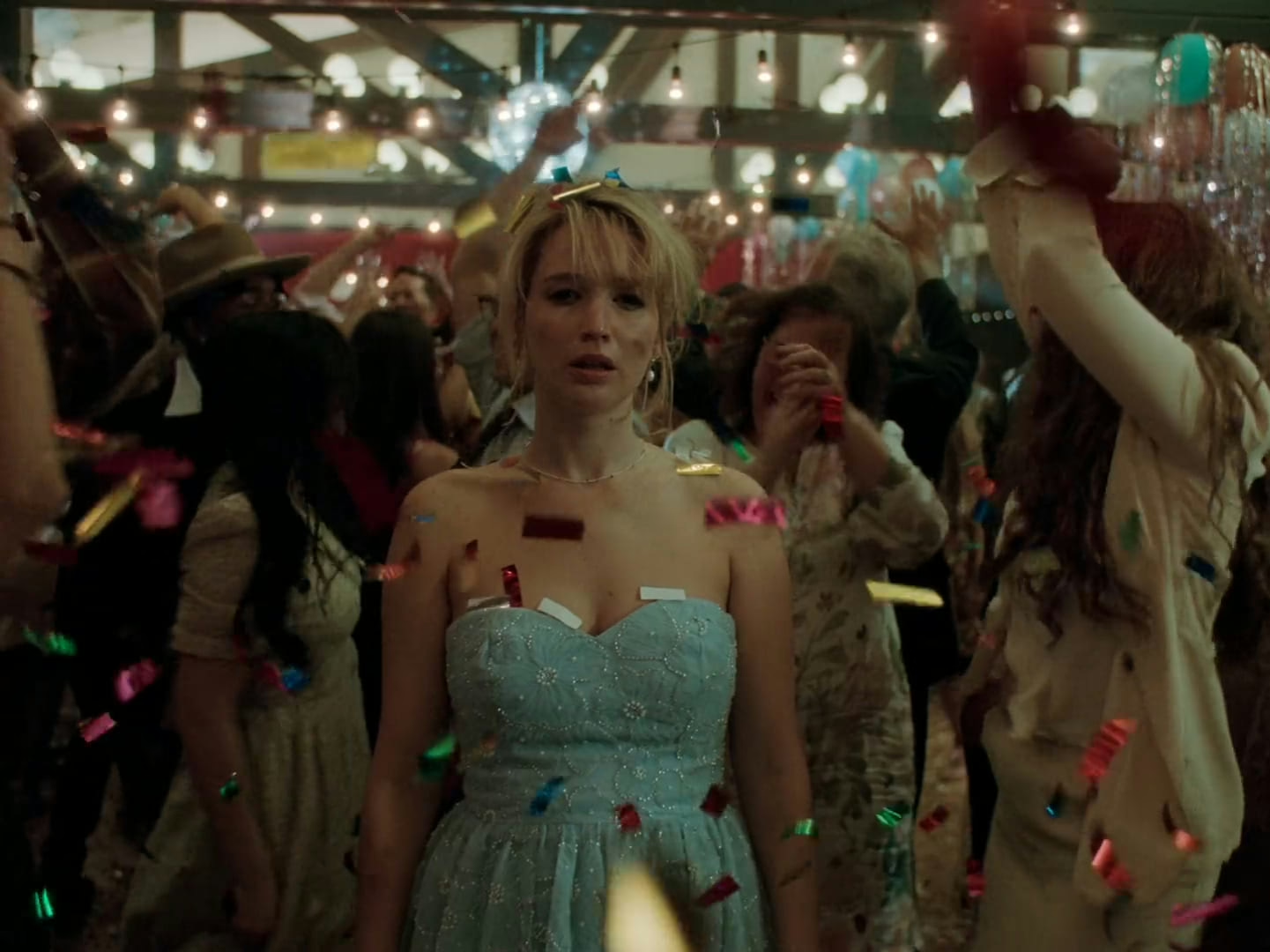
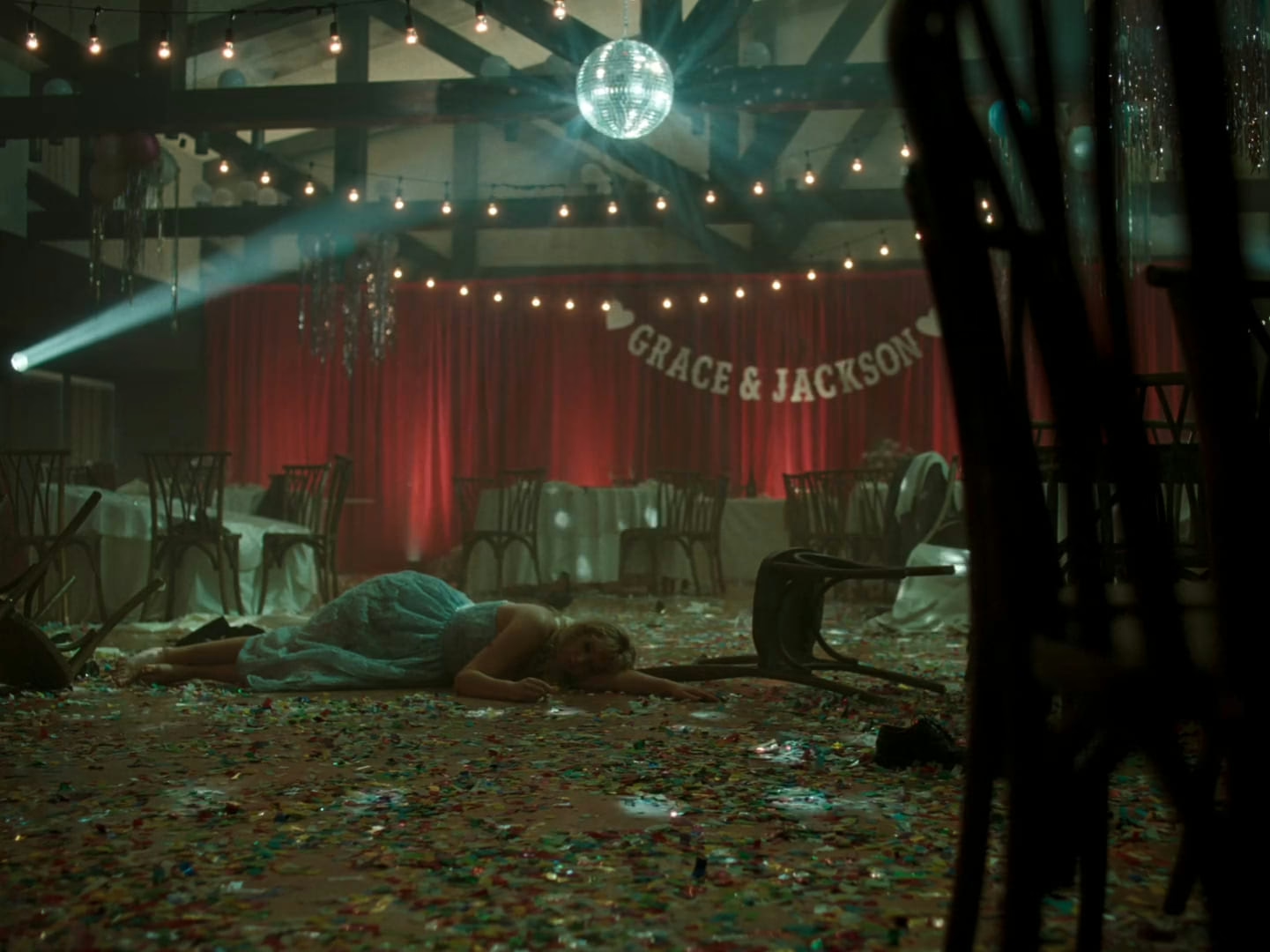
Unable to hold onto that elusive balance though, Grace spirals further inward, and Jennifer Lawrence throws herself into this physically unrestrained role – at times quite literally, as she violently hurls her body through a glass door. This mother will do anything to break the monotony of domestic routine, from petty acts like tipping over a laundry basket to sleeping with the neighbour, and gradually degrading herself through increasingly reckless, sadomasochistic impulses. Stripped of inhibition, she uses her self-sabotage against Jackson, humiliating him at parties as she strips to her underwear and totally disregards social decorum. This is a woman of constant contradictions after all, claiming one day to hate guitars while loving them the next, and yearning for stability while destroying any structure that offers it.
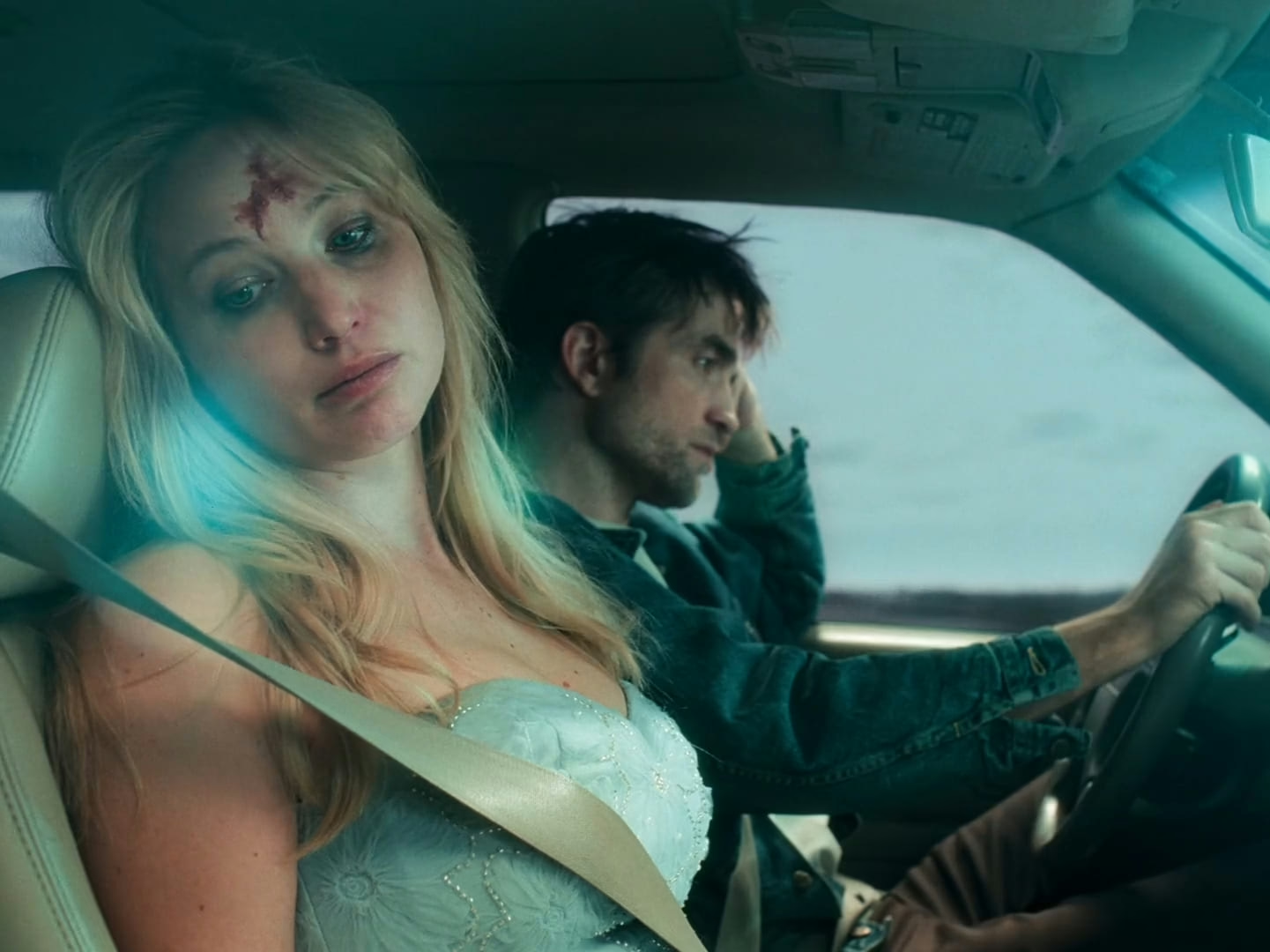
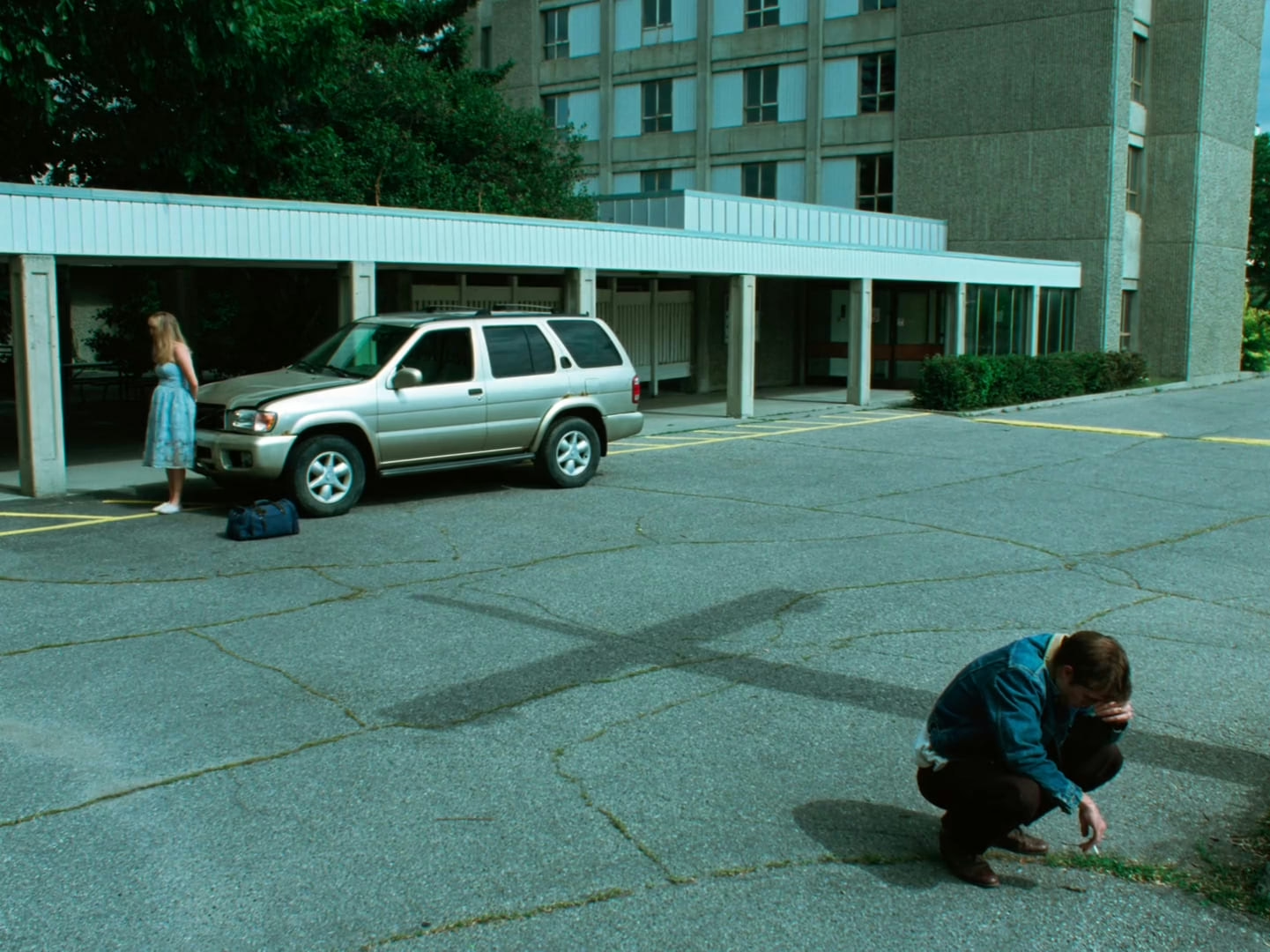
One can hardly blame Grace for such erratic behaviour though – since stillness has felt indistinguishable from surrender, each disruption has become a protest against a slippery, disintegrating world. Ramsay’s warped lenses often isolate her in swirling vignettes as she grows detached from her surroundings, and the fragmented, elliptical editing only further exacerbates her dislocation, slipping backwards and forwards in time without linear resolution. Despite the well-meaning attempts from Jackson’s mother Pam to support her daughter-in-law, family offers little comfort after Harry’s death, and it is particularly within that question of instinctive attachment where Ramsay locates the root of Grace’s trauma. Her relationships since she was young have been shaped by the absence of parental figures, and as such, she now struggles to model a secure form of attachment for her own child.

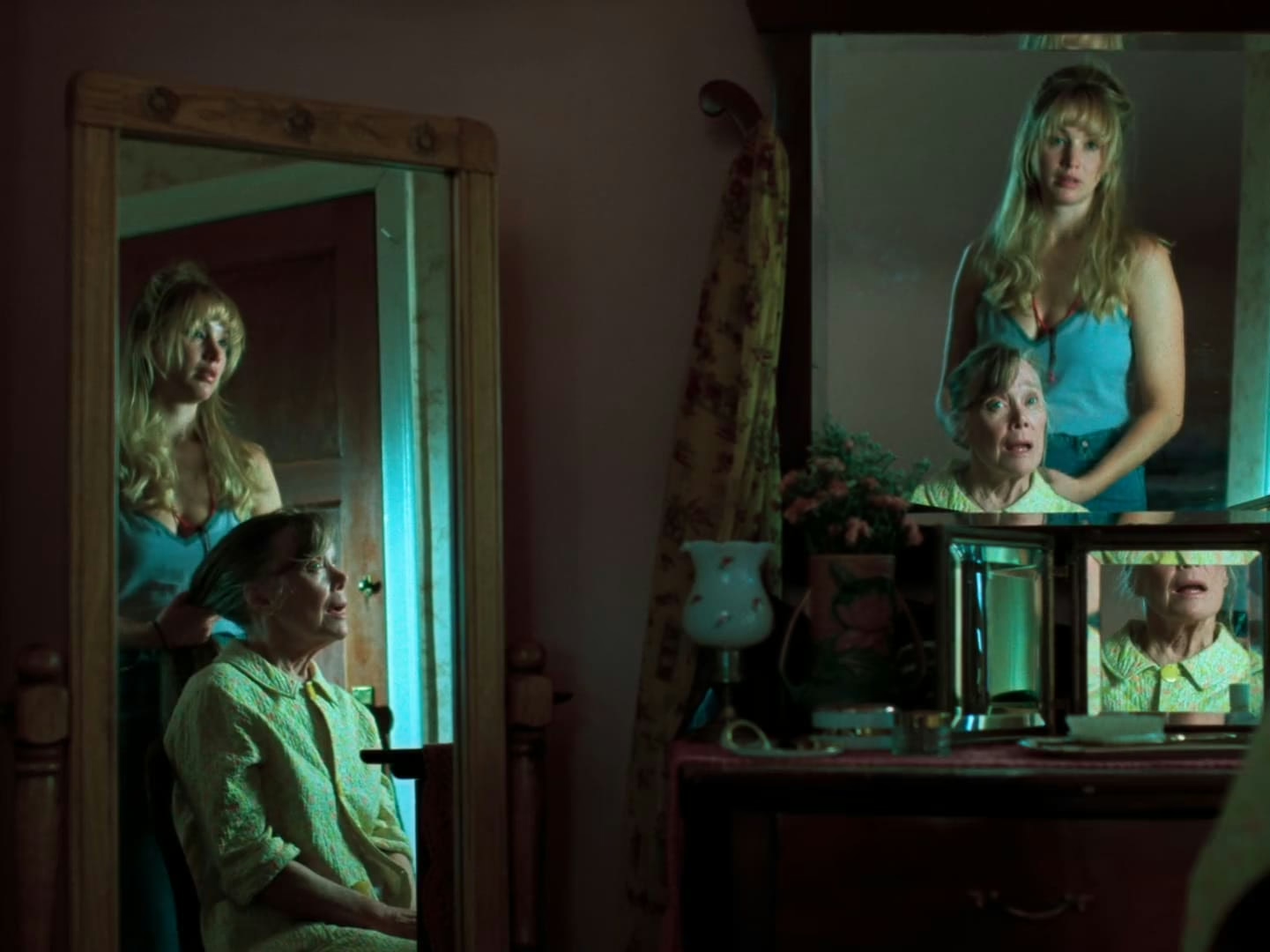
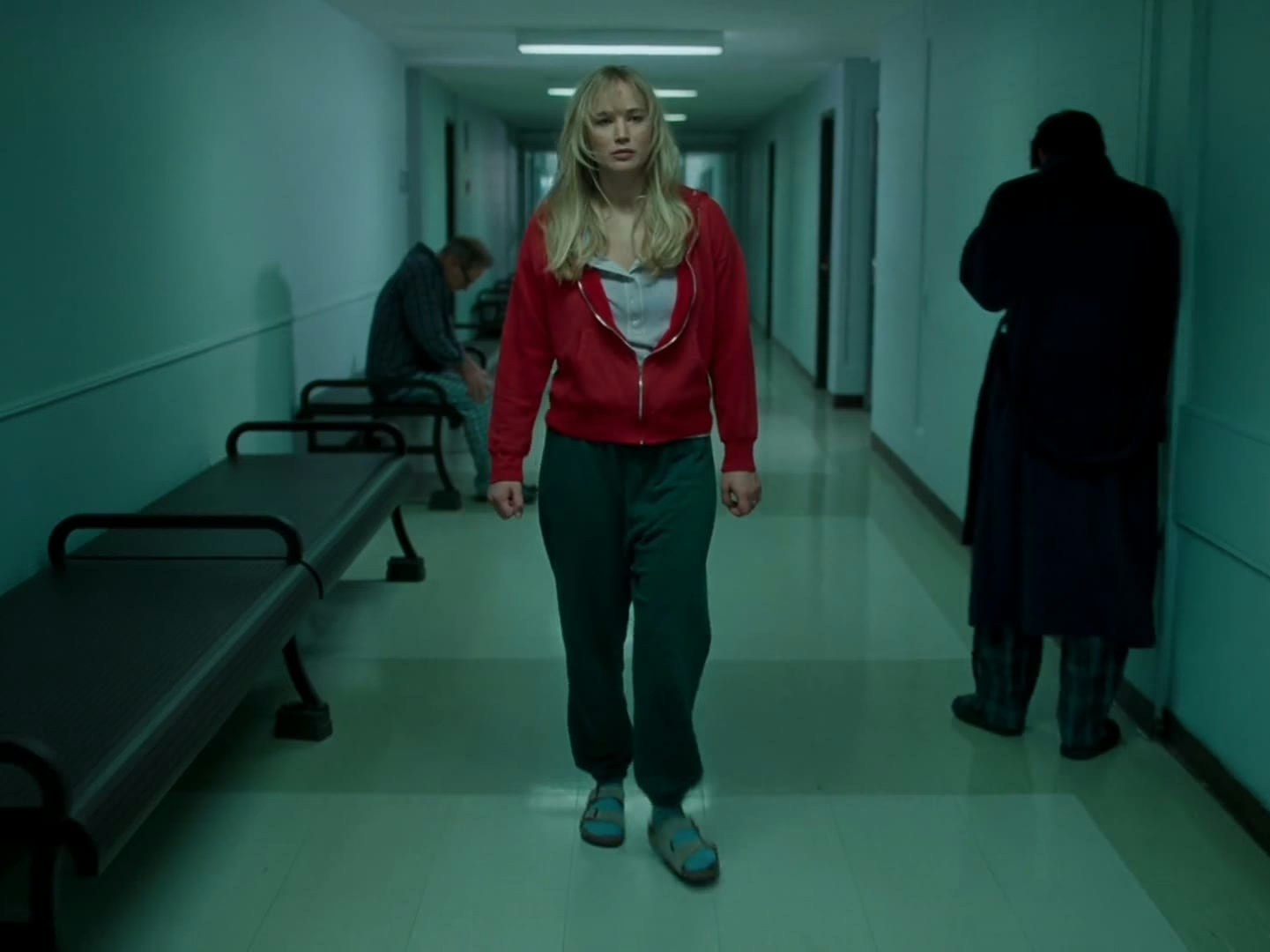
It is only inevitable that this young mother reaches a breaking point, yet even after being committed to psychiatric care, the conventional trajectory of recovery proves an uneasy fit. The hospital extends the countryside’s dampened aesthetic, steeped in Ramsay’s turquoise palette, though the vibrant red jacket Grace now wears becomes a strained assertion of health and vitality as she walks down its fluorescent corridors. Even back home, Jackson’s surprise renovation of the house signals a new beginning, mirroring the film’s first shot in its rich, layered framing. With a fresh wardrobe and house, Grace finally appears to have taken back control – yet no matter how often she is told she looks healthy, she can’t help but feel it is a role performed for the sake of others.
There is no easy resolution for a woman trapped between self-destructive candour and suffocating conformity, though this realm of existential ambiguity is where Ramsay thrives as a storyteller. Much like Grace herself, Die My Love resists structural orthodoxy, prioritising the emotional resonance of metaphor over carefully plotted closure. In that bold embrace of uncertainty, obliteration may be imagined as an escape from one’s circumstances, bonds, and self – and if nothing else, permits no return to the life left behind.
Die My Love is currently streaming on Mubi.