1959

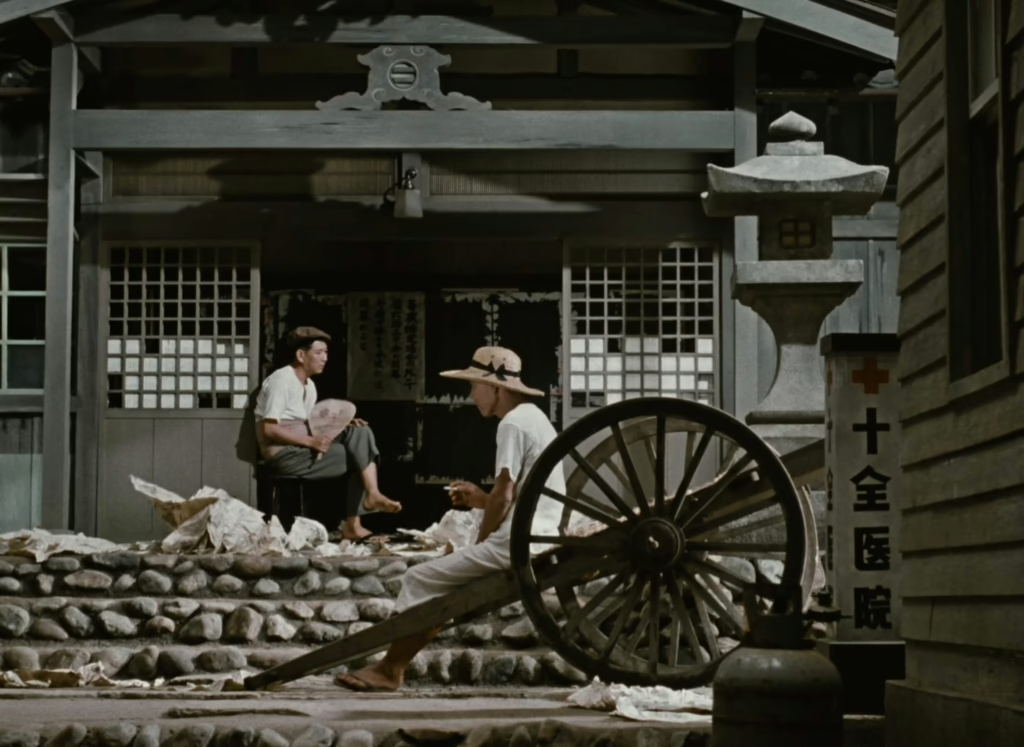
Floating Weeds (1959)

It might seem redundant for such a formally consistent director to remake an early success, yet Floating Weeds stands as a powerful testament to Yasujirō Ozu’s artistic evolution over the decades, imbuing this fable of fading relevance and fractured families with an elegant, melancholy maturity.
Good Morning (1959)

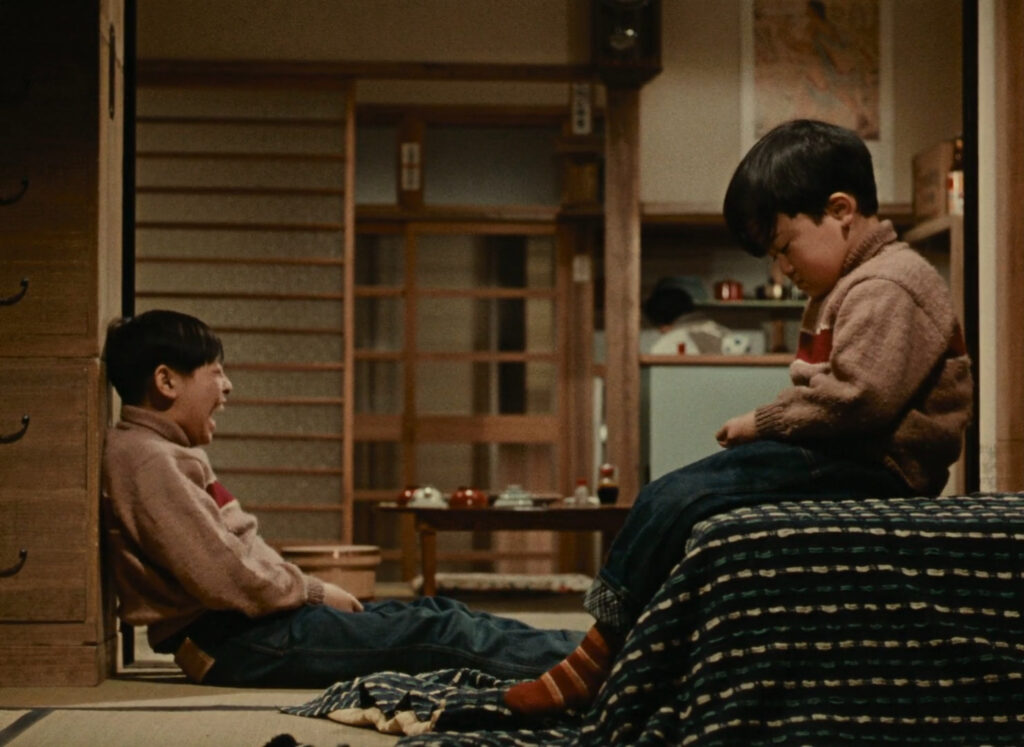
Although the silent protest of two young boys in Good Morning is aimed at their parents’ refusal to buy a television set, their frustration also extends to the small talk exchanged between grownups, marking an unusual comic turn for Yasujirō Ozu in his satire of everyday, superficial communication.

The Human Condition (1959-61)

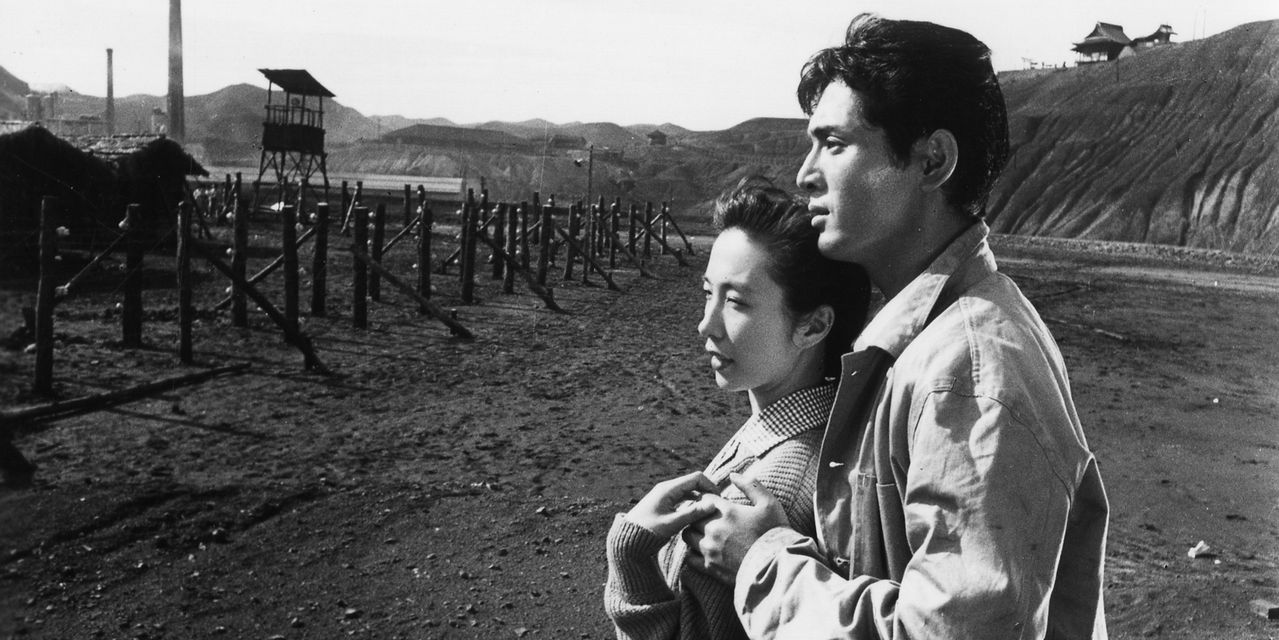
Japanese soldier, prisoner, and pacifist Kaji seems to live multiple lives across the modern odyssey of The Human Condition trilogy, waging his soul as the last battleground of moral fortitude in the final years of World War II, and becoming the compelling centrepiece of Masaki Kobayashi’s devastating study on humanity’s most vital essence.

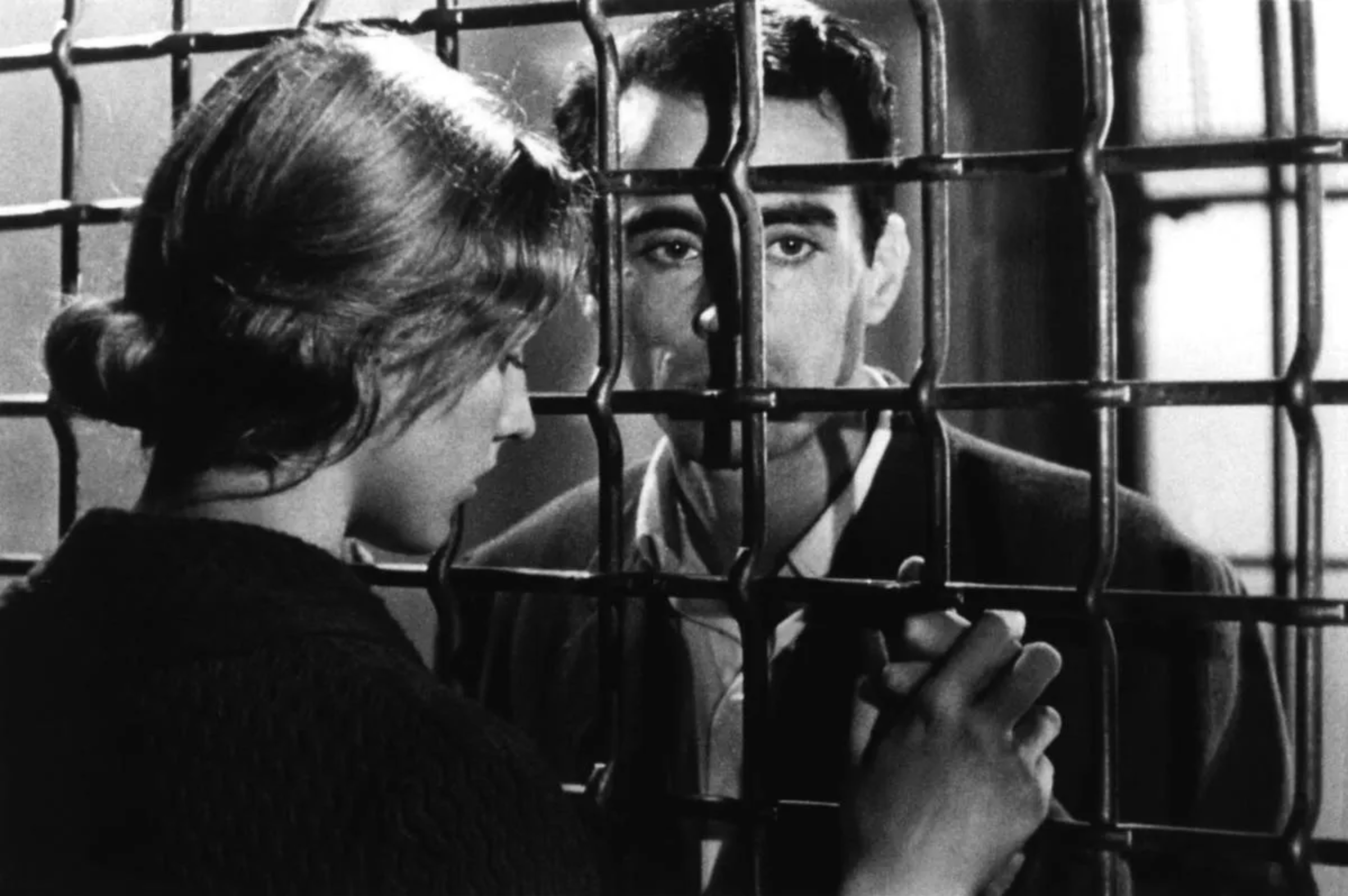
Pickpocket (1959)

The sensitivity that is absent on the faces of Robert Bresson’s actors can be found instead in the dextrous movements of their fingers, palms, and wrists in Pickpocket, drawing a transgressive eroticism from the penetration of personal spaces, and building out a subtle interrogation of one thief’s unlikely guilt.

Kaagaz Ke Phool (1959)

There is certainly something poignantly poetic in the way Guru Dutt’s premature passing mirrors the ending of his final film, tracing the tragic fall of a once-famous filmmaker, but Kaagaz Ke Phool also captures the essence of an artistic imagination profuse with creative joy, lyrically reminiscing the love which inspired him to craft some of India’s finest cinema.

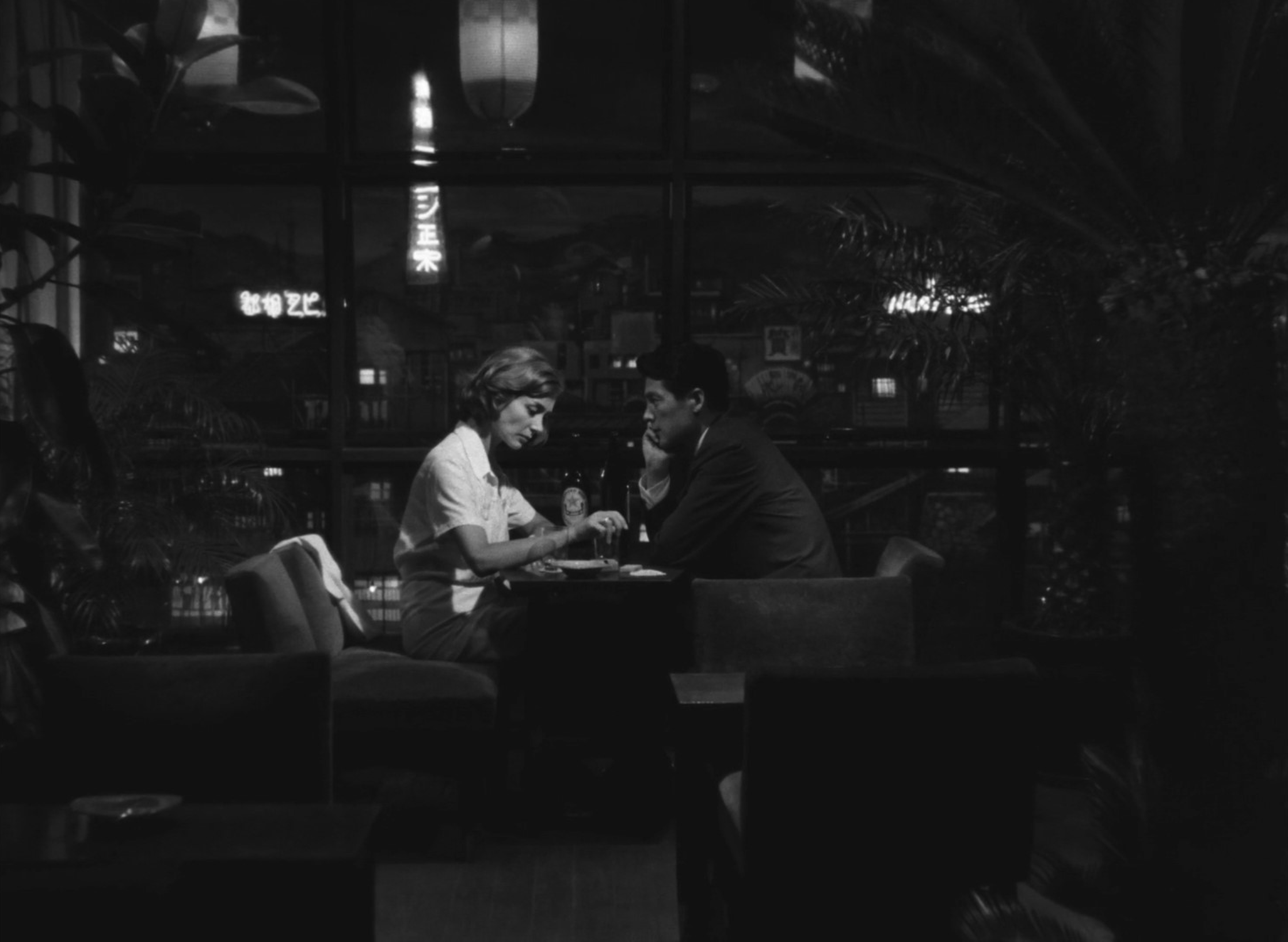
Hiroshima Mon Amour (1959)

Hiroshima Mon Amour is a film of intersections – past and present, France and Japan, man and woman, conflicting sides of a war – and through his elusive formal comparisons Alain Resnais draws a sharp divide down the middle of its central romance, ruminating over the subjective memories left behind in the wake of such incomprehensible global tragedy.

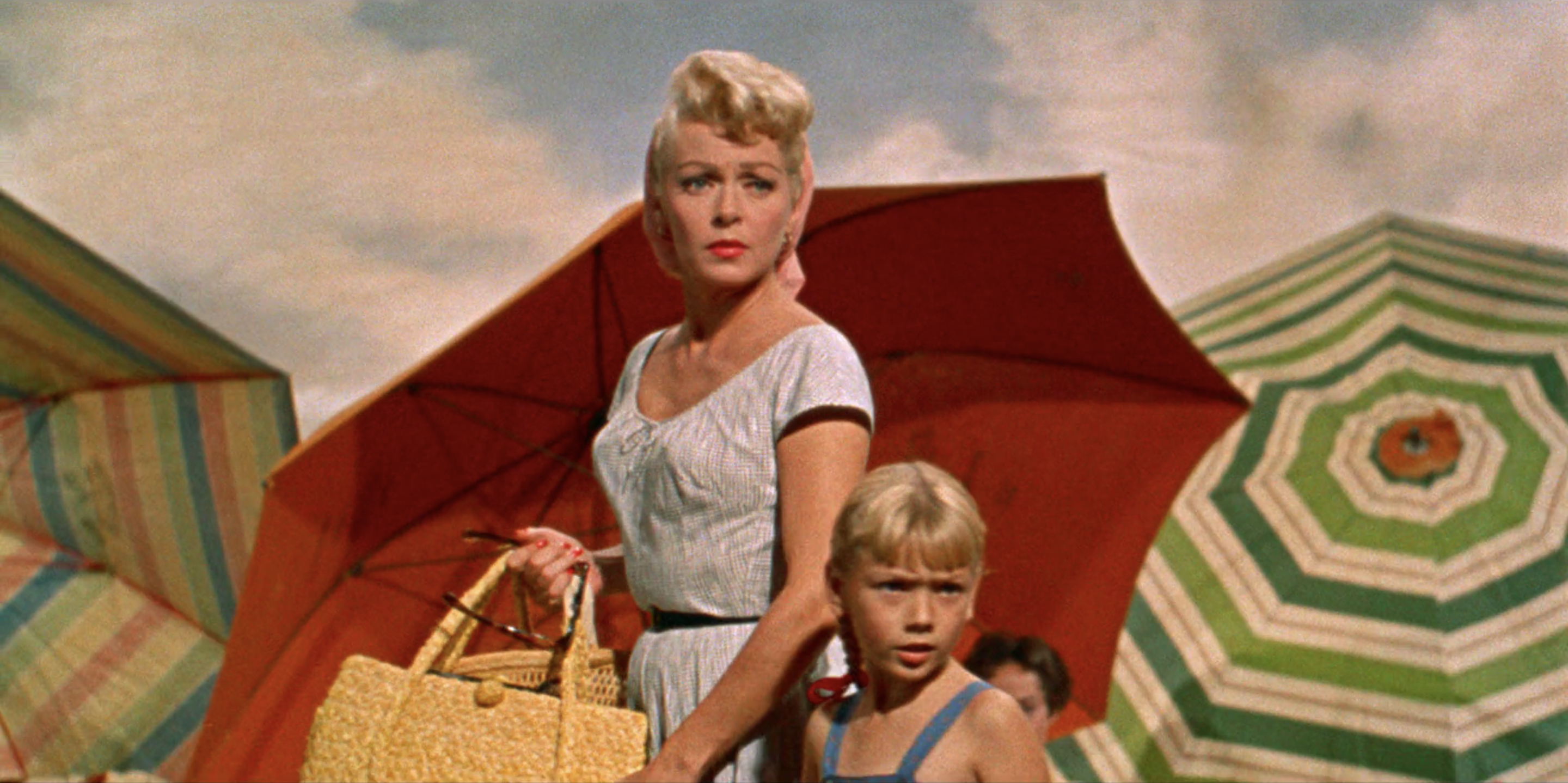
Imitation of Life (1959)

It is an unusual family portrait that Douglas Sirk paints in Imitation of Life, foregrounding two pairs of single mothers and daughters struggling against the 1950s American patriarchy, racial prejudices, and each other, their expressive sensitivities flourishing to form delicate cinematic paintings of privilege and social adversity.

Sleeping Beauty (1959)

In using the full scope of its widescreen format, Sleeping Beauty creates the layered look of Renaissance tapestries hand-drawn on canvas, effectively infusing the whimsical style of its narrative into its dreamy imagery and delicate orchestrations.

Scroll to Top