1953

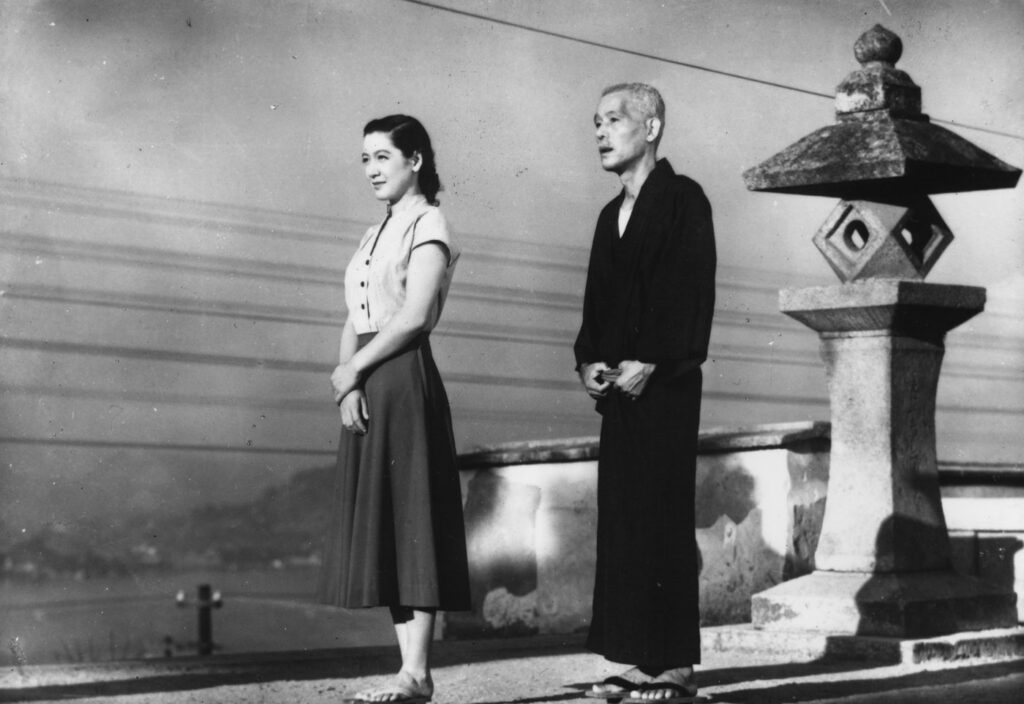
Tokyo Story (1953)

As we follow one elderly couple’s visit to their adult children in Tokyo Story, the meditative passage of time very gradually becomes visible, transforming the act of dutiful repetition into a contemplative poetry that delicately traces post-war Japan’s shift away from a past it would rather forget.
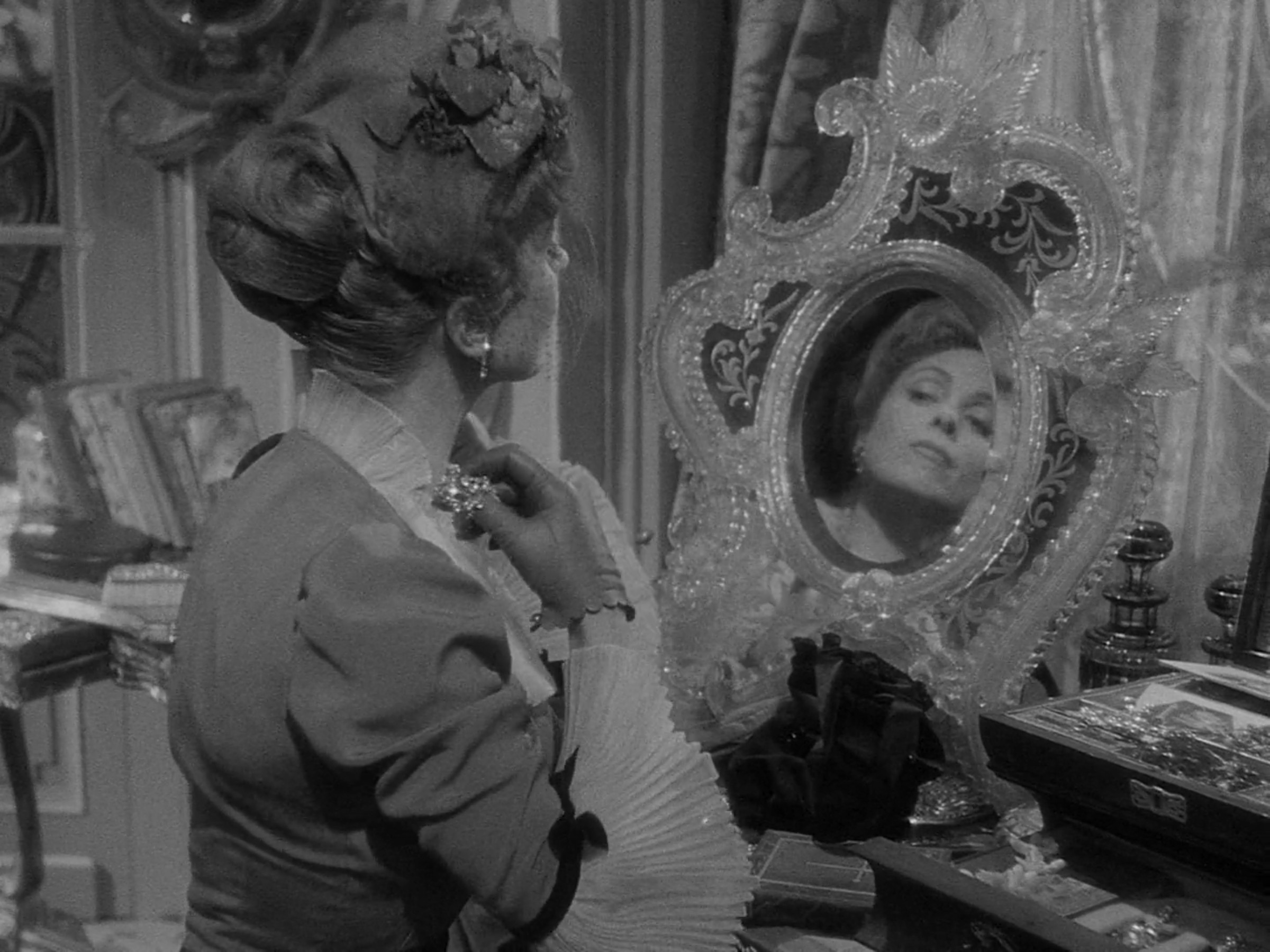
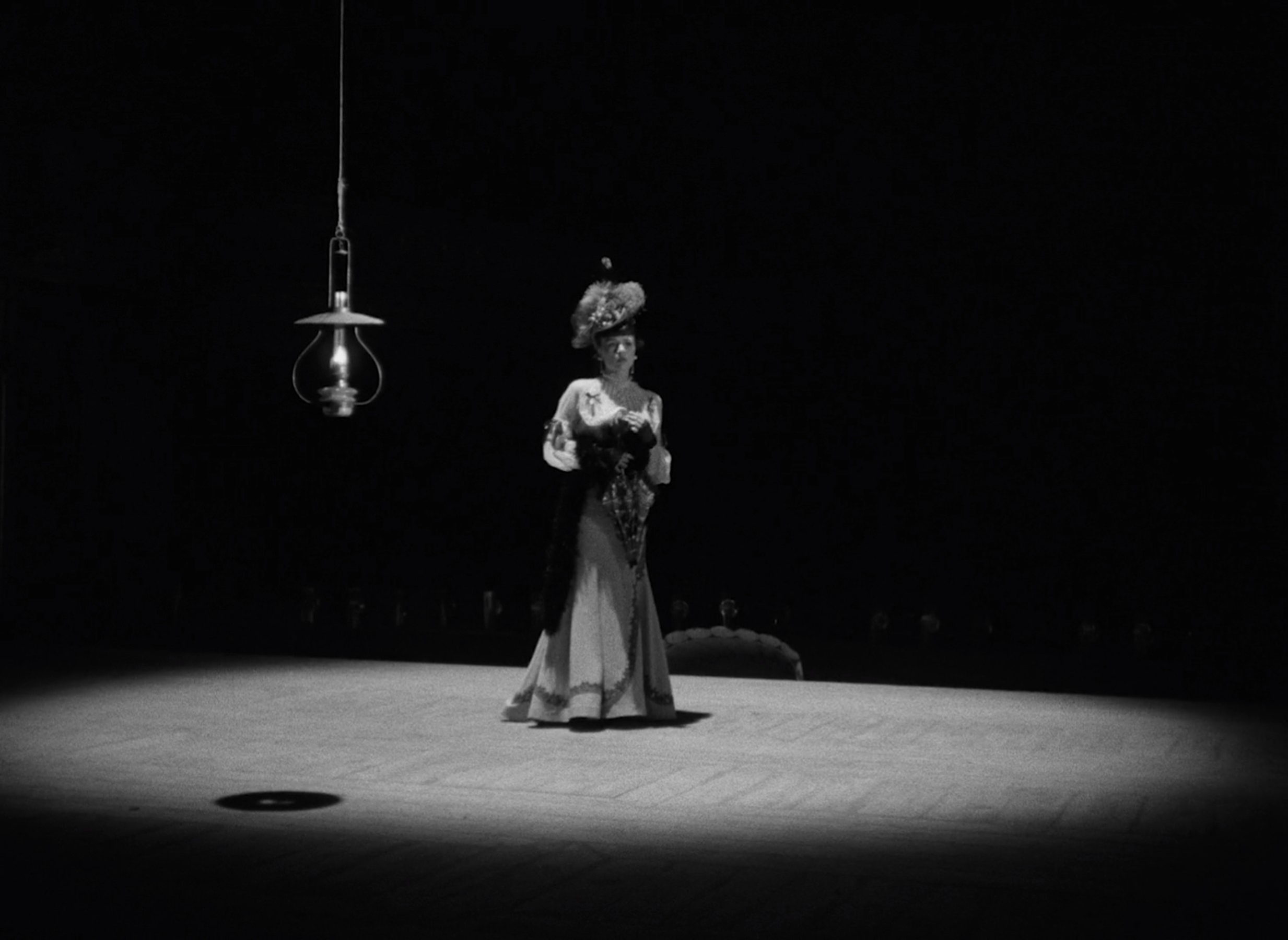
The Earrings of Madame de… (1953)

With Max Ophüls’ dextrous camera manoeuvring the ups and downs of Louise’s affair in The Earrings of Madame de…, it isn’t hard to fall prey to her idealistic belief in romantic destiny, imbuing her precious jewels that miraculously keep finding their way home with a mystical, auspicious significance.

I Vitelloni (1953)

The young, juvenile men of I Vitelloni’s coastal town are frozen in an eternal youth of idle recreation, lazily hoping for the day that the world might finally give their lives greater purpose, and playfully pursuing empty pleasures that Federico Fellini strings into nostalgic vignettes of celebration and struggle.

Sawdust and Tinsel (1953)

Life is a circus that creates entertainment out of humiliation, Ingmar Bergman posits in Sawdust and Tinsel, and in his rich staging and screenwriting he needles its existential drama with a finer, wittier point than ever before, finding both sympathy and pity for its hapless fools doomed to eternal ridicule.

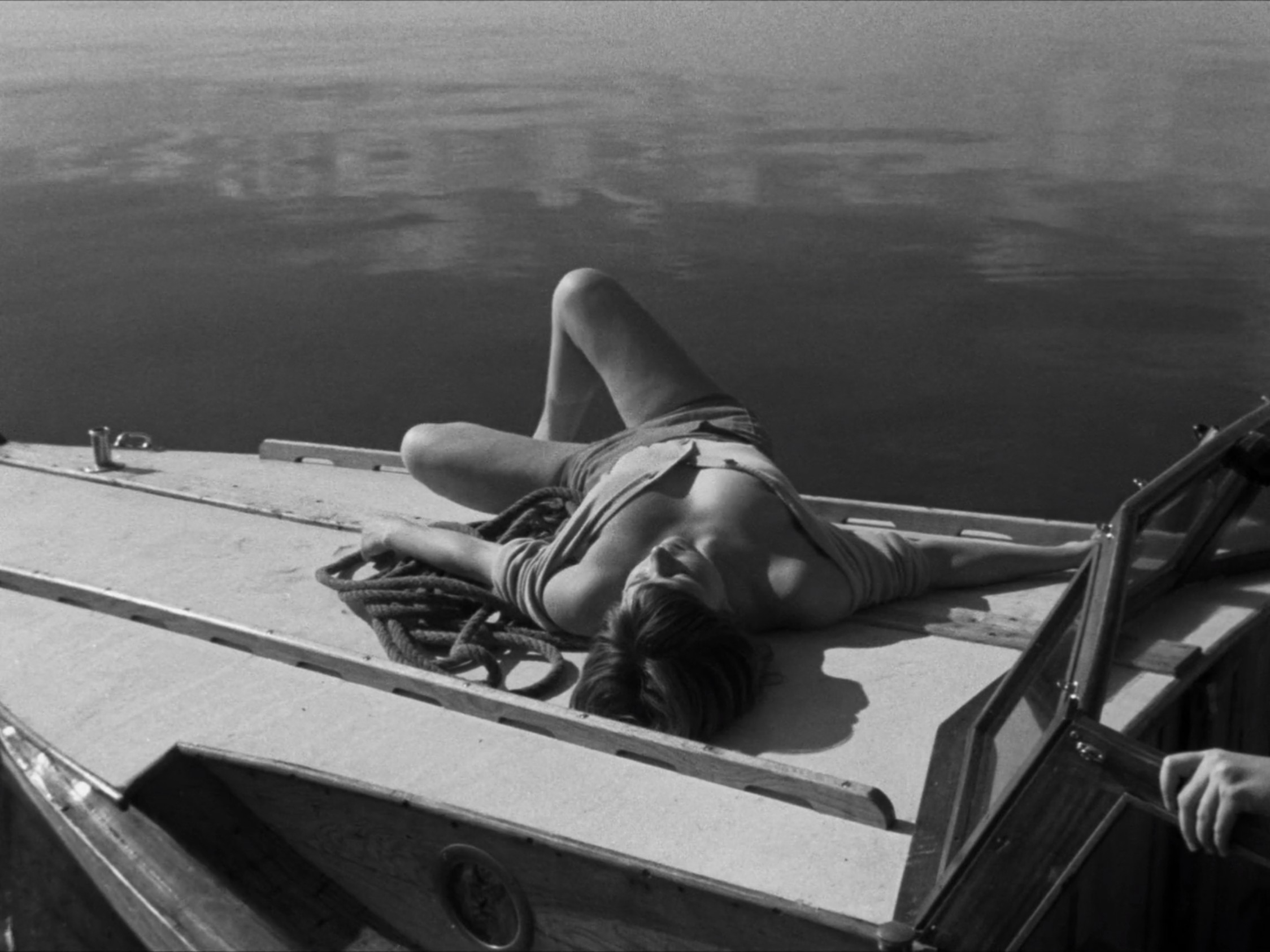
Summer with Monika (1953)

Ingmar Bergman guarantees the loss of youthful innocence in Summer with Monika as sure as seasonal changes, contrasting the light nostalgia of a gleeful escape against the demoralising fatigue of contrived, urban living by studying the expressive contours of his young lovers’ faces, poignantly recognising what modern society has so cruelly stolen from them.

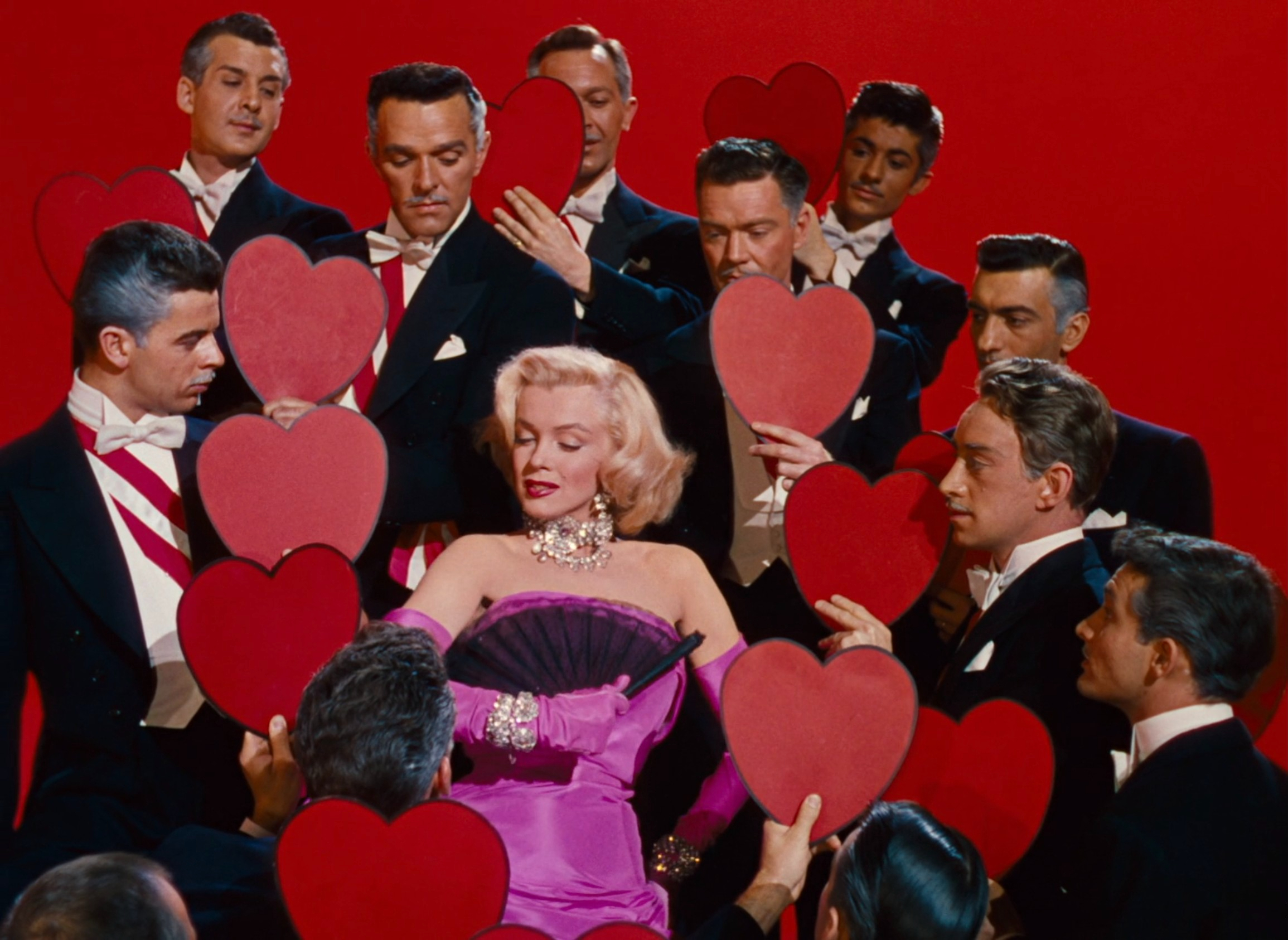
Gentlemen Prefer Blondes (1953)

There are few Golden Age Hollywood directors as willing to embrace the comical leading power of his female stars as Howard Hawks, but it is through Marilyn Monroe’s powerfully mesmeric screen presence carrying vibrant musical numbers and hilarious visual gags that Gentlemen Prefer Blondes becomes all the more flamboyantly intoxicating.

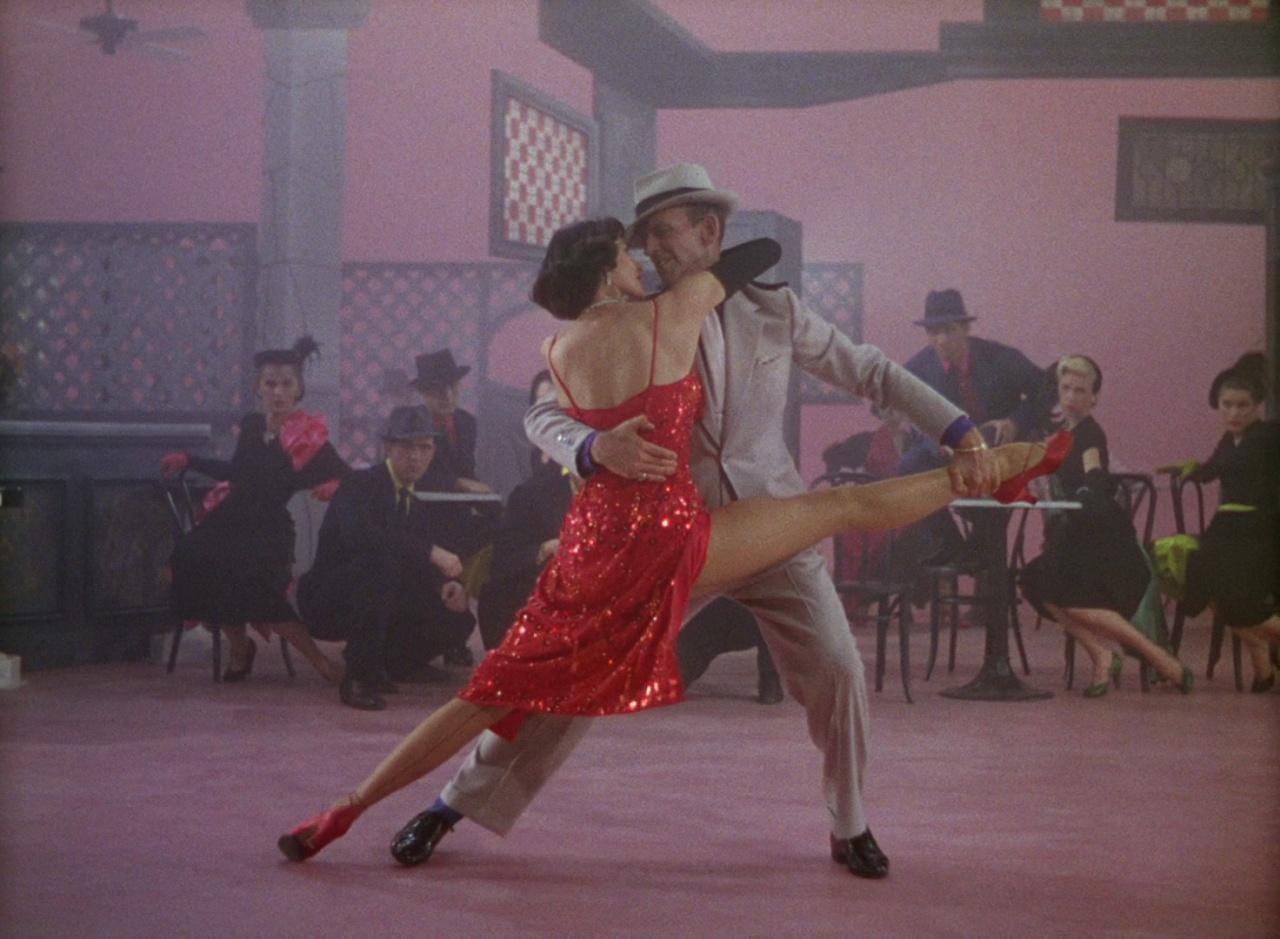
The Band Wagon (1953)

In bringing narrative tension to a classic Broadway revue of disconnected musical numbers, The Band Wagon lands as a boisterous examination of failure and success in the entertainment industry, rolling along with zeal while Vincente Minnelli’s exhilarating camerawork brings propulsive dimensions to that which unfolds onstage.

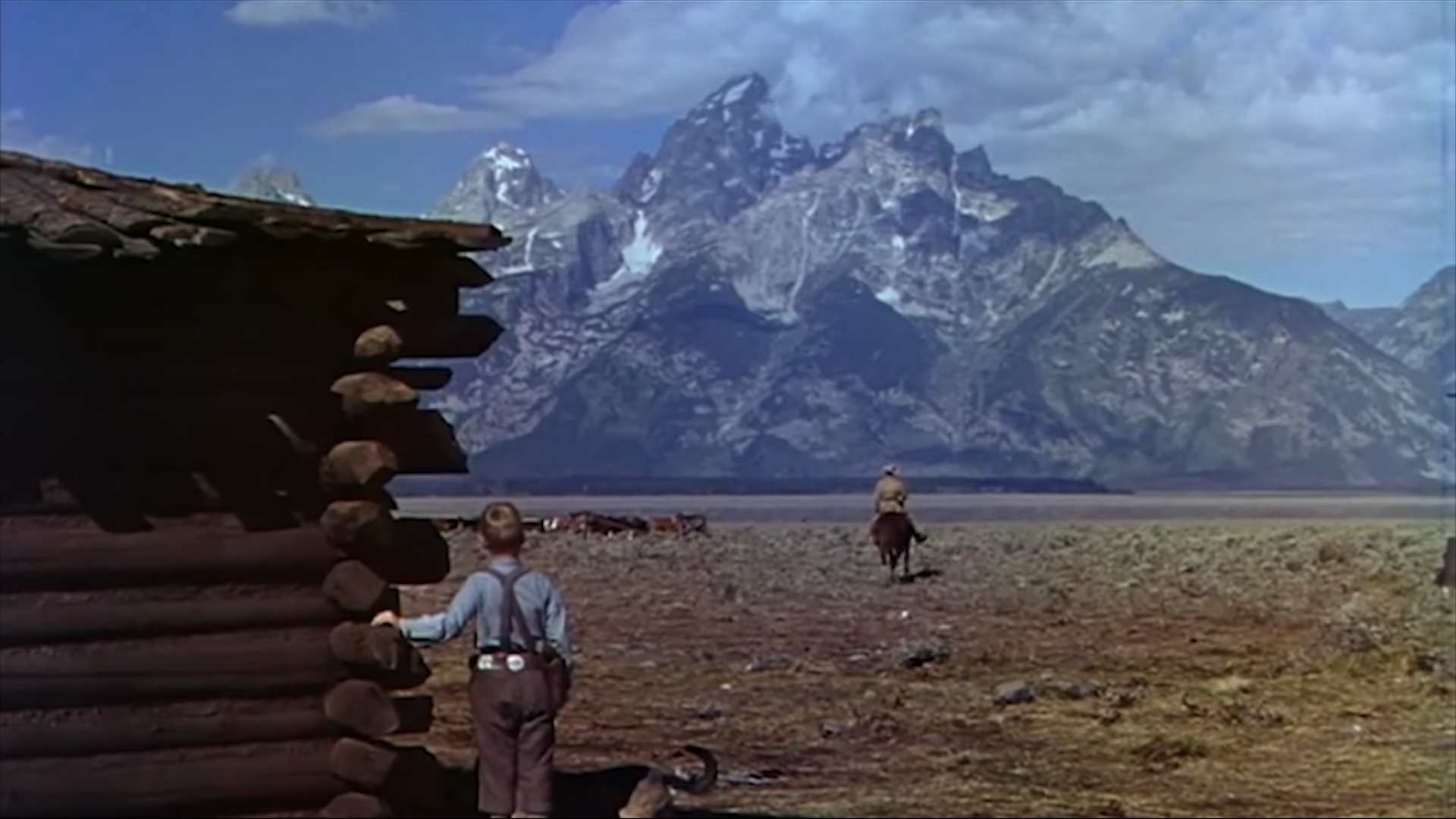
Shane (1953)

The looming Wyoming mountains form a majestic backdrop to George Stevens’ story of Western ranchers, gunmen, and sensitive melodrama in Shane, its vast landscapes containing a masterfully staged exploration of a modern America’s dwindling need for classical action heroes in favour of a new, civilised society of stability and prosperity.

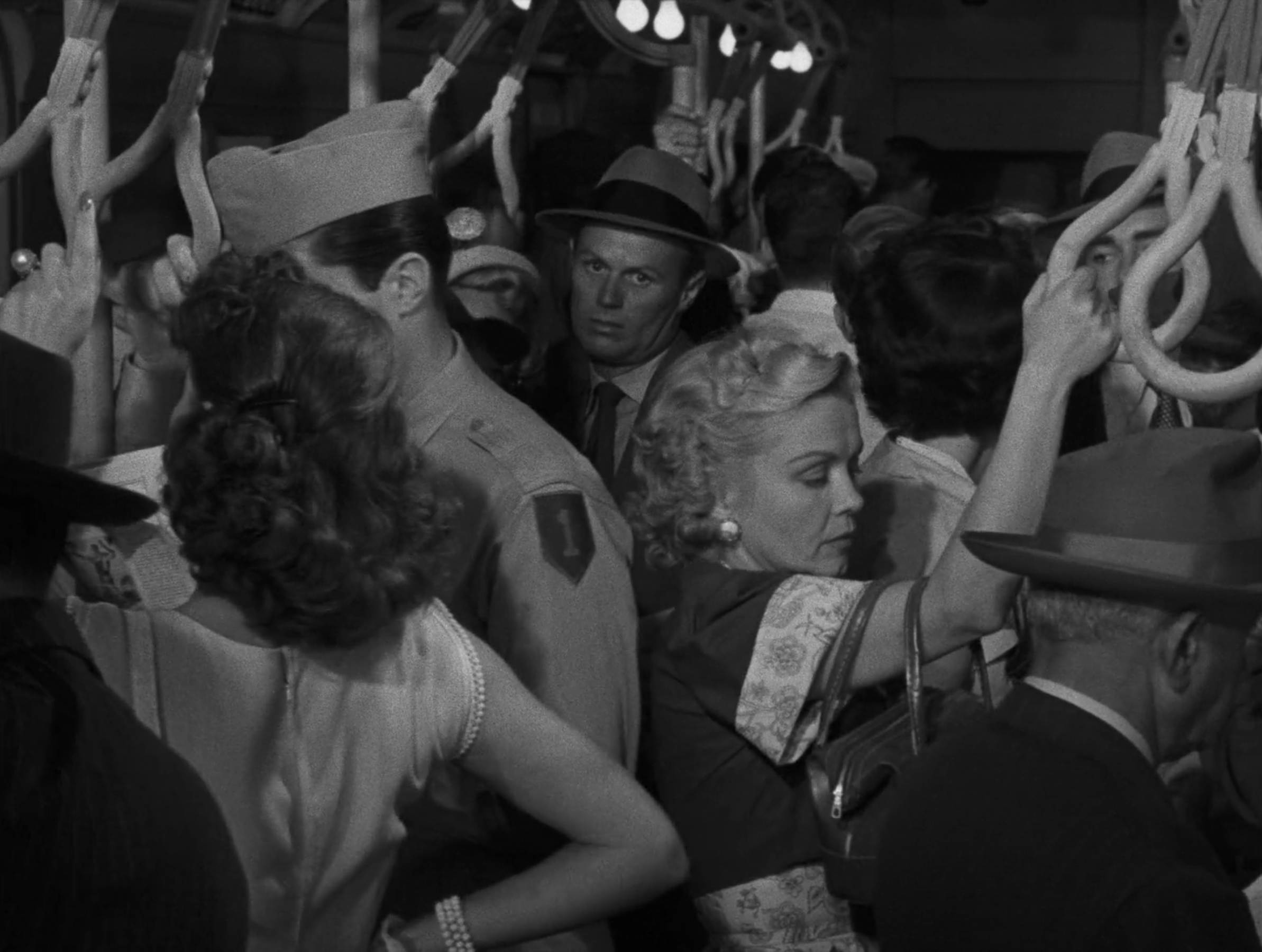
Pickup on South Street (1953)

Pickup on South Street is a triumph of writing, character, and stylistic camerawork for Samuel Fuller, and it is in the marriage of all three that he crafts a compelling Cold War thriller crackling with the fizzing tension of stealth, espionage, and a sensual seduction between a pickpocket and his target.

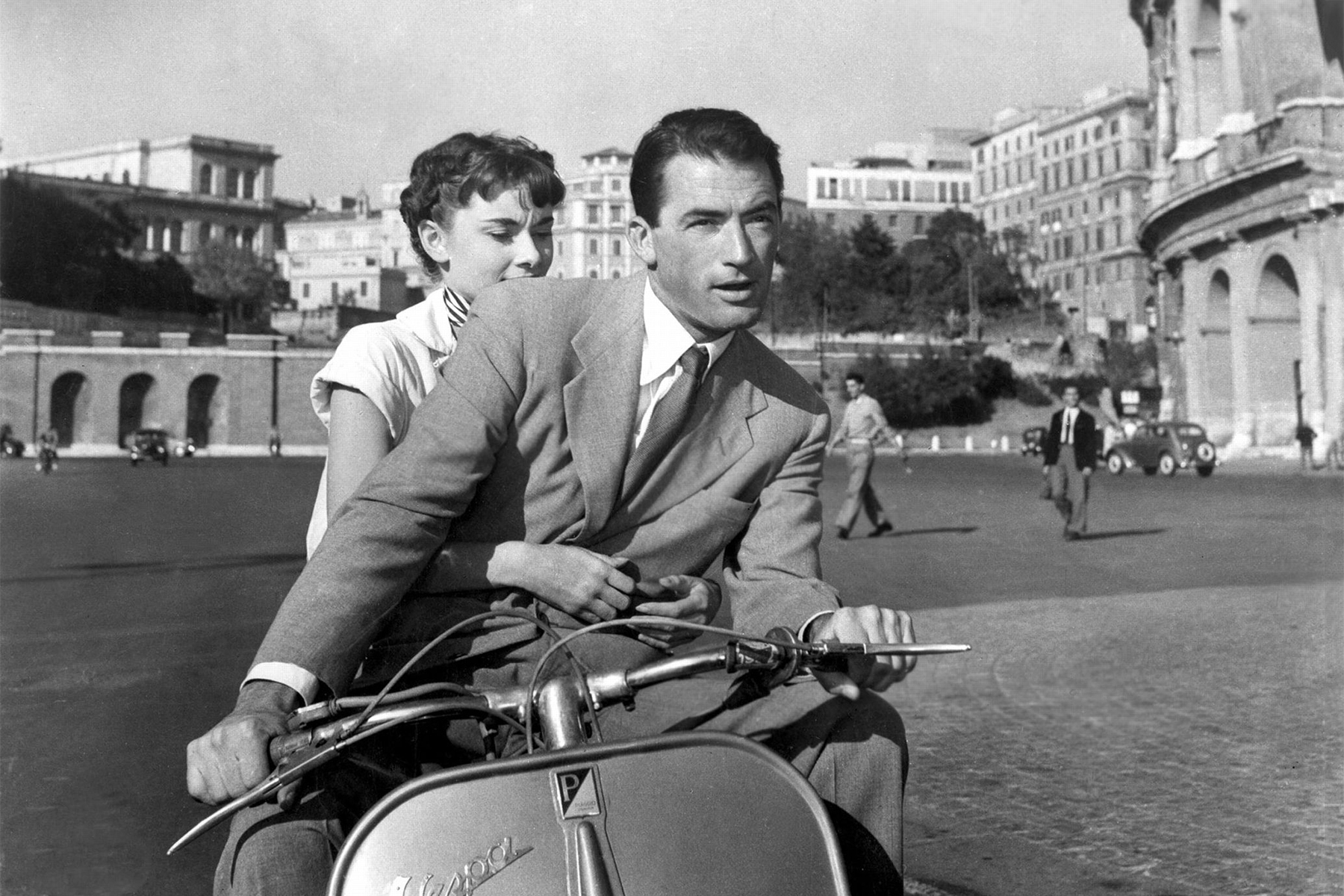
Roman Holiday (1953)

In turning Rome’s architecture and geography into a living, breathing environment in Roman Holiday, William Wyler crafts a romantic adventure for newspaperman Joe and runaway princess Ann, and offers Audrey Hepburn a perfectly charming setting for displays of natural magnetism that carry entire scenes.

Scroll to Top