1950

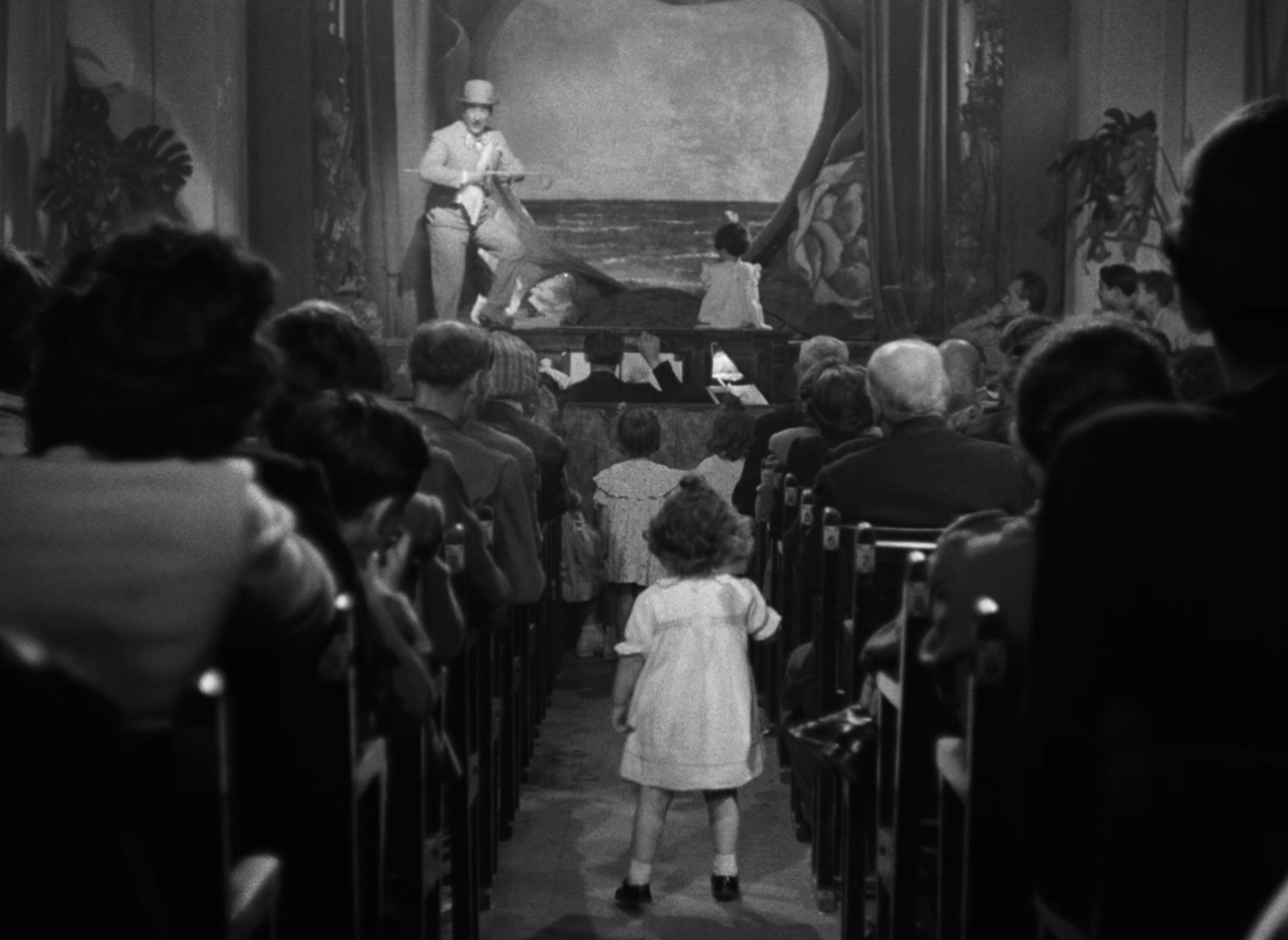
Variety Lights (1950)

Federico Fellini’s love of theatre would take on great symbolic meaning in his later films, but it emerges quite directly here as the setting of his directorial debut Variety Lights, fuelling the drama between the flighty members of a travelling troupe dreaming of fame, money, and love.
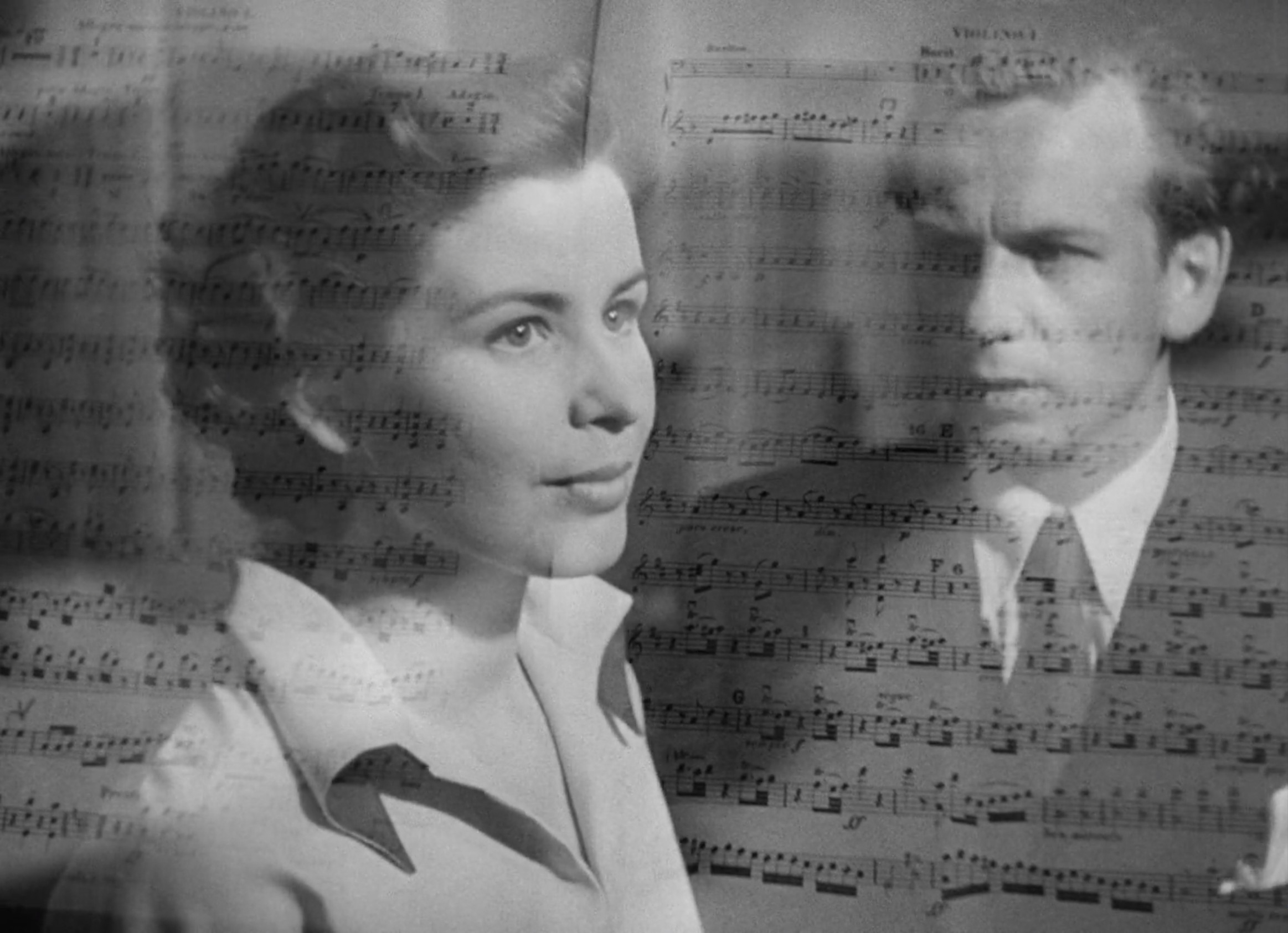
To Joy (1950)

Ingmar Bergman’s tribute to artistic expressions that speak directly to the human soul resonate loudly all through To Joy’s visual and musical orchestrations, each one harmonising to pinpoint the intersection of love, tragedy, and wistful longing shared by two married violinists and their perfectionistic, fatherly conductor.

Rashomon (1950)

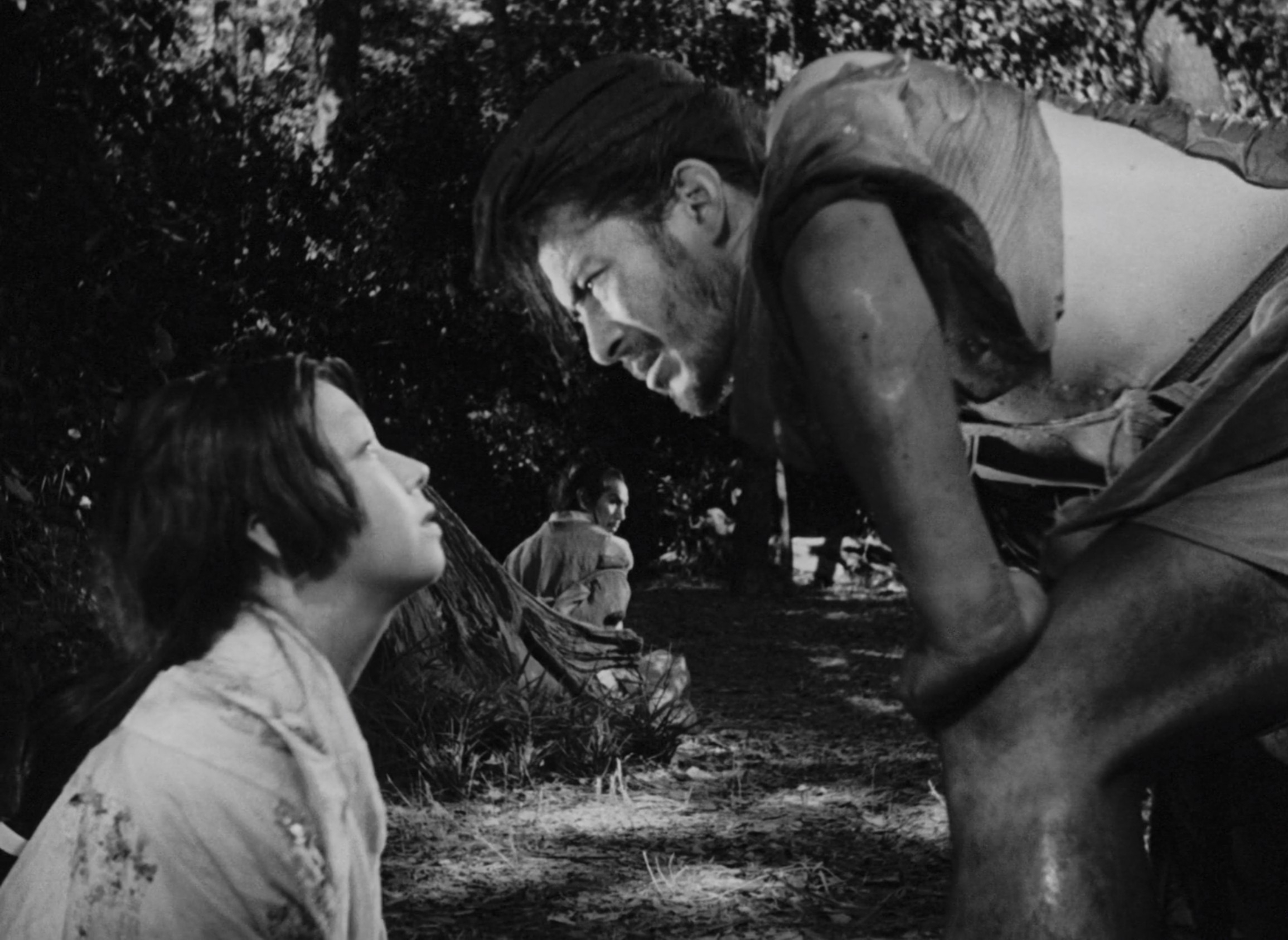
It is only with as daring a narrative structure as the one which Akira Kurosawa builds in Rashomon that its ruminations on subjectivity, truth, and storytelling find such peaceful resolve in a nihilistic world, as he skilfully navigates the conflicting perspectives of a single murder in classical Japan through dextrous, perspective-shifting camerawork and blocking.

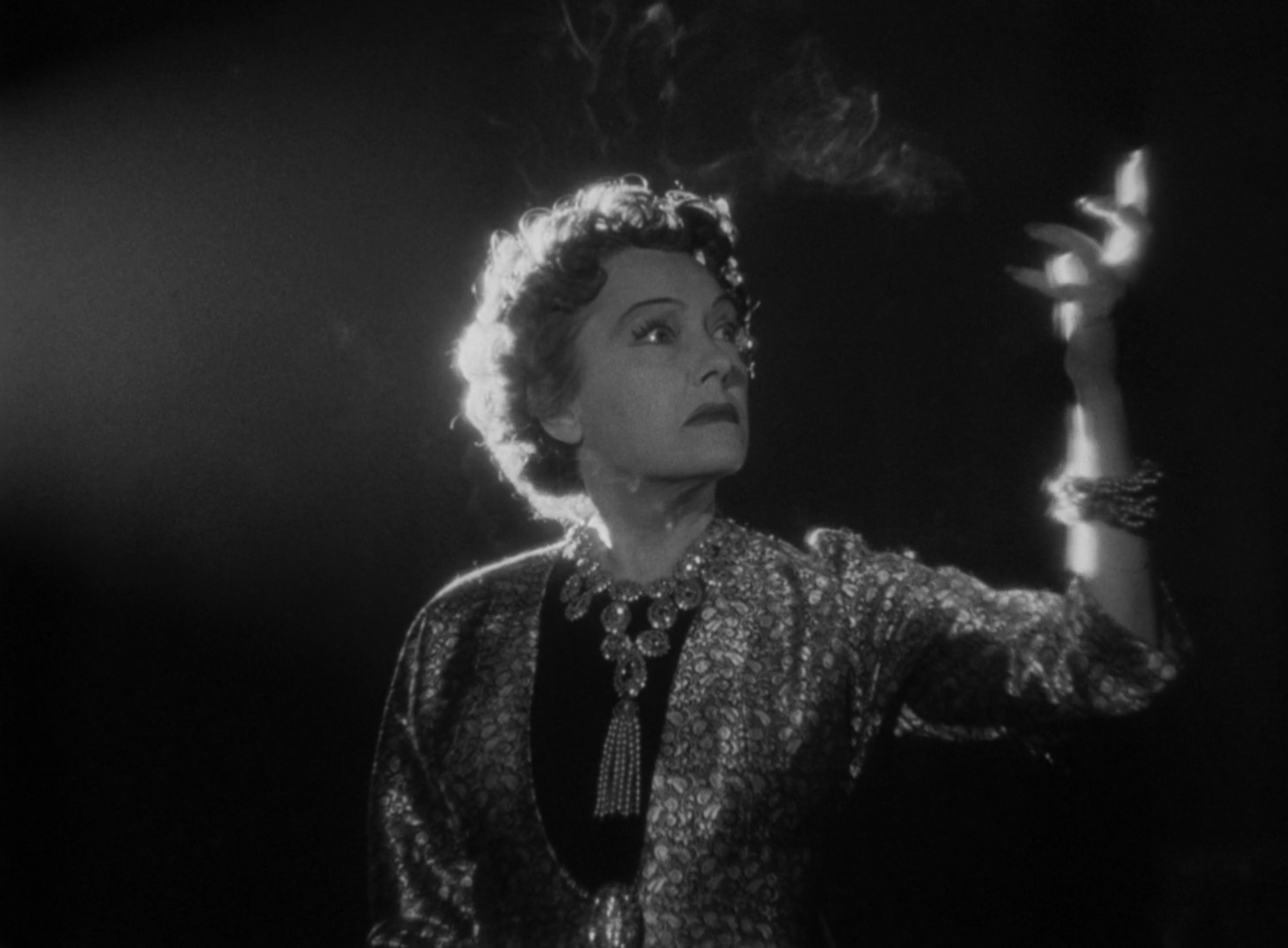
Sunset Boulevard (1950)

While Billy Wilder’s snappy screenplay for Sunset Boulevard bounces from scene to scene in crisp, elegiac prose, he also efficiently constructs one of the most tragic cinematic characters in Norma Desmond, played by a magnificently theatrical Gloria Swanson whose every line and action resounds with pride and misery of grandiose proportions.

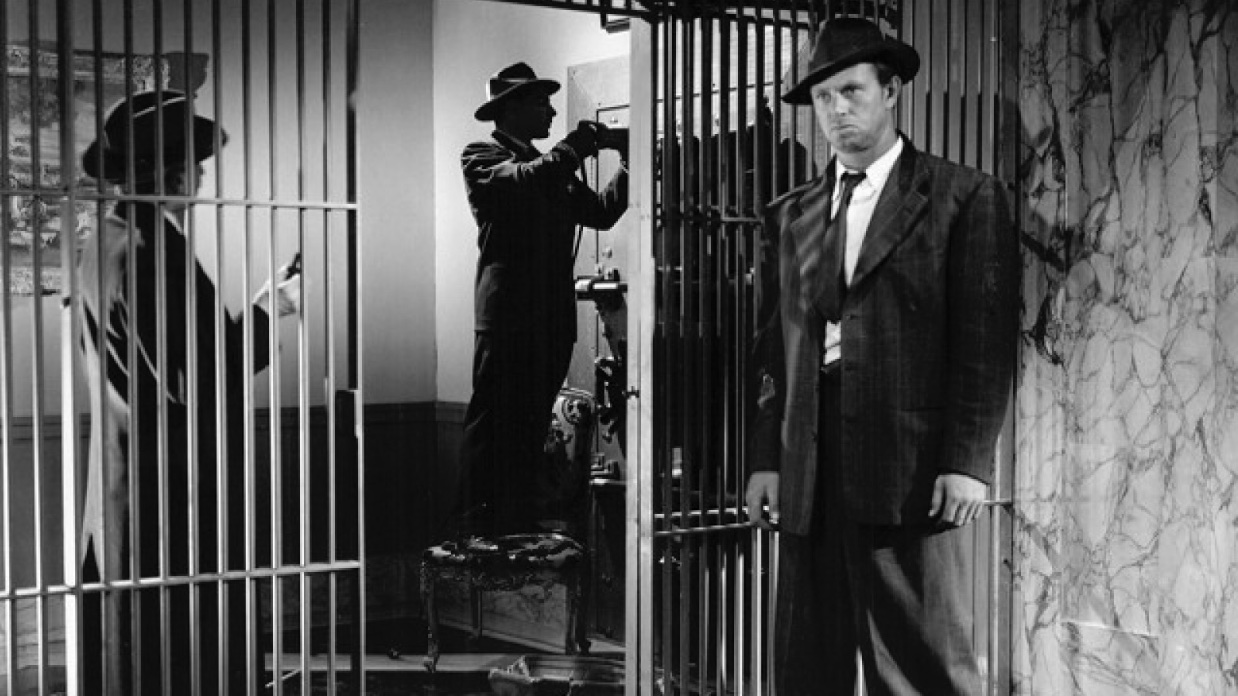
The Asphalt Jungle (1950)

Beyond its inexorable influence upon every heist movie from this point on, John Huston’s film noir The Asphalt Jungle sets a perfectionistic standard of plotting that has rarely been topped in the genre, following the exploits and comeuppance of a skilled gang of crooks destined to fail by nature of their own inevitable flaws and a fatalistic universe.

Scroll to Top