1948

A Hen in the Wind (1948)

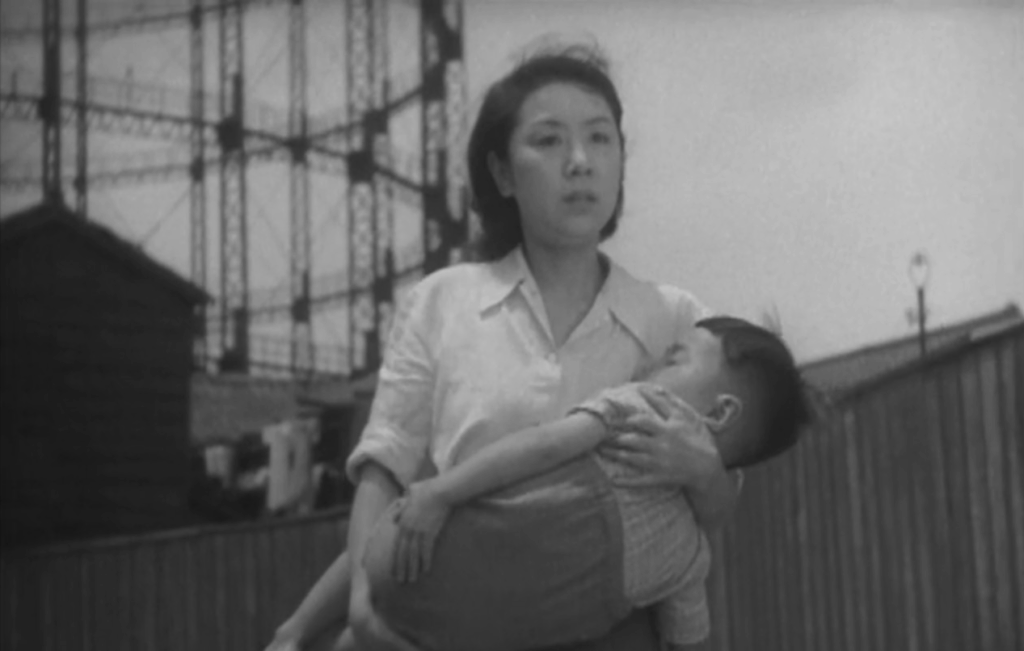
Yasujirō Ozu offers nothing but sympathy for one helpless mother’s agonising moral compromise in A Hen in the Wind, imposing the harsh, destitute architecture of postwar Japan upon her shame, as well as her desperate attempt to seek marital reconciliation.
La Terra Trema (1948)

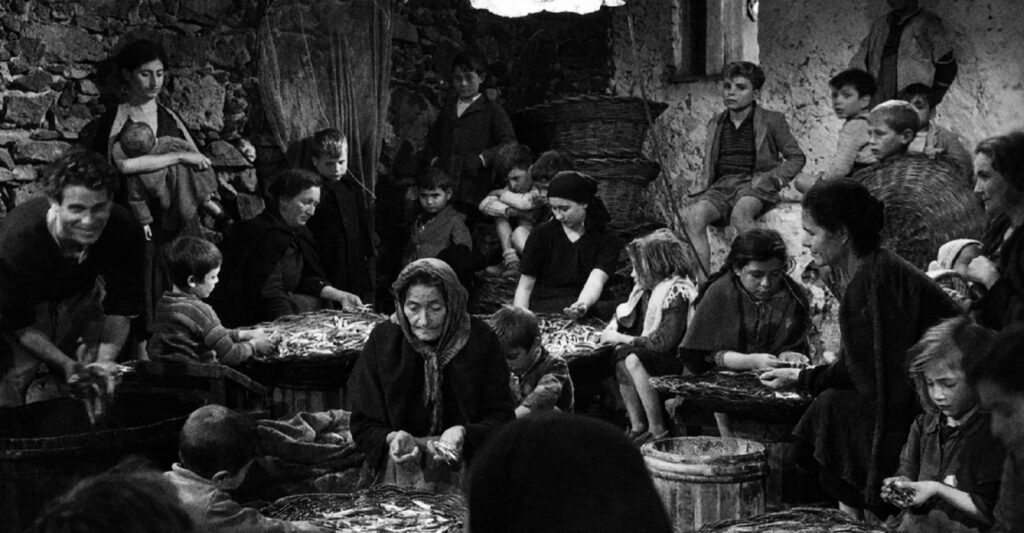
The tale of one fisherman’s attempted revolution against greedy local wholesalers is given an epic stage in La Terra Trema, tracing the sort of rise-and-fall archetype that once belonged to Roman mythology, yet which Luchino Visconti transposes here to an impoverished Sicilian village with incredible authenticity.

Port of Call (1948)

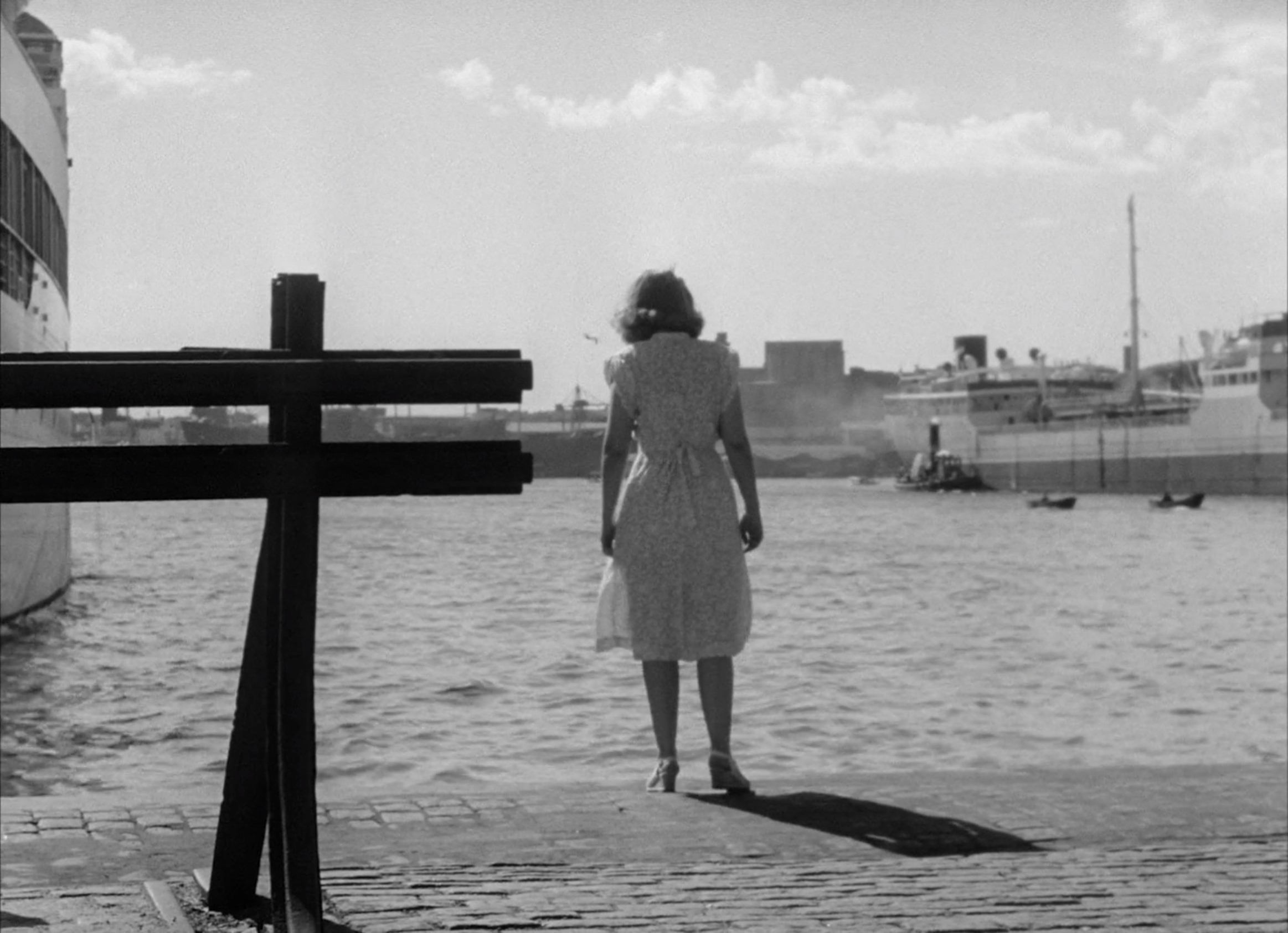
Romantic melodrama may be the basis of Port of Call’s romantic storyline, and yet in the authentic location shooting and miserable suffering of its suicidal protagonist, Ingmar Bergman imbues it with a discomforting grit inspired by Italy’s neorealist movement, setting in a bleak tone that sees old traumas surface and threaten the chance for new beginnings.

The Treasure of the Sierra Madre (1948)

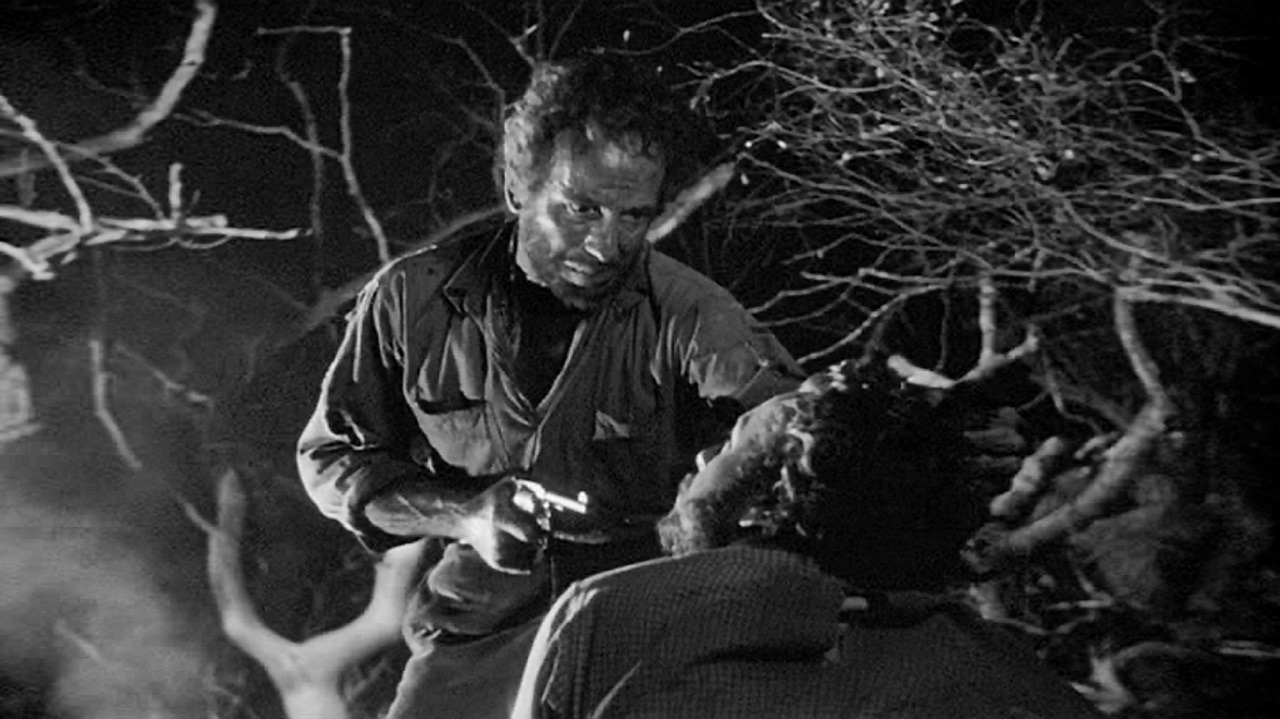
Through some force of nature or the winds of fate, poetic justice finds its way home in The Treasure of the Sierra Madre, as John Huston undercuts humanity’s indulgent pursuit of wealth in this cautionary tale of gold-mining prospectors and brutal bandits.

The Red Shoes (1948)

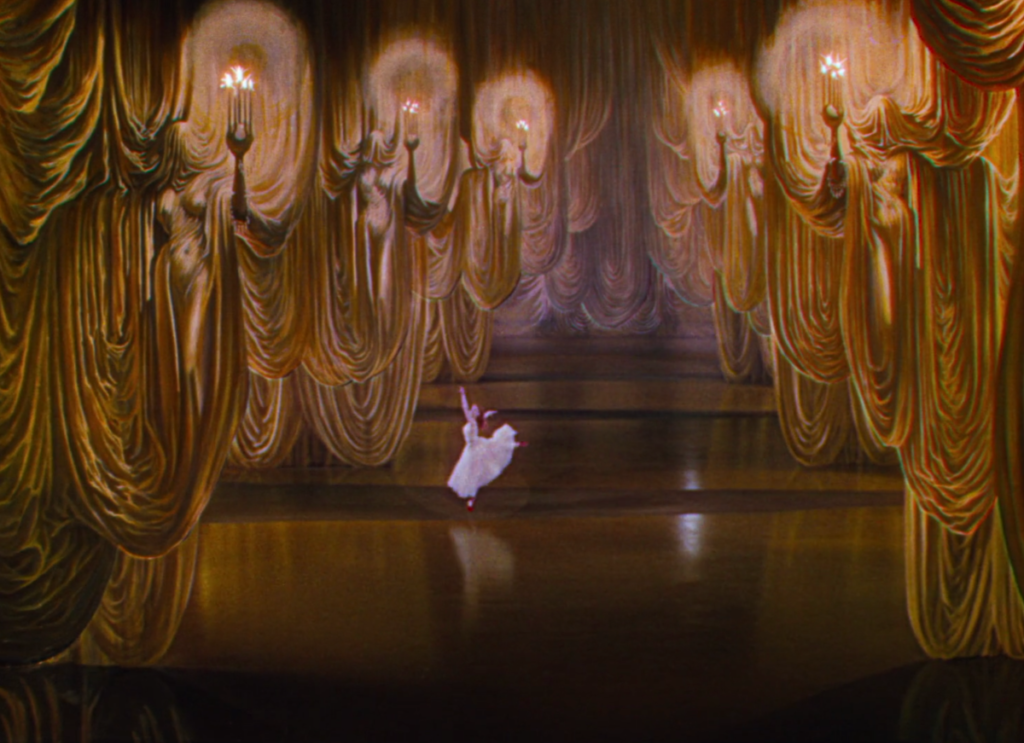
Michael Powell’s control over his very specific colour palettes all through The Red Shoes goes beyond the crafting of immaculate compositions, as it furthermore binds us so tightly to the disintegrating mental state of aspiring dancer Vicky, that we can’t help but be plunged right into the psychological depths of her pure, self-destructive ambition.

Scroll to Top