1946

Ivan the Terrible (1944-46)

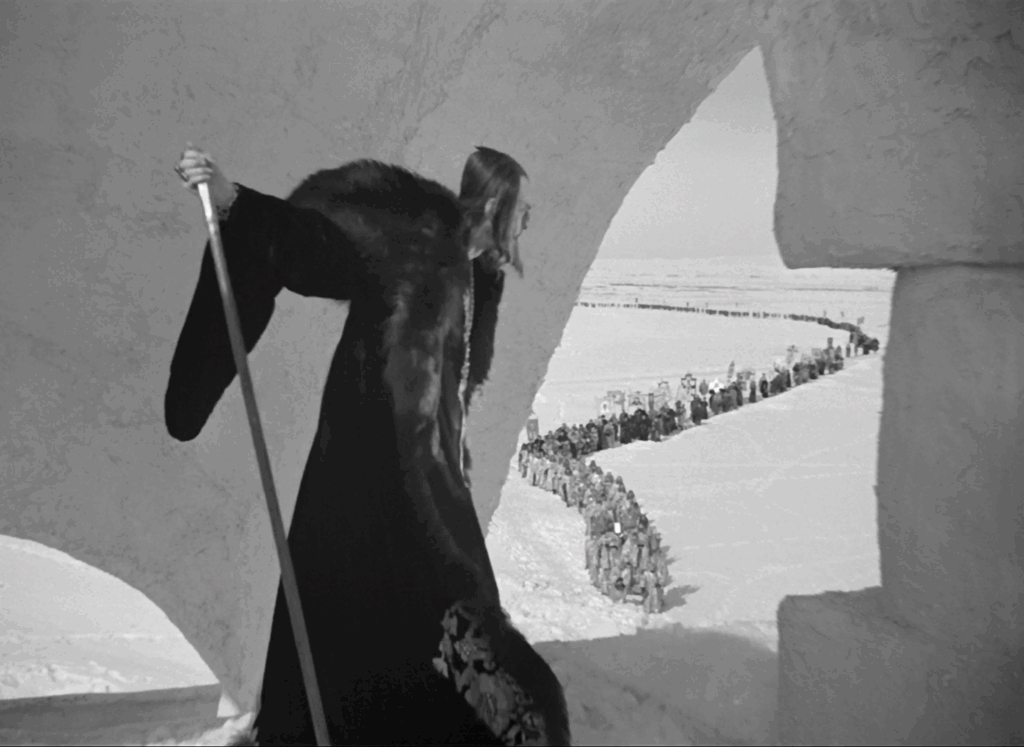
It is a little ironic that Joseph Stalin should see so much of him himself in the first Tsar of Russia, yet Sergei Eisenstein nevertheless takes the metaphor as a creative challenge in Ivan the Terrible, painting a vision of oppressive tyranny in bold, inflammatory strokes that stands true across centuries.
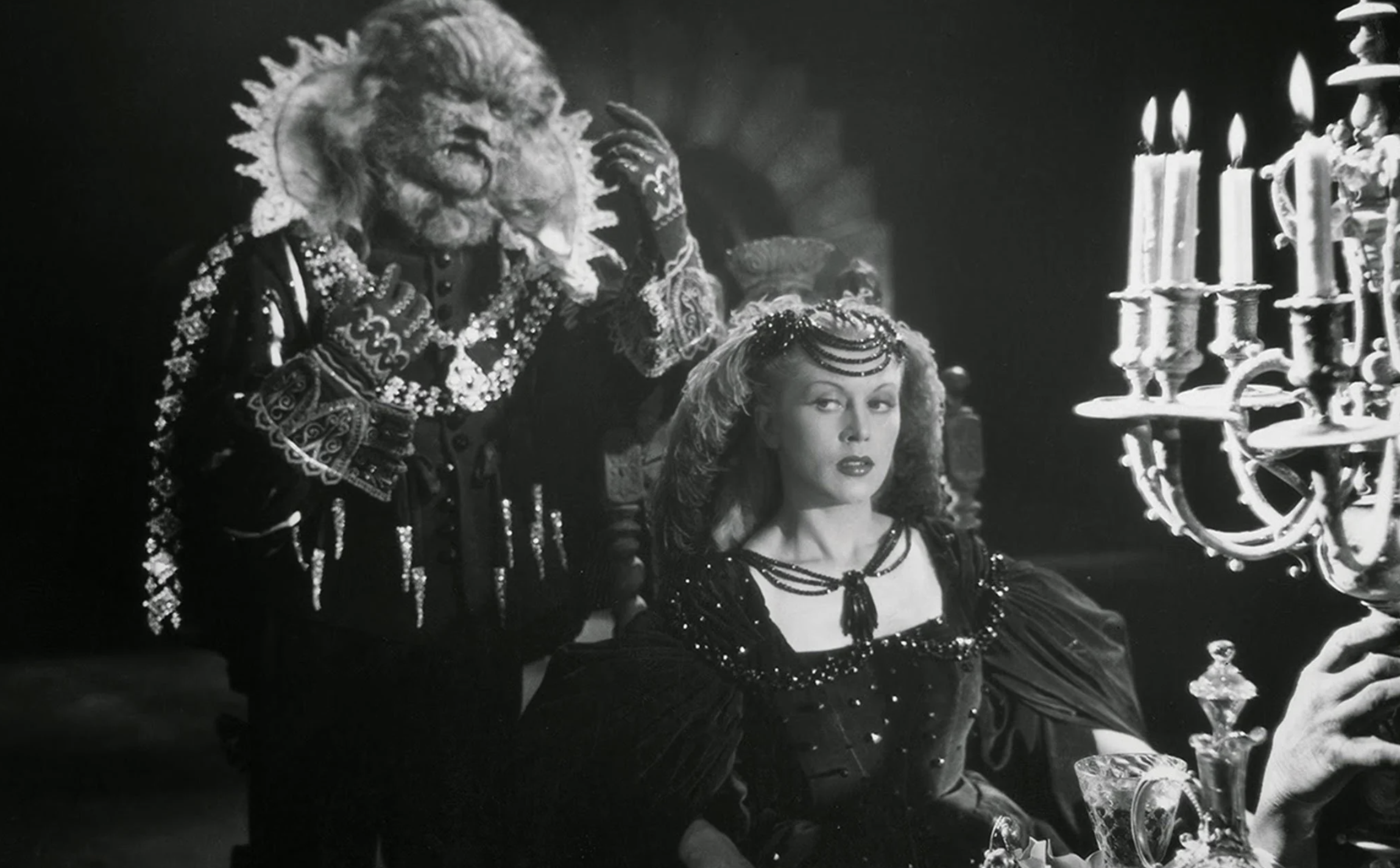
Beauty and the Beast (1946)

It is not just the fantastical designs and living furniture which imbue the enchanted castle of Jean Cocteau’s Beauty and the Beast with an air of otherworldly awe, but its illusory logic makes for a dreamscape as inventively surreal as it is fearsome, penetrating deceptive facades of beauty and ugliness that conceal the true nature of our humanity.

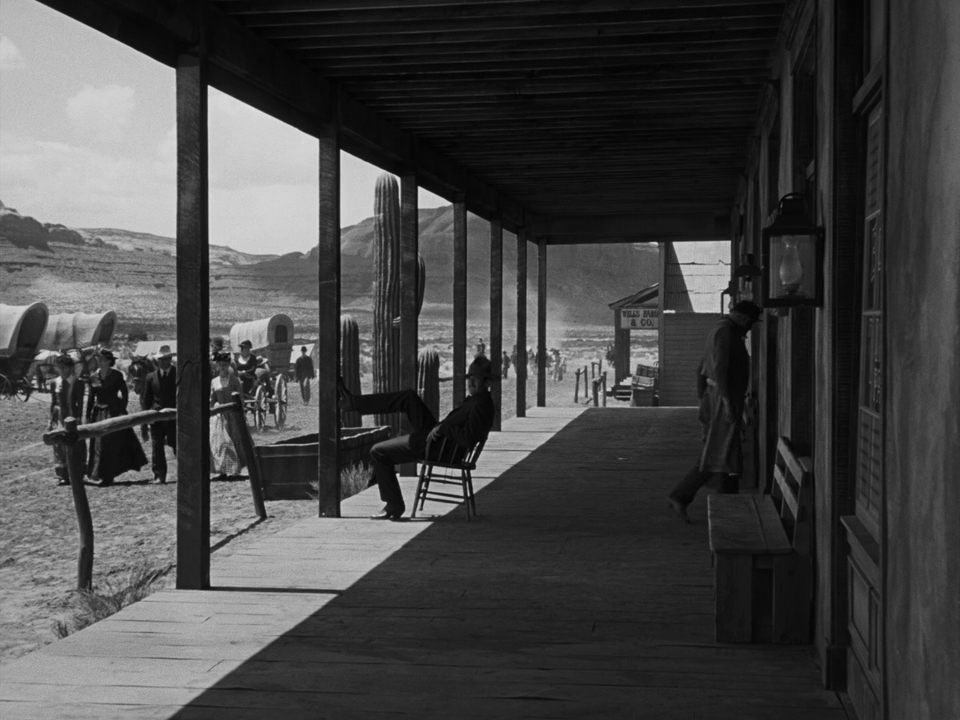
My Darling Clementine (1946)

Through John Ford’s grand cinematic mythologising in My Darling Clementine, lawman Wyatt Earp becomes a guardian of modern civilisation and legendary hero of the American frontier, cultivating seeds of growth in the rural town of Tombstone while challenging those who threaten to spoil its future.

Notorious (1946)

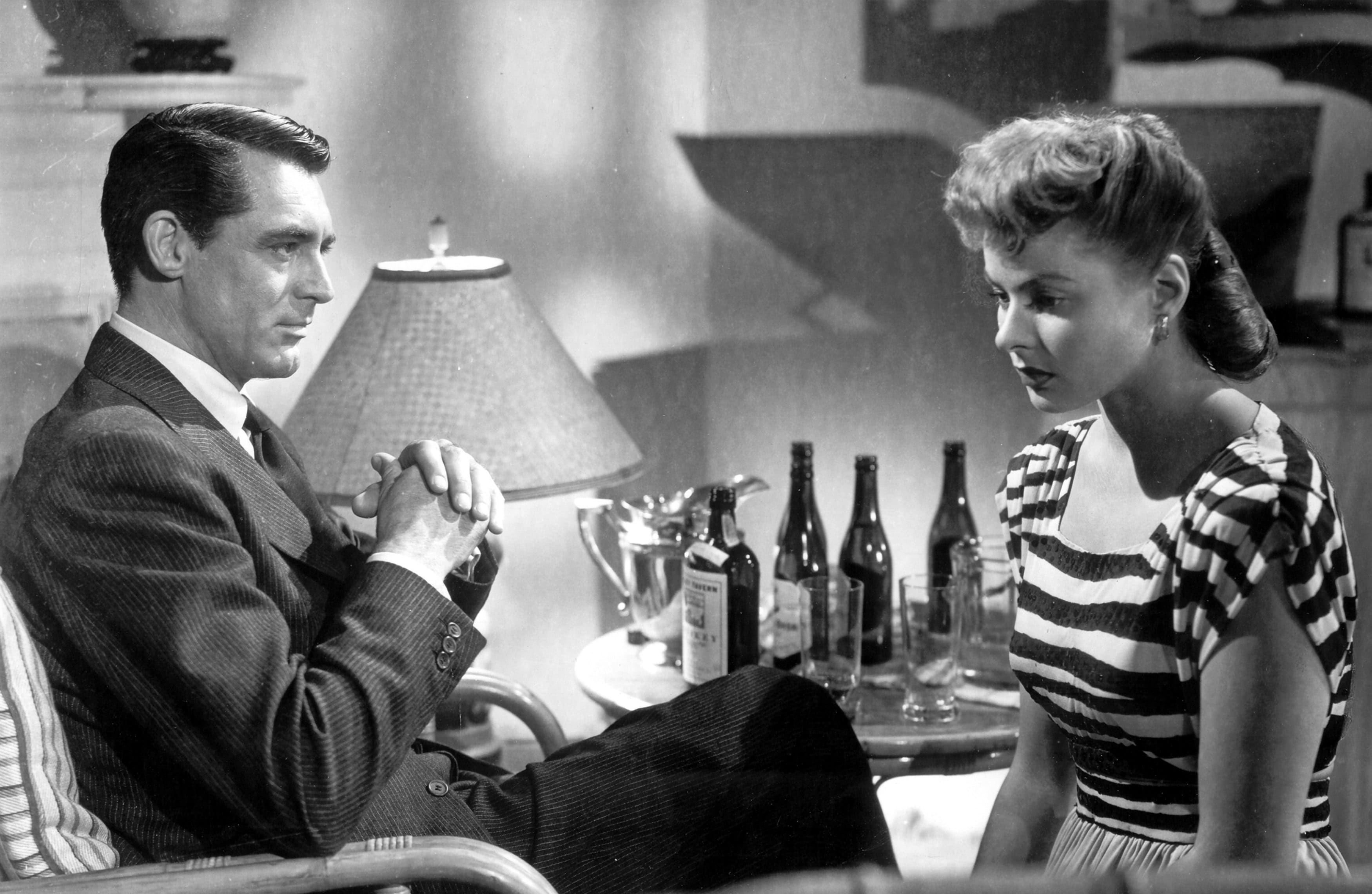
There is remarkable dramatic tension in Notorious’ thickly plotted conflict of romance and thriller conventions that tugs a pair of post-war spies between deep passion and cold pragmatism, but through his motifs of seemingly innocuous refreshments Alfred Hitchcock also develops an even more intricate formal structure, containing darker secrets within them than one might expect.

The Killers (1946)

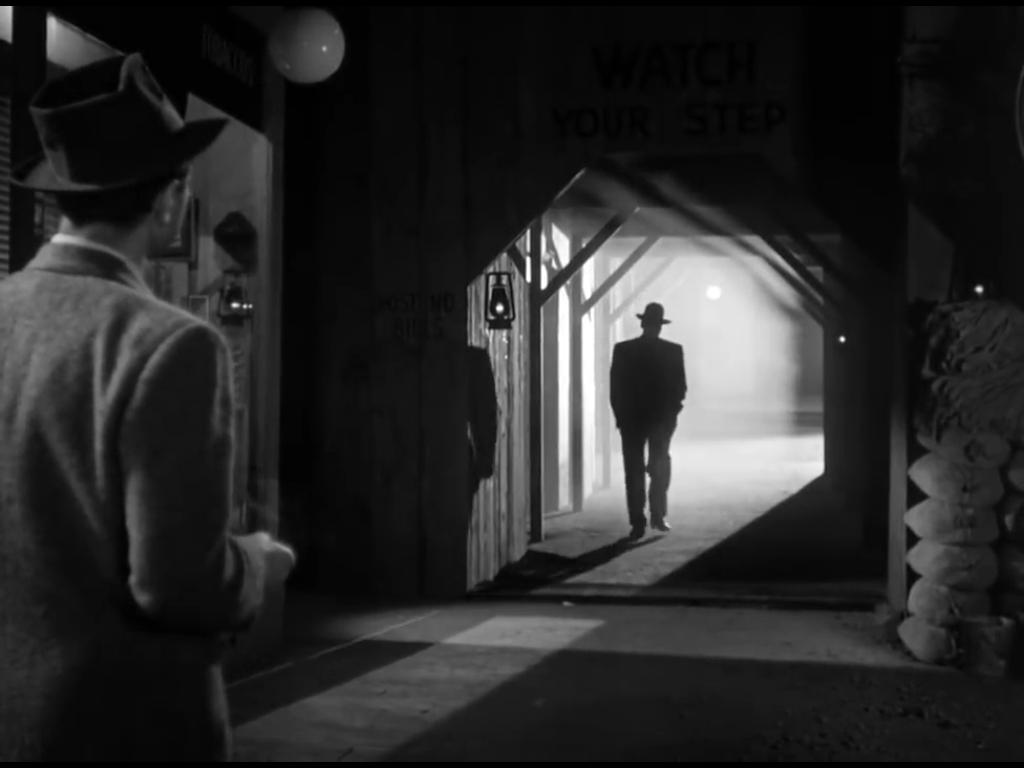
The many acquaintances of one young murder victim each hold a piece of the puzzle to his mysterious death in The Killers, and as Robert Siodmak traces his life back through splintered collections of memories, clues, and treacherous triple crosses, the layers of his fatally obsessive insecurity begin to unfurl.

It Rains On Our Love (1946)

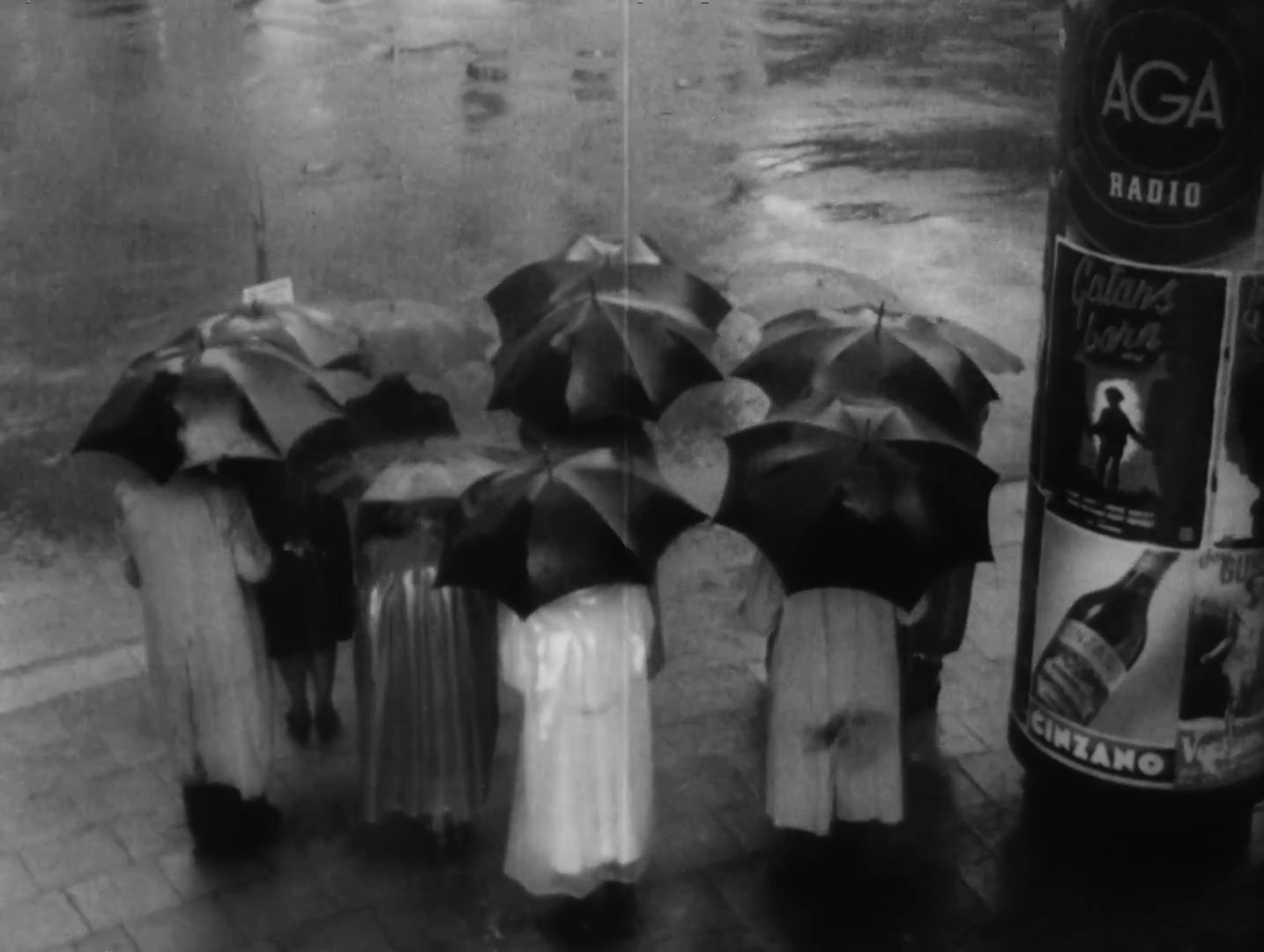
Ingmar Bergman screenplays are rarely so blunt as the melodrama he delivers in It Always Rains on Our Love, and yet the touch of magical realism he injects into this fable of endless hardships is charming nonetheless, formally rounding out a heartfelt call for compassion towards society’s young outcasts.

The Big Sleep (1946)

Howard Hawks wields his convoluted narrative like a weapon in The Big Sleep, where fatalistic forces wind together in a treacherous labyrinth seeking to ensnare Humphrey Bogart’s cynical private detective, Phillip Marlowe, thereby immersing us into a gloriously pulpy film noir that sizzles with sexual innuendoes and coy provocations.

A Matter of Life and Death (1946)

Michael Powell’s fatalistic contemplations are lifted to metaphysical levels in A Matter of Life and Death where one man who cheats death must argue his case to keep living, his soul hanging in a precarious balance between two worlds – one dominated by surreal black-and-white set pieces, the other a Technicolor assertion of life’s spectacular beauty.

Scroll to Top