1932

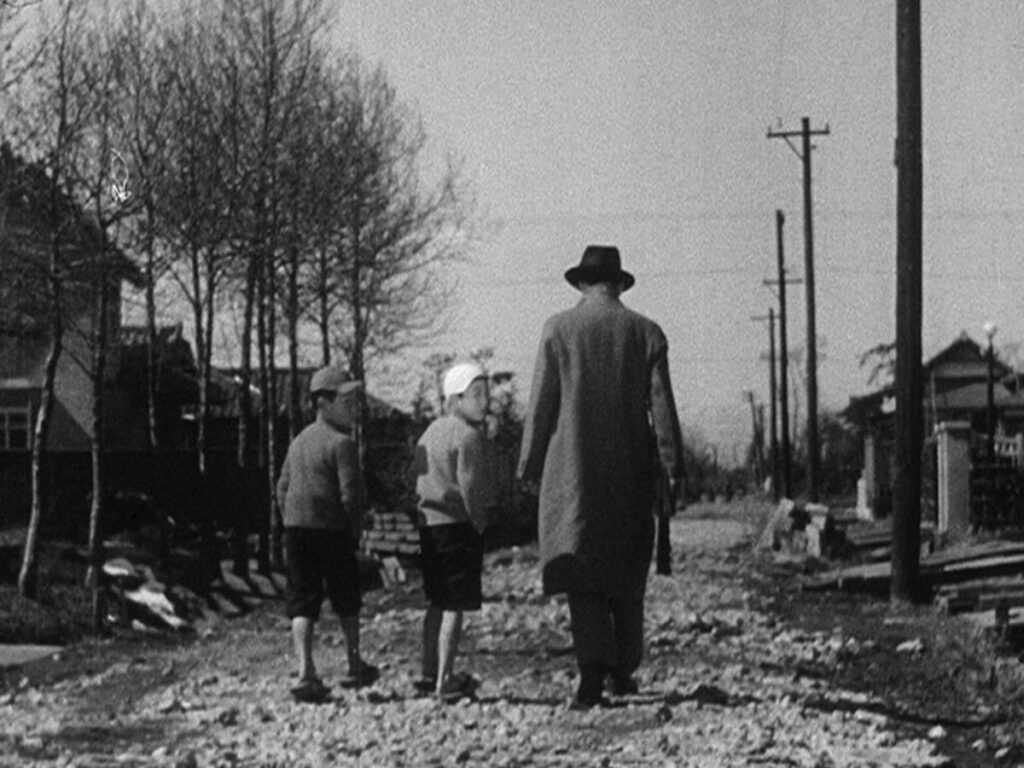
I Was Born, But… (1932)

Within the messy entanglement of power and status, Yasujirō Ozu’s formal mirroring of fathers and sons in I Was Born, But… reveals the conflict at the root of our common insecurities, as well as the sweet, liberating affirmation we never stop pursuing from infancy through adulthood.
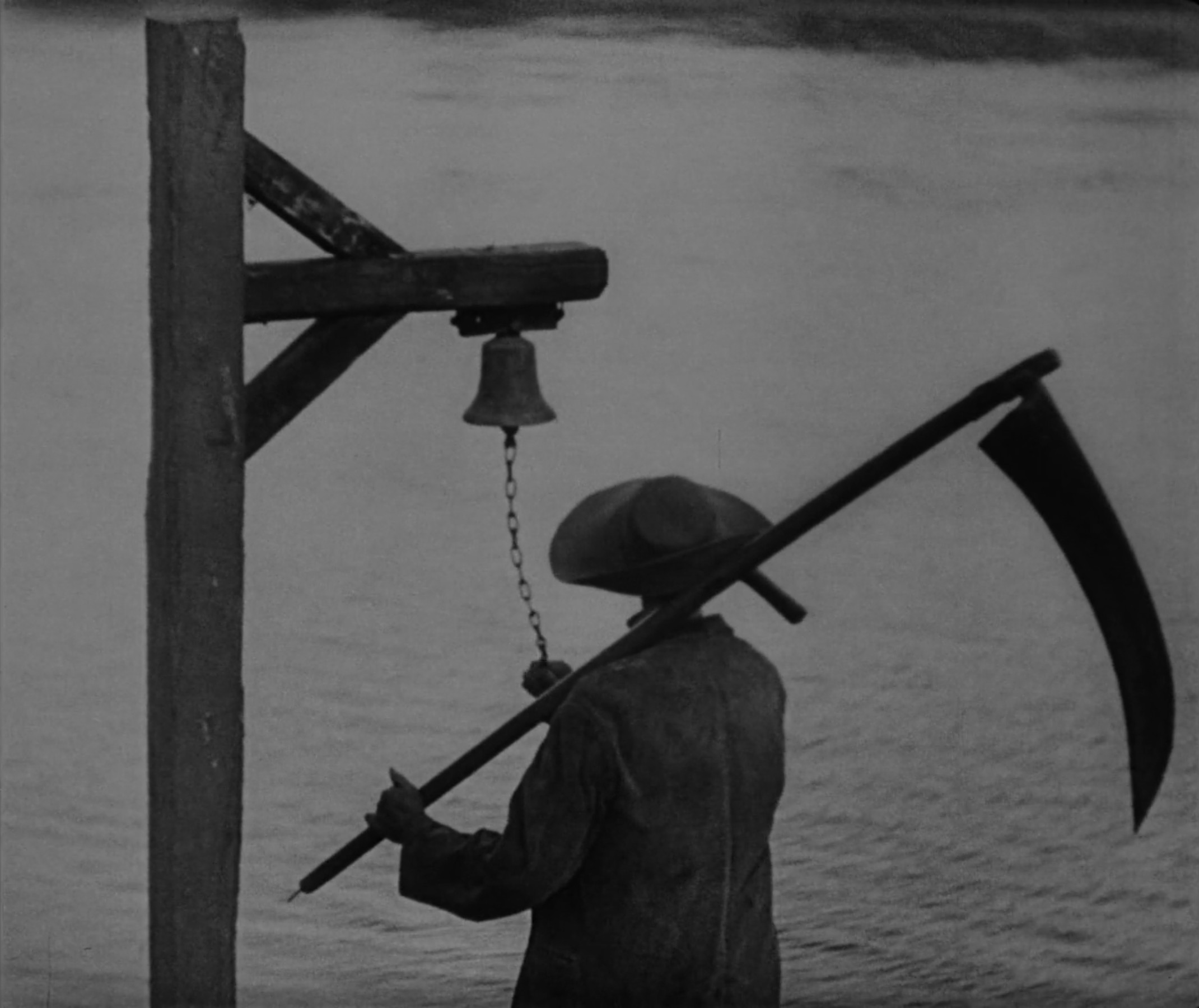
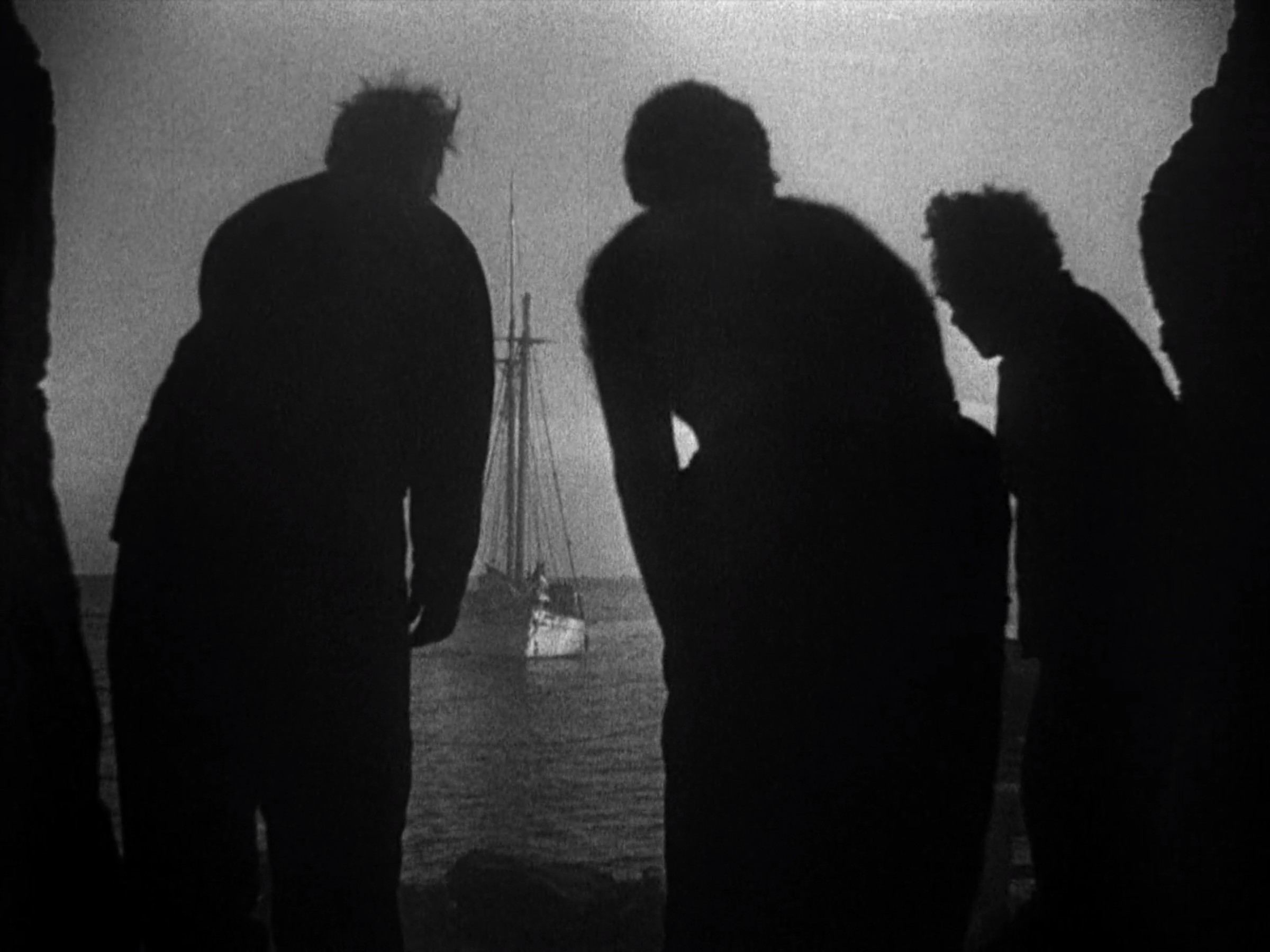
Vampyr (1932)

Whether Carl Theodor Dreyer’s horror film is to be interpreted as a political allegory, a spiritual fable, or a cryptic, expressionistic nightmare, Vampyr’s supernatural conspiracy is designed to lull us into the same impressionable state as its hypnotised victims, calling upon our subconscious desire to submit to the psychological darkness.

Island of Lost Souls (1932)

Dr. Moreau’s twisted biological experiments are brought to disturbing, expressionistic life in Island of Lost Souls, immortalising H.G. Welles’ classic sci-fi story onscreen as a horror fable complete with fearsome prosthetics, treacherous villainy, and a tightly-plotted script cautioning against the dangers of interfering with nature.

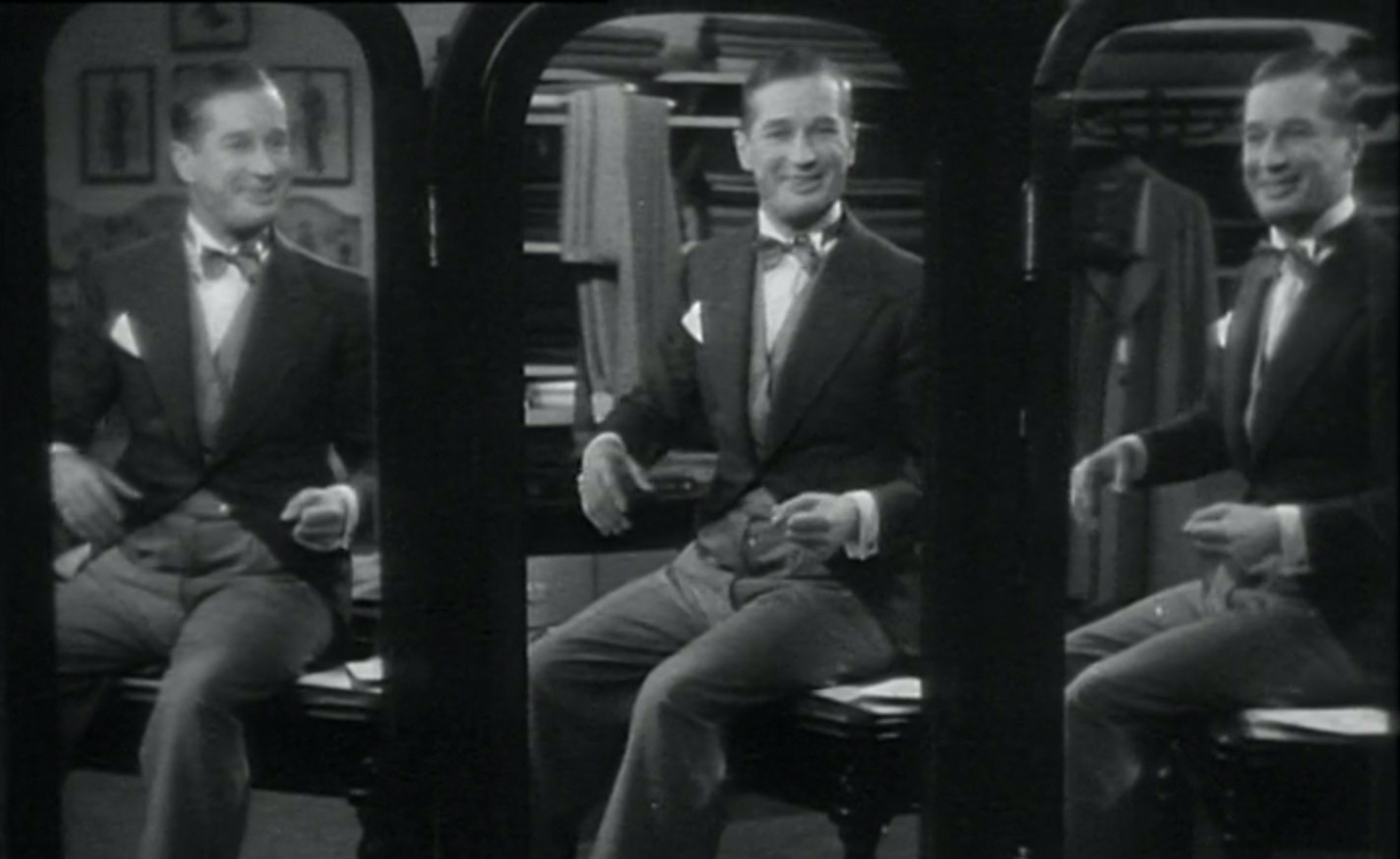
Love Me Tonight (1932)

Blowing in the wind through the French cities and royal castles of Love Me Tonight, Rouben Mamoulian’s infectious melodic motifs unite distant characters from across class boundaries under stirring expressions of love, carrying a narrative dexterity and formal texture that canonises this early movie-musical as one of cinema’s great fairy tales.

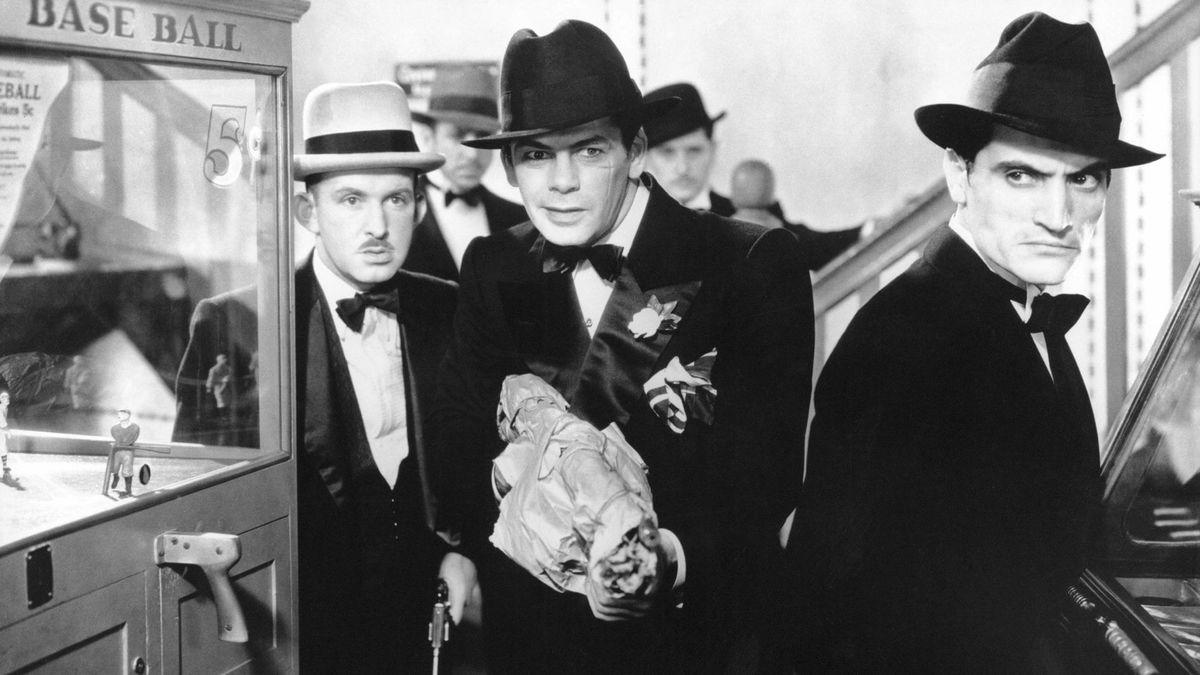
Scarface (1932)

Within the Prohibition era of Scarface where Tony Camonte reigns supreme, violence is conducted with secrecy and treachery, intermittently rupturing Howard Hawk’s patient, brooding narrative with bursts of brutality.

Scroll to Top