
-

The Best Films of the 1970s
The greatest films of the 1970s, from the American New Wave to Europe’s existential surrealism.
-
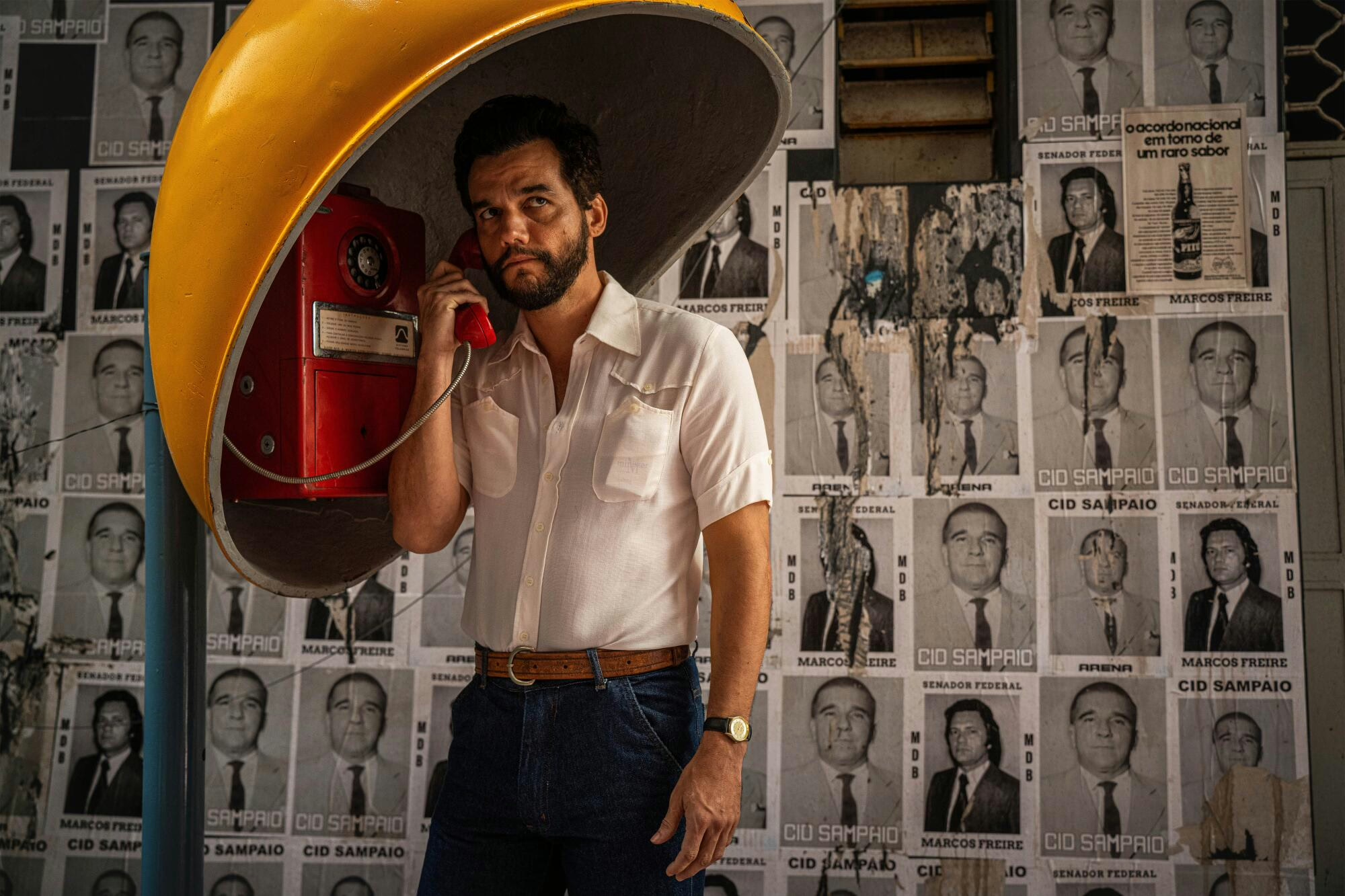
The Secret Agent (2025)
Kleber Mendonça Filho sets a vast stage for the tense political drama of The Secret Agent, tracing one dissident’s attempts to outmanoeuvre Brazil’s military dictatorship in the 1970s, and studying historic expressions of grief and resistance distorted by its cruel, bureaucratic censorship.
-

Resurrection (2025)
Bi Gan’s metamodern autopsy of cinema may be elusive in its dreamlike passage through time, yet in becoming one of the medium’s most transcendent accomplishments in recent years, Resurrection enacts the intersection of art and reality as a transient, bittersweet exchange.
-

The Best Films of the 1960s
The greatest films of the 1960s, from the French New Wave to its subversive Spaghetti Westerns.
-
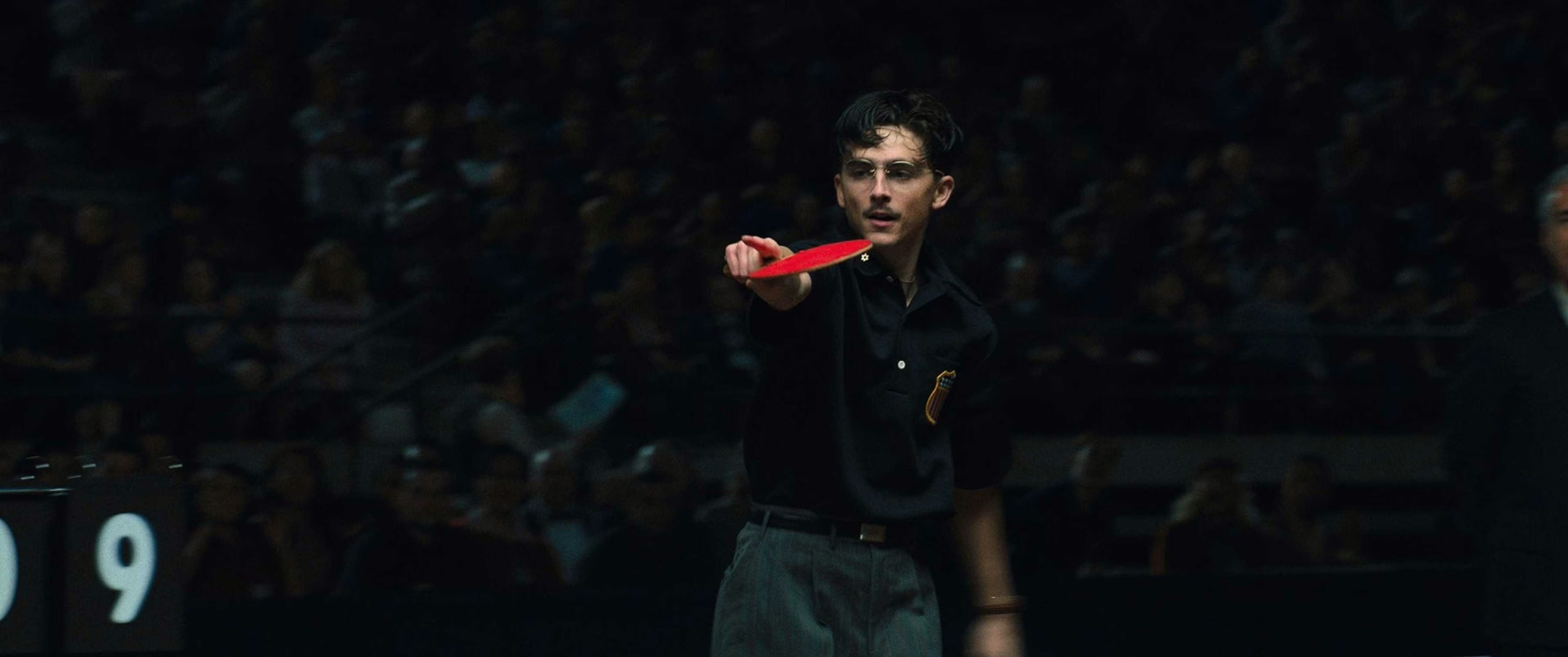
Marty Supreme (2025)
Table tennis superstar Marty Mauser is unlikeable a sports movie antihero as they come, and through Josh Safdie’s abrasive illustration of a self-serving quest for glory, Marty Supreme propels his morally dubious ventures forward on waves of frantic, pulsating momentum.