-
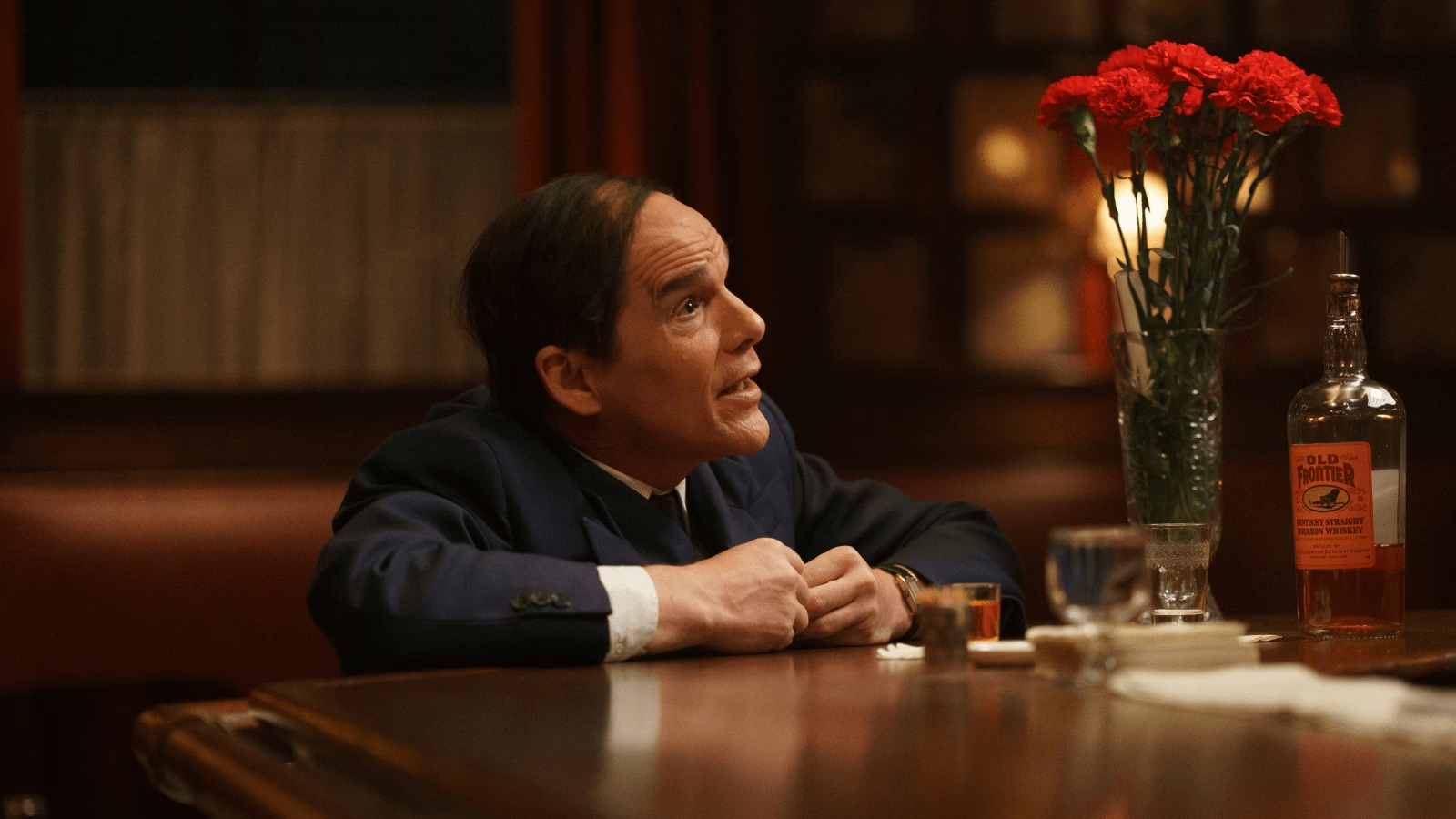
Blue Moon (2025)
Richard Linklater sensitively bares the lonely, eccentric soul of Broadway lyricist Lorenz Hart in Blue Moon, locating him on the opening night of his old creative partner’s newest hit, and tracing the heartbreak, jealousy, and self-sabotage that send him spiralling towards oblivion.
-
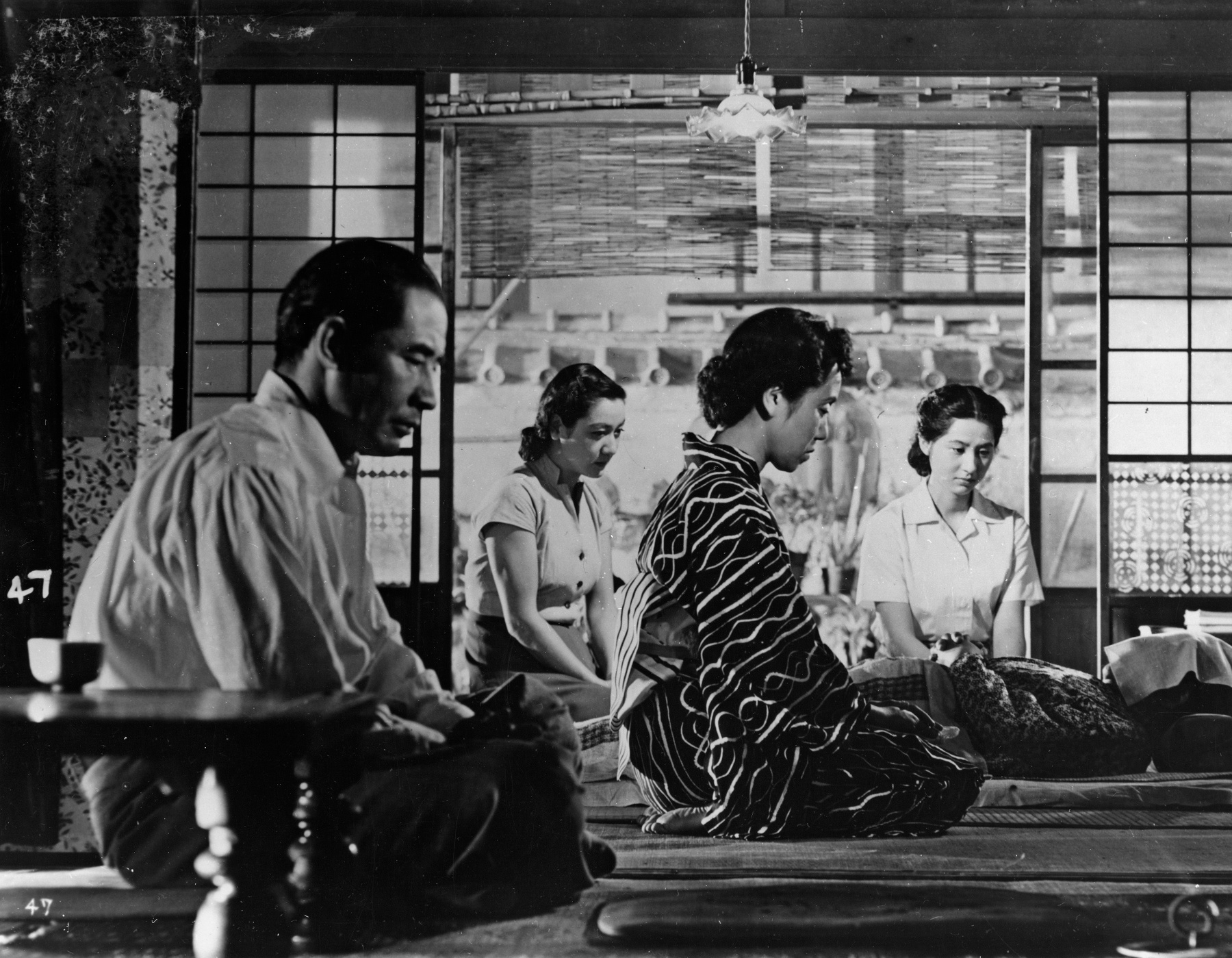
The Best Films of the 1950s
The greatest films of the 1950s, from the classic Hollywood musicals to Japan’s Golden Age of cinema.
-
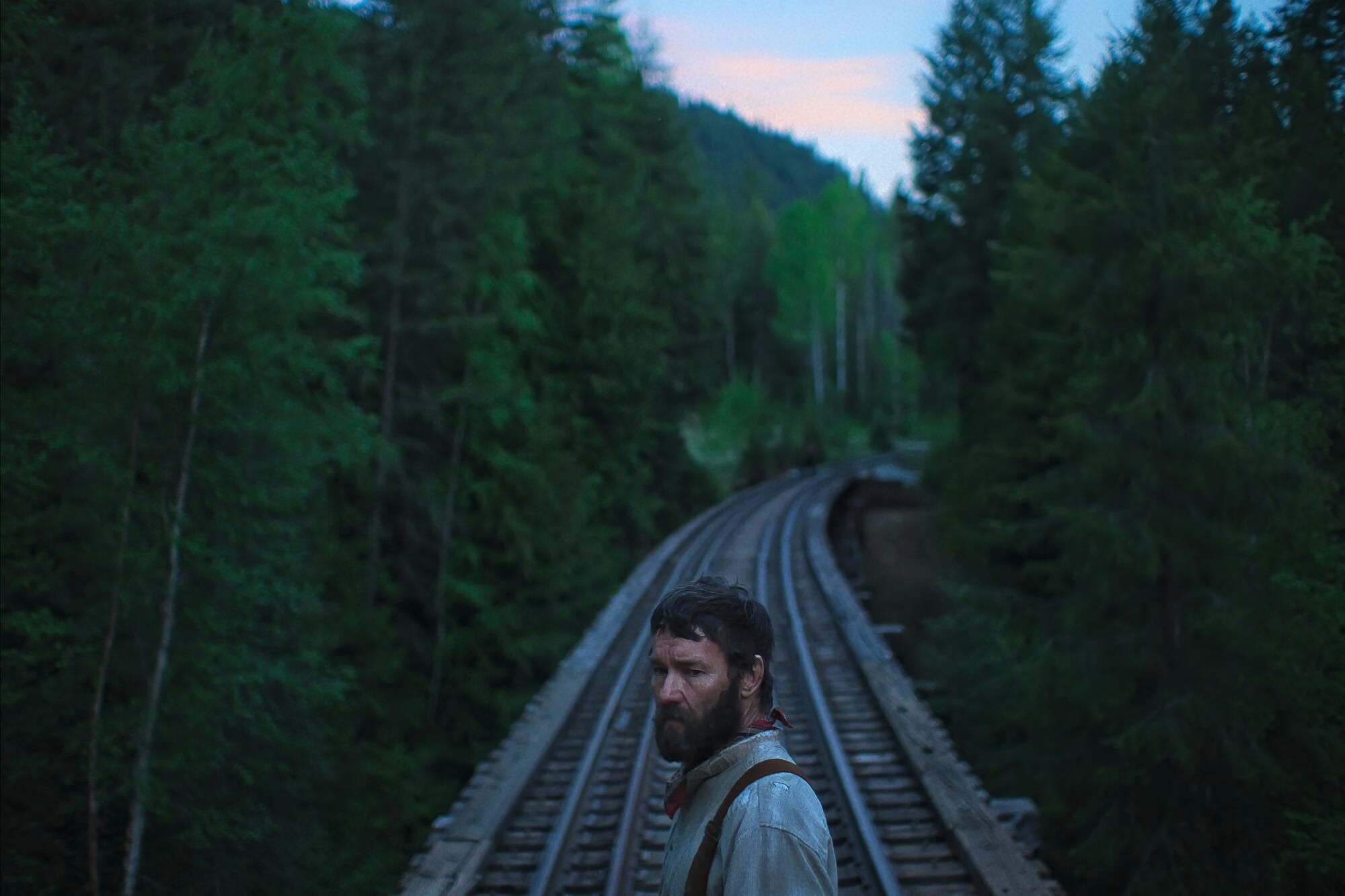
Train Dreams (2025)
Everything that the devoted family man of Train Dreams holds dear is a transient heartbeat in the grand scheme of history, and Clint Bentley’s impressionistic lens joins him in tenderly contemplating its slow surrender to time, marrying curatorial precision with a luminous, transcendent spirit.
-
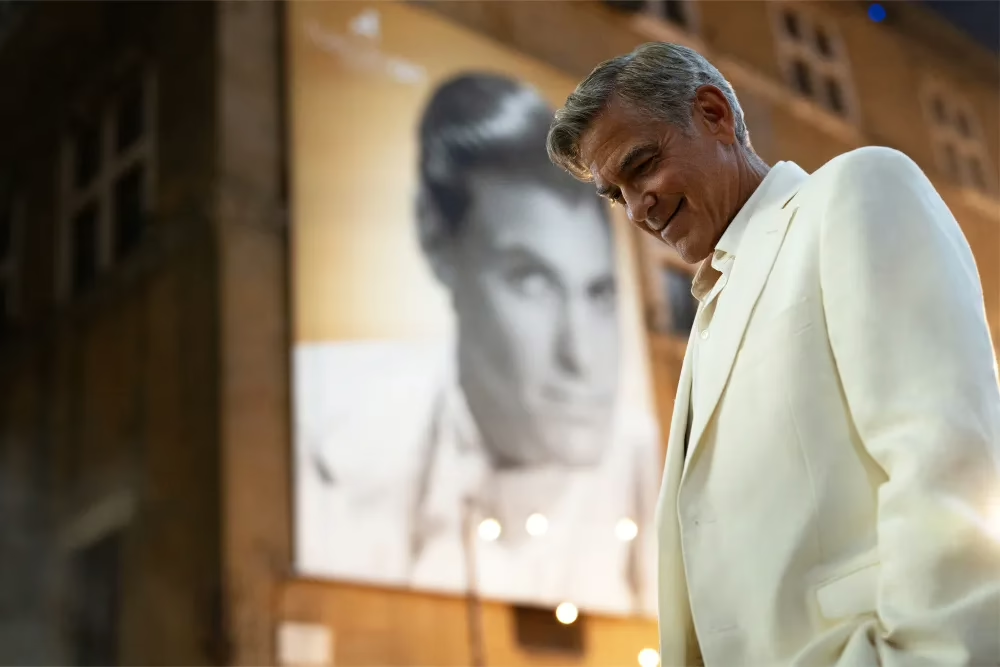
Jay Kelly (2025)
Memory is the only projector that Hollywood celebrity Jay Kelly willingly surrenders to in his twilight years, and as he watches those frames of his regretful past unspool, Noah Baumbach composes a bittersweet reflection on the fragility of selfhood beneath the glare of stardom.
-
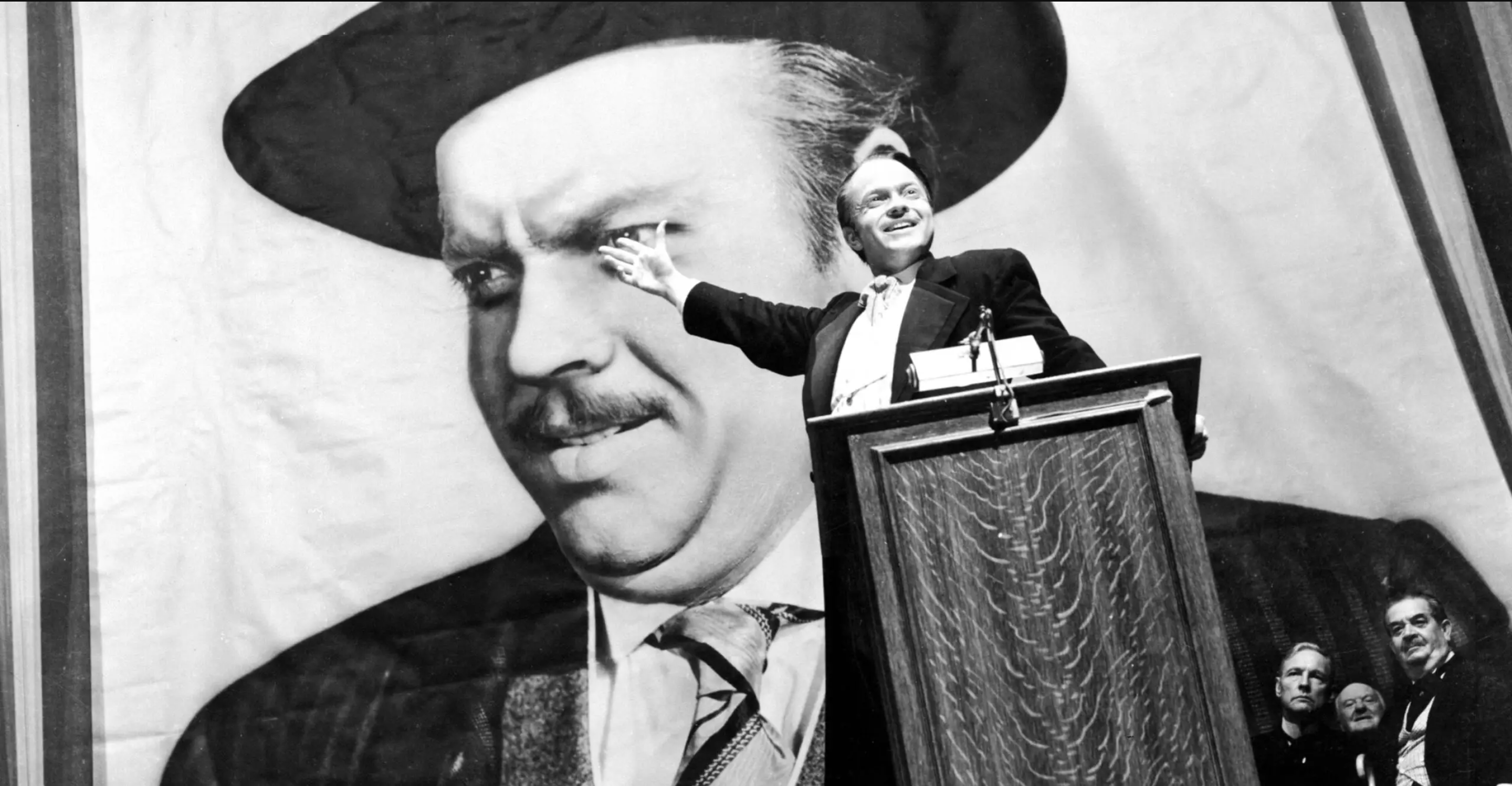
The Best Films of the 1940s
The greatest films of the 1940s, from Italian neorealism to the birth of film noirs.