
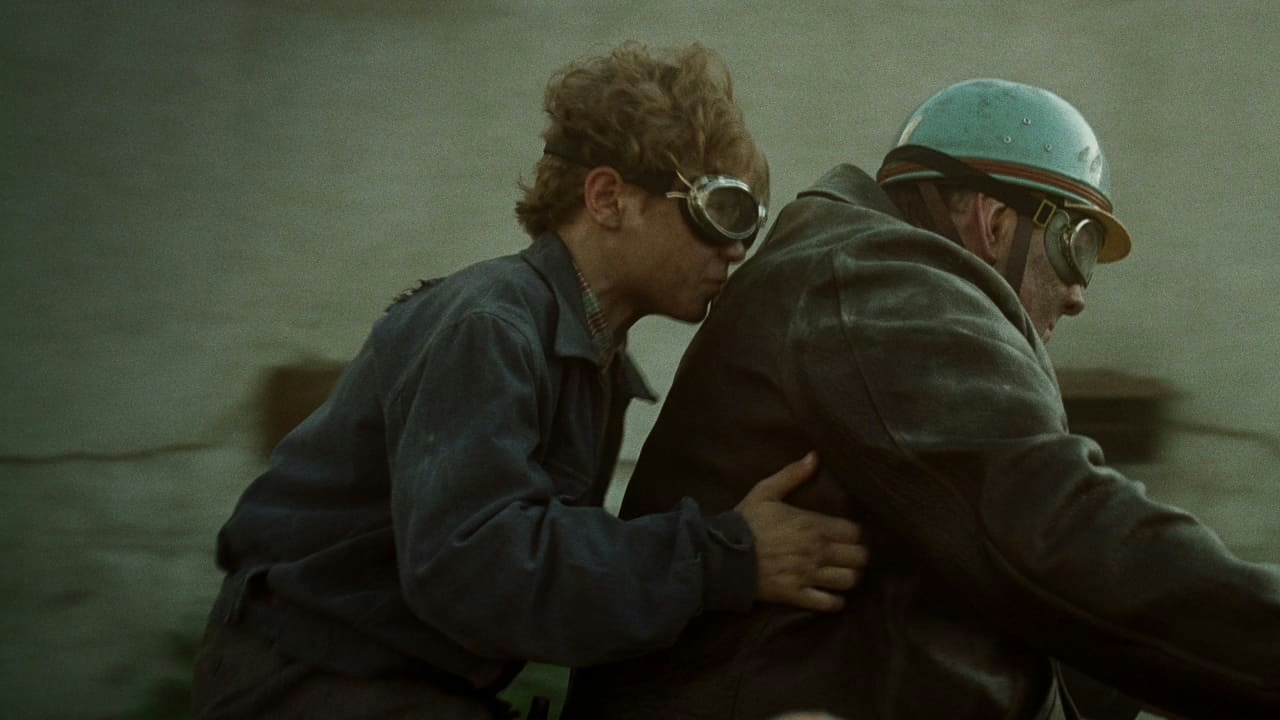
László Nemes | 2hr 13min

All across 1957 Budapest, red and white balloons cluster along the streets, and patriotic posters promote the upcoming Workers’ Day festival. It was only the year prior that the Soviet Government crushed the Hungarian Revolution, making it all the more important that May 1 demonstrate a return order, though even 12-year-old Andor can see through the pomp and circumstance. Society has not moved on from the violence of the recent past, as evidenced by his friend Elza’s efforts to hide her insurgent brother Tamás from authorities. In fact, it has barely recovered from the Nazi occupation, during which the German forces imprisoned his father in a concentration camp and left his mother to raise him alone.
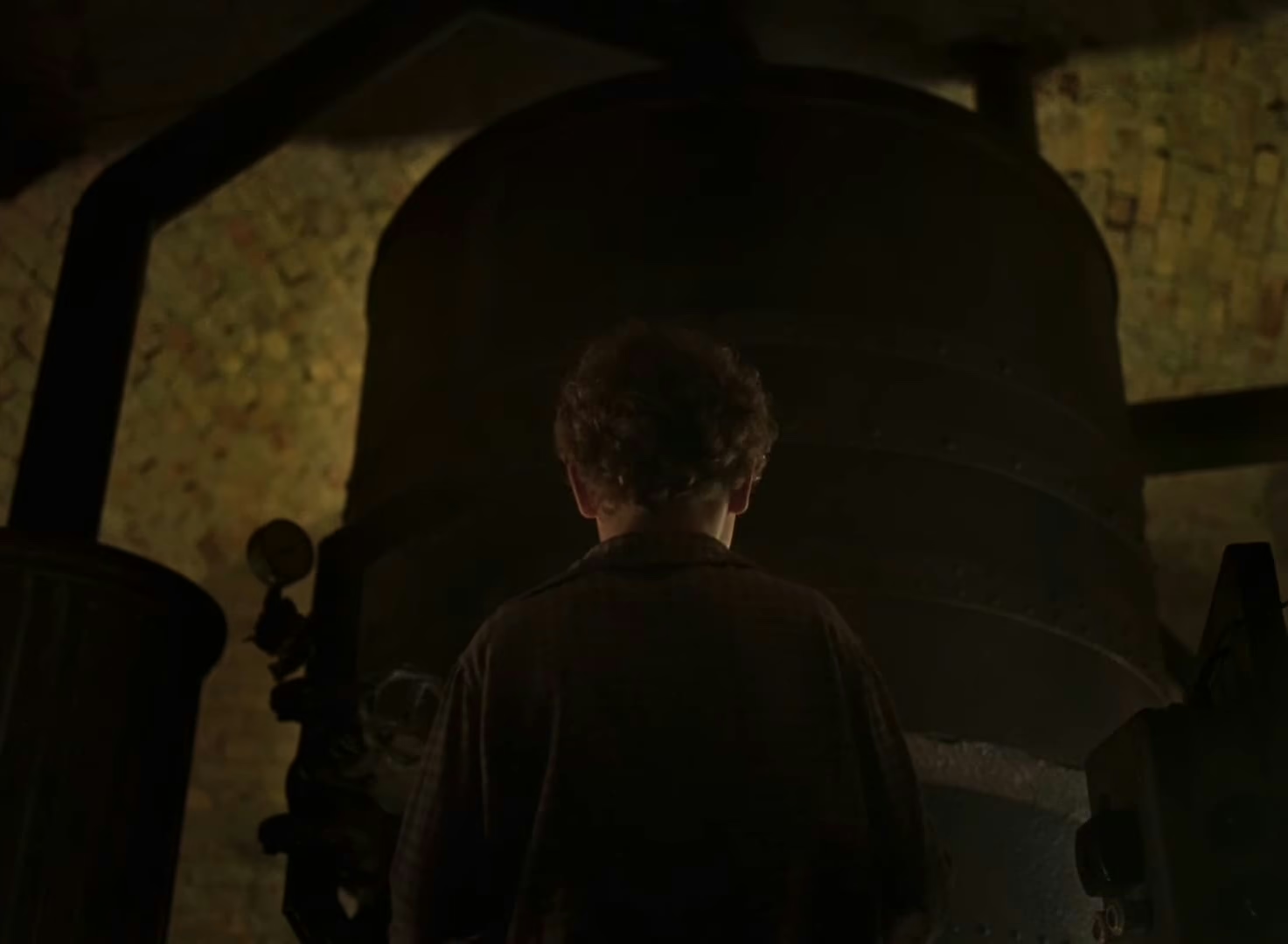
Indeed, the postwar world of Orphan often feels as though one authoritarian regime has simply been swapped out for another, producing a whole new generation of traumatised children. At least for Andor, faith offers a precarious anchor, clinging to his absent father Hirsch like a god who may one day return. The basement’s boiler becomes an industrial shrine, hosting prayers which consistently begin with “Dear sir, Dearest father,” though the act is sustained more by hope than any response. His fragile belief is mildly unsettled when a large, brutish butcher arrives in the city and inserts himself into Andor’s family, but this is merely a tremor compared to the existential self-reckoning that follows, triggered by the mysterious outsider’s claim to be his father.
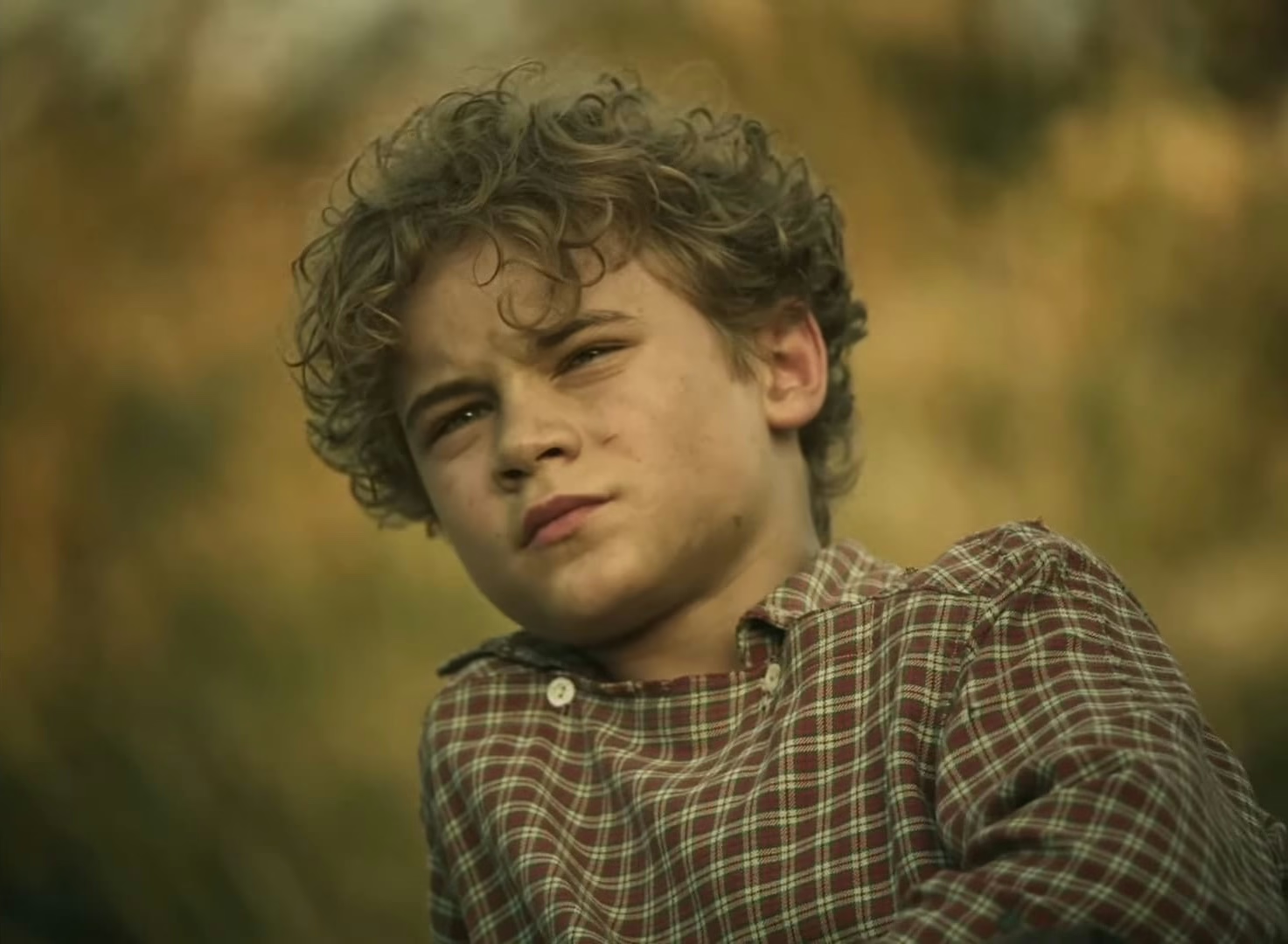
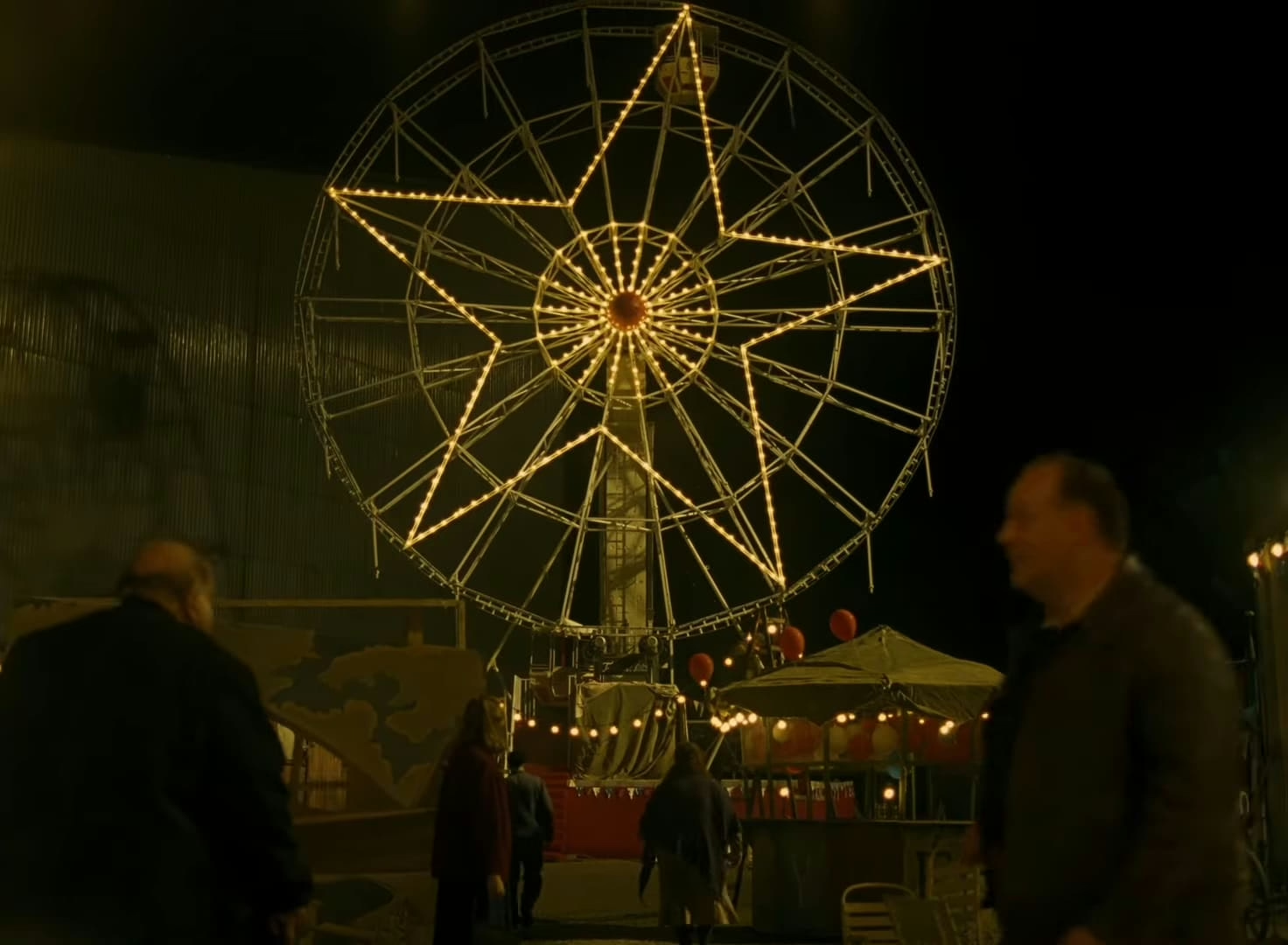
Of course, much of Orphan is limited by one child’s subjective point-of-view, and this plays perfectly into László Nemes’ penchant for incomplete historical experiences. Where Son of Saul adopted the perspective of a Holocaust inmate, Orphan brings his dominant close-ups and obstructed compositions to a postwar search for truth, family, and identity. This world lies beyond the immediate grasp of a pre-adolescent boy, and so Nemes keeps his framing remarkably tight, hovering the camera around faces while backgrounds blur into a soft, shallow focus.
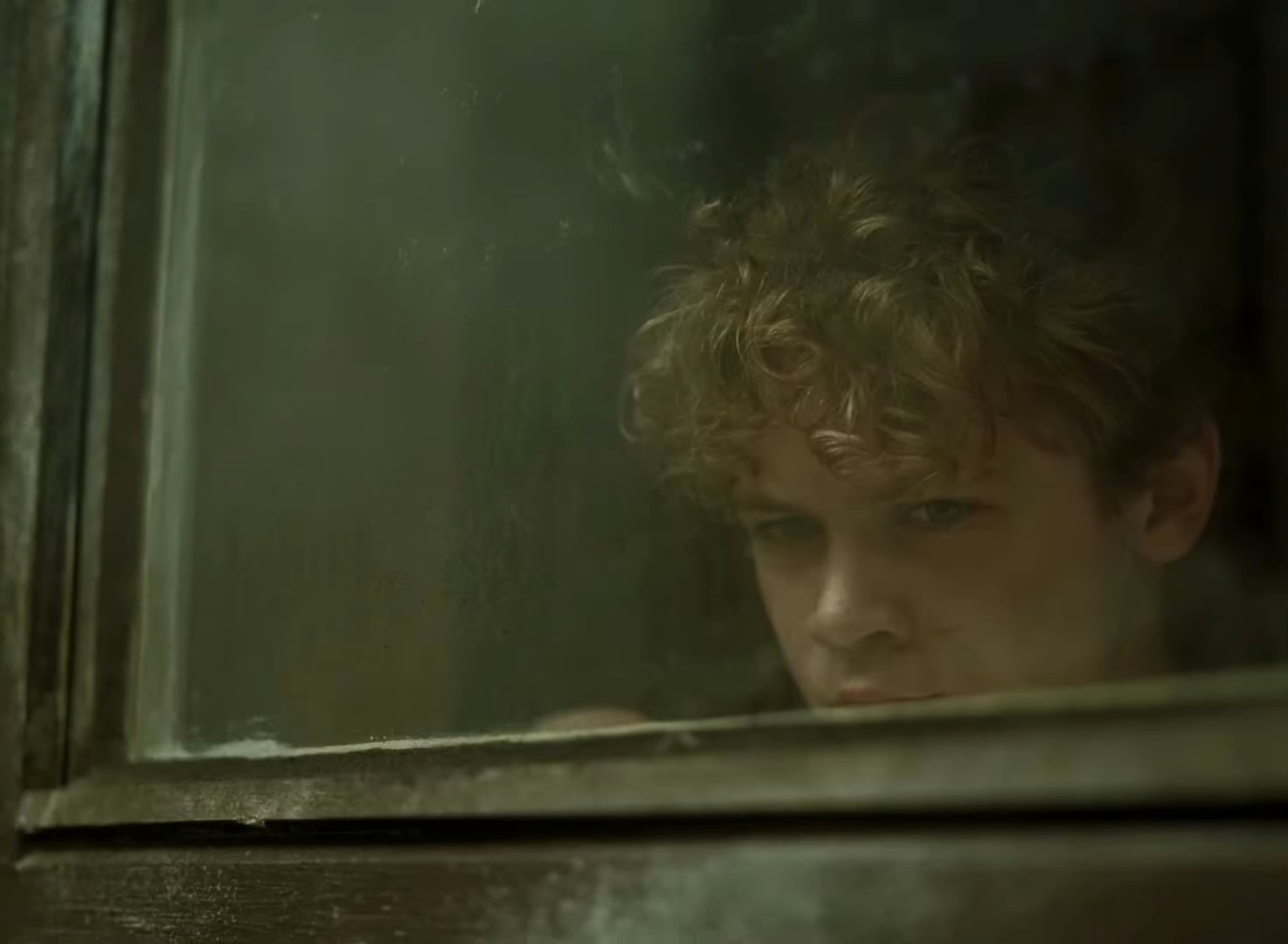
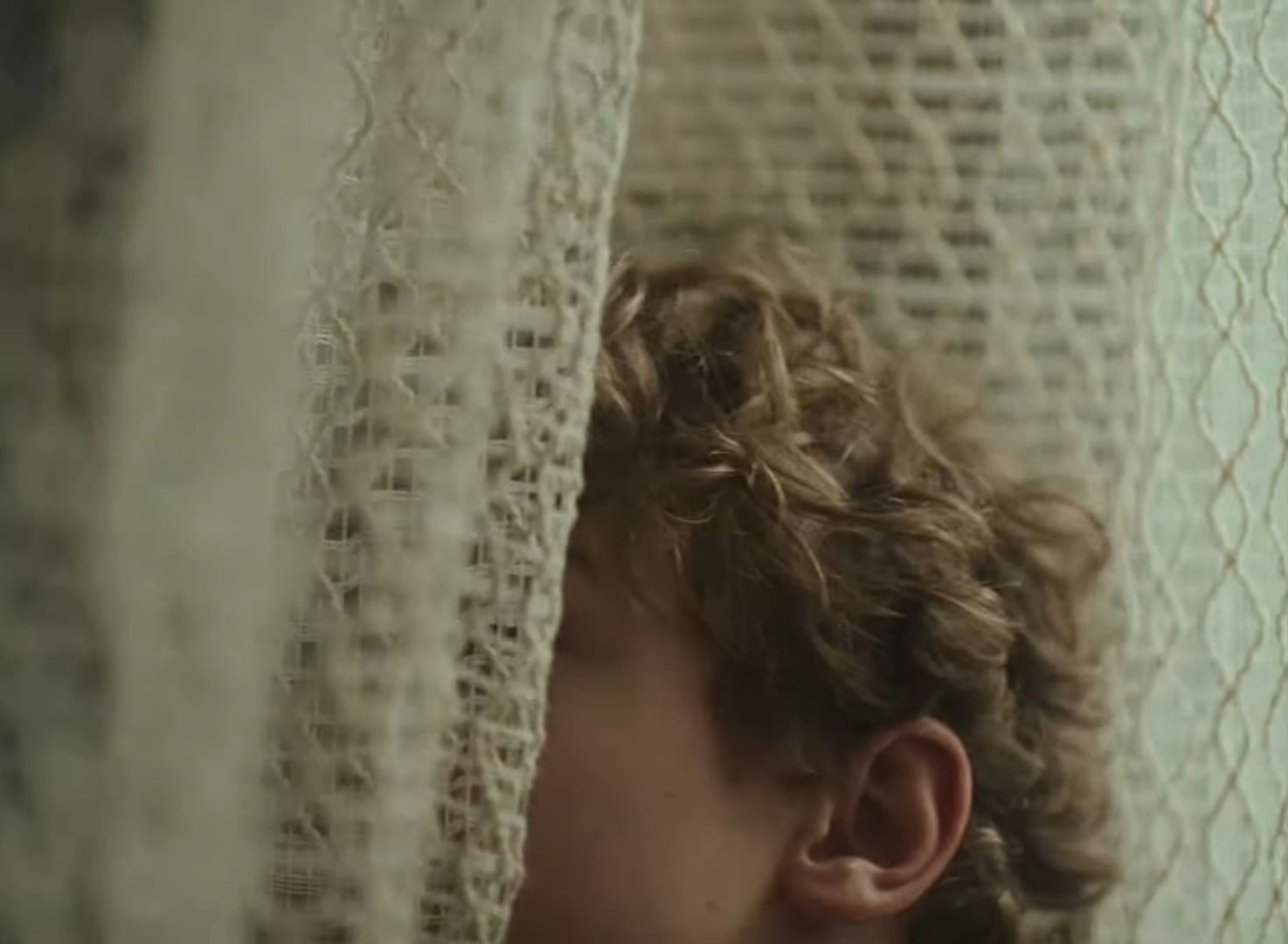
Like Ingmar Bergman before him however, these expressions are rarely made so accessible to the viewer. Dirty windows and mirrors often obscure Andor’s face, while mesh curtains and doorways become thresholds through which he eavesdrops on adult conversations, shielding him from a complicated reality. Through these obfuscated vantage points, the full picture is rarely revealed, and Nemes’ cramped mise-en-scène doesn’t make Andor’s navigation of crowded stores, houses, and train carriages any easier. While cluttered bodies and structures delicately frame tiny, isolated details in sharp focus, so too do they suggest lives beyond his comprehension, either receding into the margins of compositions or registering solely through his distant observation.
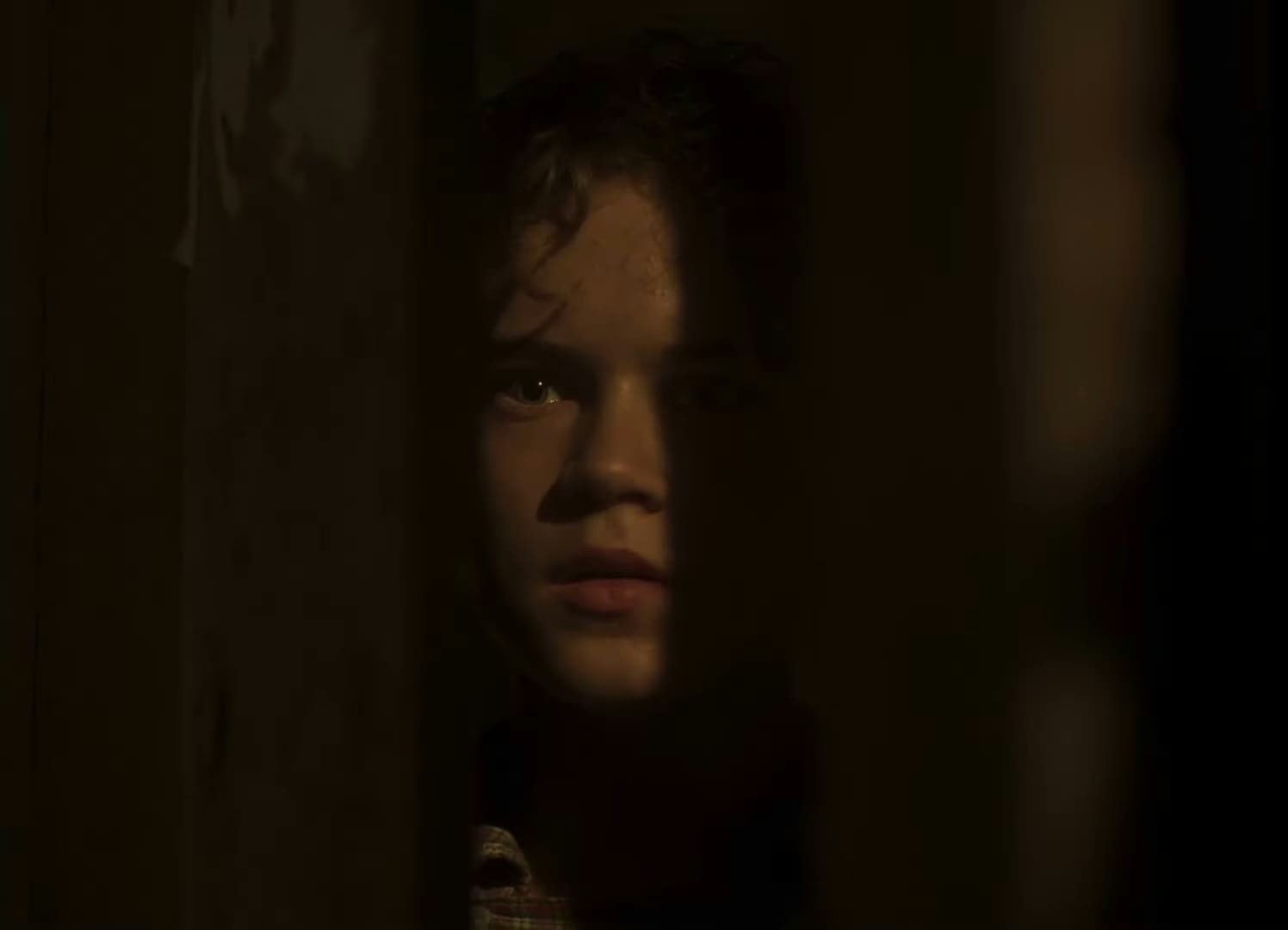
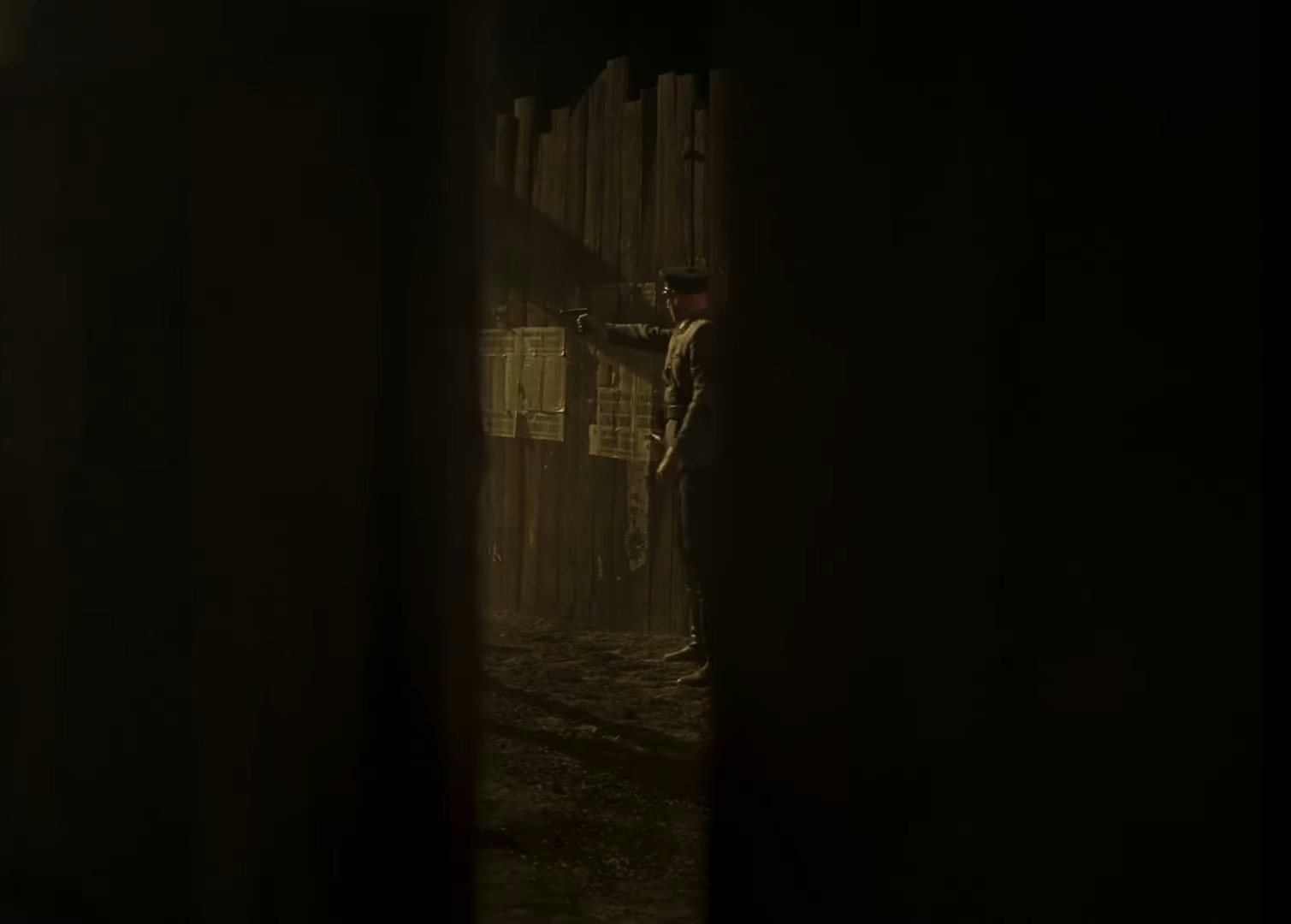
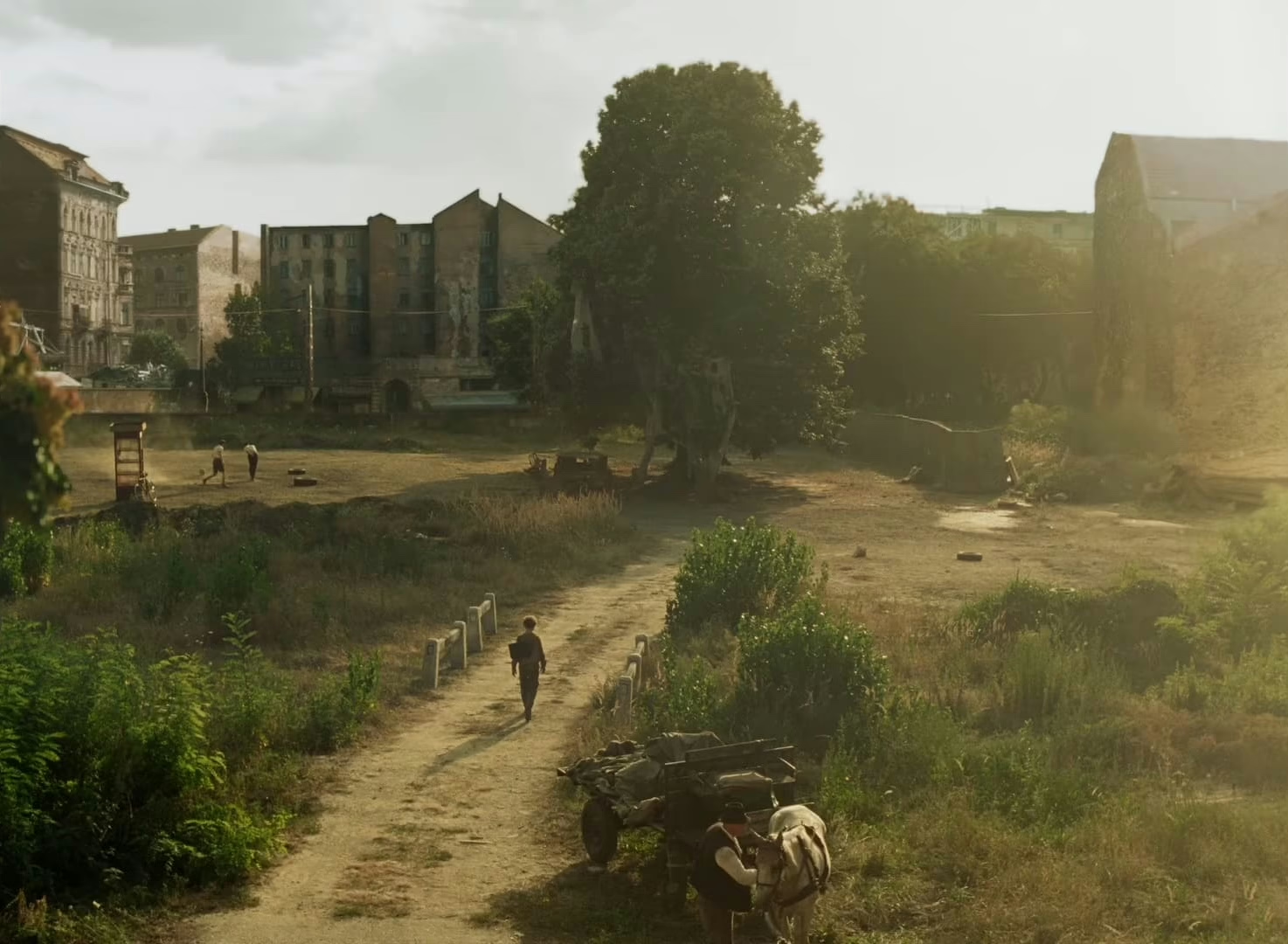
Orphan’s story belongs to a larger narrative beyond Andor’s comprehension after all, yet Nemes refuses to grant us a panoramic view, maintaining a steady visual command through slow zooms, rack focus, and tracking shots. While exteriors expose the debris of recent upheaval across Budapest’s ruined streets, his camera is more at home in warmly lit interiors, steeped in sepia tones and subtly permeated by a creeping darkness. Here, his authentic period décor embeds Andor’s identity in the material textures of history, underscoring the tensions of an era caught between two conflicting, oppressive ideologies.
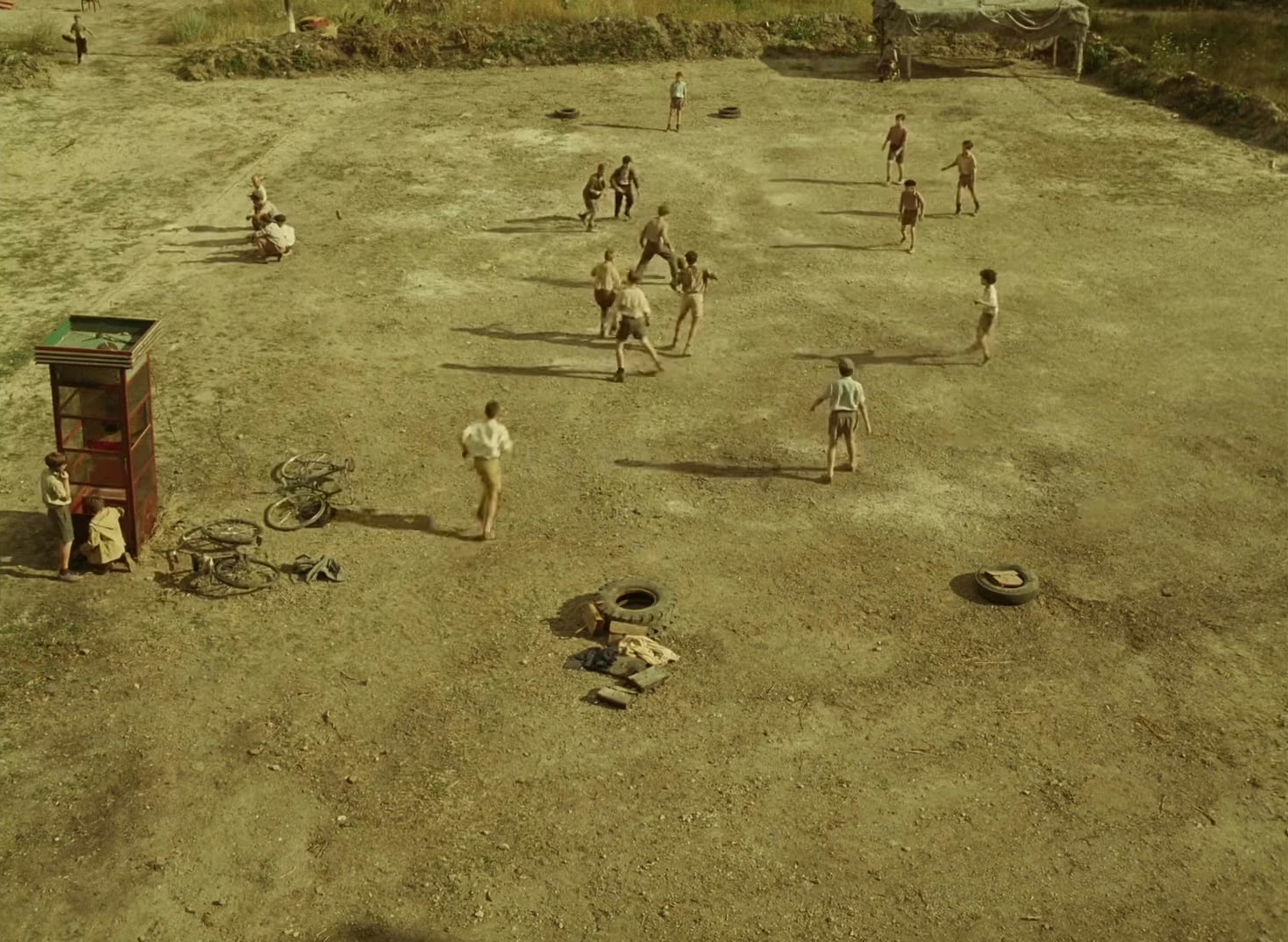
As such, it is no wonder why Andor rests his entire selfhood on the belief that his father was a virtuous, heroic figure, and why that collapses so violently when he learns that he was born from deeply fraught circumstances. The boorish butcher who calls himself Mihály Berend sheltered his mother Klára during the war, she explains, and Andor was in fact conceived during this period. It is plain to see that their connection was never romantic, but rather arose from obligation under an imbalance of power. All these years later, that debt continues to weigh on Klára, diminishing any resistance she may have against his claim to paternity. Besides, perhaps a male presence will bring stability to Andor’s upbringing, she reasons – though the young boy is not so ready to replace his idealised father with the truth.
From there, Nemes draws a compelling correlation between Berend’s volatile temperament and Andor’s outright loathing. Denial fuels anger when Klára takes her son to lay Hirsch’s memory to rest at the cemetery, inadvertently prompting him to violently act out. A secret excursion to unearth evidence of Berend’s wickedness in his country home only deepens Andor’s conviction, and when the butcher decides to reopen Hirsch’s old ticket office, the boy can only take it as a desecration of his father’s legacy. Perhaps there is no greater insult though than Berend’s effort to legally give Andor his surname, effectively robbing him of his inherited identity, and remaking him in his own image. Quite ironically however, as the boy furiously tears up the paperwork and provokes Berend into a rage of his own, it isn’t hard to see where this child gets his stubborn anger from.
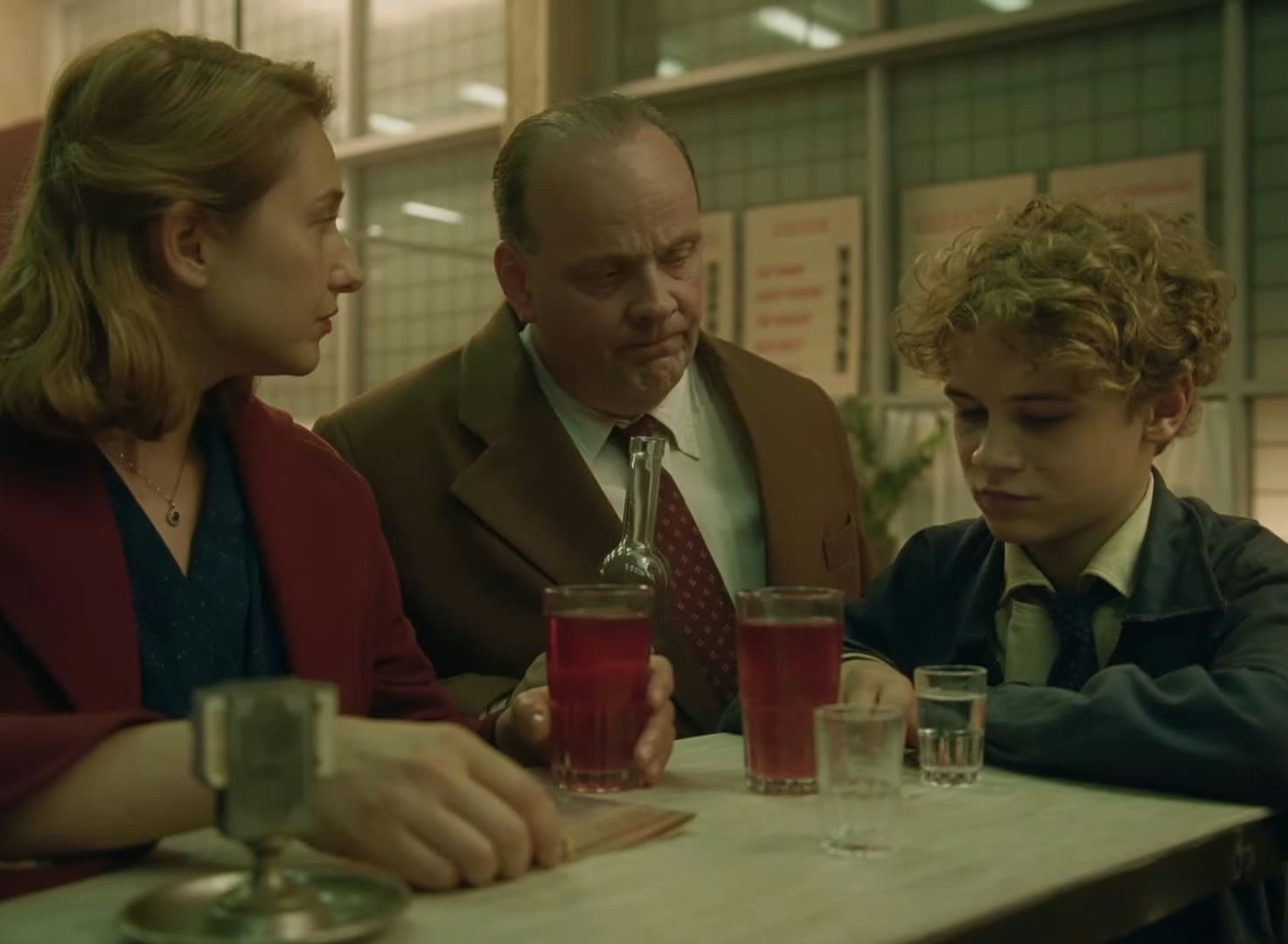
Just as Andor’s tenderness emerges in his loyalty to loved ones however, Berend too reveals an unexpected softness. He may be a monster in the eyes of his son, yet when he catches him secretly sneaking around his house at night, he offers no harsh reprimand or discipline. Berend sees the boy’s fear and vulnerability, and by offering to take him home without telling anyone what he did, he extends a measure of paternal protection. When his similarly ill-mannered friends ridicule Andor, he affirms his devotion by defending him, though perhaps the sweetest gesture comes with his sincere, unguarded confession of how profoundly happy is to have finally found his son.
At a certain point, it is difficult to justify Andor’s visceral hatred of Berend, as his efforts to expose this man’s supposed evil instead reveal his own worst instincts. He simply cannot conceive of a father who contains both virtue and flaw – it is much easier to rush to judgement, even when that false conviction is lethally mixed with blind, impulsive recklessness.
Upon a Ferris wheel at the Workers’ Day festival, Nemes stages the decisive turning point for Andor, and it is no coincidence that he should situate it within the state’s rhetoric of socialist unity. This boy may not subscribe to such doctrine, yet the dogma he constructs for himself proves no less rigid in Orphan, and no less destructive. Nemes’ own observant camera recognises that any attempt to resolve one’s insecurity with absolutism is futile, collapsing sorrow into total ruin – yet even when pressed to the brink, such corrosive moral decay is seriously threatened by a child’s yearning for parental presence. The tragedy of innocence persevering through historical turmoil underpins the vulnerable heart of Orphan after all, and in its intimate perspective, finds a world of confusion, longing, and imperfect love.
Orphan is not currently streaming in Australia.
Man, this year just blows every other year of the 2020’s out of the water when it comes to movies
I would still probably have 2023 ahead for the multiple masterpieces.