

David Freyne | 1hr 54min

At the metaphysical Junction where life ends and the afterlife begins, an important decision must be made. The eternity one chooses as their final paradise is irreversibly fixed, and there are countless options that vary in appeal and popularity – Yacht World, Space World, even a world for every religion to satisfy those who cling to their faith. For some, the selection is easy, though David Freyne’s existential fantasia finds many in this limbo burdened by choice paralysis. For Joan in particular, this decision becomes an impossible comparison between what was real and what could have been. She has spent 65 years with her husband Larry, building a happy, ordinary life, yet how can that measure up to an idealised love that was lost before it could take tangible form?
After all, since Luke’s death in the Korean War cut their marriage short, he has waited 67 years for her at this Junction. He has been single-minded in his purpose, so one can understand why he naturally expects his affection to be returned. Just as Larry feels jealous and insecure around his wife’s dreamy first husband though, so too does Luke grapple with uncertainty – how can a marriage that was never tested by mortgages, work, and kids contend with one forged through shared responsibility?
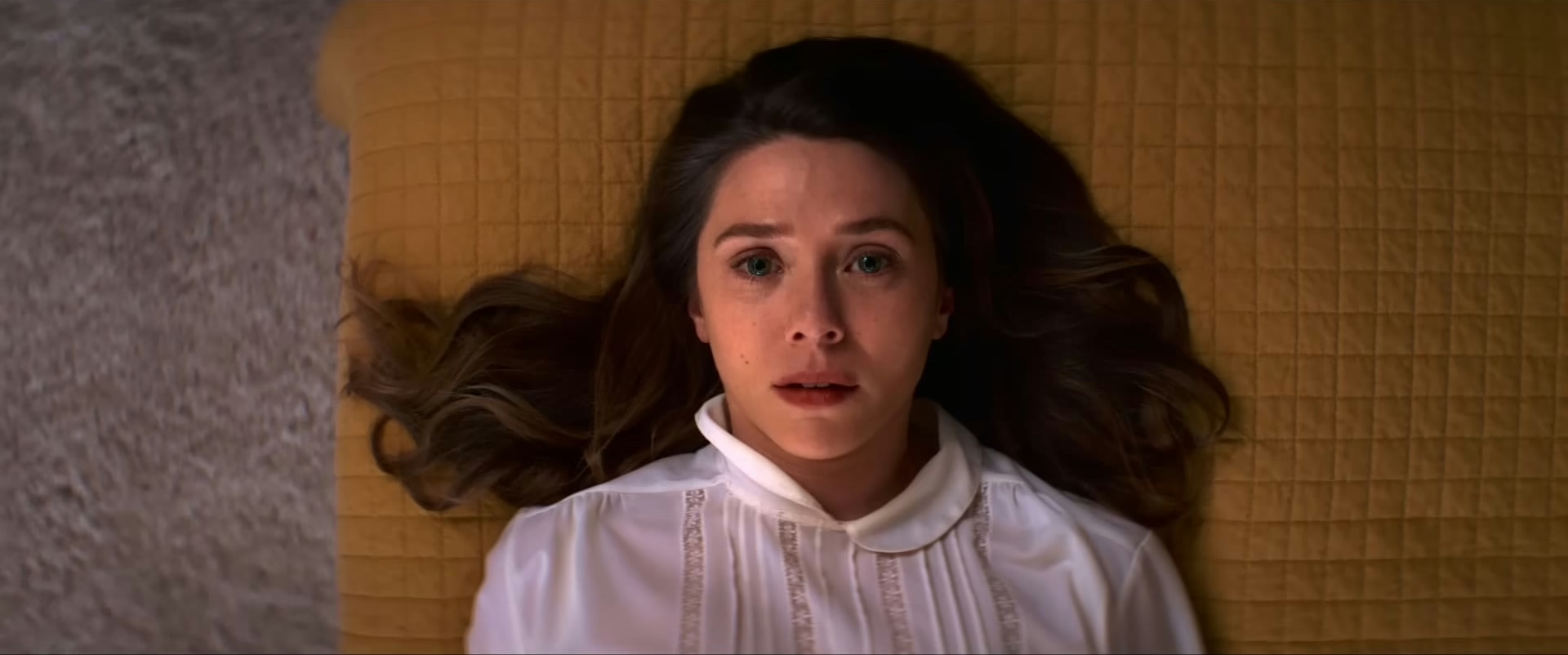
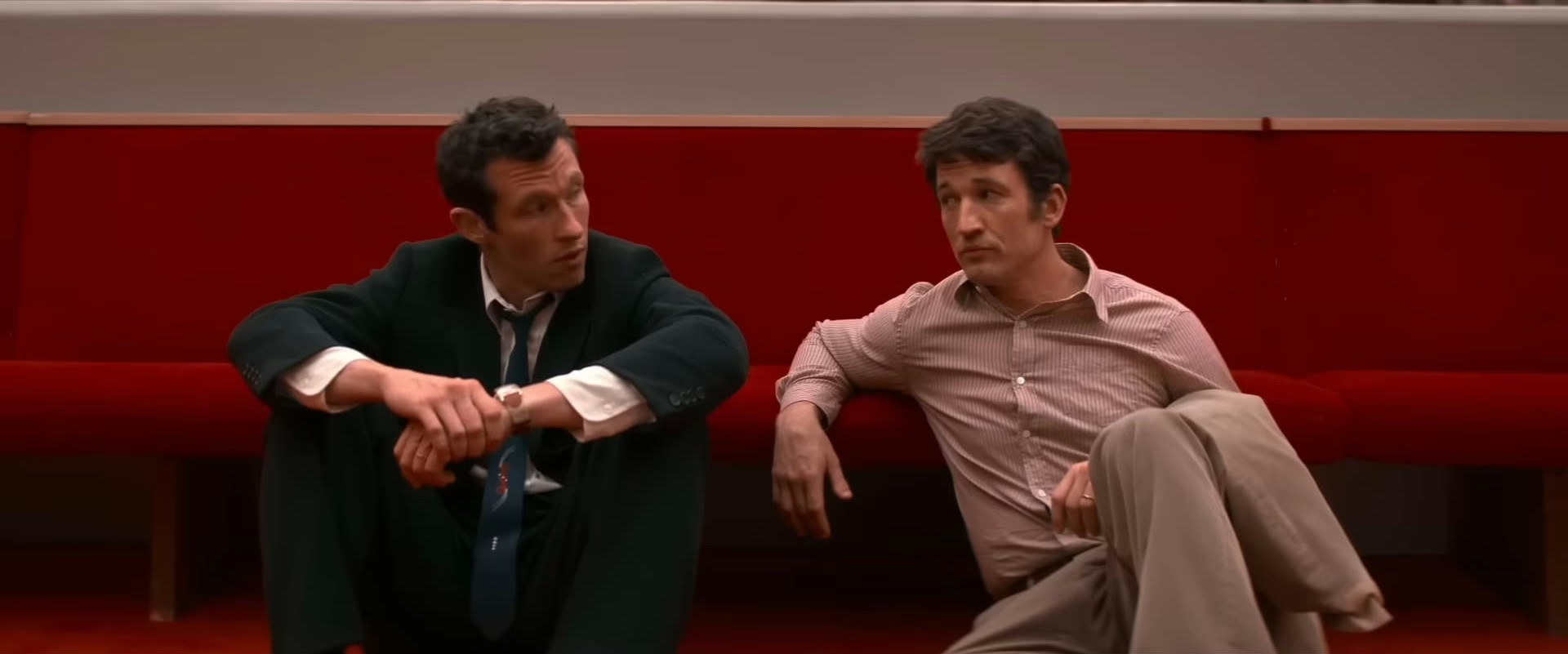
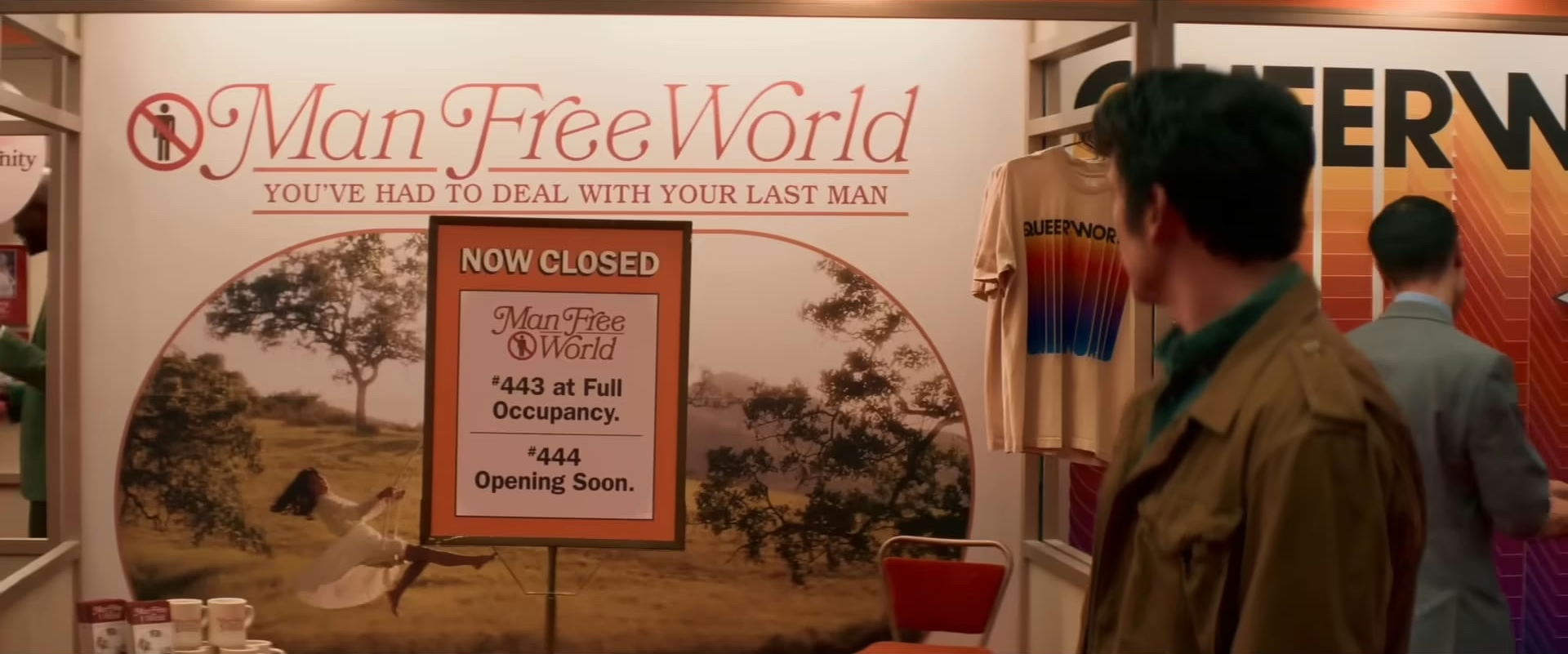
That Eternity should set this romantic dilemma within an administrative limbo only heightens the absurdity of systemising such personal matters, and Freyne approaches his world building with playful, imaginative satire. After souls disembark trains that ferry them to the Junction, they are taken under the wing of an Afterlife Coordinator who guides them through their eternity options, like travel agents pitching pre-packaged cosmologies. Orange booths promoting eternities fill a vast exhibition hall, while around the edges of this otherworldly trade show, a towering hotel accommodates the indecisive.
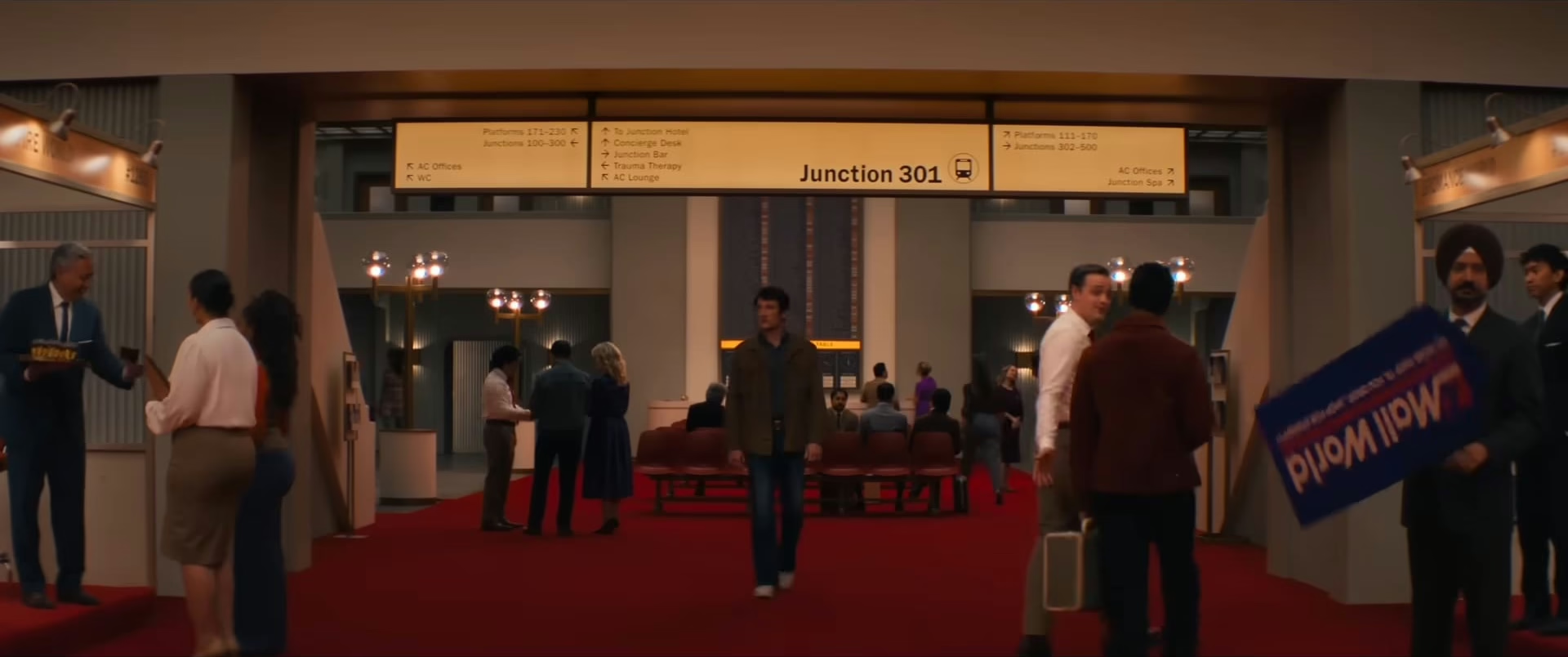
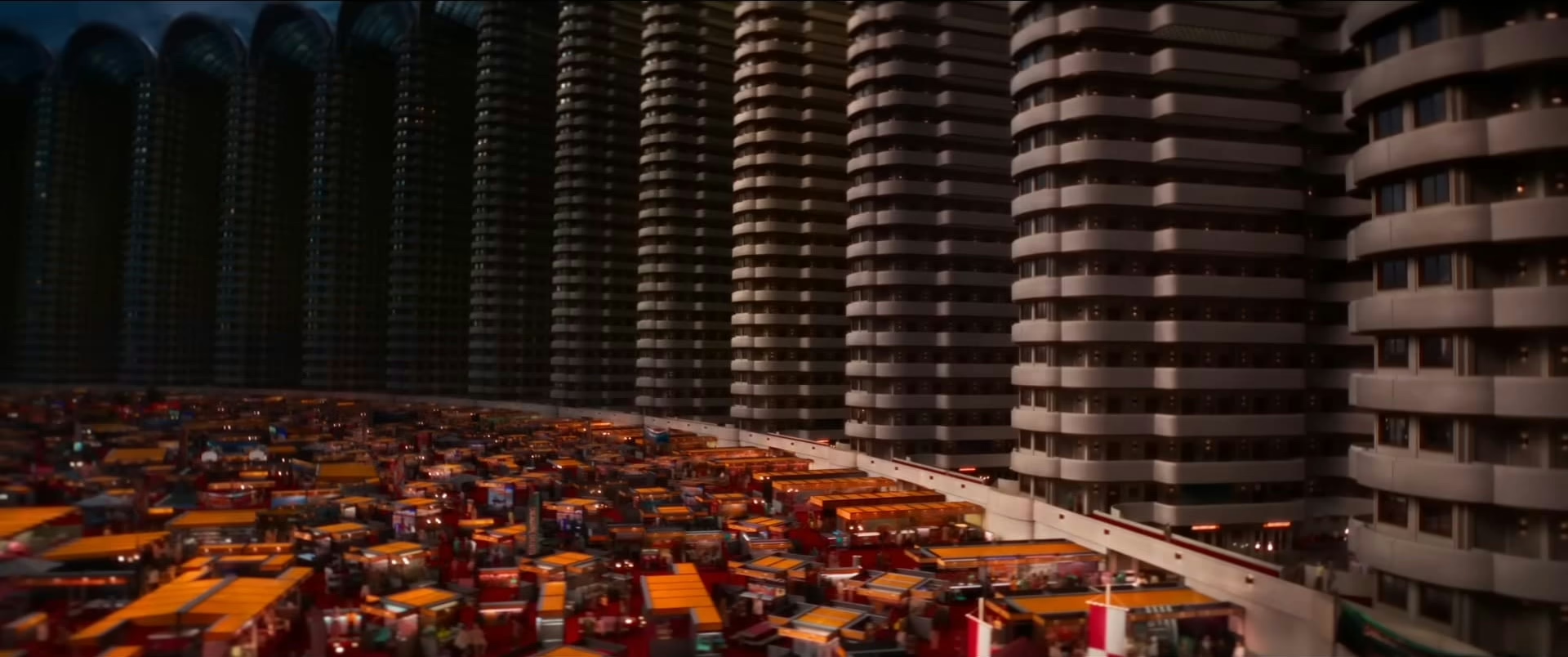
Mid-century modern designs colour in this corporatised afterlife with vibrant kitschy flourishes, dressing up paradise for commercial display, and one can’t help but find traces of Terry Gilliam’s Brazil in the upbeat jazz score, vast set pieces, and wry skewering of bureaucratic logic. Similarly, Freyne’s admiration of The Good Place bleeds through its whimsical systemisation of the afterlife, even if it is less concerned with moral philosophy and accountability. Instead, its romantic idealism comes to the fore, finding a comical beauty in billboards that frame pivotal conversations against themed eternities, while painted skies suggest an illusory passage of time as they drape past hotel windows.
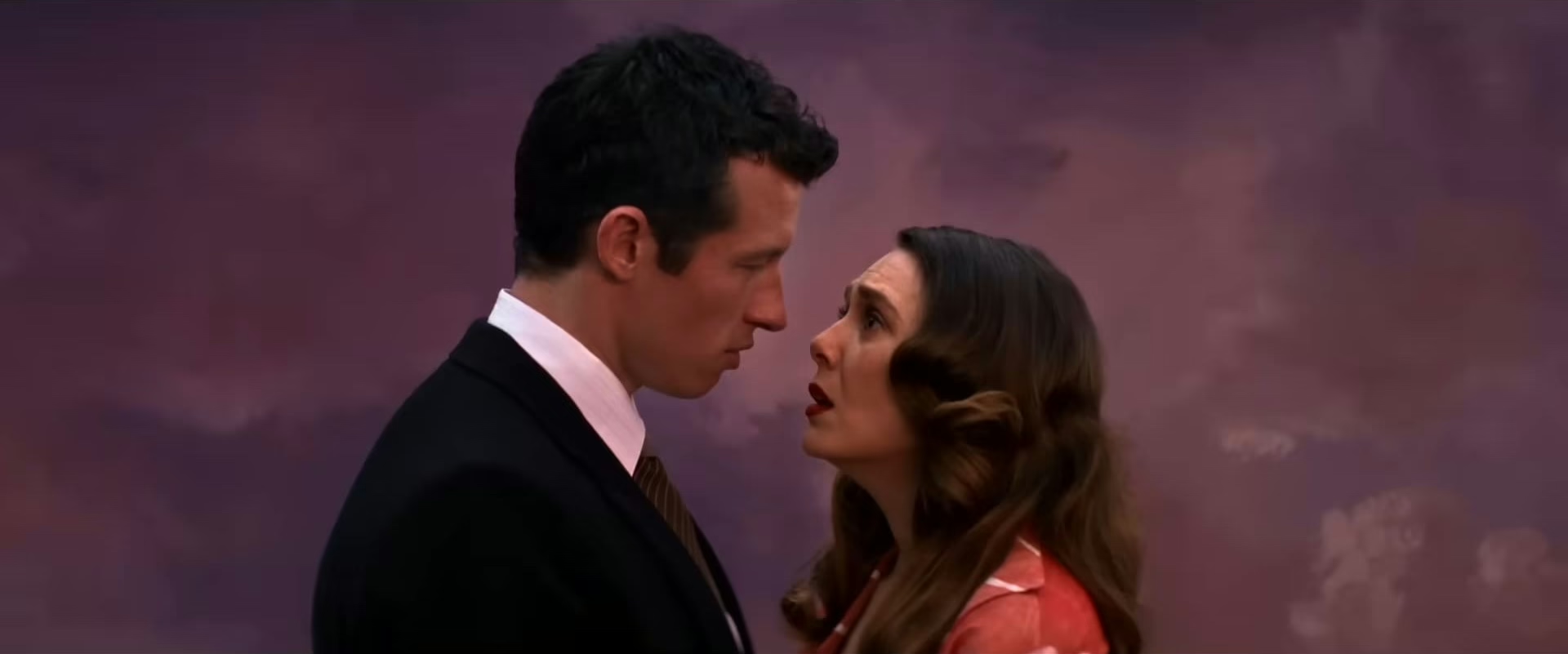
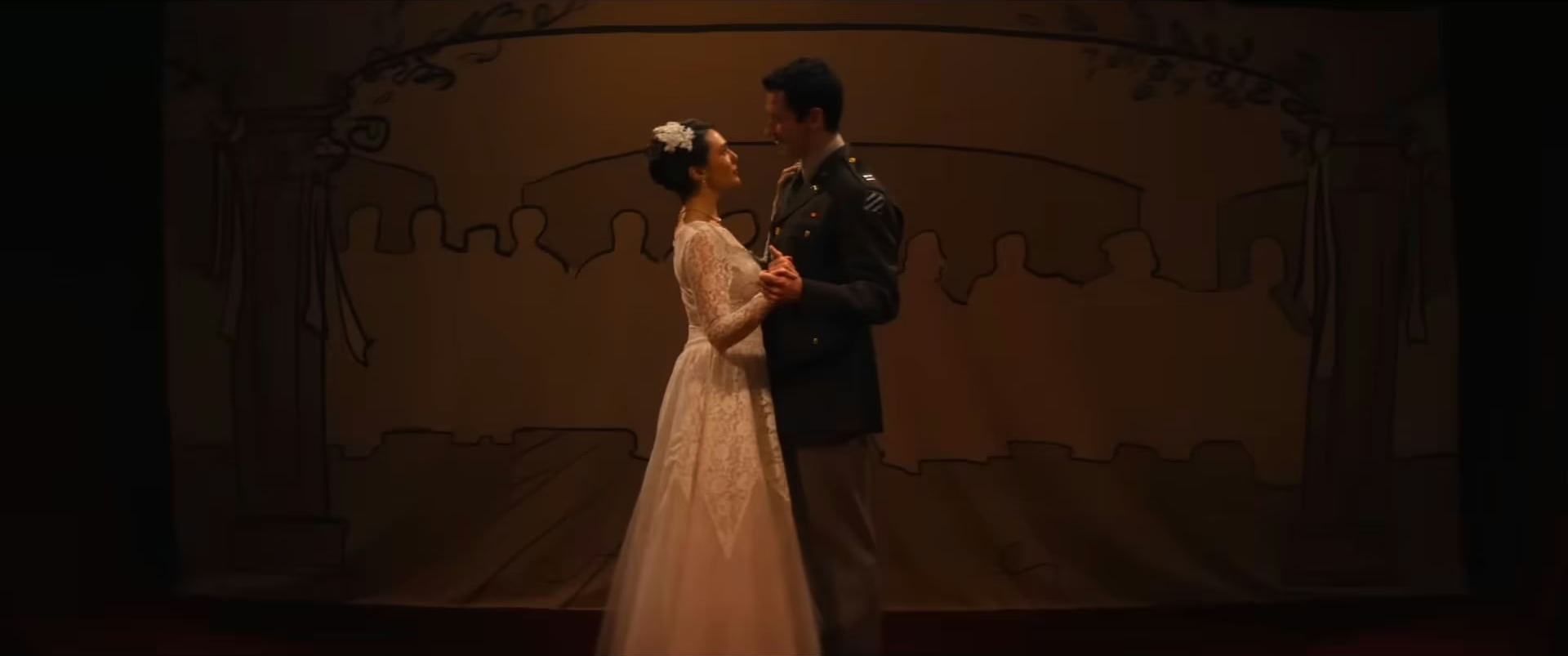
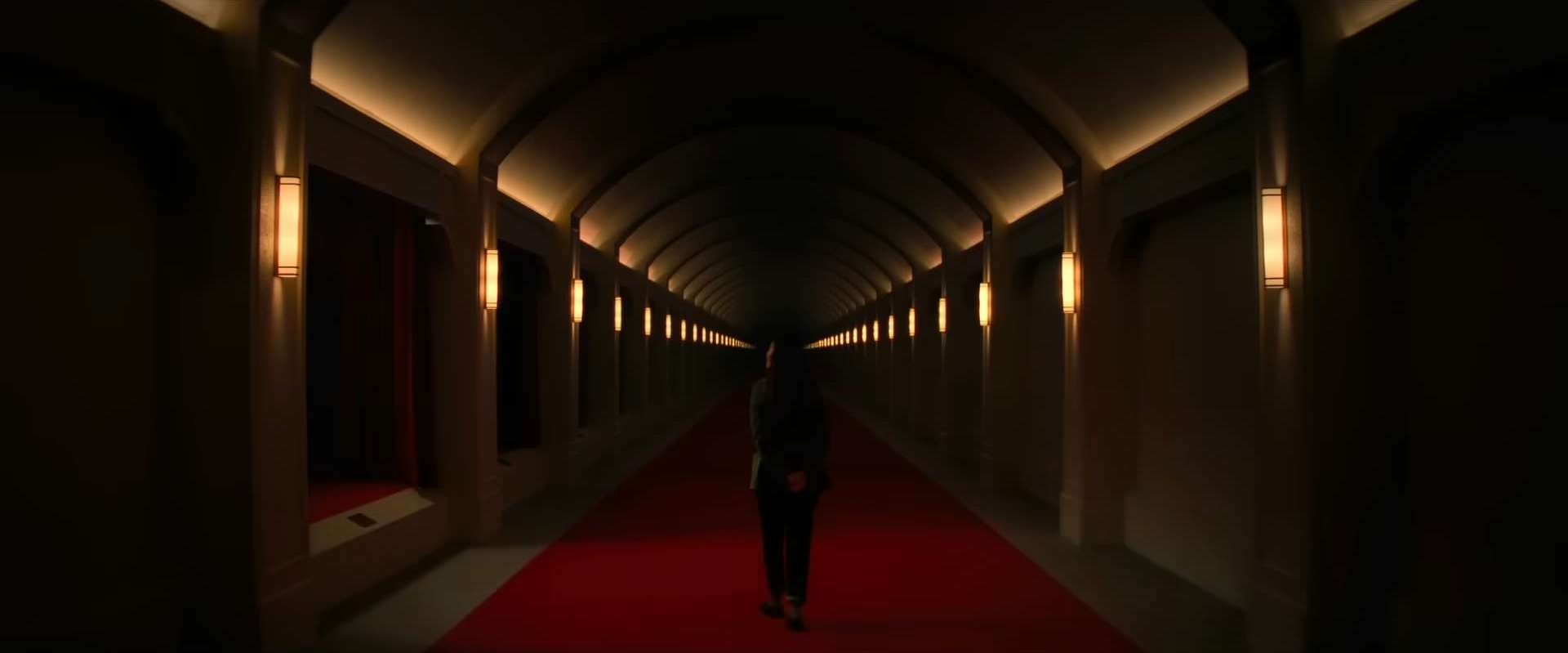
Breaking down notions of temporal and spatial continuity even further are the Archive Tunnels, where the deceased watch their old lives unfold like staged plays. There, illustrated backdrops provide the setting for doubles to re-enact joyful and tragic memories, from Joan’s first meeting, date, and kiss with Luke to their final goodbye as he was shipped off to war. The deeper one ventures into these dark, red-carpeted hallways however, the looser one’s grip on reality becomes, and Freyne relishes paying homage to Eternal Sunshine of the Spotless Mind in his treatment of memory as a fluid space untethered from chronology or objectivity.
Perhaps if Eternity probed this conceit further, it might have fully realised its formal potential, though unfortunately Freyne’s storytelling often struggles to follow through on its existential stakes. The offscreen ‘Void’ never fully materialises as a true threat to Joan’s agency, and the rules of this world seem to change with the writers’ whims, serving whatever convenience the narrative requires at any given point. Nevertheless, the conceptual ambition on display manages to smooth over most of these inconsistencies, proving its dreamlike imagination to be more compelling than its internal logic.
This is first and foremost a character piece after all, testing the limits of love and regret at the end of a life that has been full of both. Elizabeth Olson handily outdoes her co-stars as she sits with the weight of this dilemma, and Freyne too leans firmly into the personal stakes, using his grand, cosmic design to support the romantic drama rather than dominate it. We may try to reduce life and death down to rigorous systems of regulation, yet Eternity recognises the inevitability of enduring, authentic love slipping through the cracks, seeking second chances to repair what was broken and start anew.
Eternity is currently streaming on Apple TV, and is available to buy on the Apple TV Store and Amazon Video.