1hr 18min | Maïlys Vallade and Liane-Cho Han

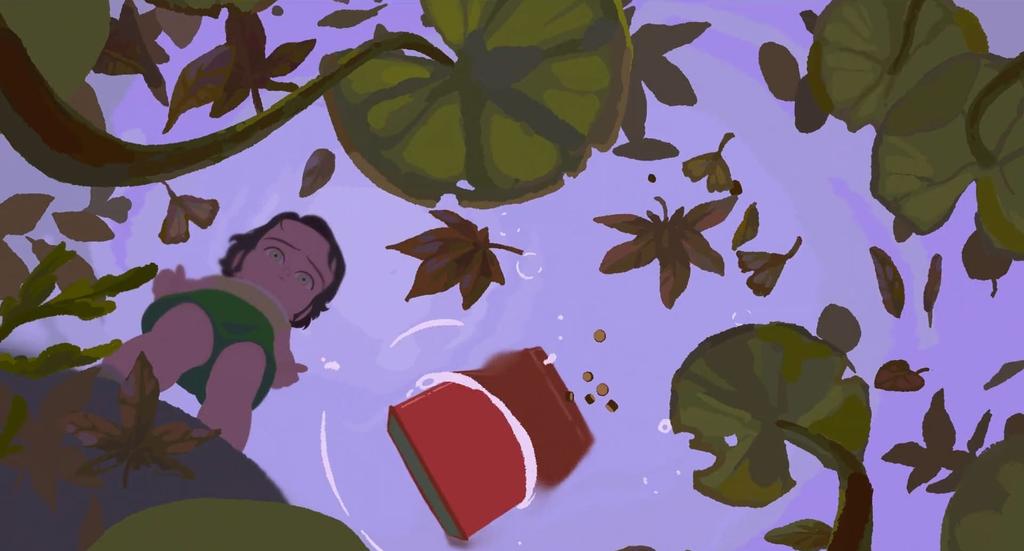
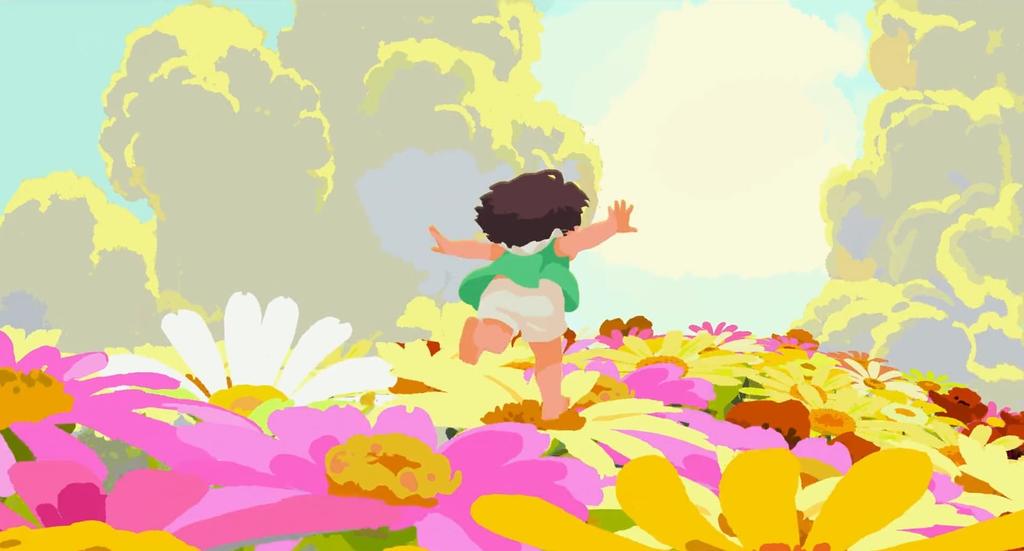
The sway that young infants hold over their families is so absolute, it’s no wonder why Amélie believes she is the God of her own little world. She entered it in a mindless, vegetative state, her only duties being to swallow, digest, and expel waste, while her parents worshipped her as a living miracle. Only when an earthquake one day strikes does her mind suddenly snap into existence, appreciating the elemental joys of movement and speech. After tasting white chocolate for the first time, she floats in a weightless, spiritual rapture, and when springtime arrives, she leaps between giant flowers that have grown a hundred times their size. Every sense is heightened through the animistic perception of a child, and in Little Amélie or the Character of Rain, reality bends accordingly to such surreal, whimsical fantasies.
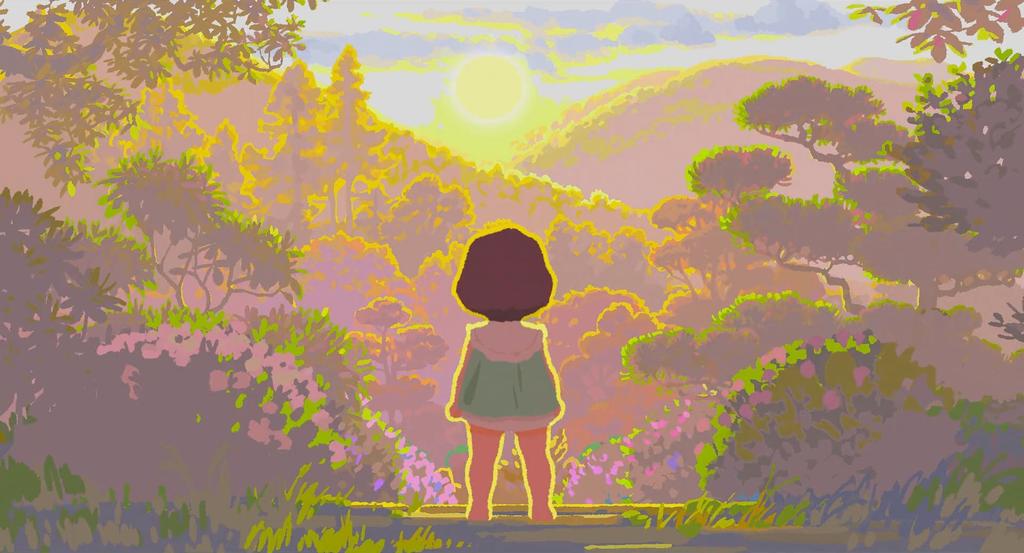
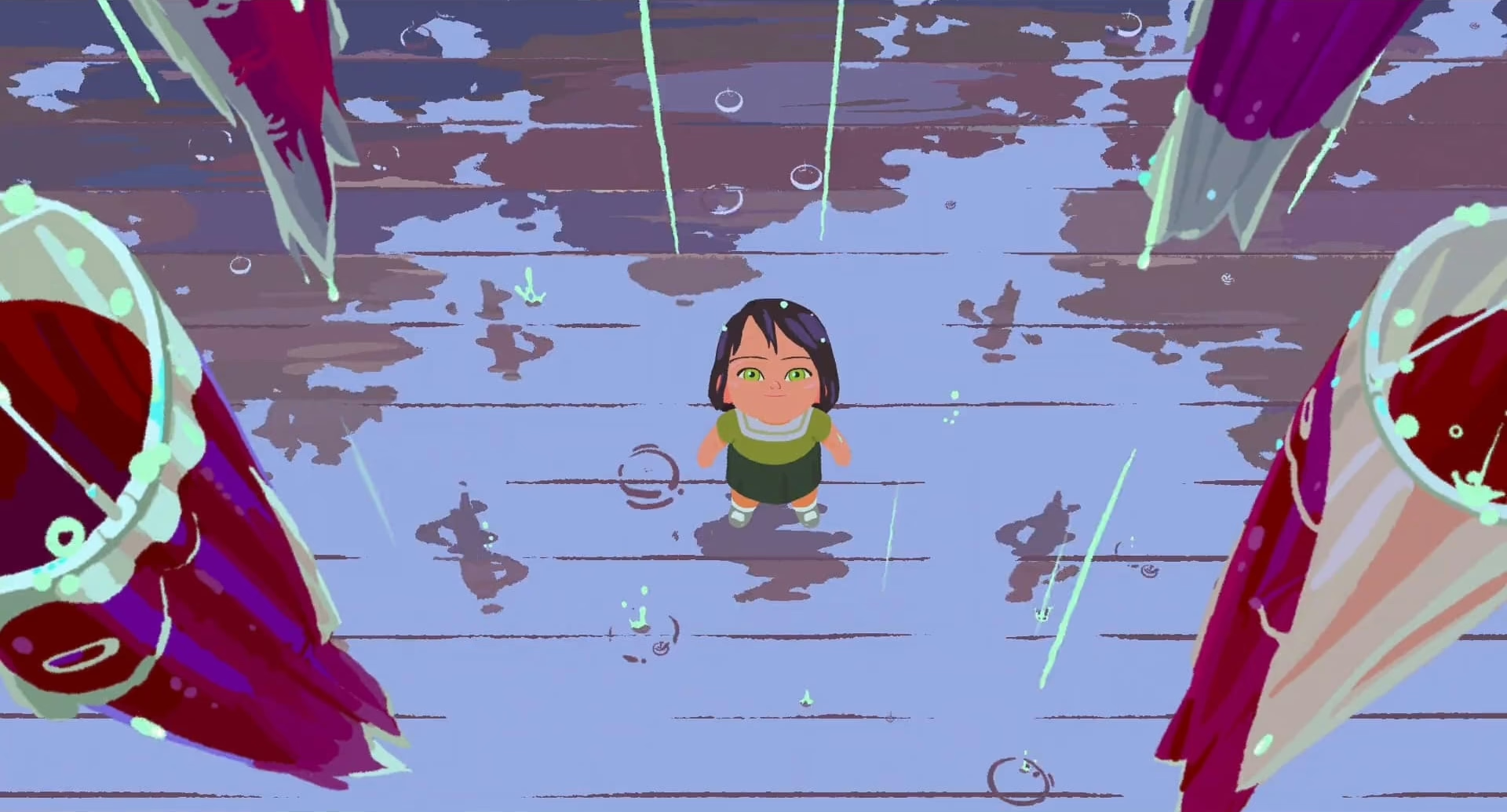
Composed of flat colour blocks and washed in pastels, Maïlys Vallade and Liane-Cho Han’s illustrations radiate a painterly beauty, softly diffusing the contours of Amélie’s tiny domain by omitting the usual black outlines of animation. She has no concept of boundaries or rationalism, so neither hold any power here, leaving her wonderland open to the full, impressionistic spectrum of imagination. Oceans miraculously part to let her wander their depths, and upon learning that the beginning of her name means ‘rain’ in Japanese, she begins to see herself in each droplet of water as they fall from the sky. Through her own eyes, Amélie transcends mere childhood, and becomes a ubiquitous, elemental part of the natural world.
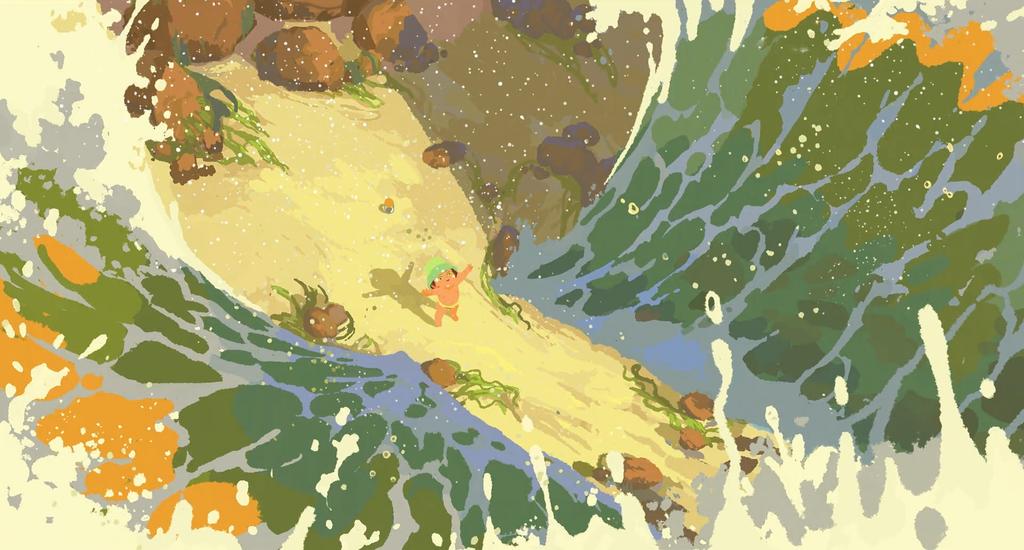
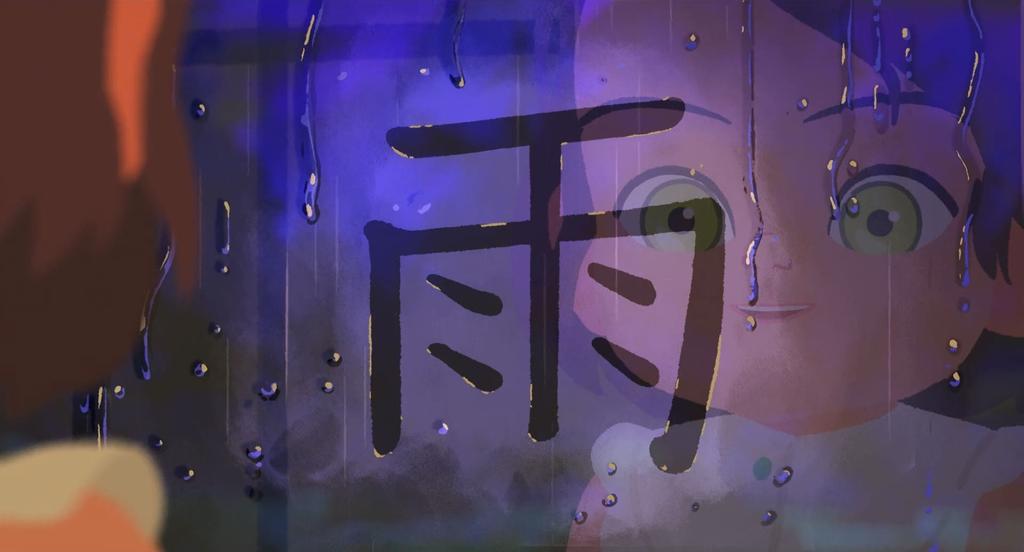
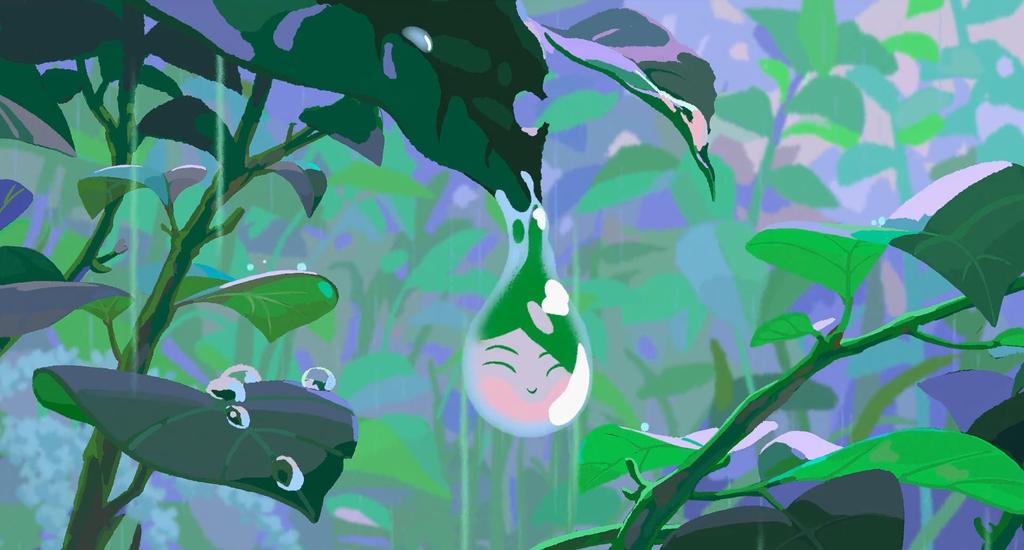
Even within this heavily filtered perspective though, Little Amélie or the Character of Rain recognises a far more difficult reality beyond its young protagonist’s self-contained paradise, burdened by adult responsibility and uprooted identities. Bit by bit, Amélie glimpses the sorrow that inevitably accompanies life’s joys, watching her father cry over her grandmother’s passing and consequently learning the concept of death. It happens because “God wills it,” her nanny Nishio-san attempts to explain, though this only confuses her further – if Amélie herself is God, how could anything happen beyond her control?
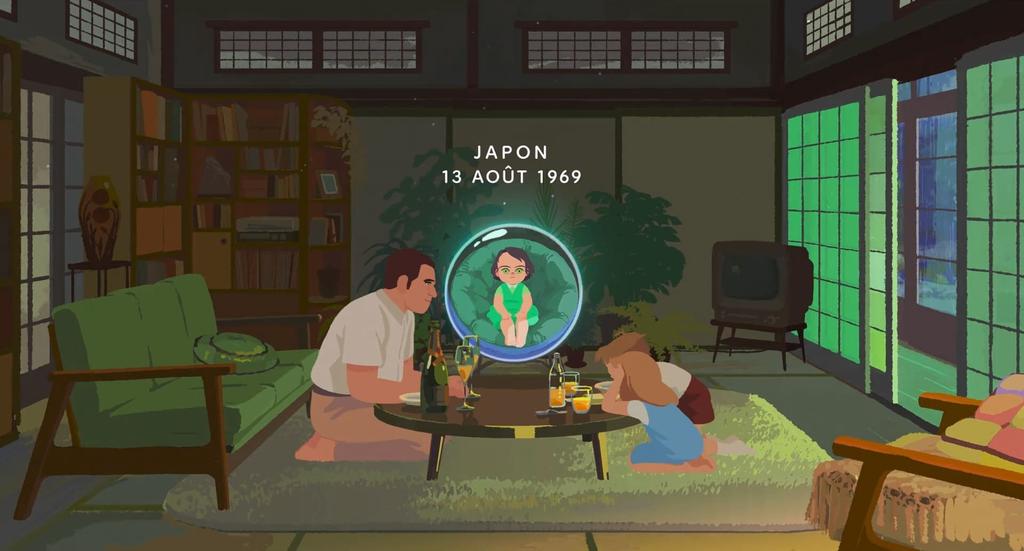
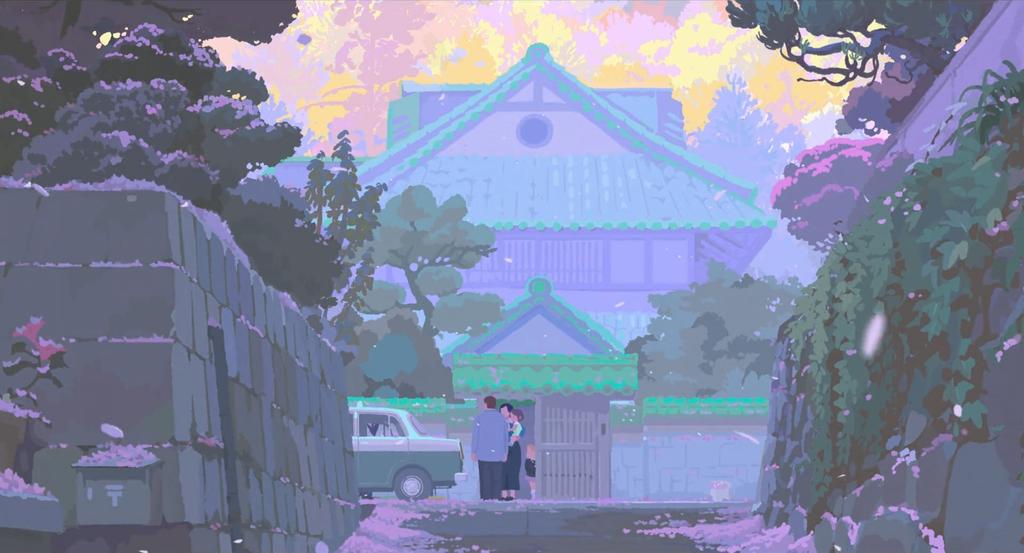
After all, Little Amélie or the Character of Rain may be cloaked in playful curiosity, yet it does not shy away from the darker nuances of a world trying to shield its scars from innocent eyes. As Belgians living in 1960s Japan, the uncomfortable frictions of cultural displacement follow her family through their domestic life, particularly manifesting in their stern landlady Kashima-san whose wartime grief has festered into bitter prejudice. Amélie cannot comprehend the weight of this historical trauma when she witnesses Kashima-san chastising Nishio-san for growing close to the family, yet she feels a profound sadness nonetheless, sensing that human hearts are not always fair in their judgements.
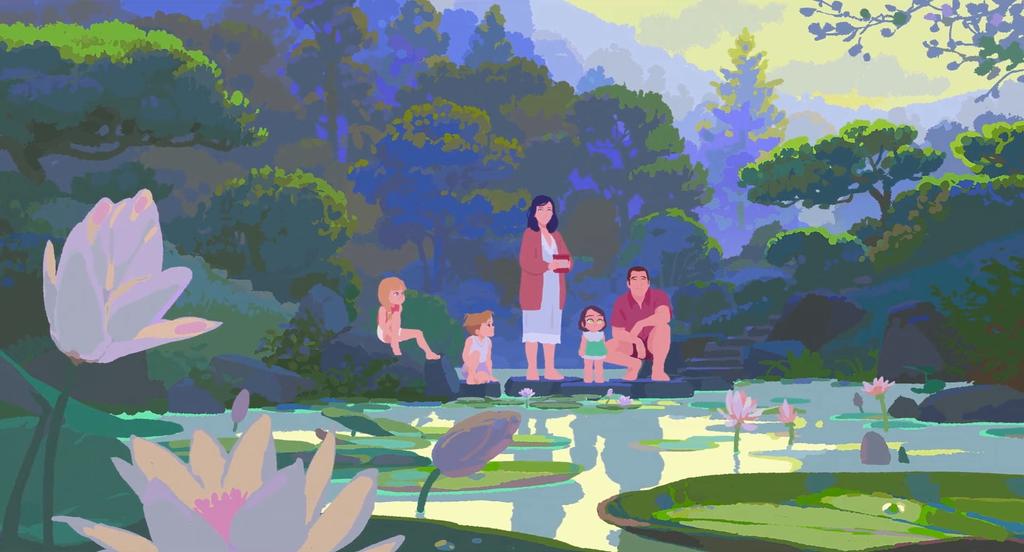

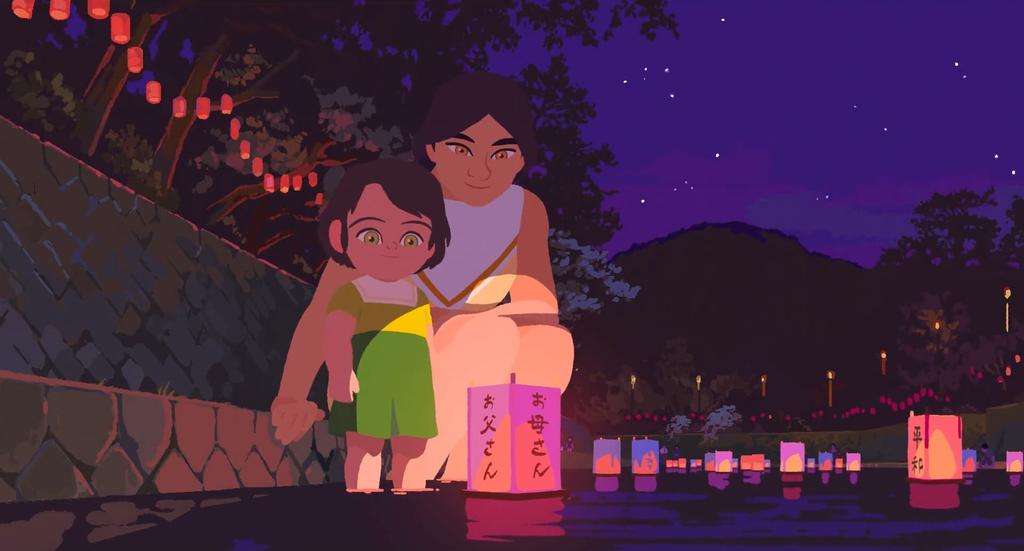
At least through the young girl’s close relationship with Nishio-san, the intermingling of diverse cultures in postwar Japan finds a gentle equilibrium, enriching her experience of the world in all its complexity. Shoji doors, cherry blossoms, and koi ponds adorn this setting with an understated elegance, while down by a river glowing softly with paper lanterns, Nishio-san guides Amélie in honouring one’s ancestors through Mexico’s Day of the Dead. In this curious observer, Little Amélie or the Character of Rain distils the pure innocence of cross-cultural connection, and celebrates its tender harmony.
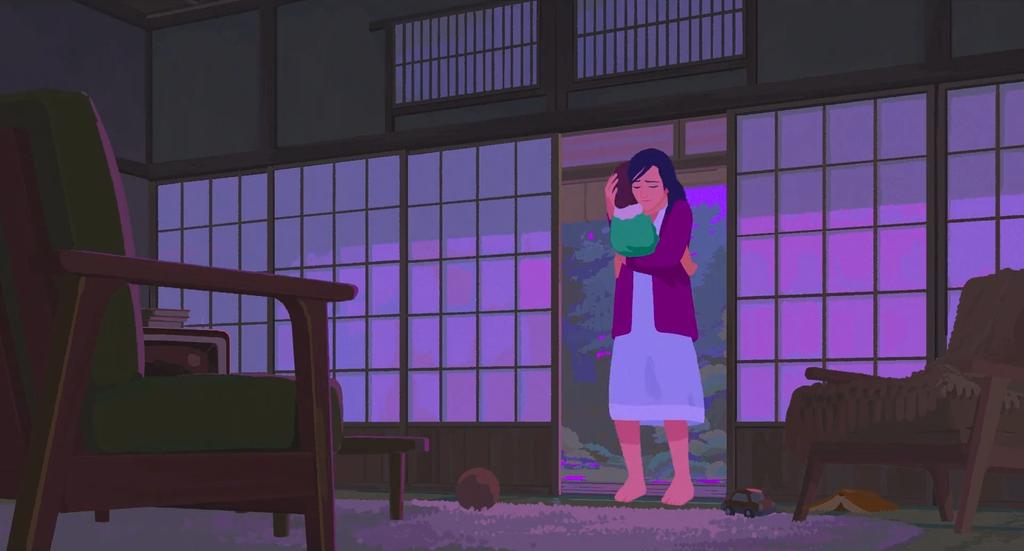
Nevertheless, it is clear which home Amélie most closely identifies with. The notion of one day moving back to Belgium shakes her – it may be her parent’s country, but it is certainly not her own, and thus she is struck by her first existential crisis. Suddenly, the colours of her world begin to fade and plants wither, threatening to disappear from her infantile memory as she ages. Especially as she experiences brushes with death, the fragility of life begins to set in, and that naïve, vegetative state she was born into starts to seem a lot more appealing than awakening to a mortal consciousness.
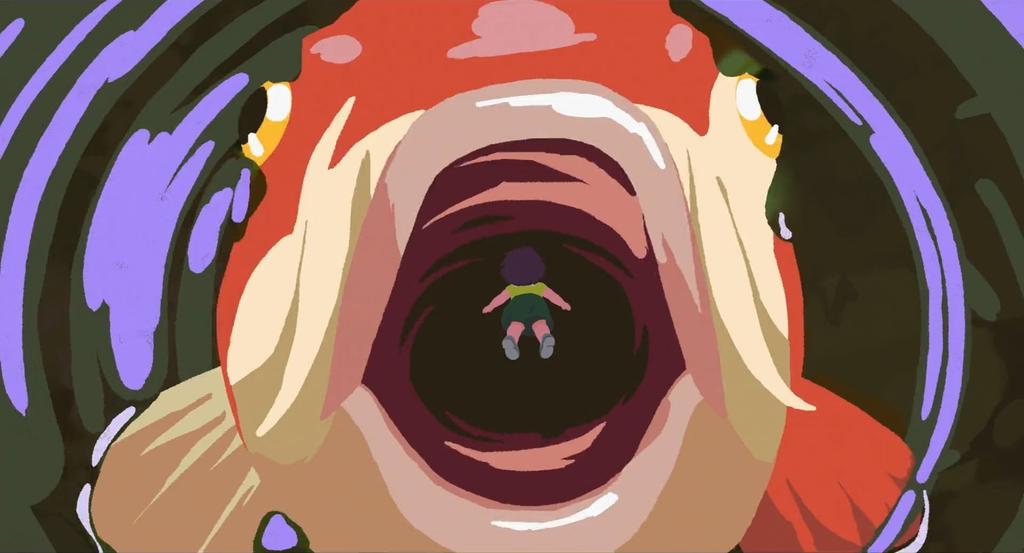
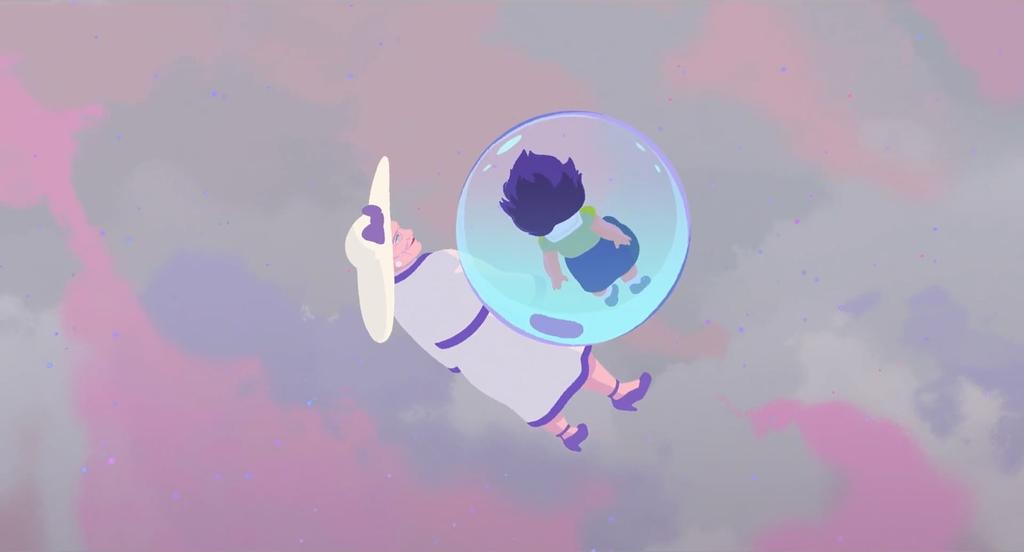
Then again, perhaps impermanence is simply the price of wonder, Vallade and Han ponder. Childhood is not a fixed state of being, but a passing season in Little Amélie or the Character of Rain, making every discovery all the more precious through its transience. For now at least, simply drifting through its fluid, ever-shifting dreamscape is a gift, connecting us to a subjective present that precariously morphs and endures in equal measure.
Little Amélie or the Character of Rain is not currently streaming in Australia.