Ozu

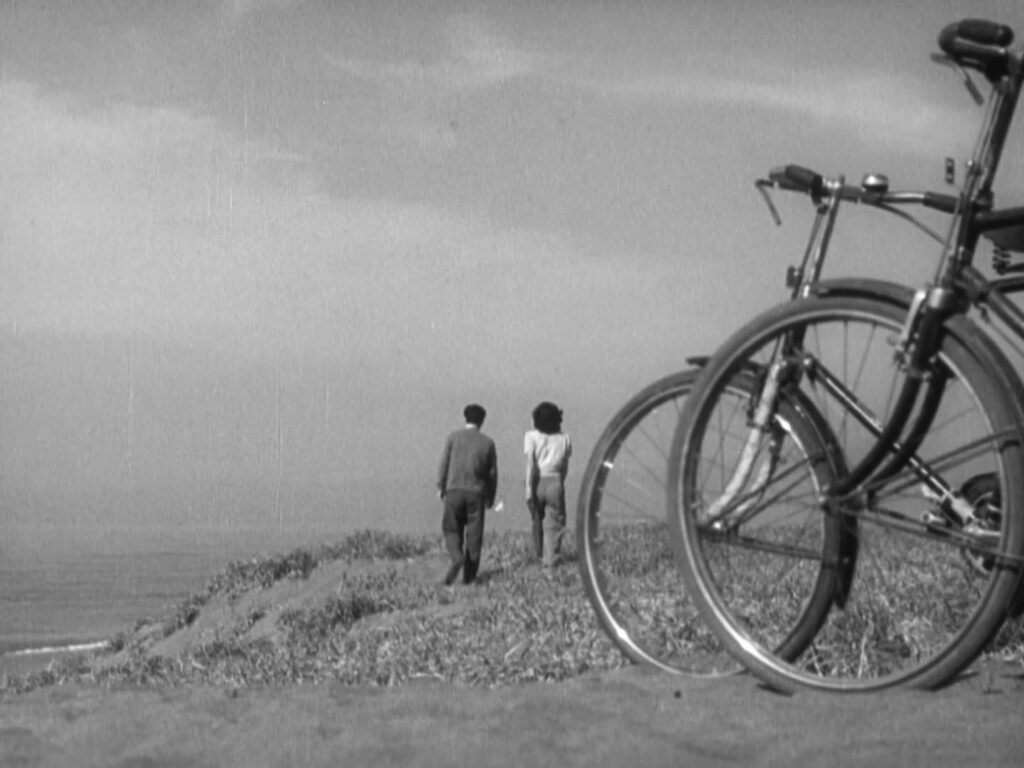
Late Spring (1949)

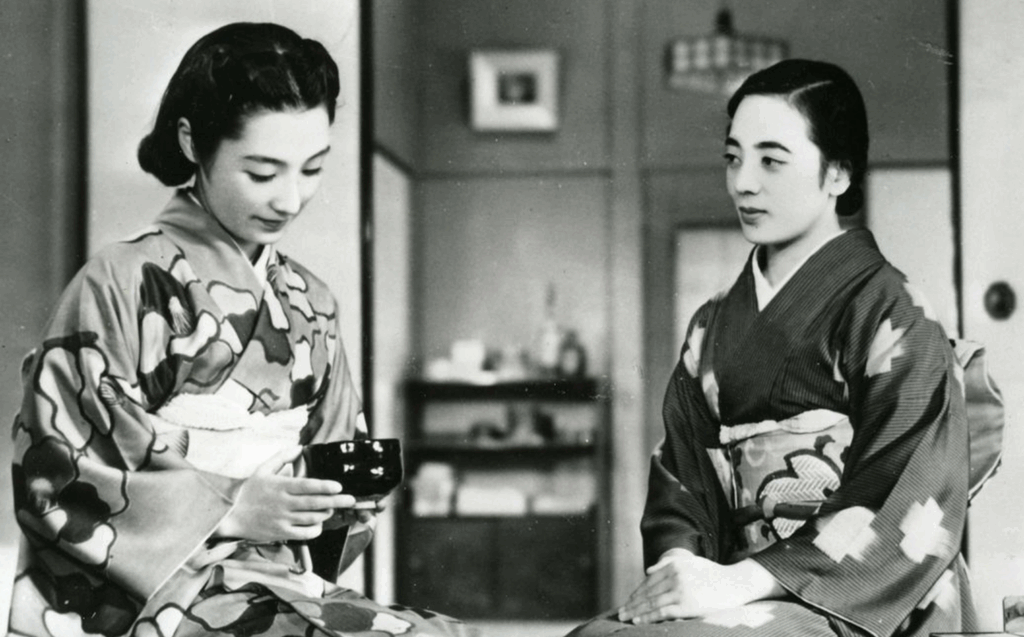
With Yasujirō Ozu’s contemplative editing and curated mise-en-scène guiding Late Spring’s lyrical rhythms forward, there is both profound joy and sadness to be found in its central father-daughter love, finding melancholy drama in her resistance to getting marriage and his quiet acceptance of being left behind.
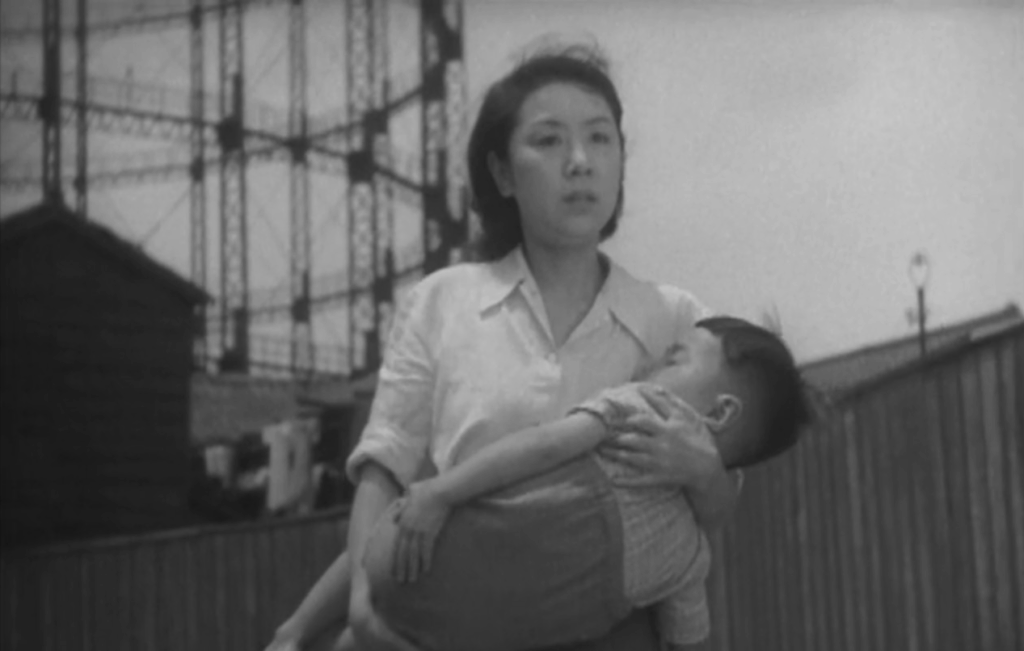
A Hen in the Wind (1948)

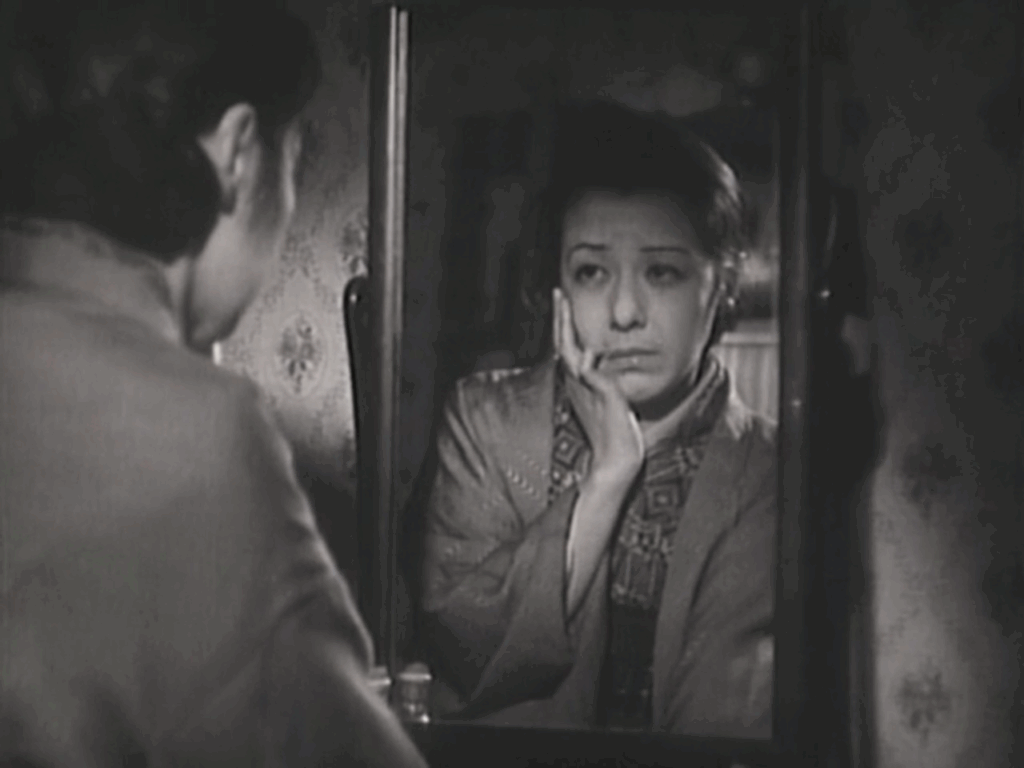
Yasujirō Ozu offers nothing but sympathy for one helpless mother’s agonising moral compromise in A Hen in the Wind, imposing the harsh, destitute architecture of postwar Japan upon her shame, as well as her desperate attempt to seek marital reconciliation.

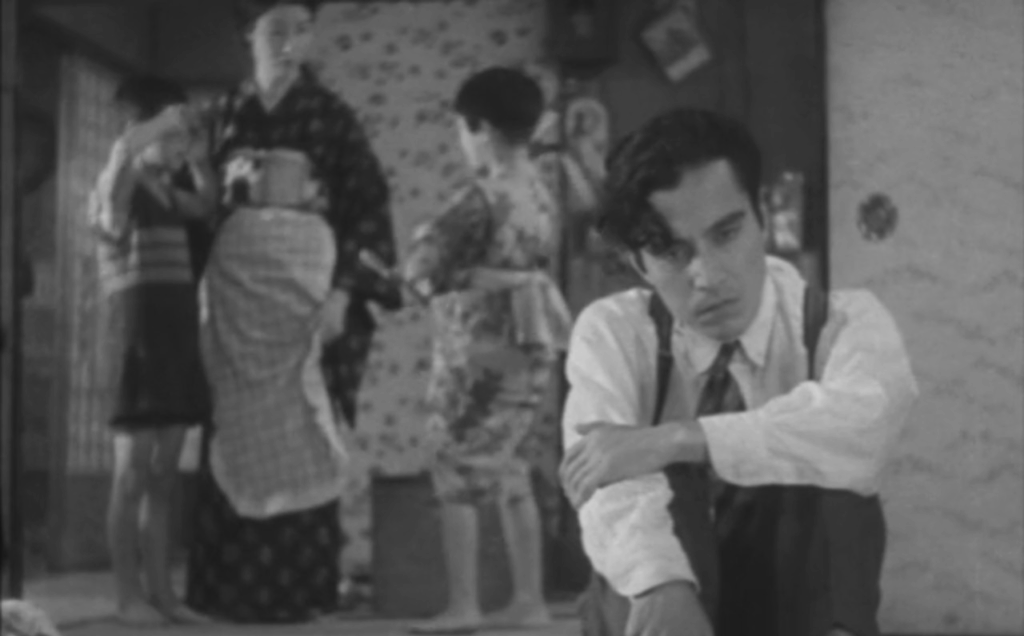
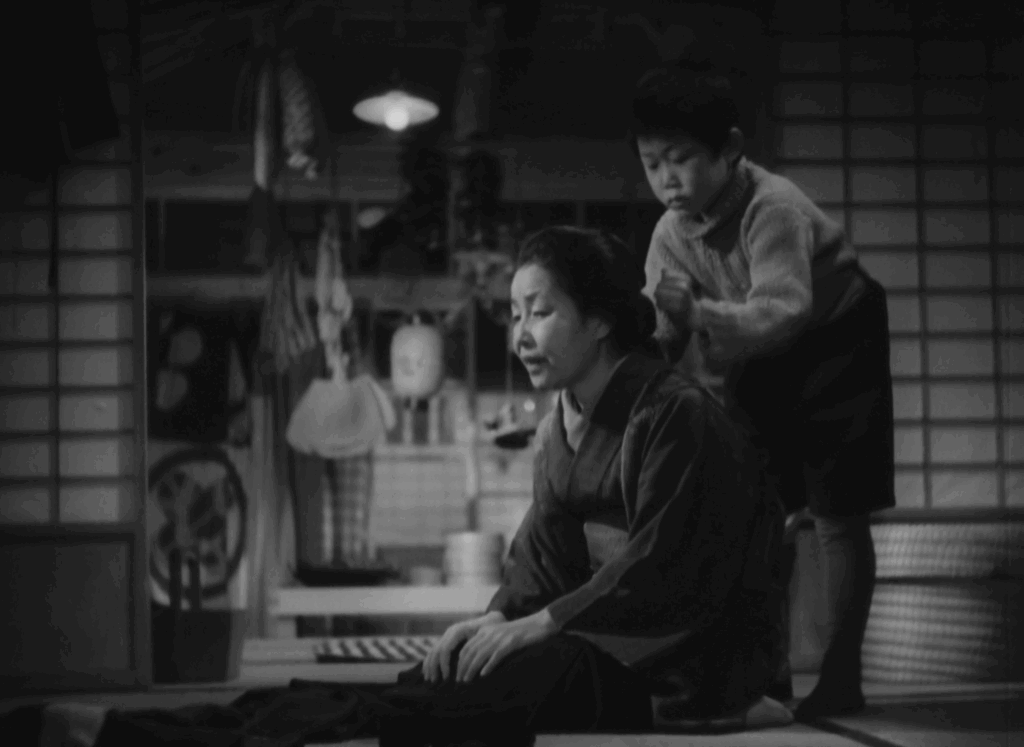
Record of a Tenement Gentleman (1947)

While Japan emerges from the darkness of war in Record of a Tenement Gentleman, so too does one middle-aged widow discover an unexpected compassion in her hardened heart, as Yasujirō Ozu sets in motion a spiritual transformation with the arrival of a lost child on her doorstep.

There Was a Father (1942)

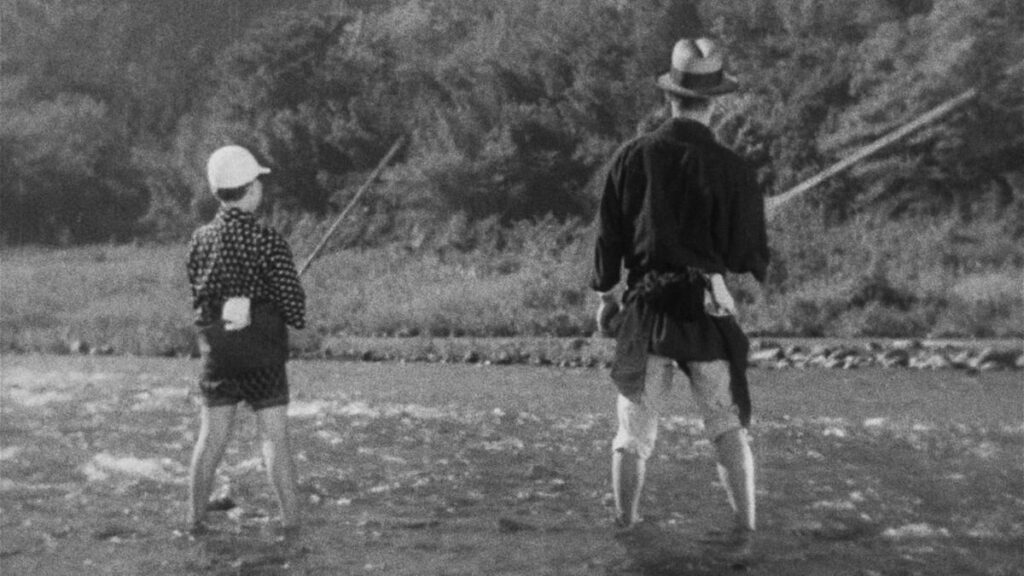
Chaos is simply not part of Yasujirō Ozu’s meditative cinematic language, and There Was a Father especially asserts his proclivity for ritualistic repetition in smoothing over emotional disruptions, recognising the remarkable legacy of one former teacher whose soul is deeply etched with tragedy, grief, and guilt.

Brothers and Sisters of the Toda Family (1941)

When the patriarch of one affluent family is lost in Brothers and Sisters of the Toda Family, there is little left to hold its fragmented remains together, and Yasujirō Ozu exacts a cutting critique of those intimate bonds weakened by class privilege.

The Only Son (1936)

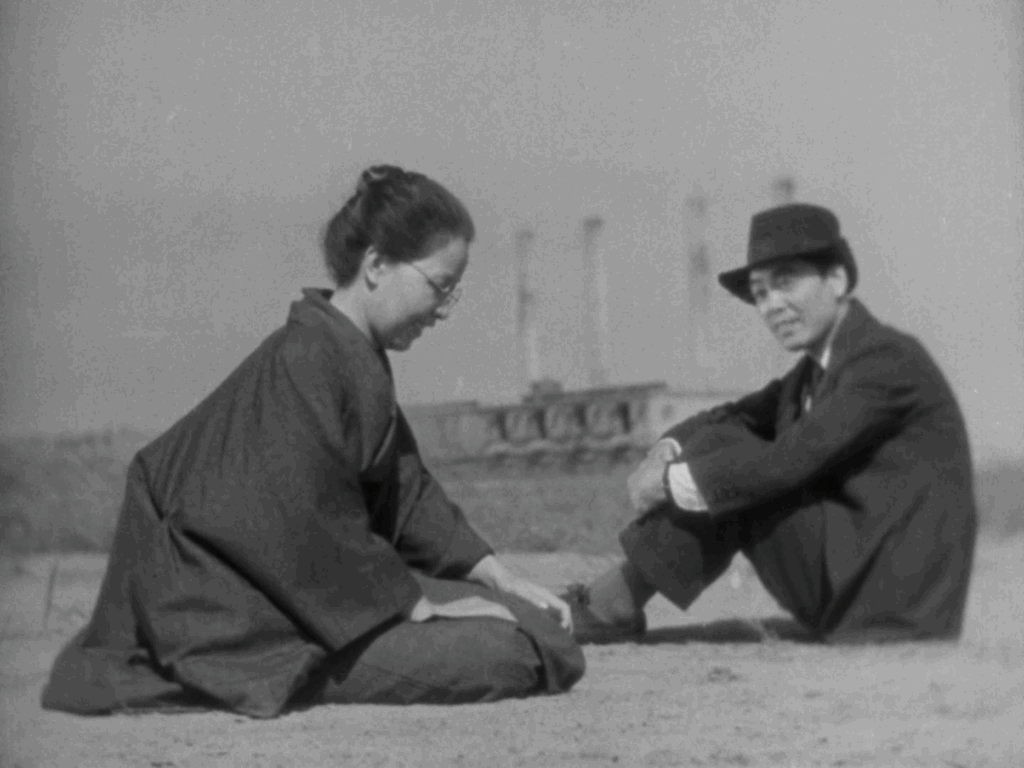
The Tokyo that Ryōsuke moves to in The Only Son is not the bustling city of opportunity he once dreamed of, but a desolate wasteland of factories and smokestacks, underscoring Yasujirō Ozu’s tale of parental expectations and disappointments with the social realities of Depression-era Japan.

Woman of Tokyo (1933)

Woman of Tokyo does not deliver the formal impact of Yasujirō Ozu’s later masterpieces, yet there is a melodramatic tension in its exposure of one young woman’s scandalous double life, glimpsing the quiet devastation that lies beneath domestic stability.

Tokyo Chorus (1931)

The subdued melodrama of Tokyo Chorus stands as a delicate testament to those teachers who not only educate us, but sagely guide us through our lowest moments, as Yasujirō Ozu cultivates his craftsmanship through the tender-hearted tale of an unemployed family man.

Scroll to Top