
The 500 Best Films of All Time
The greatest films of all time, from the early days of silent cinema to 21st century masterpieces.

The greatest films of all time, from the early days of silent cinema to 21st century masterpieces.
The greatest films of the 1950s, from the classic Hollywood musicals to Japan’s Golden Age of cinema.
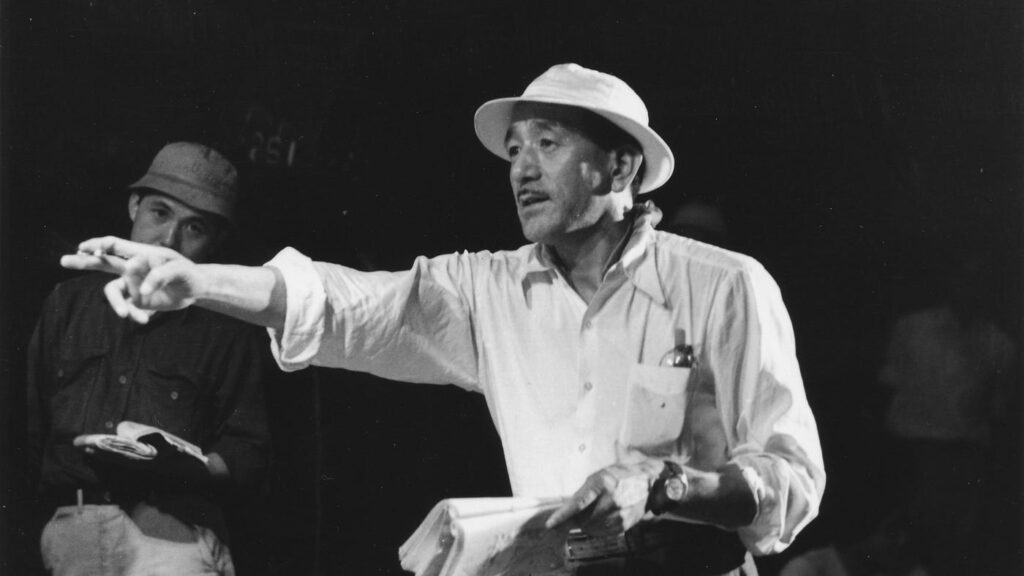
Earning the mantle of one of cinema’s great formalists, Yasujiro Ozu develops a distinctive visual language rooted in meditative pacing and meticulously composed interiors, evoking a Zen-like tranquility through which the subtle, unspoken tensions of domestic life quietly unfold.
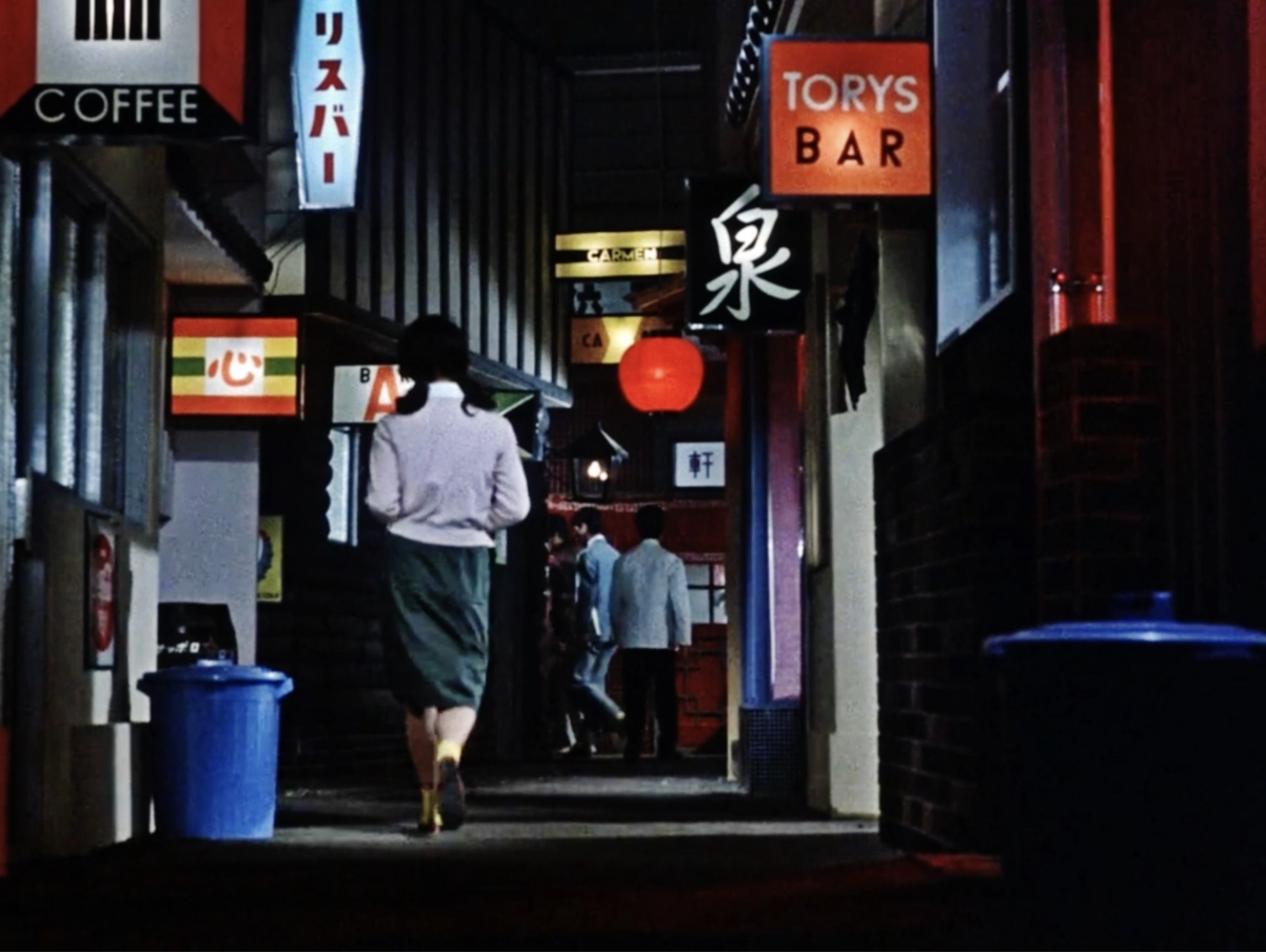
If Yasujirō Ozu’s filmography is a cinematic suite charting the tension between tradition and progress, then An Autumn Afternoon stands as a tender final movement, tracing a widowed father’s reluctant push to marry off his daughter amid Japan’s mid-century commercialism.
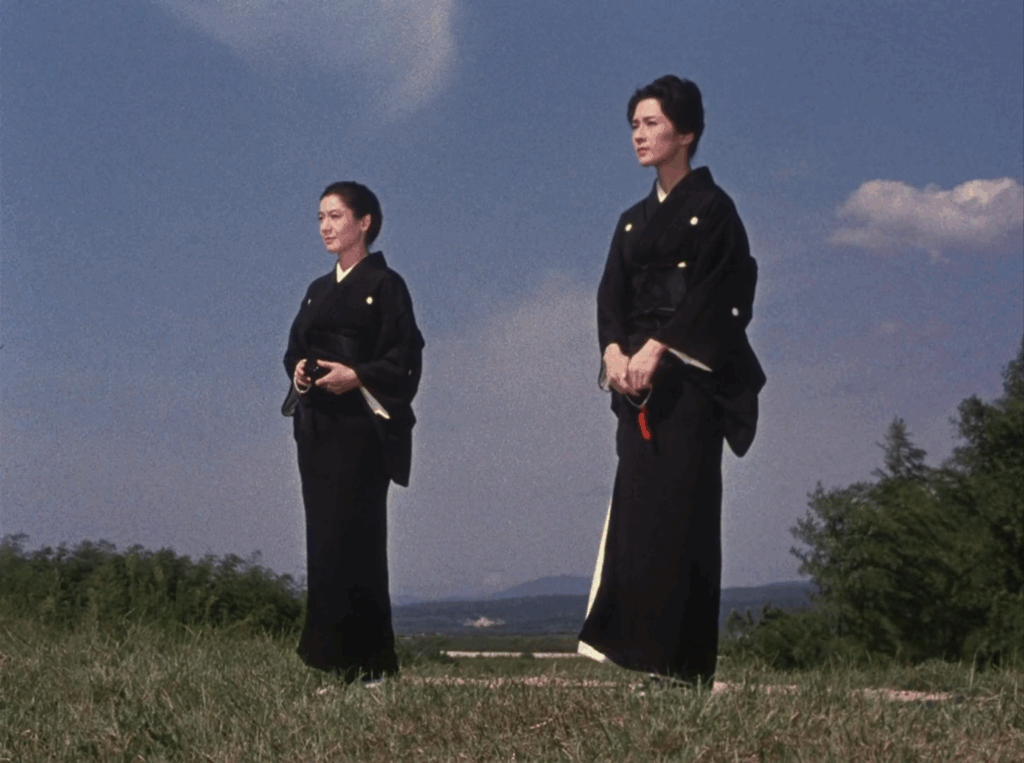
Marriage within the Kohayagawa family takes on multiple meanings throughout The End of Summer, ensuring stability within the younger generations and bringing scandal among the older, as Yasujirō Ozu weaves its humour and drama into poetic lamentations of life’s bittersweet sorrows.
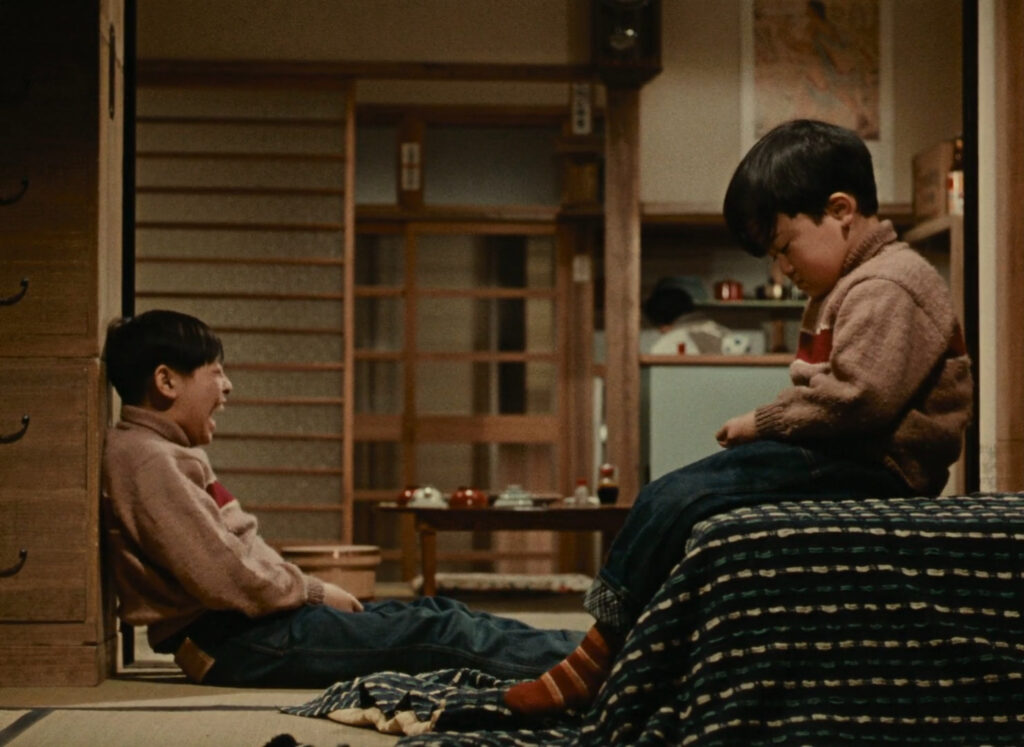
Although the silent protest of two young boys in Good Morning is aimed at their parents’ refusal to buy a television set, their frustration also extends to the small talk exchanged between grownups, marking an unusual comic turn for Yasujirō Ozu in his satire of everyday, superficial communication.
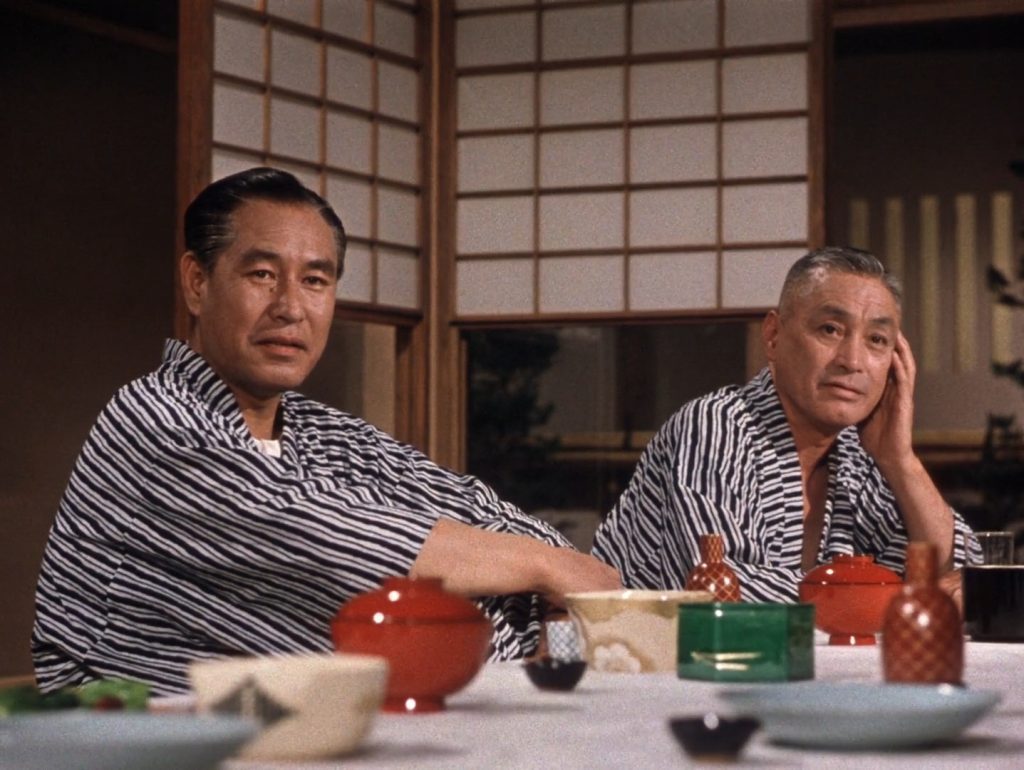
Yasujirō Ozu’s foray into colour cinematography aligns beautifully with the eloquent optimism of Equinox Flower, tracing one seemingly progressive businessman’s resistance to his daughter’s marriage, and confronting his hypocrisy with gentle humour.
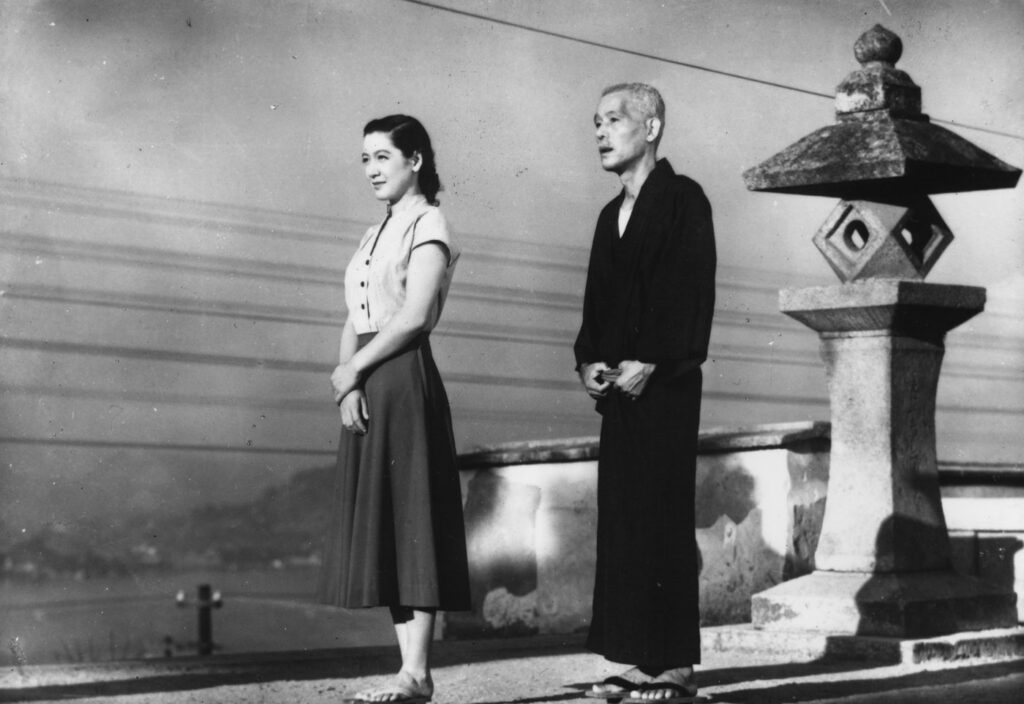
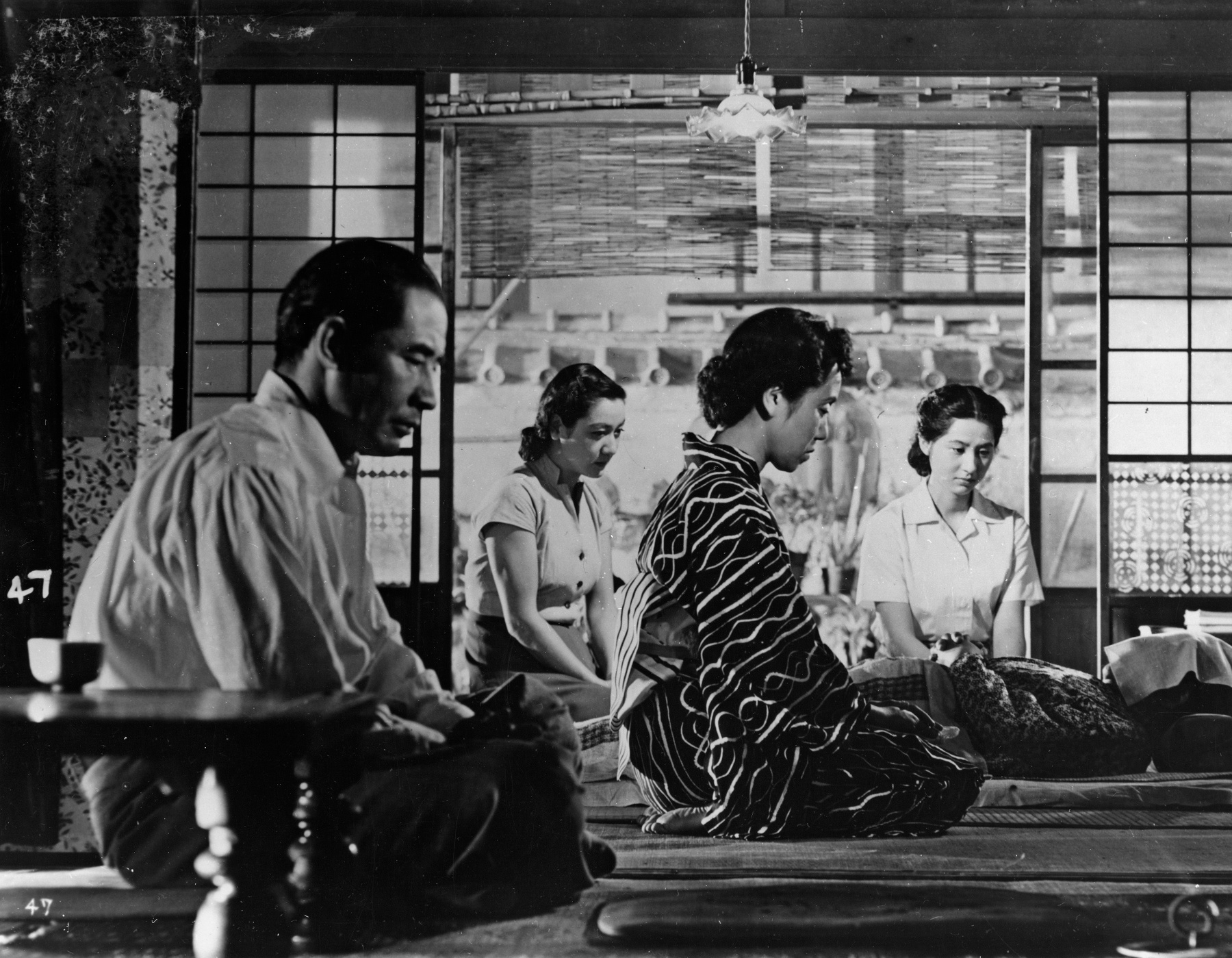
As we follow one elderly couple’s visit to their adult children in Tokyo Story, the meditative passage of time very gradually becomes visible, transforming the act of dutiful repetition into a contemplative poetry that delicately traces post-war Japan’s shift away from a past it would rather forget.
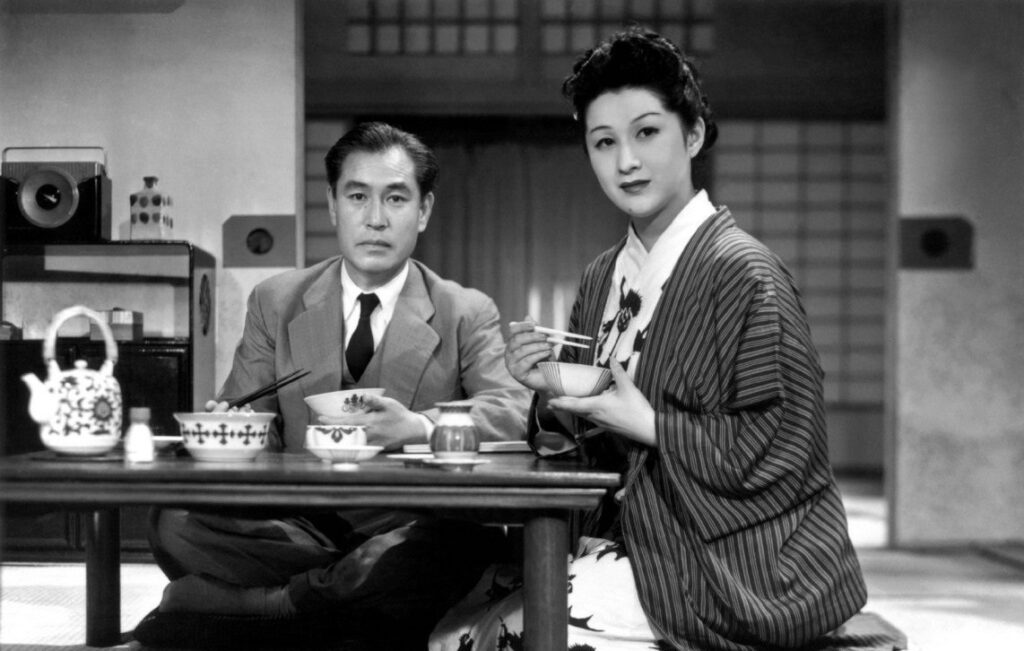
Although Taeko and Mokichi’s marriage has been left to wither in The Flavor of Green Tea Over Rice, Yasujirō Ozu never stops yearning for the love that lingers beneath their contempt and sorrow, seeking a return to steady companionship through routine, redemption, and grace.
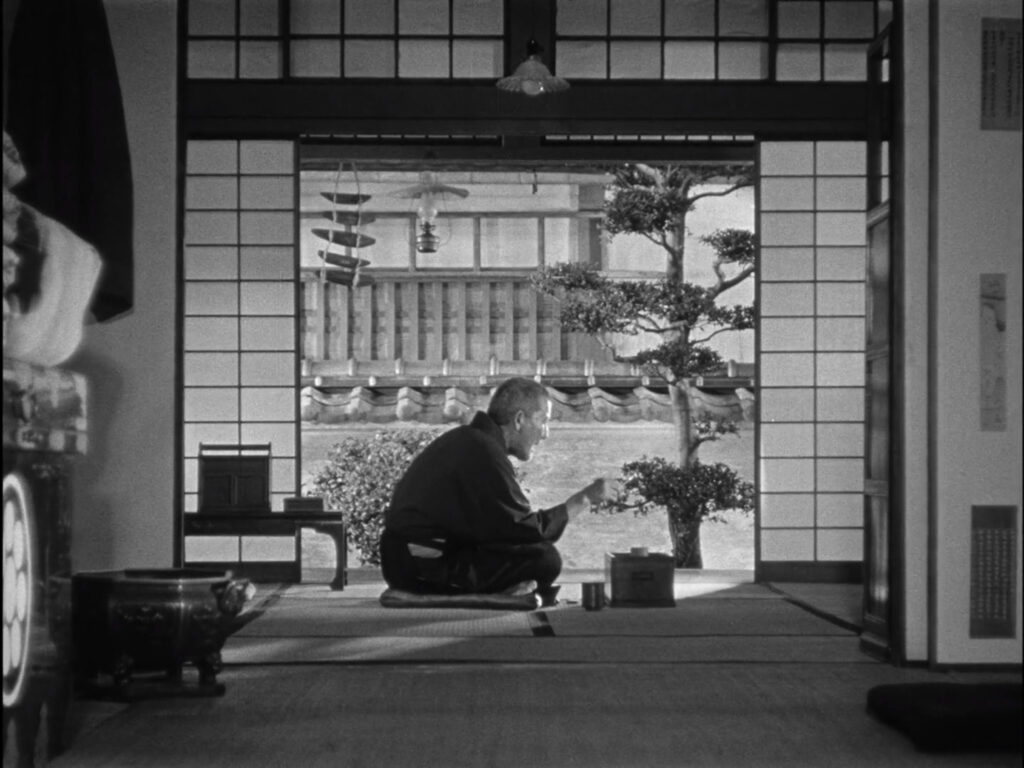
Post-war Japan’s shifting cultural attitudes tangibly manifest within the cluttered, multi-generational household of Early Summer, its domestic interiors of birdcages and shoji doors infused with Yasujirō Ozu’s introspective meditations, and simmering tension around its eldest daughter’s longing for independence.