Highly Recommend

Saraband (2003)

Ingmar Bergman’s contemplations of regret and old age in Saraband are far more grounded in his firsthand experiences than ever before, as his final film reunites the ex-lovers from Scenes from a Marriage to consider the echoes of family trauma throughout generations, and finds a soothing, spiritual peace in the act of reminiscence.

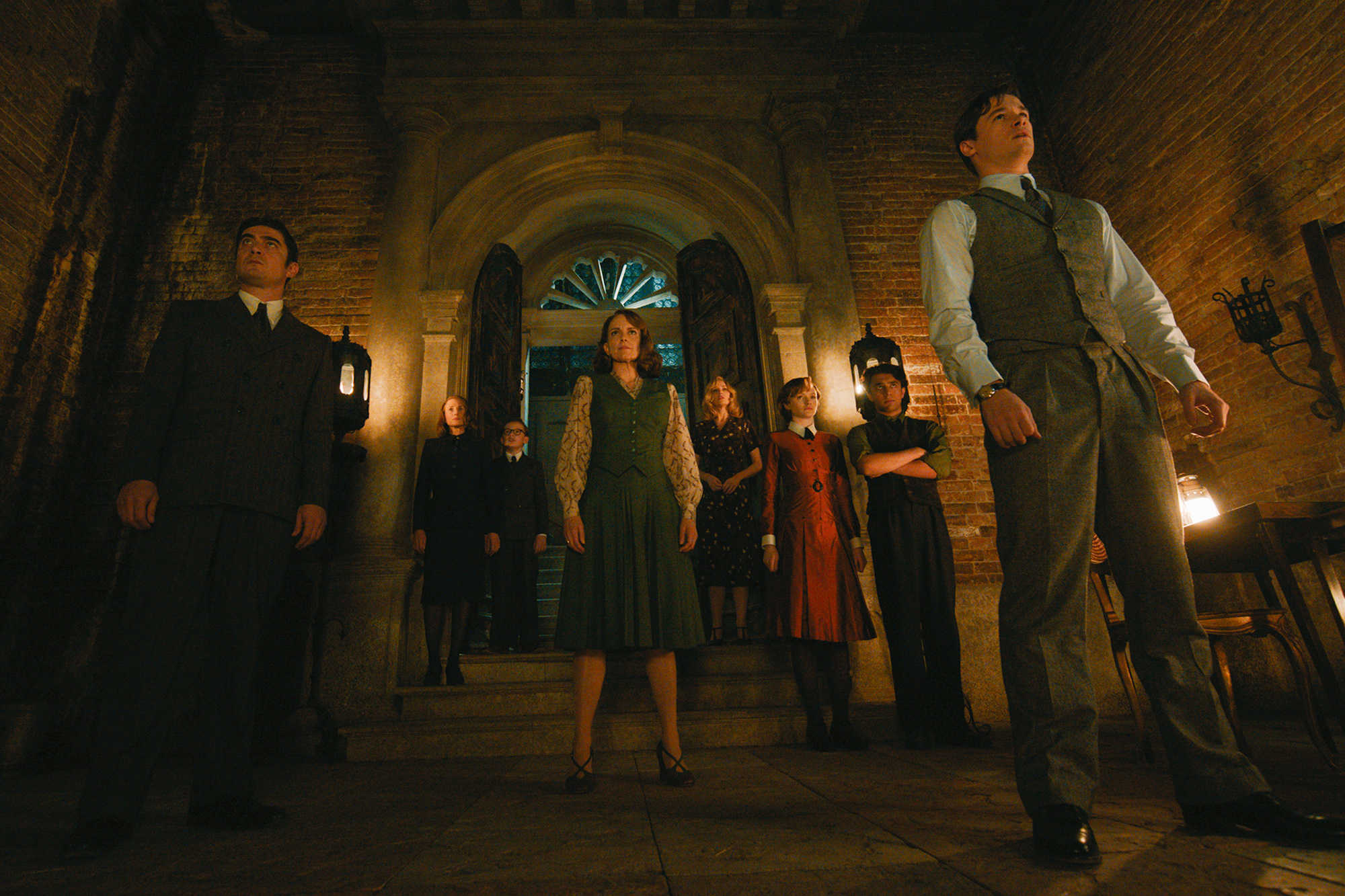
A Haunting in Venice (2023)

As flamboyant detective Hercule Poirot is drawn into a murder mystery of mediums, seances, and vengeful ghosts in A Haunting in Venice, the foundations of his hardened logic are confronted with chilling visions of the impossible, effectively imbuing Kenneth Branagh’s adaptation of Agatha Christie with a Gothic horror that complicates our search for rational truth.

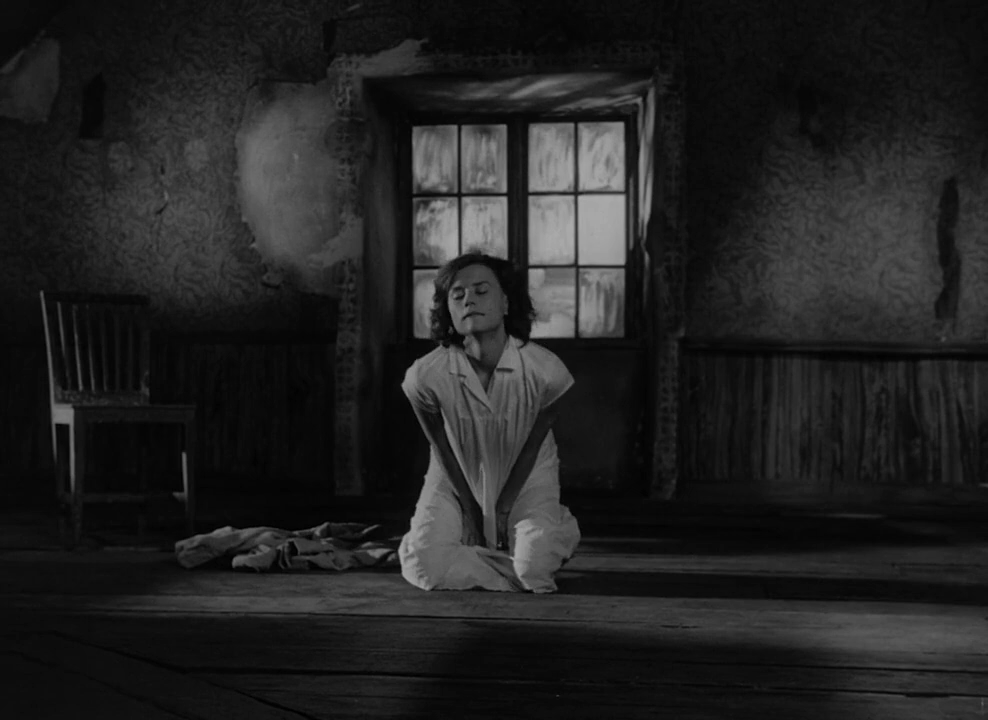
The Passion of Anna (1969)

Ingmar Bergman’s personal turmoil during production of The Passion of Anna infuses this chamber drama with a shaggy, improvisational quality, deconstructing its titular widow’s grief with the same imperfect honesty which he himself is guilty of, and bringing a raw vulnerability to complex characters straining against each other’s cruelty.

Through a Glass Darkly (1961)

Beneath Ingmar Bergman’s eloquently cutting dialogue in Through a Glass Darkly is a family struggling in the absence of spiritual guidance, magnified to an even greater extent by the isolation of the island where they are vacationing, and yet finding the chance for redemptive grace in the smallest demonstrations of love.

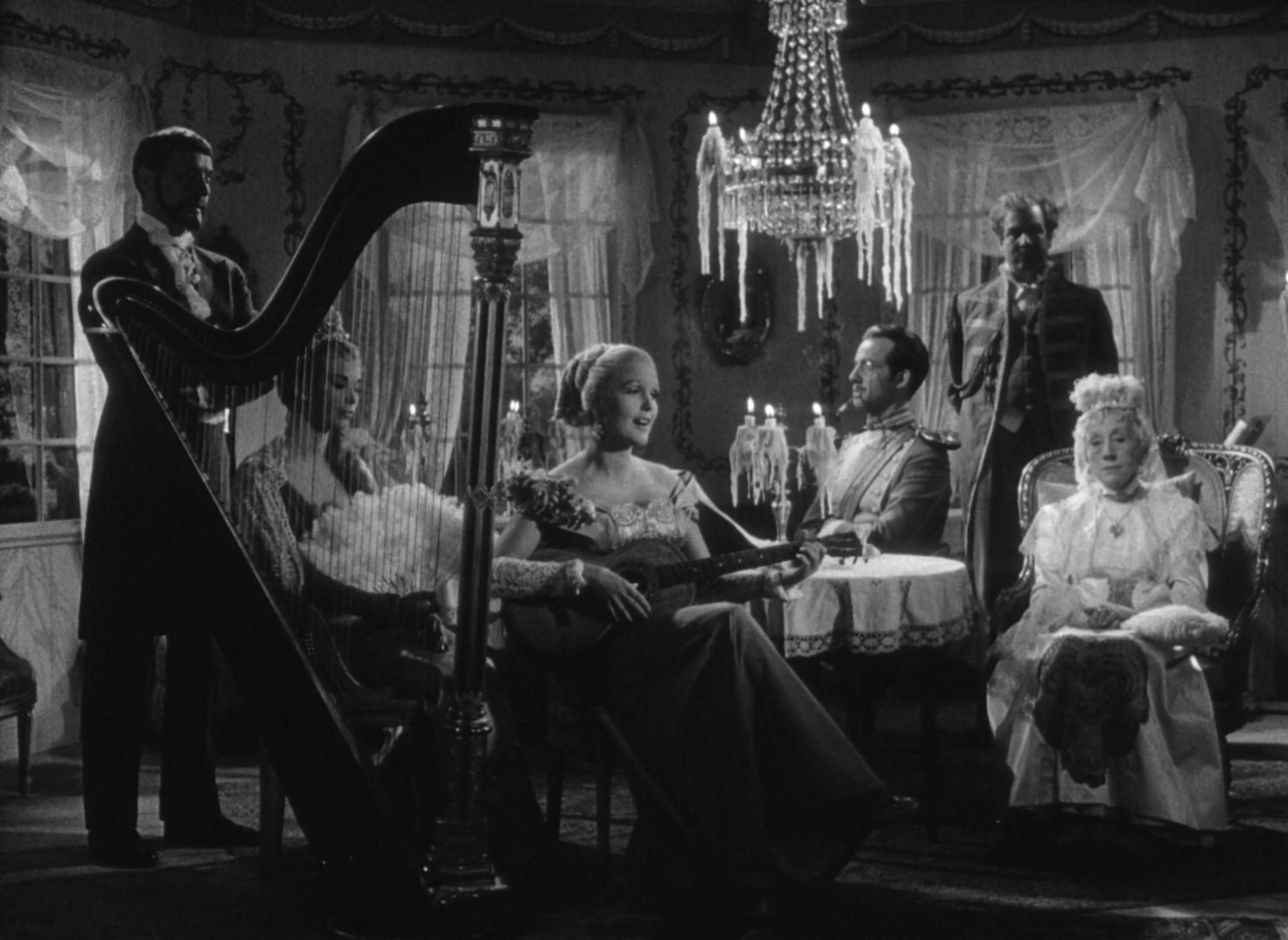
Smiles of a Summer Night (1955)

The complex web of betrayals, seductions, and alliances within the aristocratic ensemble of Smiles of a Summer Night is tantalising to watch for its sharp class satire, and yet Ingmar Bergman also buries a profound wisdom into his intoxicating chaos, deepening its joyful wonder with blessings for new beginnings and second chances.

Dreams (1955)

The romantic fantasies that young model Doris and her agent Susanne chase down are blindly hinged on the belief that men are not lazy, mediocre creatures, and Ingmar Bergman delicately maps out the psychological terrain of these compulsive desires all through Dreams, leading both generations of women down parallel paths of inevitable disappointment.

Summer with Monika (1953)

Ingmar Bergman guarantees the loss of youthful innocence in Summer with Monika as sure as seasonal changes, contrasting the light nostalgia of a gleeful escape against the demoralising fatigue of contrived, urban living by studying the expressive contours of his young lovers’ faces, poignantly recognising what modern society has so cruelly stolen from them.

Polytechnique (2009)

In Denis Villeneuve’s tragic reconstruction of the 1989 Polytechnique Montreal massacre, he traps us inside a labyrinth of narrow corridors and bleak modernist architecture, following the immediate perspectives of two students whose fates will be forever intermingled with one violent, hateful man and his brief reign of terror.

Ash is Purest White (2018)

Through Jia Zhangke’s interweaved motifs of colours and landforms in Ash is Purest White, he creates an epic character study of feminine strength, and its moulding in the fiery heat of adversity.

Scroll to Top