Ingmar Bergman

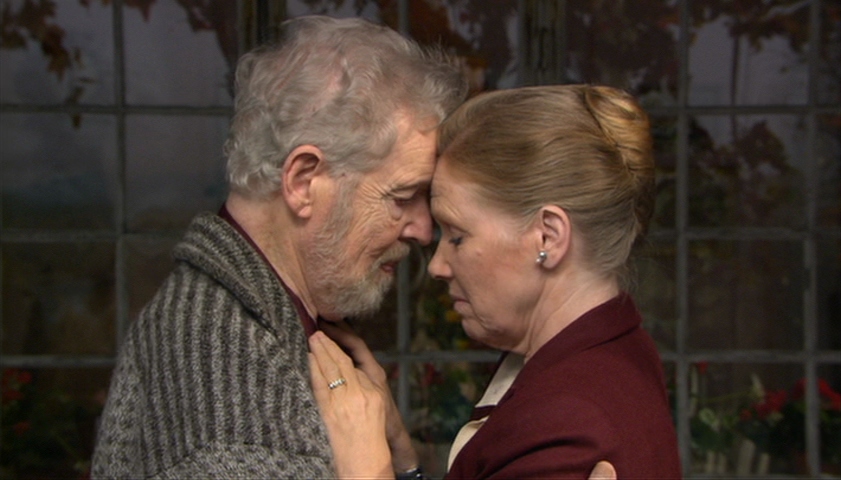
Saraband (2003)

Ingmar Bergman’s contemplations of regret and old age in Saraband are far more grounded in his firsthand experiences than ever before, as his final film reunites the ex-lovers from Scenes from a Marriage to consider the echoes of family trauma throughout generations, and finds a soothing, spiritual peace in the act of reminiscence.
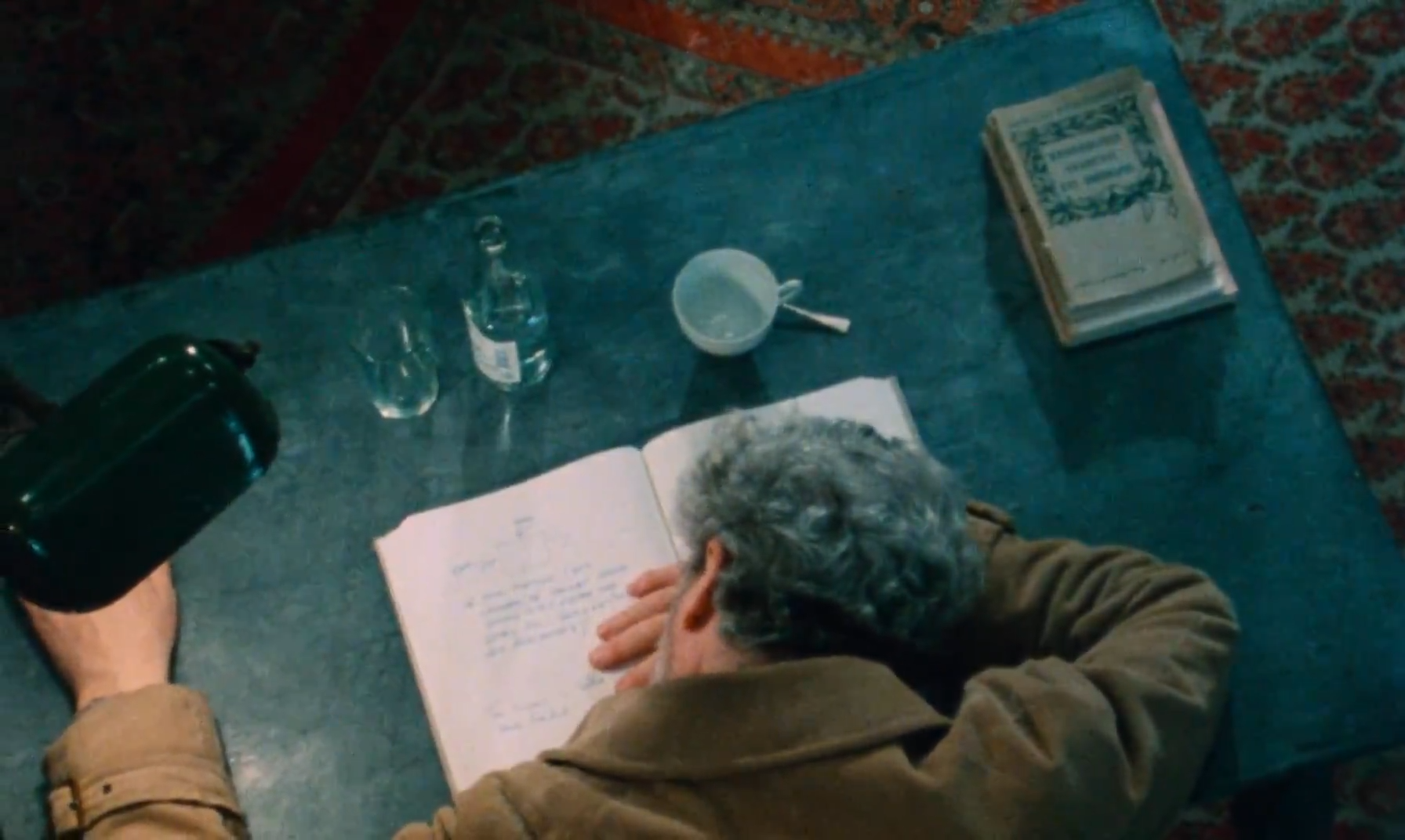
After the Rehearsal (1984)

The stage is a place of deep meditation for theatre director Henrik in After the Rehearsal, letting memories of past and future relationships manifest with a subtle, time-shifting surrealism, and seeing Ingmar Bergman’s nostalgic humility take eloquent form as he looks back on his career.

Fanny and Alexander (1982)

The vivid imagination of Ingmar Bergman’s young protagonist in Fanny and Alexander is as enchanting as it is frighteningly dangerous, expressing itself through vibrantly festive mise-en-scène and impressionistic supernatural visions, and forming the basis of a deeply sentimental rumination on childhood wonder, trauma, and grief.

From the Life of the Marionettes (1980)

Ingmar Bergman has long considered the fragile minds that lurk beneath mild personas, but From the Life of the Marionettes is easily his most violent rupturing of that veil, seeking whatever psychological reason lies at the source of one murderous outburst by piecing together fragments of the preceding and subsequent months.

Autumn Sonata (1978)

Like the persistent rotation between immaculately framed wide shots and close-ups, and the seasonal changes implied within the title Autumn Sonata, both mother and daughter are trapped within cycles of repression in Ingmar Bergman’s psychological family drama, poignantly recognising them as similarly flawed copies of each other.

The Serpent’s Egg (1977)

Even as The Serpent’s Egg marks a strange departure from Ingmar Bergman’s usual screenwriting strengths, the bleak tension he builds in his 1920s Berlin setting can’t be denied, witnessing the birth of fascism amid dystopian landscapes of fear, starvation, and corruption.

Face to Face (1976)

Even by Ingmar Bergman’s standards, Dr Jenny Isaksson’s characterisation is layered with immense psychological depth in Face to Face, treading a fine line between realism and surrealism as her childhood traumas, insecurities, and mortal fear of death chaotically rise to the surface after years of emotional repression.

Scenes From a Marriage (1973)

Ingmar Bergman uses six isolated episodes of Johan and Marianne’s married life to piece together a collage of a fragmenting relationship in Scenes From a Marriage, turning their divorce not into a battle of husband versus wife, but rather lovers versus the space between them.

Cries and Whispers (1972)

Ingmar Bergman’s wrestling with matters of faith and tortured female relationships has never been so vividly illustrated as it is in Cries and Whispers, confining its three sisters and their maid to the crimson-saturated dreams of their family home, and surreally interrogating the fractures which only deepen with their parallel suffering.

The Touch (1971)

The Touch may be one of Ingmar Bergman’s plainer stylistic efforts, but his wielding of theological symbolism to interrogate a broken love triangle is deft, bitterly driving the Madonna’s degraded image and a tainted Garden of Eden between his doomed lovers.

Scroll to Top