Film Review

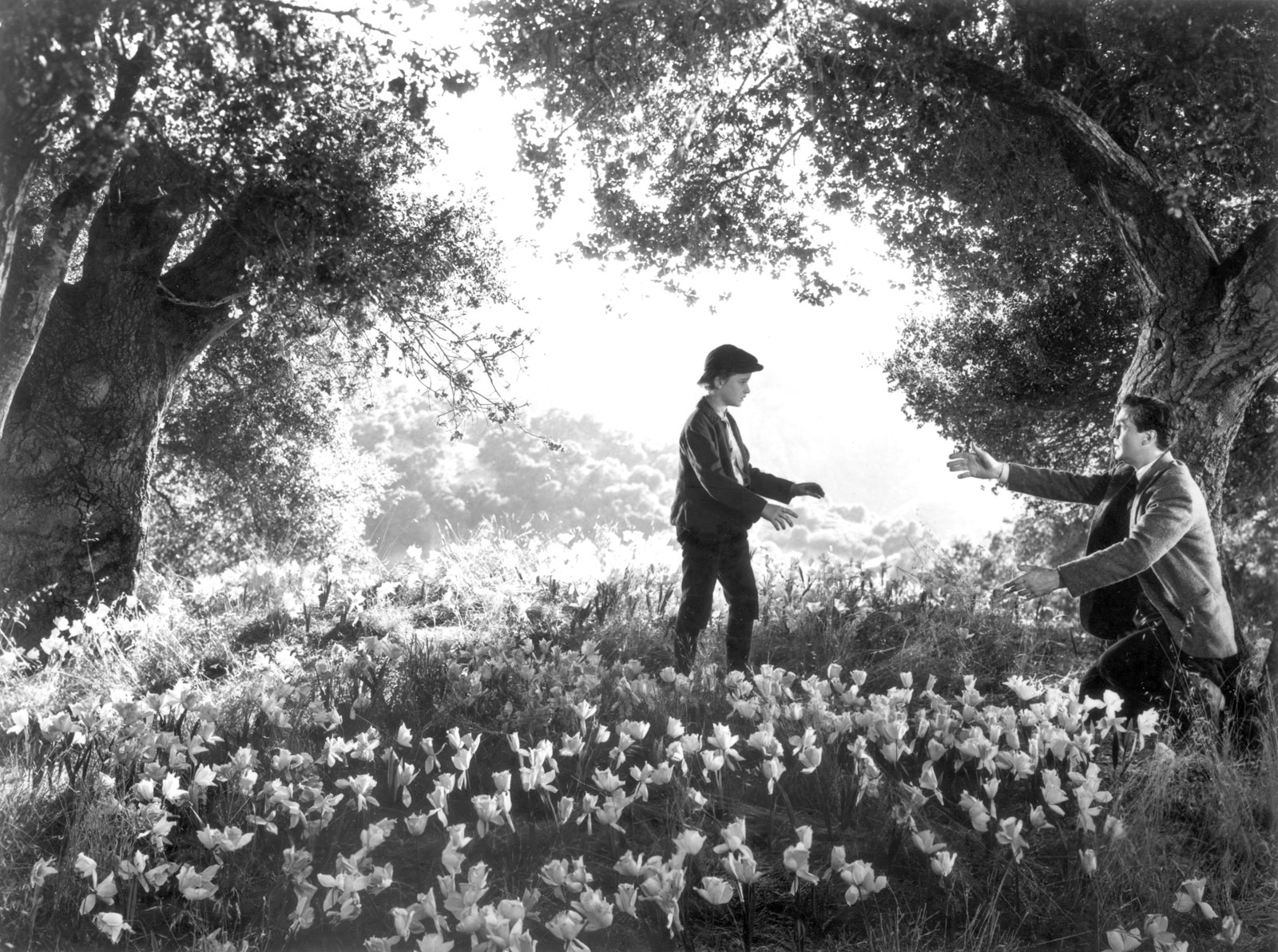
How Green Was My Valley (1941)

In transplanting his usual explorations of tradition and community from America’s old West into a rural Welsh village, John Ford finds a nostalgic beauty in the Victorian-era working class ideals of How Green Was My Valley, binding his huge cast of actors and extras together as one communal, synchronised mass.

A Prophet (2009)

Gangster film conventions find new life in Jacques Audiard’s magical realist drama A Prophet, grounding the rags-to-riches character arc of Algerian teen and prison inmate Malik El Djebena in the complex racial tensions of a modern-day, multicultural France.

Shadows of Forgotten Ancestors (1965)

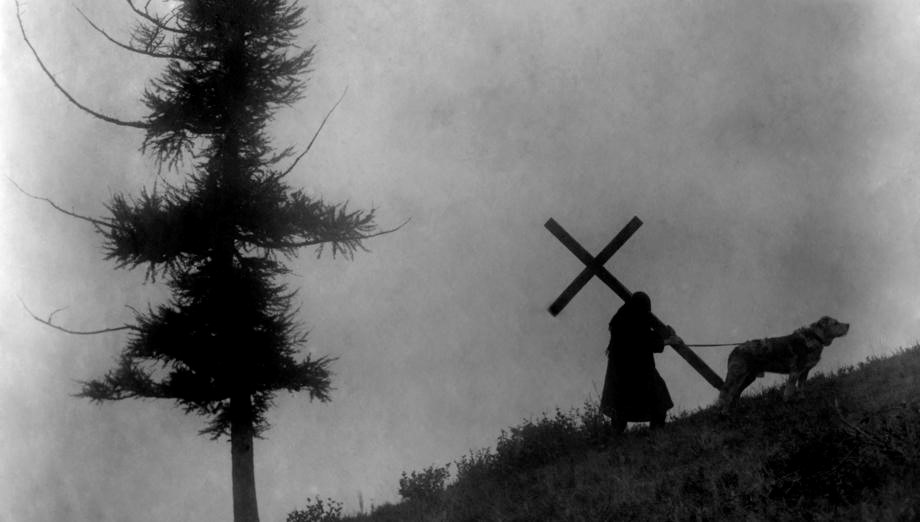
In setting up a formal clash between his brazen stylistic experiments and the stagnant setting of a traditional Ukrainian village, Sergei Parajanov pushes the focus of Shadows of Forgotten Ancestors past this narrow-minded society and towards the haunting mysticism which lies both beyond its boundaries and within its own characters.

Raw (2016)

The awkward transition of learning to live with uncomfortable changes in one’s psychological state is always lurking within the subtext of Raw, but Ducournau’s ability to bring formal complexity in drawing out the visceral body horror of female sexuality makes for a confronting descent into parts of the human mind that are entirely untameable.

Magnolia (1999)

Through its epic scale and high-wire, multilinear structure, Magnolia binds its sprawling ensemble of characters under a series of escalating coincidences, marking a great formal achievement in metaphysical filmmaking for a 28-year-old Paul Thomas Anderson.

Casino Royale (2006)

Martin Campbell’s masterfully efficient set pieces paired with Daniel Craig’s complex performance of a man fighting with his ego thrillingly rejuvenates this classic archetype of British film, and together hold Casino Royale up as a remarkable piece of character-driven, action cinema.

The Neon Demon (2016)

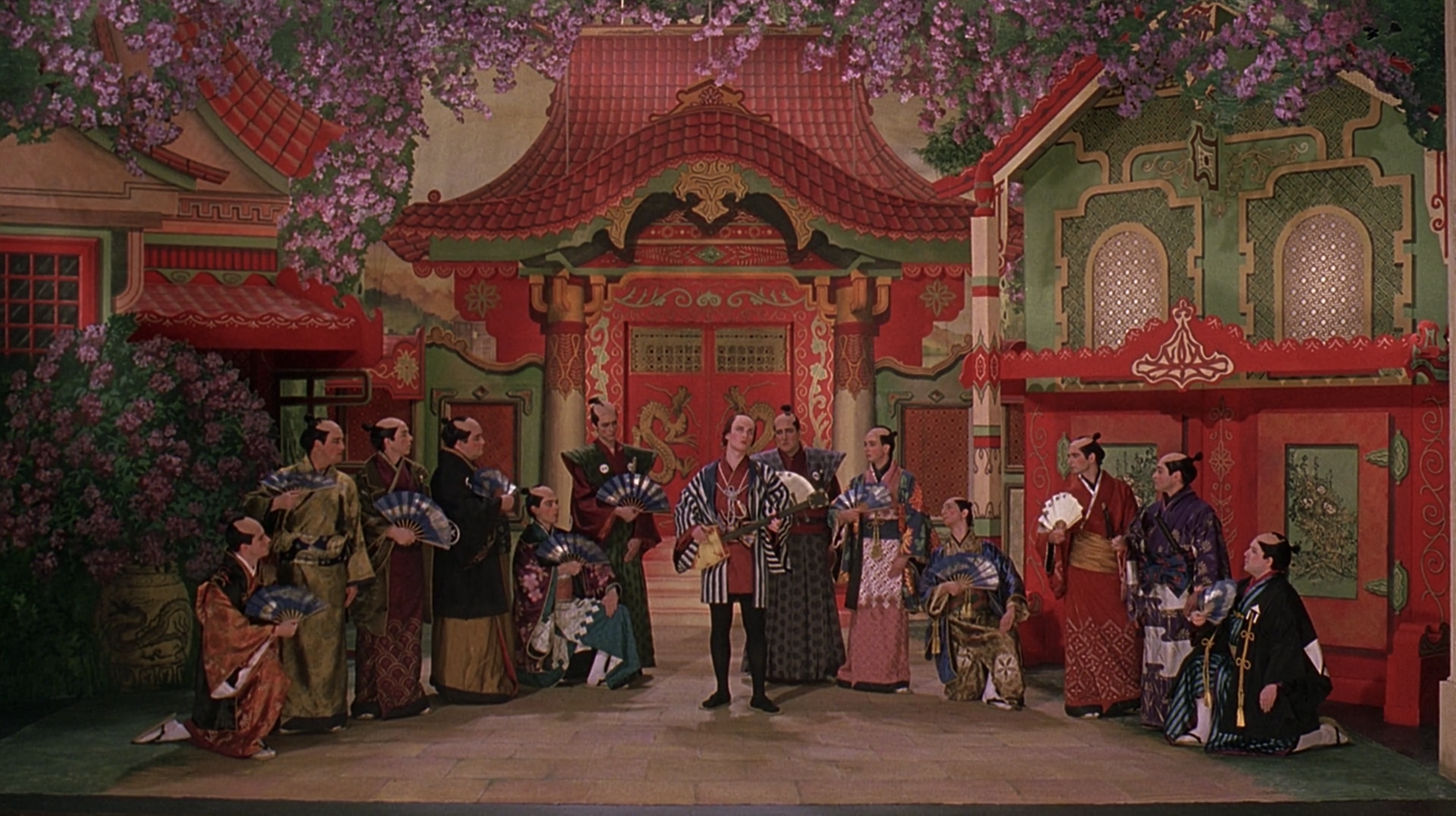
In turning his provocative, neon-tinted stylings to Hollywood’s cutthroat fashion industry in The Neon Demon, Nicolas Winding Refn quite literally puts his cast of models and actors under the knife, carving out a hellish underworld of cannibalistic cultism kept hidden behind a façade of attractiveness.

Shang-Chi and the Legend of the Ten Rings (2021)

As Shang-Chi and the Legend of the Ten Rings progresses deeper into its world of covert organisations and mystical Chinese villages, director Destin Daniel Cretton gradually turns up the elegant beauty of his landscapes and martial arts choreography, using both to bring an evocative sensuality to our hero’s journey of self-discovery.

The Piano (1993)

Without a voice to bridge the gap between her mind and the exterior world, it is instead Ada’s music which becomes her purest form of communication in The Piano, carrying a rich, full-bodied expression of the Scotswoman’s restless soul through the beaches, forests, and colonies of 19th century New Zealand.

Platform (2000)

Though we can appreciate the immediate impact of Jia Zhangke’s stark, minimalistic aesthetics in painting out a social landscape in decline, the formally ambitious construction of China over a ten-year span reveals an accumulation of small changes set in motion by an increasingly globalising culture, slowly eroding the value of art, tradition, and relationships.

Scroll to Top