Film Review

The Virgin Suicides (1999)

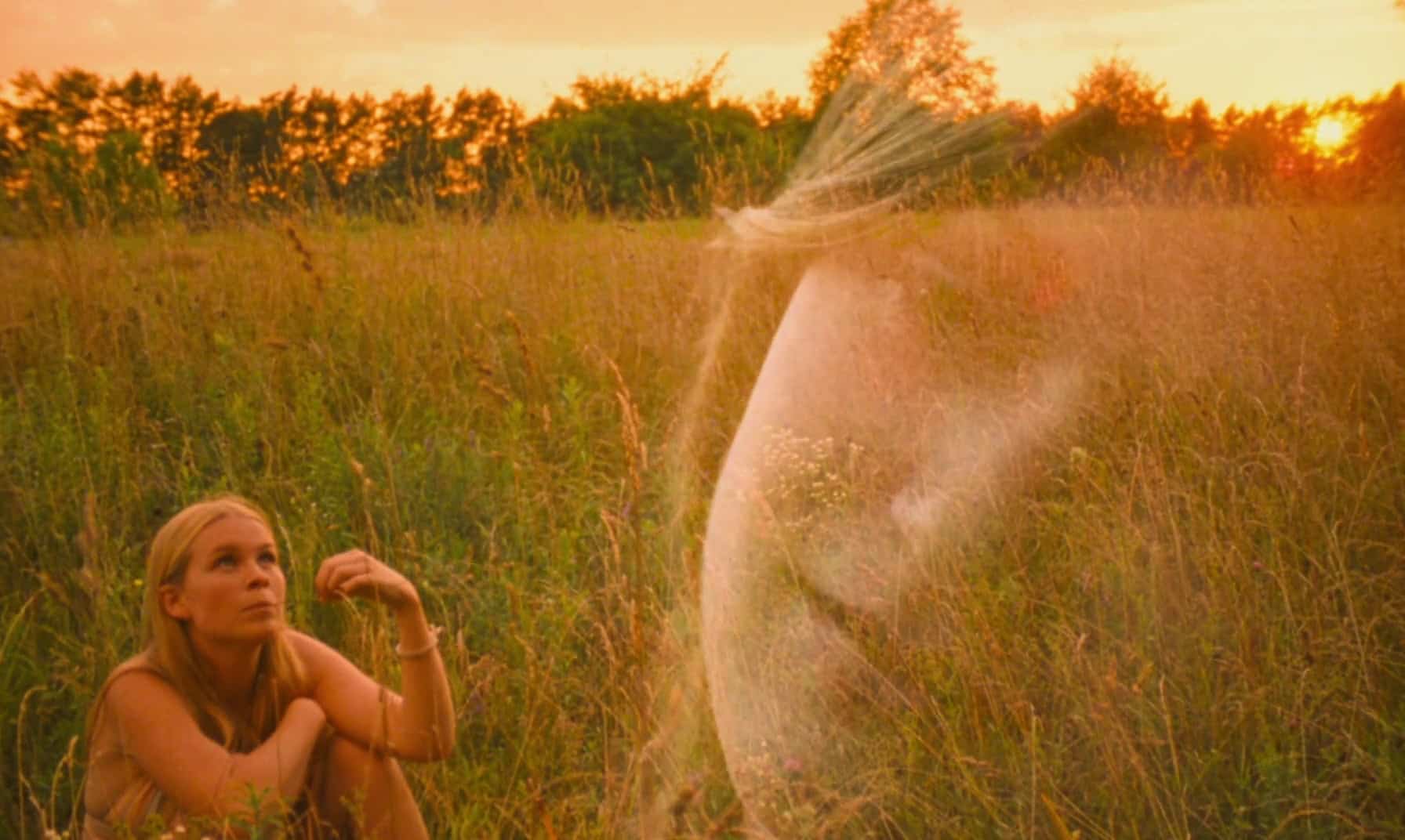
In the sleepy, yellow glow that bathes this small, 1970s Michigan town in the sentimentality of nostalgia, Sofia Coppola might initially seem to be participating in the patriarchal worship of the Lisbon sisters, but it is in those moments where they are brought down to earth as humans looking for connection that The Virgin Suicides evolves into a poignant recognition of pain, longing, and overwhelming grief.

King Richard (2021)

Just as Richard Williams is patient with his young daughters, Serena and Venus, so too is director Reinaldo Marcus Green patient with him in this character study of holistic mentorship, peeling back the layers of a father whose guidance of two future star tennis players is both frustratingly stubborn and gently self-assured.

Blow Out (1981)

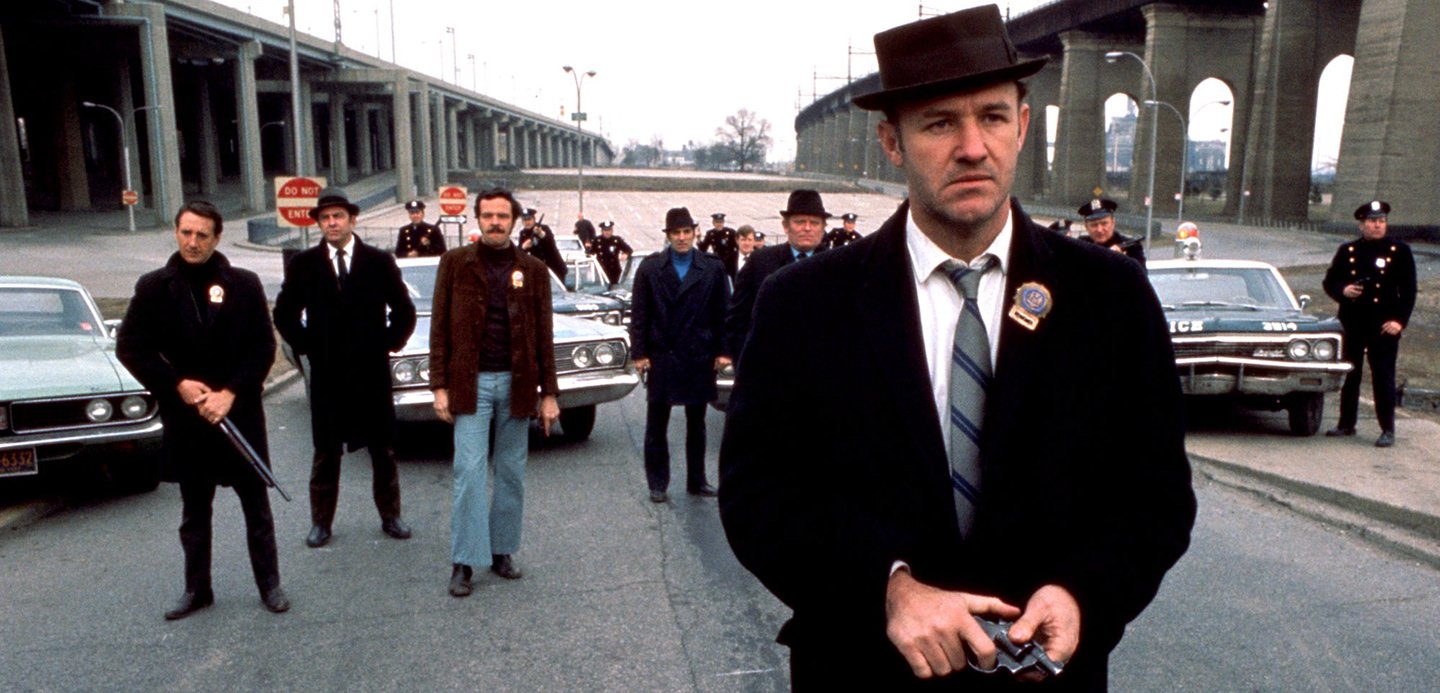
Brian de Palma’s dizzying, suspenseful style works perfectly in tandem with an absorbing narrative of neo-noir conspiracies in Blow Out, delivering a thrilling interrogation of uniquely American political corruption, and the power of modern media to both cover up and expose its lies.

Stardust Memories (1980)

As movie director Sandy Bates sorts through the onslaught of scathing criticisms and bizarre requests from his fans, existential questions of life, fame, and art arise in comically surreal contemplations, effectively marking Stardust Memories as Woody Allen’s most autobiographical film to date.

Licorice Pizza (2021)

As Gary and Alana run down the streets of 1970s San Fernando Valley all through Licorice Pizza, Paul Thomas Anderson takes great pleasure in peeling back the layers of their flaws, passions, and mannerisms, building out a complicated friendship that leads us to wonder not whether they will find romantic feelings for each other, but simply whether they find each other.

Hannah and Her Sisters (1986)

Just as Hannah’s self-absorbed relatives take her bountiful generosity for granted, so too does Woody Allen relegate her own personal issues to the background of Hannah and Her Sisters, choosing instead to paint a thoughtful, funny portrait of dysfunctional family dynamics out of the narrowed perspectives of those who surround her.

Mountains May Depart (2015)

Mountains May Depart marks Jia Zhangke’s most significant withdrawal from his distinctive, neorealist style, and although the film is a little weaker for it, he still finds a deep poignancy in the widening generation gap separating China’s past from its future.

You Were Never Really Here (2017)

Lynne Ramsay is far more interested in creating an impressionistic sense of a lonely, disorientated mind out of hypnotic montages than she is in plot in You Were Never Really Here, building ambient rhythms that draw us into the fragmented nightmares of a violent man tasked with rescuing young girls from traffickers.

Shadow of a Doubt (1943)

Even while considering the wretched corners of the human psyche that Alfred Hitchcock has probed all through his career, perhaps the intensive character study of Shadow of a Doubt is his most disturbing, as he paints a twisted portrait of two Charlies, uncle and niece, locked in a deadly secret seeping with subtext of incest, grooming, and sexual abuse. 

West Side Story (2021)

Steven Spielberg’s broad, sweeping style of iconographic filmmaking is well-suited to such classical Shakespearean stories as that which West Side Story takes its own spin on, as in this vibrantly artistic adaptation New York becomes a dystopian wasteland of gangs and hopelessly star-crossed lovers.

Scroll to Top