Film Review

Nashville (1975)

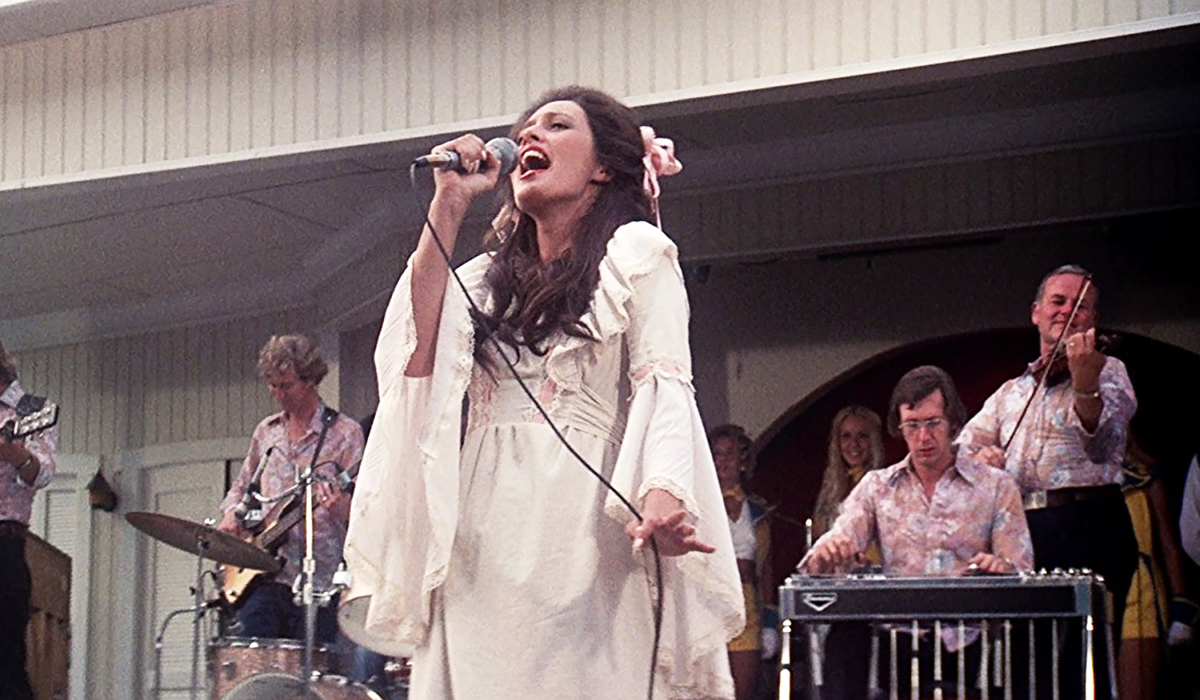
In its organic progression between its sprawling narrative threads, Nashville carries the sense that Robert Altman could point his camera in any direction and discover a new set of characters as equally as intriguing as the rest of his ensemble, constructing a satirical image of this musical city that is pervaded by a defiantly bright-eyed Southern idealism.
Lenny (1974)

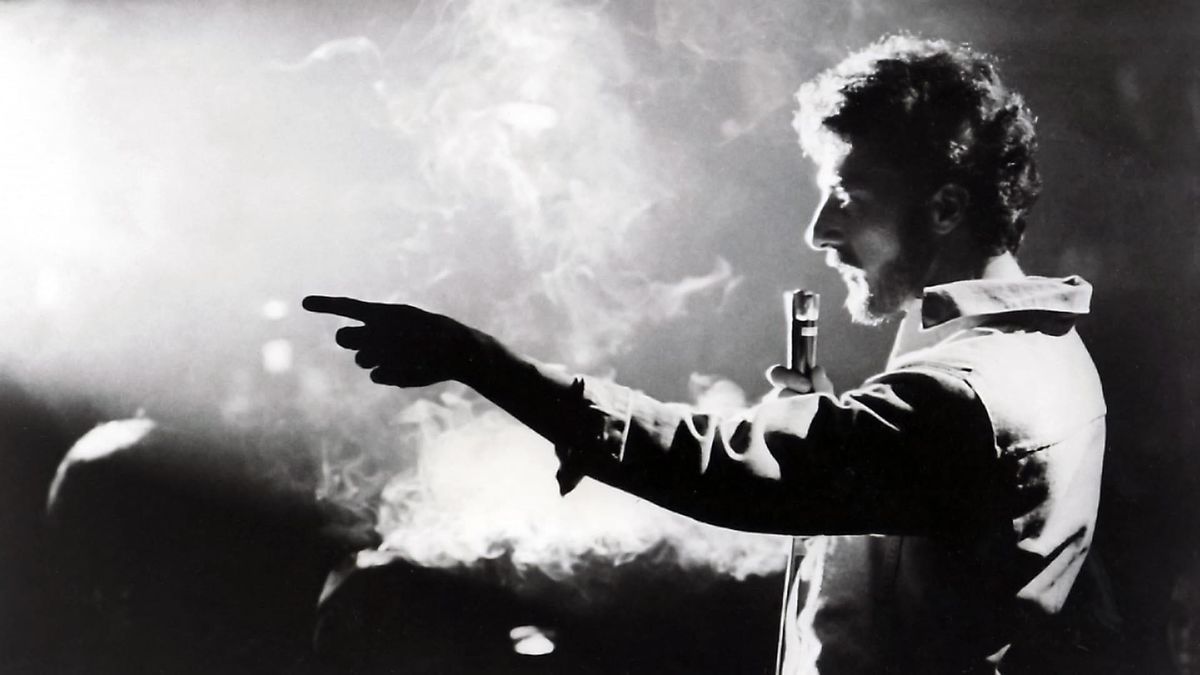
There is something of Lenny Bruce’s rebellious, unorthodox style in Bob Fosse’s 1974 biopic of the comedian’s life which mirrors his own unruly manner, cutting between moments from all across his life and death to confront the difficult legacies left behind in the fight for free speech.

Belfast (2021)

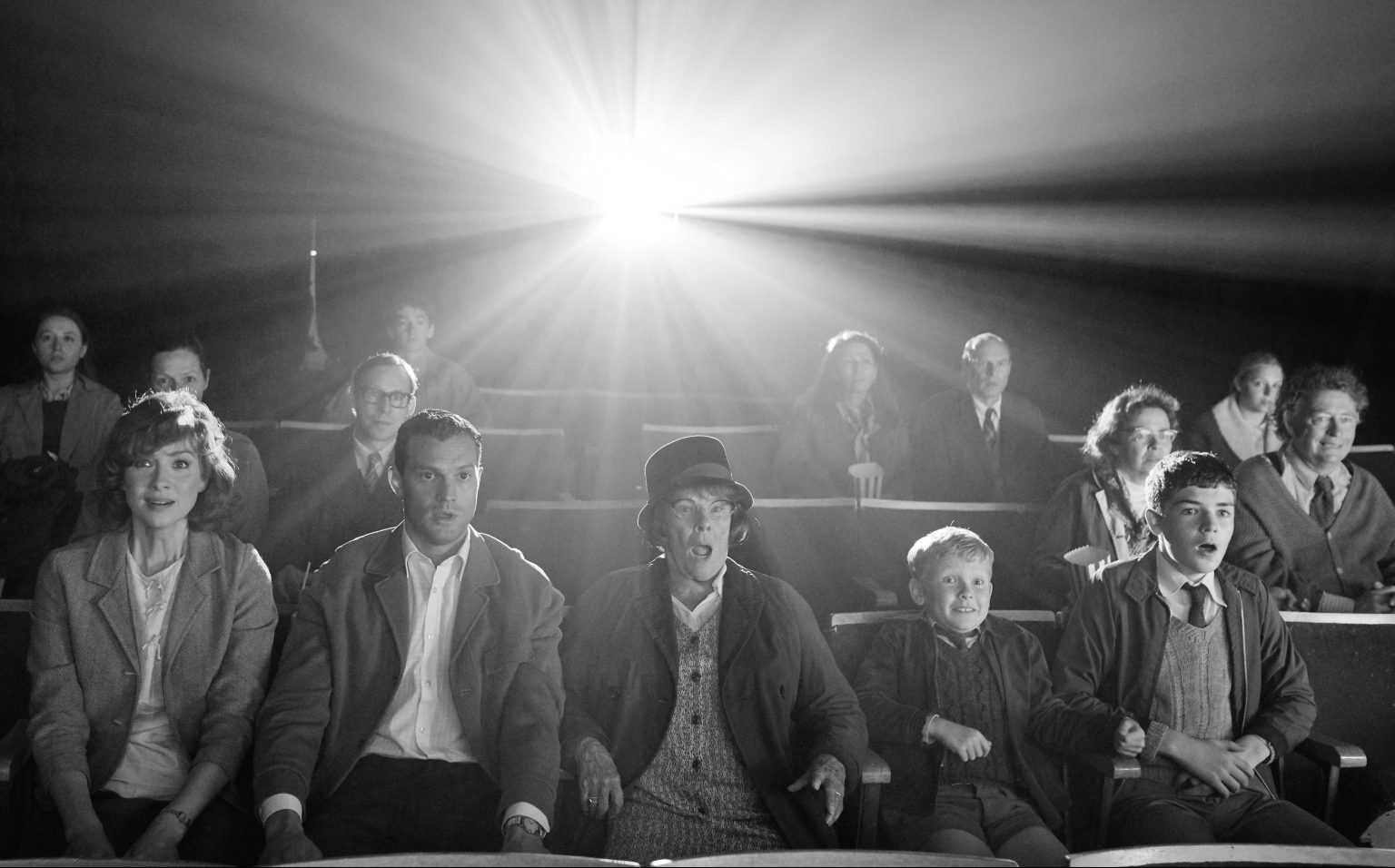
The personal evocations of Kenneth Branagh’s own childhood in Belfast endows this memory piece with a certain level of authenticity, but it is also the emotional nuance that he finds through his elegant camerawork and staging that fully consumes us in young Buddy’s journey, giving endless thanks to those who planted seeds of growth within such inhospitable environments.

A Zed and Two Noughts (1985)

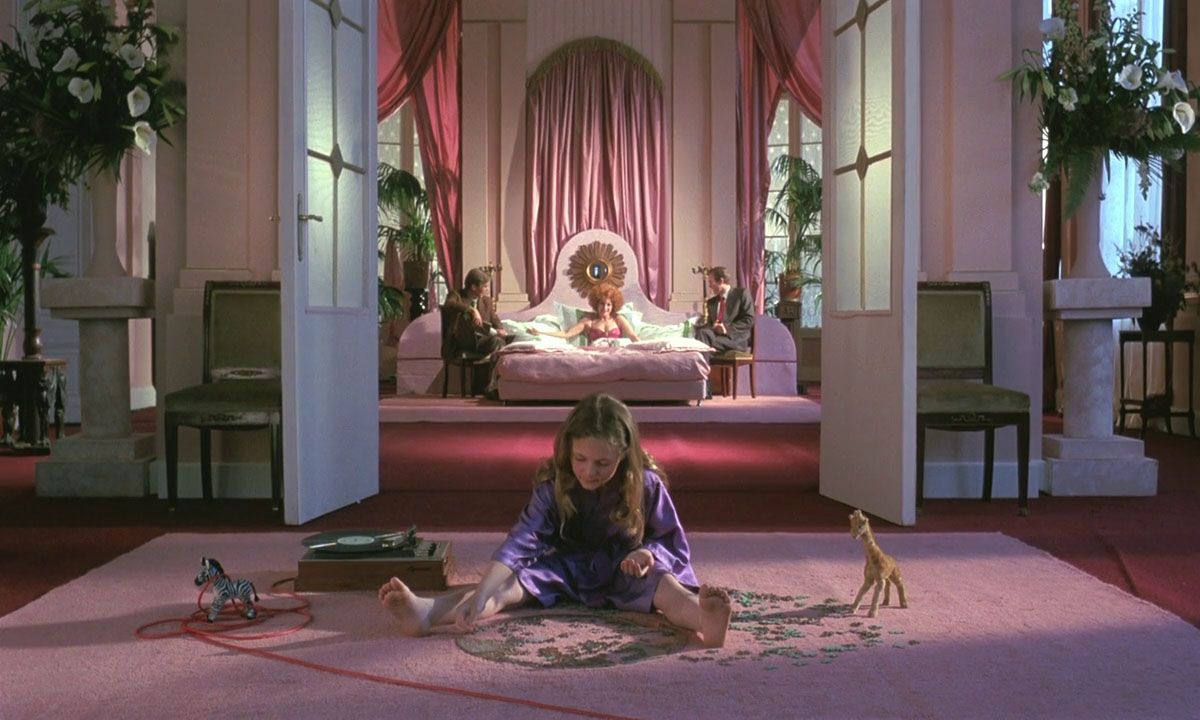
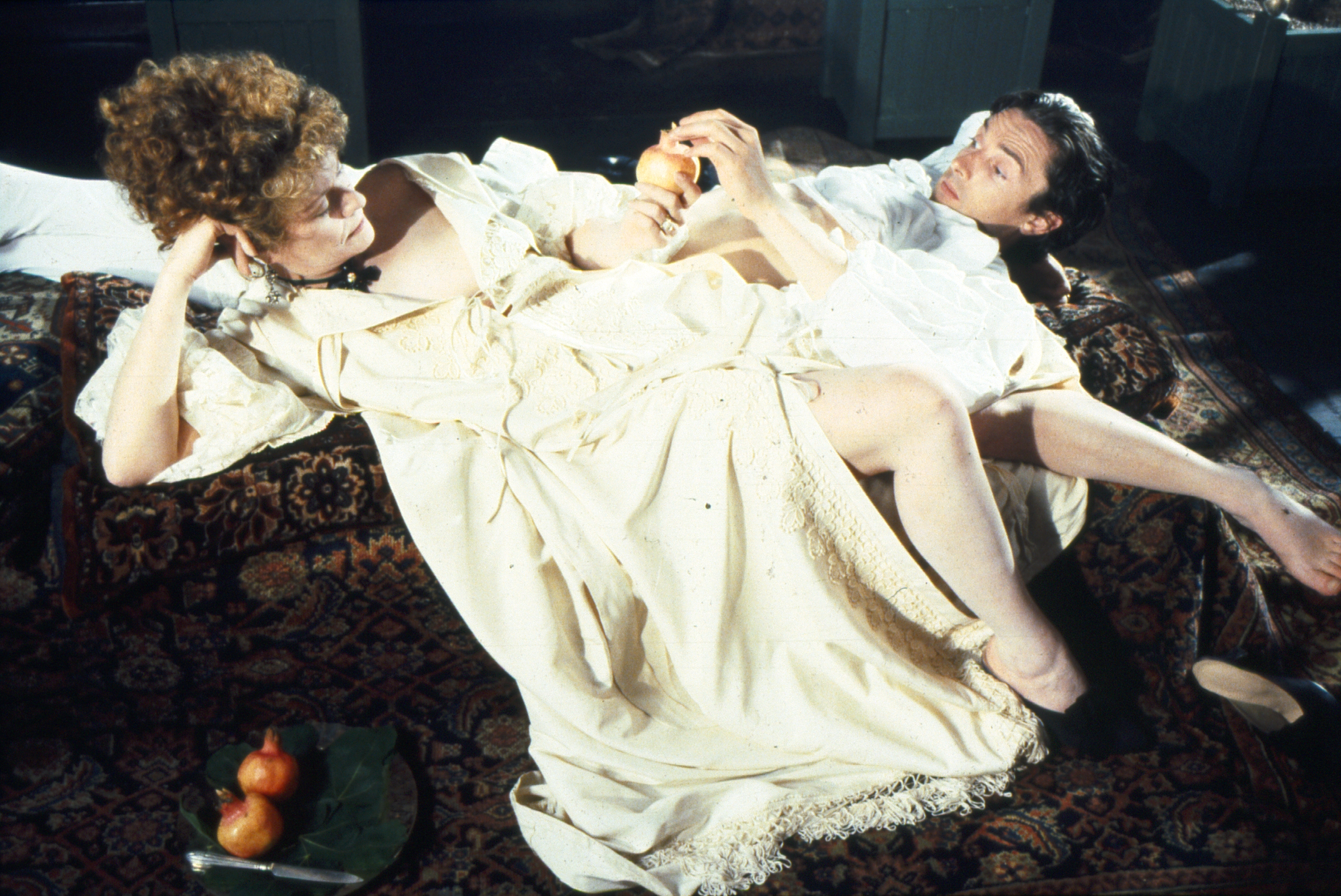
The very structure of A Zed and Two Noughts is marked by a symmetry that Peter Greenaway is compelled to tease all through his colourfully ostentatious mise-en-scène, centring a pair of twin zoologists whose disturbing studies of life and decomposition mirror the film’s own taxonomical obsessions.

The Tragedy of Macbeth (2021)

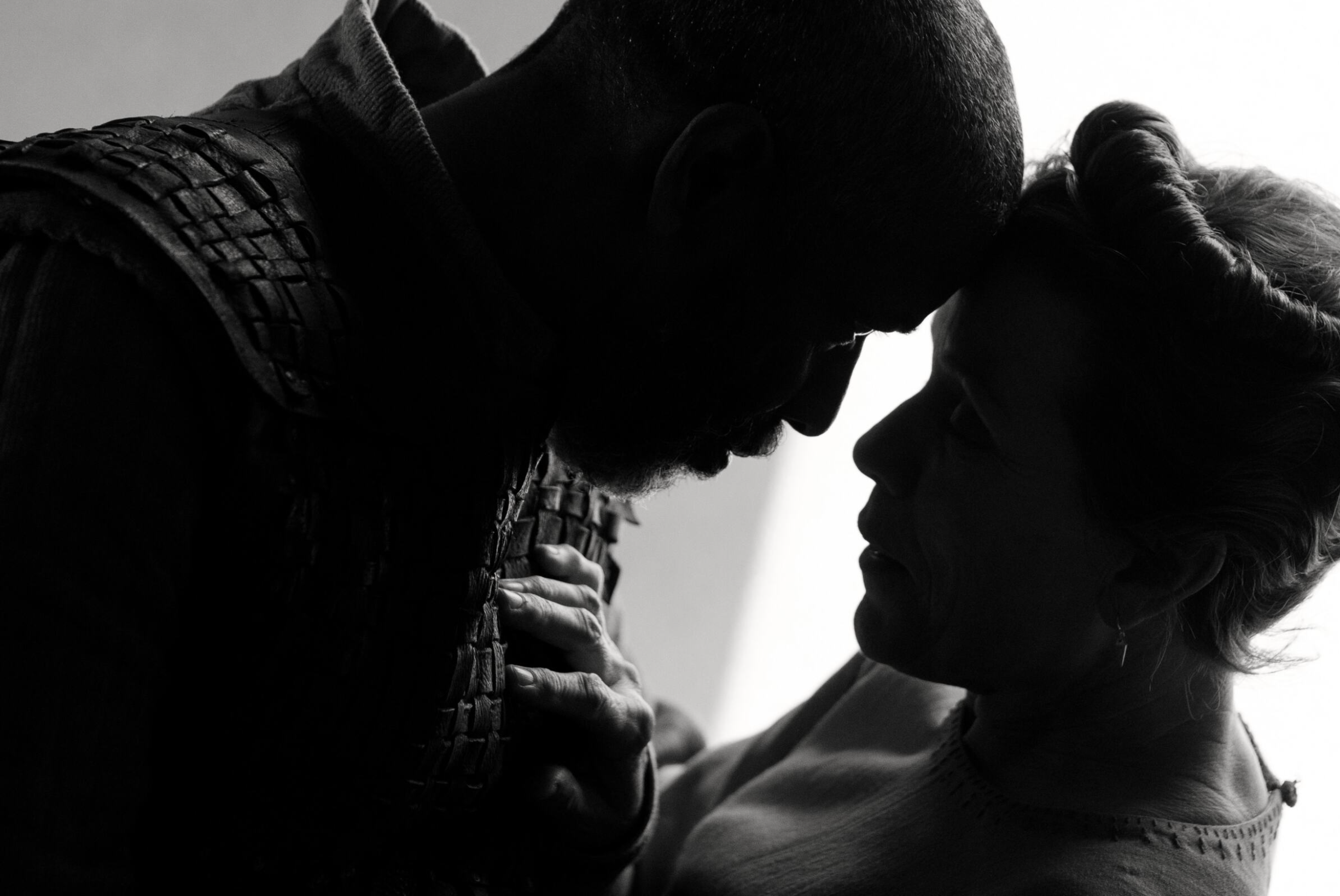
Through the volatile performances of Denzel Washington and Frances McDormand, the imposingly austere sets, and ghostly greyscale cinematography, virtually every minute of The Tragedy of Macbeth feels as if it is teetering on the brink of mortality, attacking existential questions of destiny, chaos, and violence with an artistic precision that remains remarkably in tune with Joel Coen’s own fatalistic fascinations.

Marnie (1964)

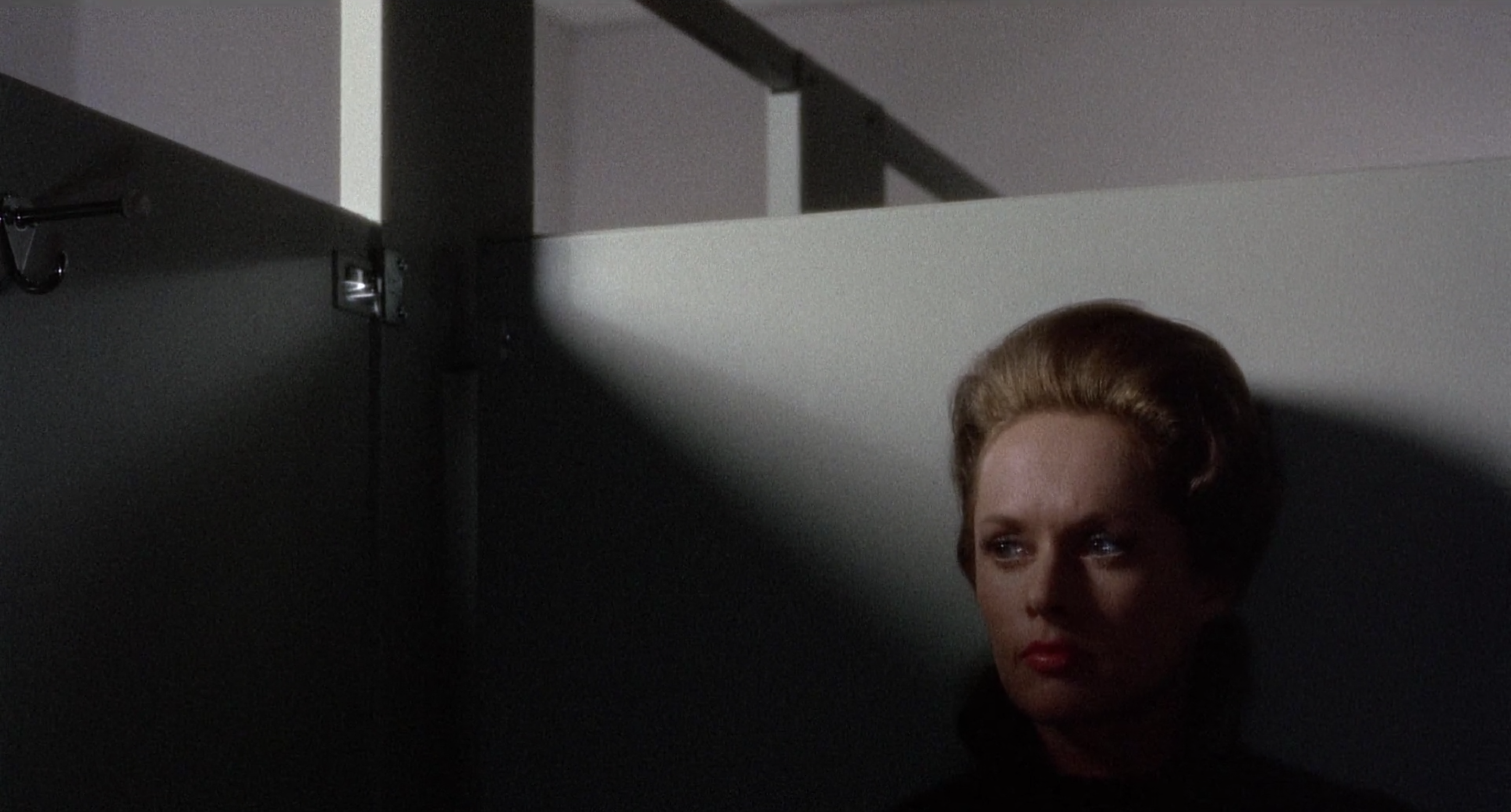
Alfred Hitchcock’s flawed but fascinating unravelling of one of his greatest characters in Marnie weaves a suspenseful mystery of powerful visual motifs through her erratically compulsive behaviour, leading us deeper into her mind to discover what sort of repressed trauma is at the source of it all.

Orlando (1992)

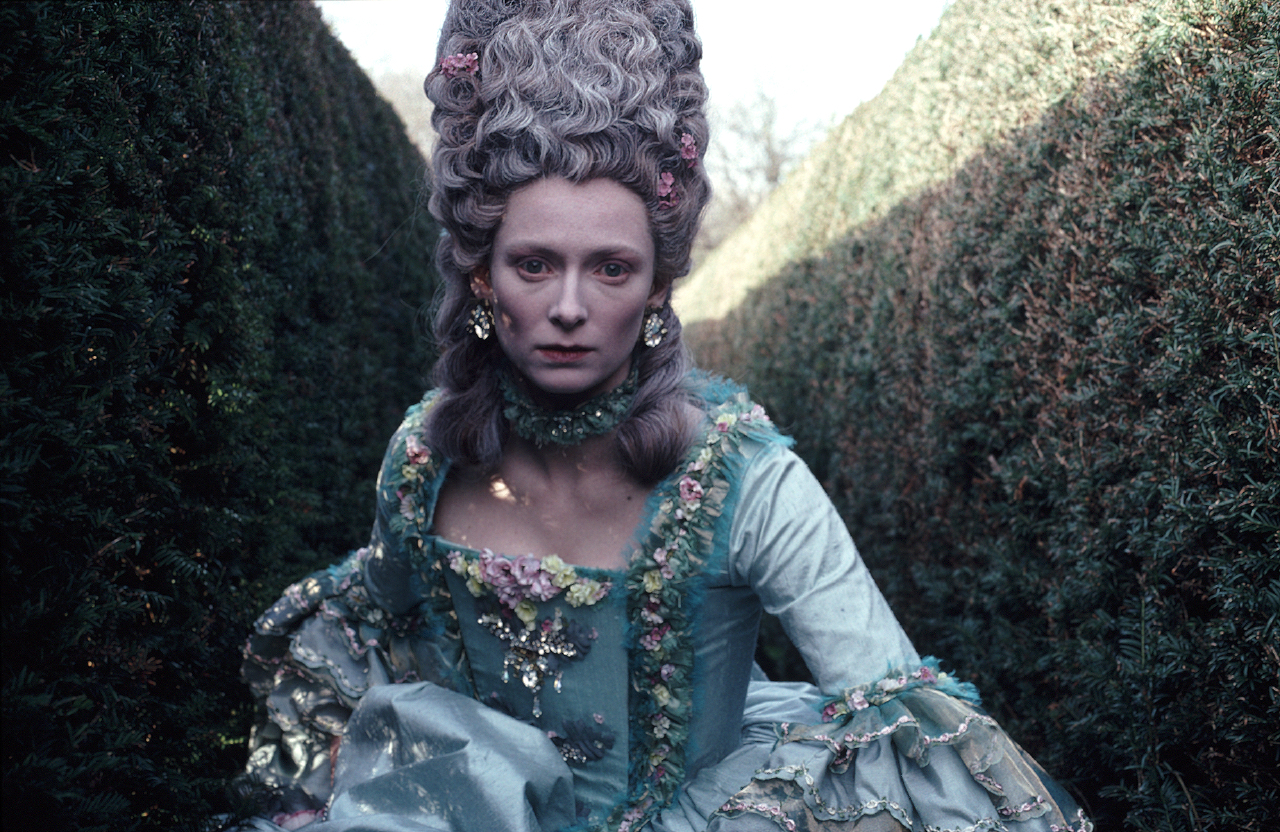
Orlando may be a being of fluidity in their physical appearance and identity, and yet through the centuries of human history that Sally Potter so effortlessly flips through, they are also ironically the only constant, forming a compelling character that might as well have been designed for Tilda Swinton’s strikingly androgynous presentation.

The Eyes of Tammy Faye (2021)

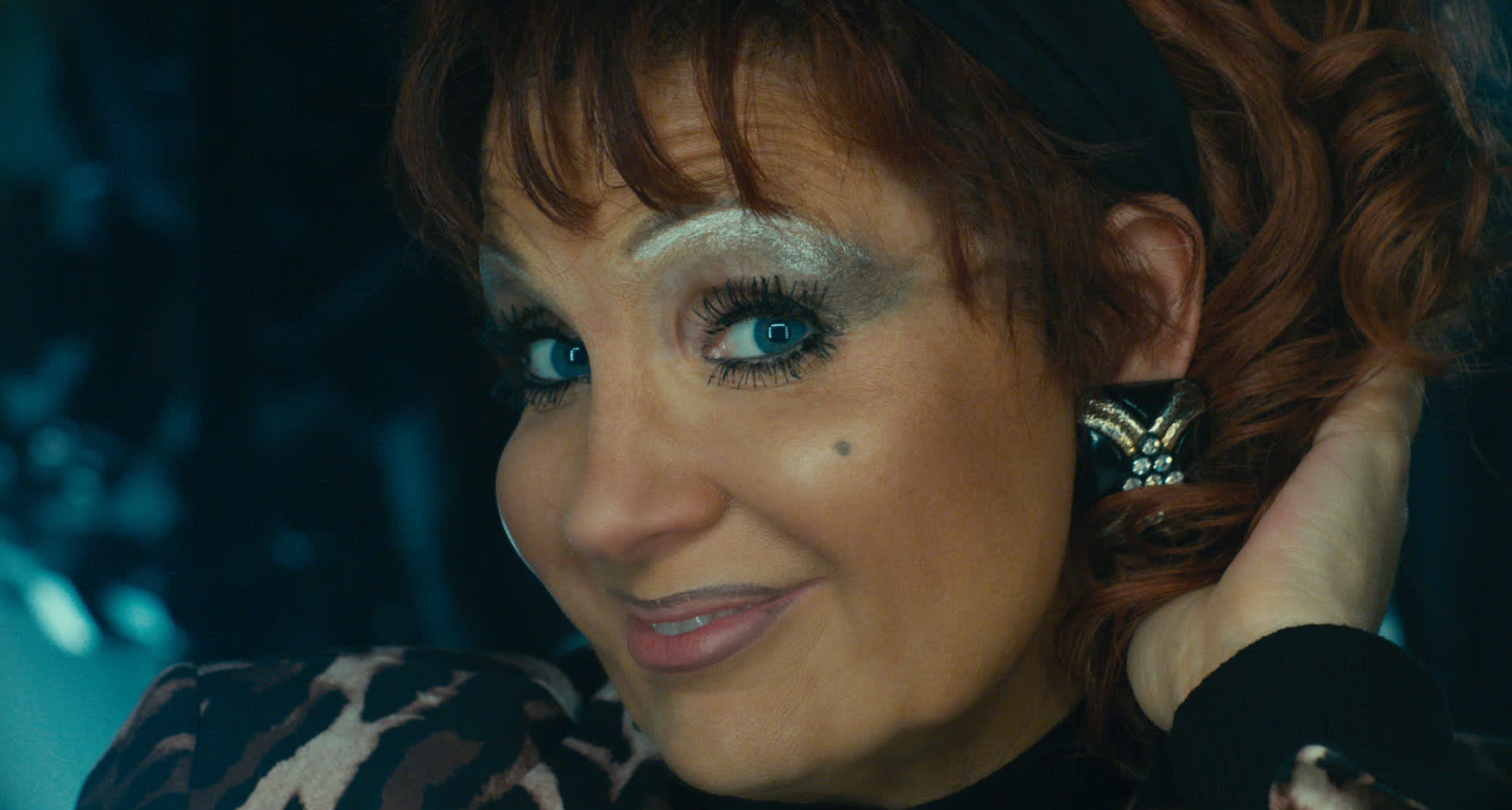
Besides Michael Showalter’s occasional stylistic flourishes of freeze frames and glitzy titles, The Eyes of Tammy Faye is largely a showcase of one remarkable performance from Jessica Chastain, embracing the wholesome perspective of the unorthodox 1970s televangelist brought down by the moral and spiritual failings of her fellow Christians.

The Draughtsman’s Contract (1982)

It is through Peter Greenaway’s playful irreverence and painterly tableaux that the hollow power plays and puzzles of The Draughtsman’s Contract begin to reveal themselves, building out an obscurely Baroque murder mystery that disconcertingly envelops our titular artist in a plot beyond his comprehension.

Spencer (2021)

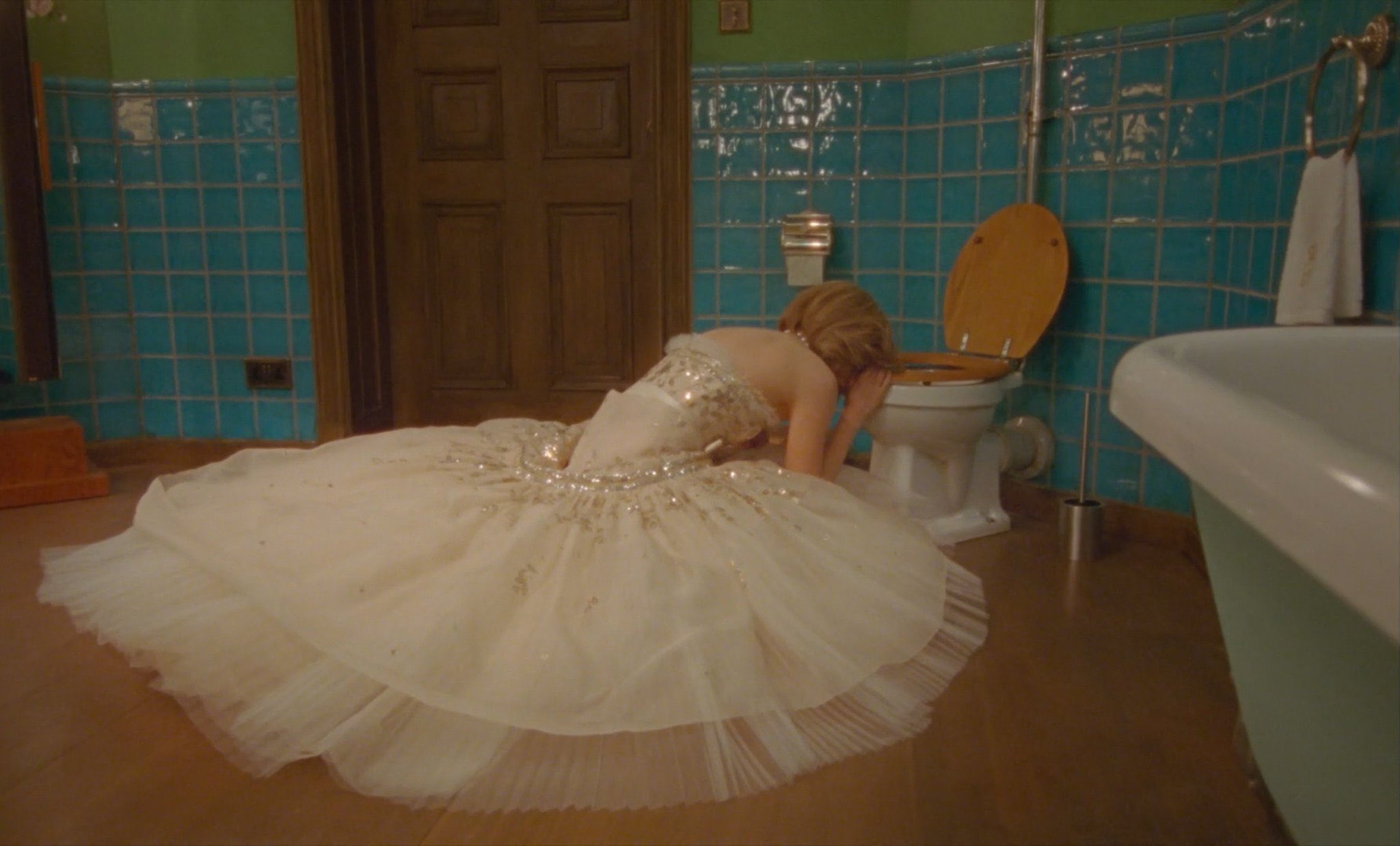
In the stretches of time spent watching Princess Diana quietly unravel in her search for an escape from the British royal family’s country vacation over the course of a few days in 1991, Pablo Larraín crafts a tragically surreal portrait in Spencer of a woman who has not yet died, but who has already departed those worlds she once inhabited.

Scroll to Top