Film Review

Design for Living (1933)

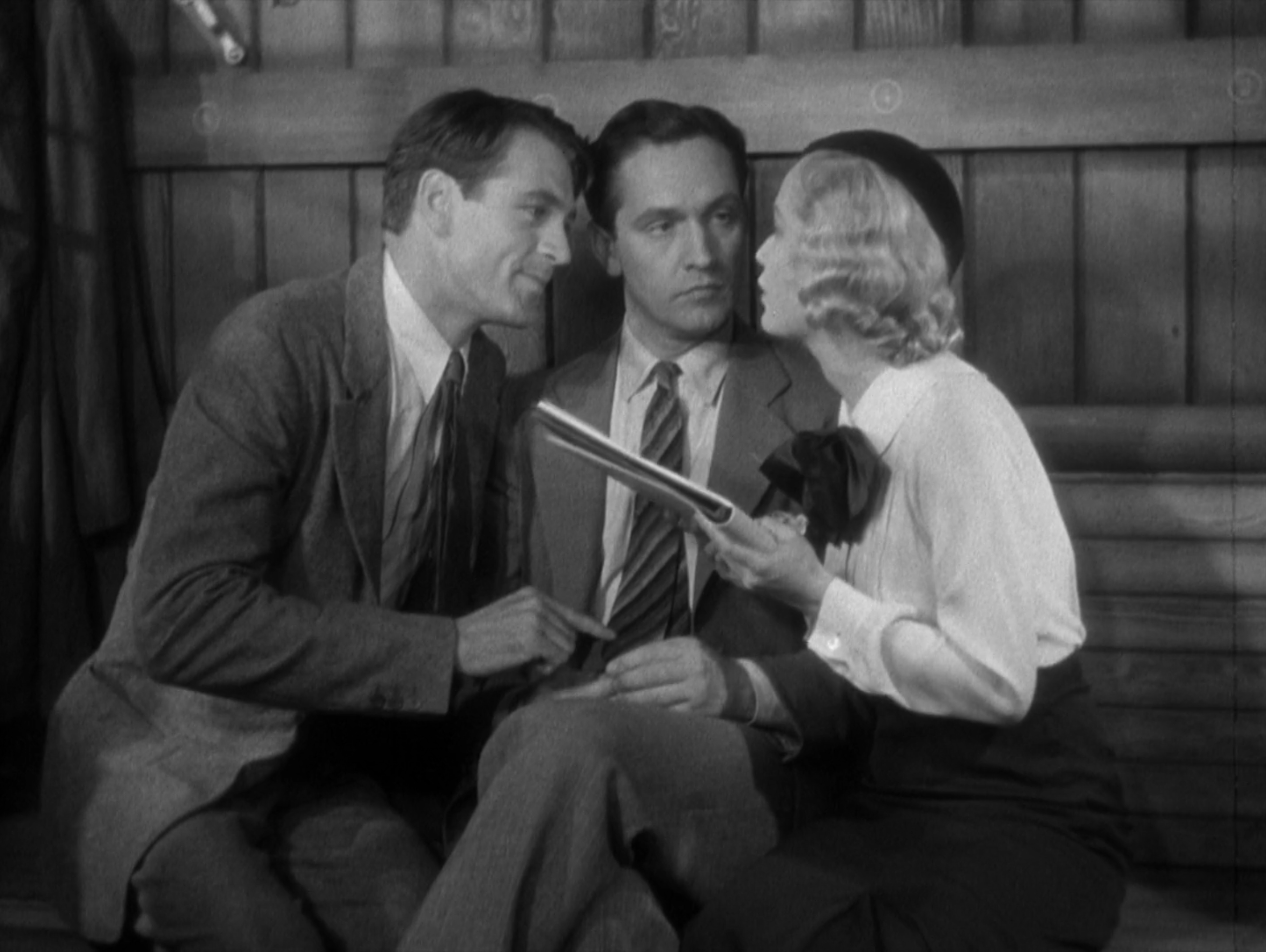
The title Design for Living could be the name of some 1930s instructional manual on how to fit one’s life into a pre-set box, but it is exactly those rigid structures which Ernst Lubitsch shuns in his polyamorous rotating of two men around a single woman, playing out unconventional character dynamics that are as honest as they are comical.

The Witch (2015)

With extensive historical research backing up his authentic vernacular and bleak visual design, Robert Eggers instils a strangely antiquated sort of realism into The Witch, unfolding the disintegration of an exiled Pilgrim family in a colonial American folktale of horrific supernatural occurrences.

Reprise (2006)

Joachim Trier lets the creative sparks of two young aspiring authors enthusiastically fizzle all through Reprise, tantalising us with vivacious Truffautian editing constantly leaping beyond the immediate narrative, and weaving in novelistic qualities that seek to understand his characters the way they might ultimately one day write about themselves.

Certified Copy (2010)

Abbas Kiarostami’s sleight of hand in Certified Copy is tremendously subtle, quietly swapping out key details of two strangers’ friendly, sparring relationship until they become something else entirely, and confounding us with a metaphysical shift in reality that ponders how authenticity can be drawn from emotional expressions and artefacts that aren’t truly original.

Léon: The Professional (1994)

The dramatic interactions between a lonely hitman and an orphaned girl in Léon: The Professional are equal parts thrilling, heartfelt, and thorny, as in her bitter pursuit of vengeance Luc Besson also seeks to resolve the question – what does it take for a man who surrounds him with death to develop a taste for life?

La Haine (1995)

Even after the explosions of violence in La Haine’s riots and beatings, resentment continues to simmer between the police and immigrants of Paris’ outer suburbs, fizzling with an indignant anger infused right into Mathieu Kassovitz’s aggressive cinematic style and forming a monochrome portrait of aching social realism around three disillusioned youths.

Petite Maman (2021)

There is great value in the parent-child relationship depicted in Petite Maman, but Céline Sciamma also recognises it does not need to be restricted to those rigid roles either, playing out a fantastical wish fulfilment of a young girl meeting her mother at the same age and together revelling in childhood, sharing the joys and pains that come with seeing one’s past and future.

A History of Violence (2005)

Within A History of Violence’s interrogations of humanity’s ravenous self-destruction, David Cronenberg skilfully crafts a biblical allegory from one humble diner owner’s confrontation with his shameful past, visiting the sins of fathers upon their children with chilling brutality.

After Yang (2021)

As a grieving family ponders the recorded recollections of their broken robotic son in After Yang, Koganada forms a poignant commemoration of those complex lives that exist just beyond our periphery, studied and savoured through the refractive lens of memory where old ideas find new life in the present.

Everything Everywhere All At Once (2022)

The implicit promise made in the title Everything Everywhere All at Once is about as equally ambitious as it is precarious, setting up a maximalist piece of cinema that flits across alternate universes, wildly fires off montages, and deals in absurd, genre-blending humour, pondering the relative value of individuality within the grand scope of existence.

Scroll to Top