1990s

The Thin Red Line (1998)

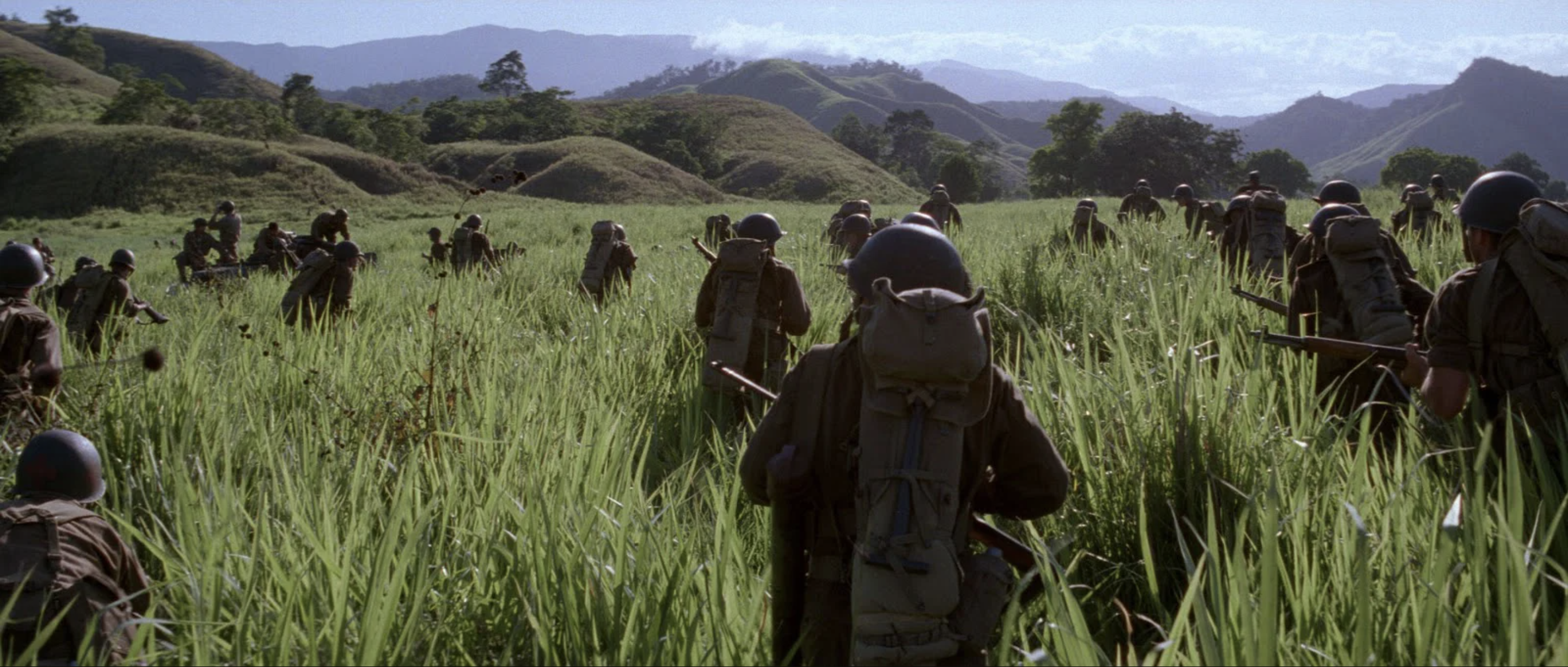
There is a jarring contrast between Terrence Malick’s violent imagery and his affecting spiritual expressions in The Thin Red Line, but it is exactly this disparity upon which he hinges his condemnation of war as an ugly stain on the natural world, playing out the human struggle between dominance and grace through stirring, lyrical rhythms.
Delicatessen (1991)

Within Delicatessen’s grotesque, dystopian France that sees a butcher kill his neighbours to sell their meat, Jean-Pierre Jeunet and Marc Caro construct a meticulously expressionistic world of absurdly outlandish set pieces which, while unsettling in their Gothic visage, savour the traces of whimsy that exist on the verge of extinction.

A Brighter Summer Day (1991)

Edward Yang’s mastery over cinematic realism is absolutely essential to the heartrending authenticity of A Brighter Summer Day, carefully examining the overlooked tragedies of Taiwan’s modern history through a lens that seeks genuine understanding of its aching sorrow, and exploring the many facets of its social strife in virtually every frame.

Light Sleeper (1992)

The guilty paradox of lamenting New York City’s moral decay while actively contributing to its degradation as a drug dealer eats away at insomniac John LeTour in Light Sleeper, and within Paul Schrader’s complex character study of shame and atonement, it evolves into a self-aware melancholy, reconsidering the unsavoury direction his life has taken.

Léon: The Professional (1994)

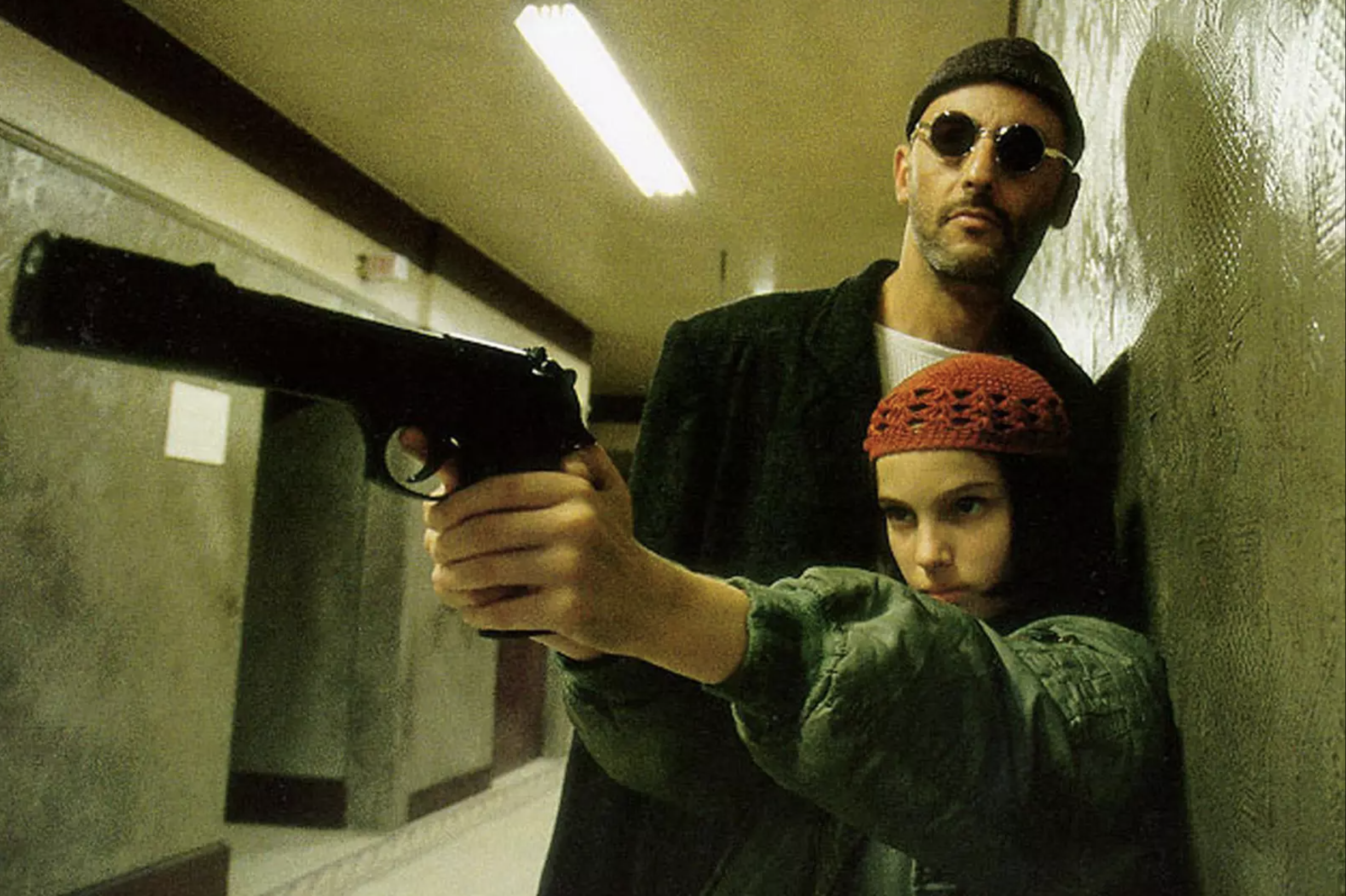
The dramatic interactions between a lonely hitman and an orphaned girl in Léon: The Professional are equal parts thrilling, heartfelt, and thorny, as in her bitter pursuit of vengeance Luc Besson also seeks to resolve the question – what does it take for a man who surrounds him with death to develop a taste for life?

La Haine (1995)

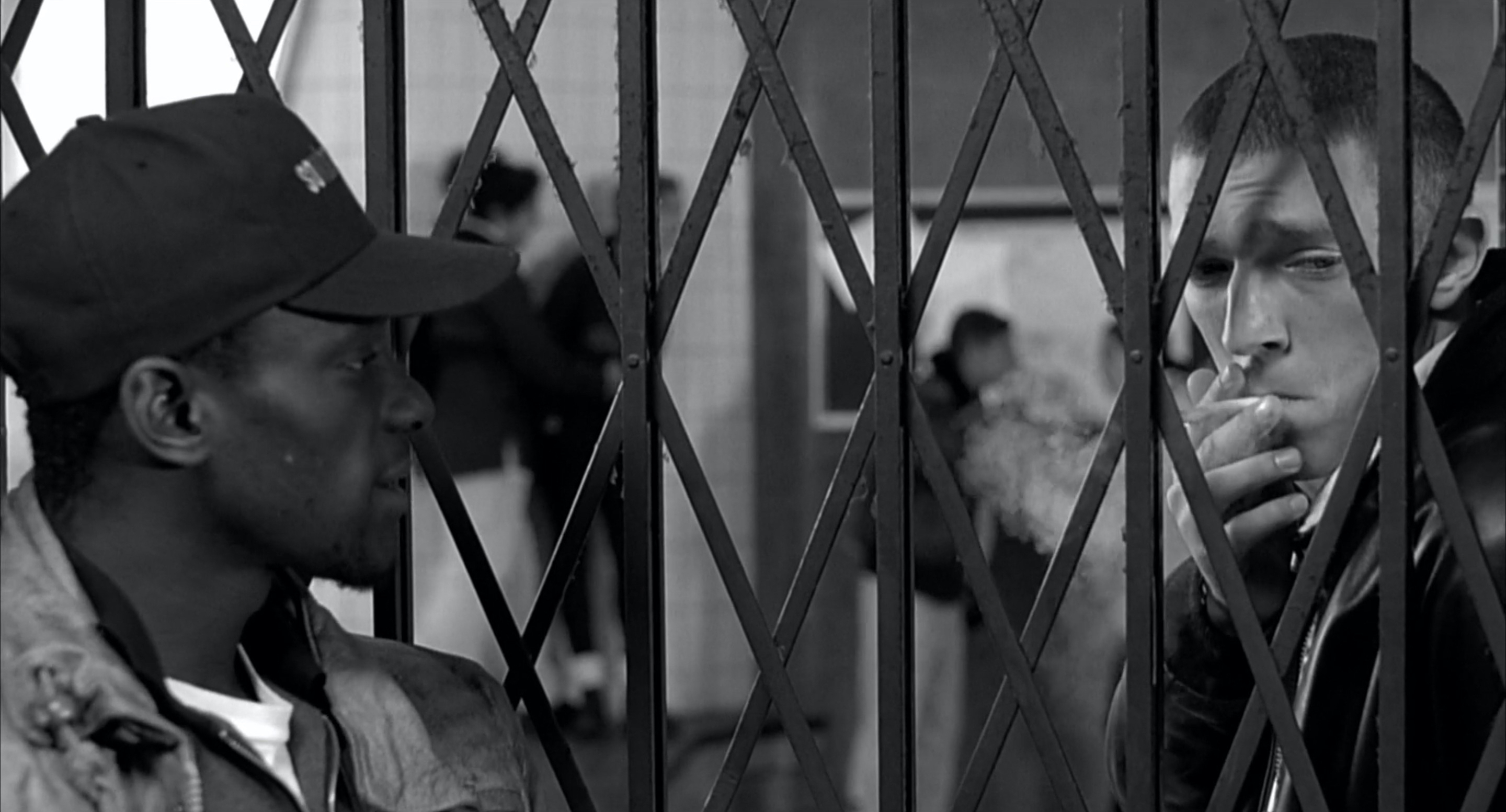
Even after the explosions of violence in La Haine’s riots and beatings, resentment continues to simmer between the police and immigrants of Paris’ outer suburbs, fizzling with an indignant anger infused right into Mathieu Kassovitz’s aggressive cinematic style and forming a monochrome portrait of aching social realism around three disillusioned youths.

Three Colours: Red (1994)

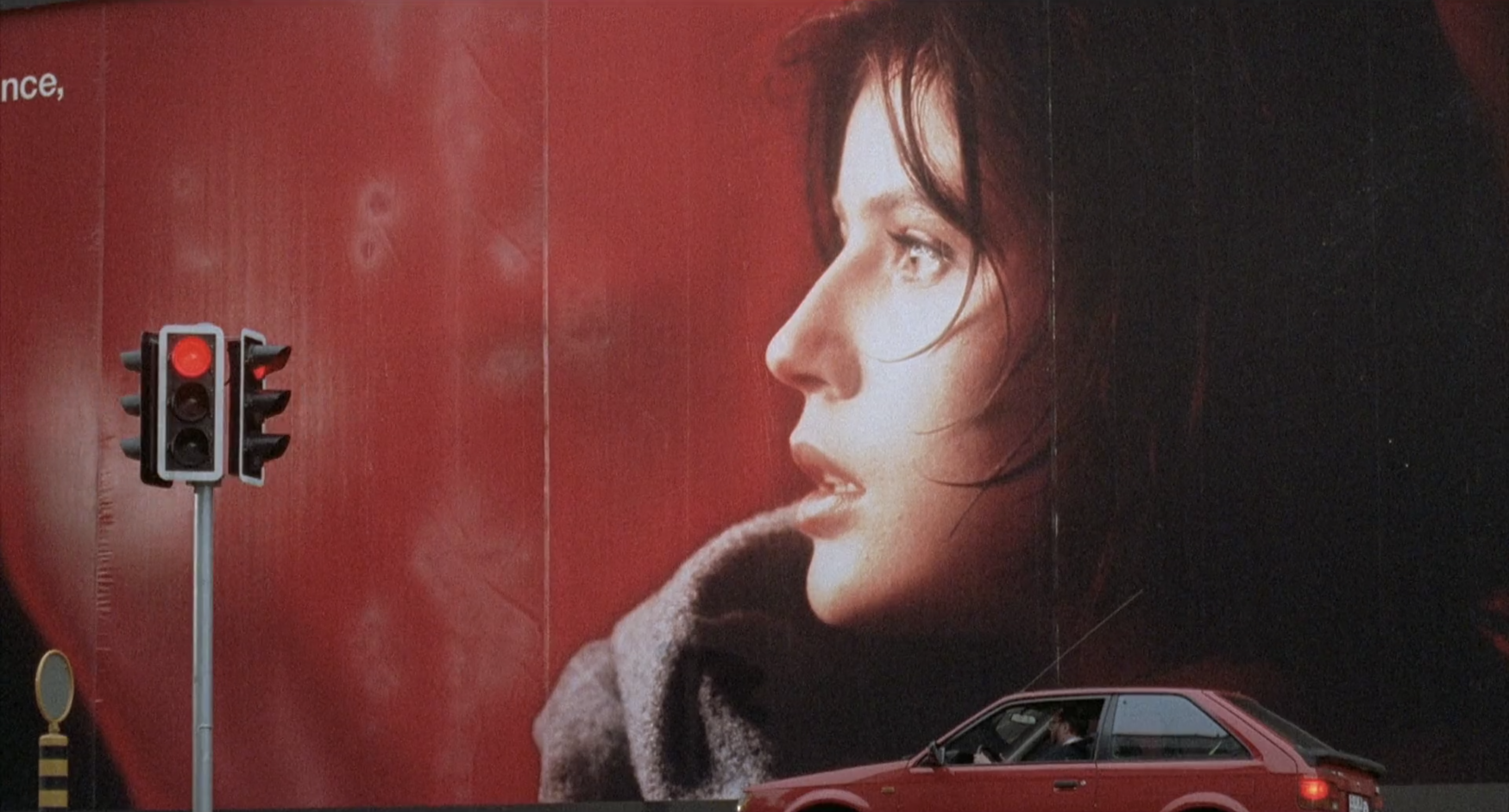
Krzysztof Kieslowski lays heavily into the dramatic irony of his characters’ hidden interconnections in Three Colours: Red, saturating his beautiful mise-en-scene with a fiery warmth that unites neighbouring strangers in an invisible fraternity, their intertwining paths governed only by the irrational whims of chance.

Three Colours: White (1994)

Krzysztof Kieslowski’s dazzlingly light tones seek to visually restore neutrality and balance where neither can be found in Three Colours: White, lending a soft edge to the vaguely comical sensibilities of one man’s attempt to claw his way back up the ranks of society and pursue justice against his ex-wife.

Three Colours: Blue (1993)

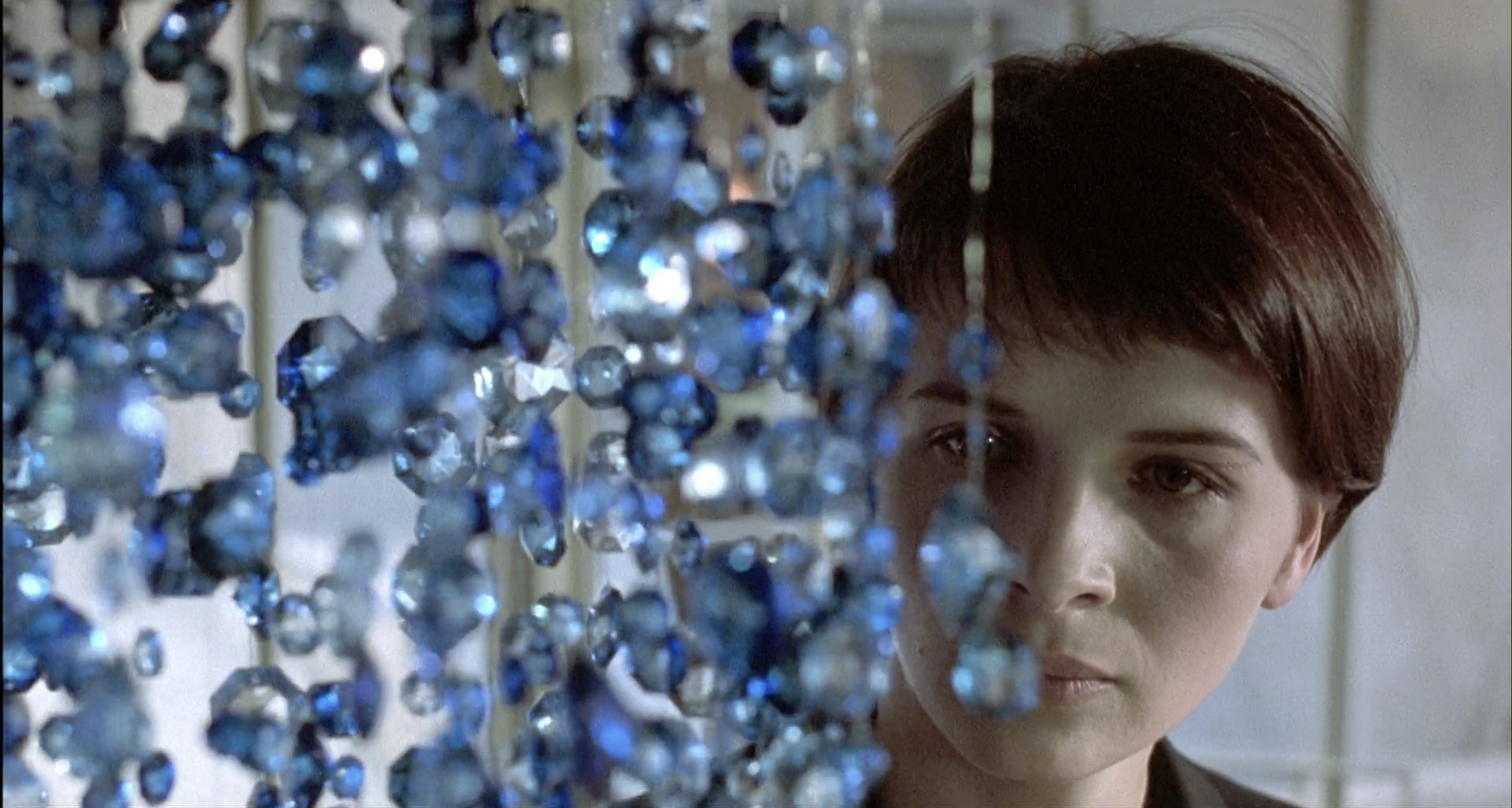
The rich azure palette that pervades Three Colours: Blue in every shade imaginable beautifully sinks the film into a deep melancholy, as Krzysztof Kieslowski examines one young widow’s attempt to find emotional liberty from the ghosts of past traumas which continue to haunt her musically and psychologically.

Rushmore (1998)

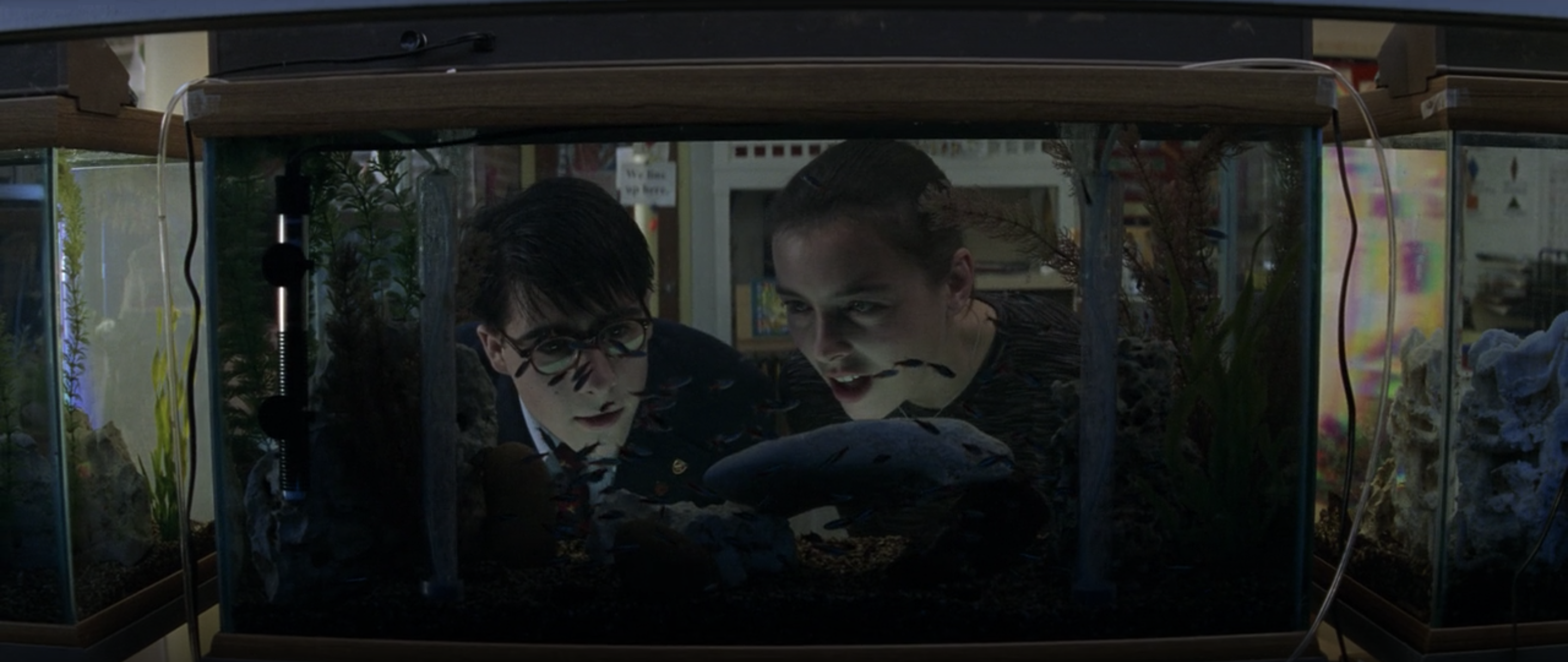
There may not be a single Wes Anderson character more suited to his highly-curated affect than Max Fischer, as the slightly autobiographical characterisation of this ambitious school student imprints a comically organised style and structure upon Rushmore that matches the young filmmaker’s own idiosyncratic precision.

Scroll to Top