1970s

1900 (1976)

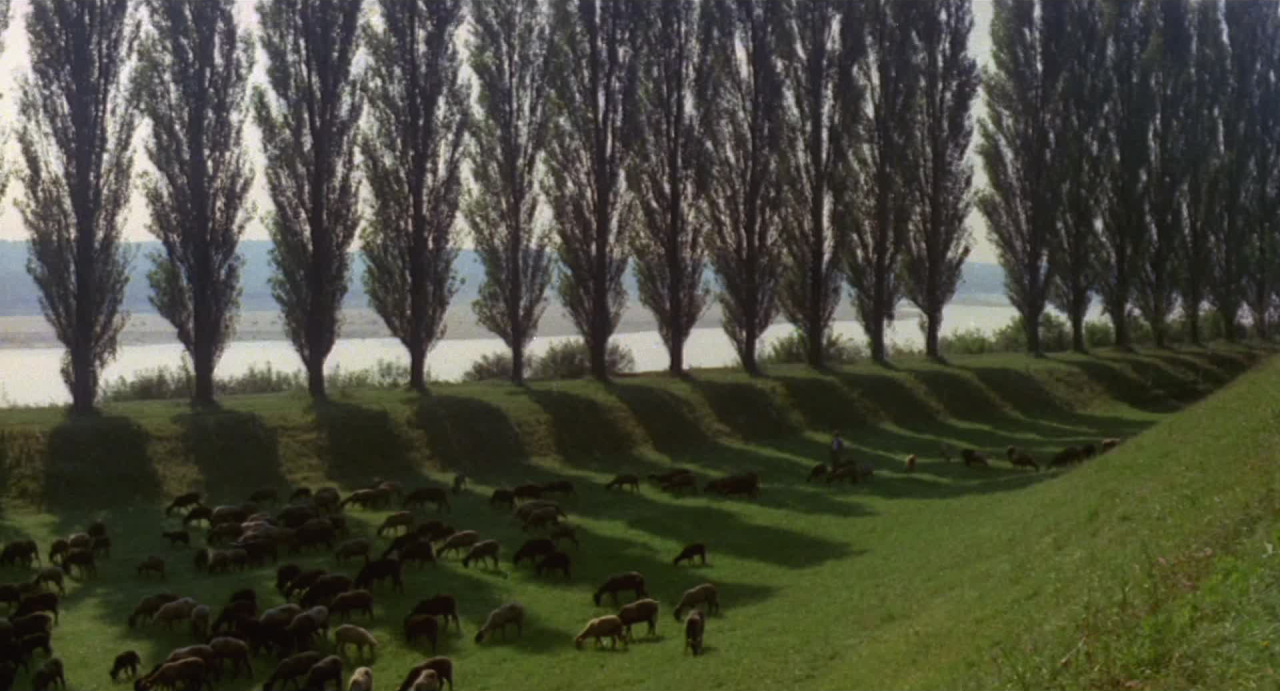
Bernardo Bertolucci’s bold artistic statement on the eternal struggle between fascism and socialism comes full circle in his period epic 1900, echoing formal patterns across the lives of two friends from opposing sides of the class divide, and landing the full weight of their intrinsic connection as operatically as the decades of Italian interwar history they represent.

The Man Who Fell to Earth (1976)

The title The Man Who Fell to Earth may suggest a science-fiction tale of great wonder, but in skilfully piecing together an eccentric array of montages, flashbacks, and cutaways, Nicolas Roeg seeks to understand David Bowie’s androgynous extra-terrestrial from a more sociological perspective, literalising the alienation felt by citizens of a material, modern world.

Husbands (1970)

As the title Husbands might suggest, wives are largely absent from the efforts of these emotionally inept men to deal with the repressed grief of losing a friend, thereby letting John Cassavetes’ plotless realism and intrusive camera uncomfortably linger on its exhausting portrait of middle-aged, toxic masculinity.

Cabaret (1972)

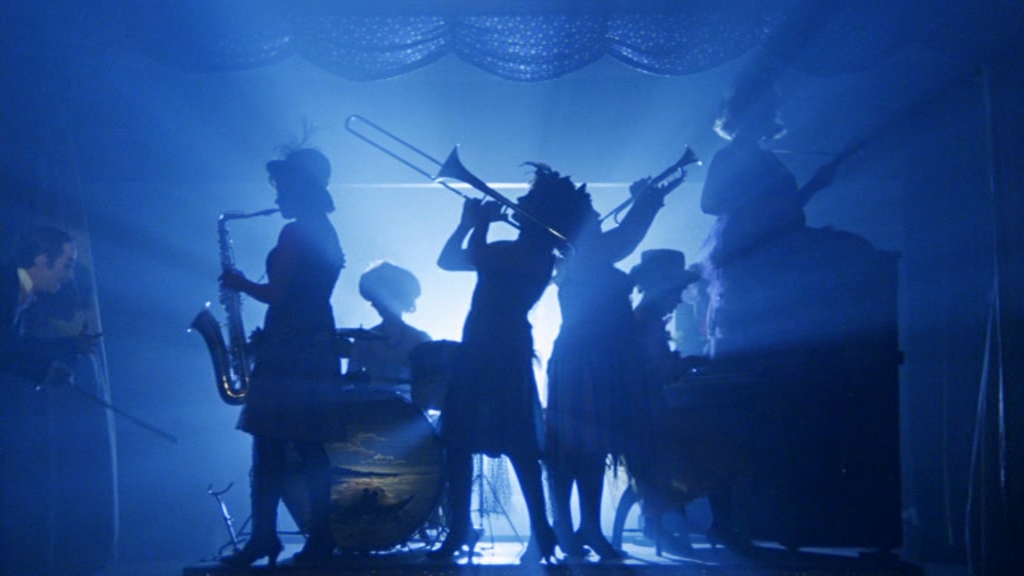
For the bohemian misfits of Cabaret, it is easy enough to believe that the Kit Kat Club is a safe refuge to escape the angry politics of 1930s Germany, but as Bob Fosse skilfully intercuts its musical numbers with scenes of hope, love, and violence, we discover the chilling tension that exists between the dwindling escapism of one subculture and the burgeoning totalitarianism of another.

The Parallax View (1974)

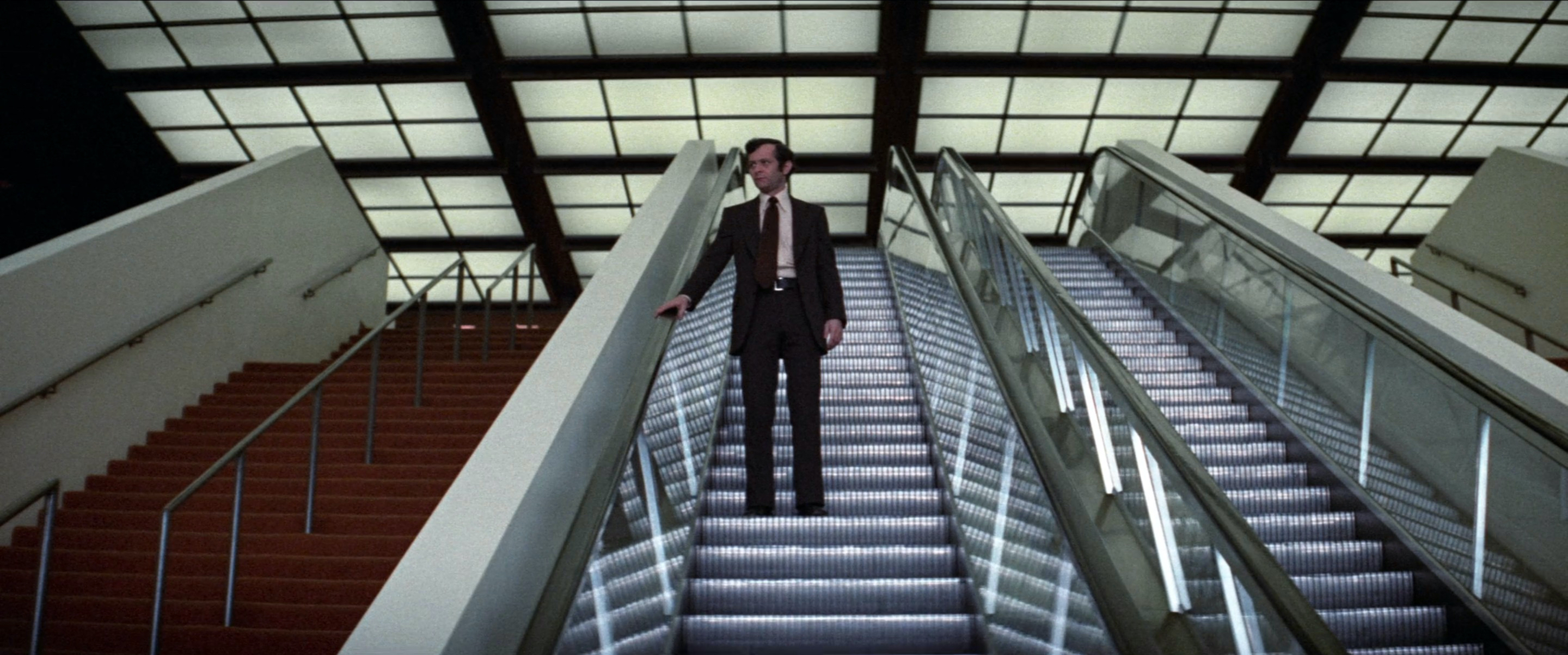
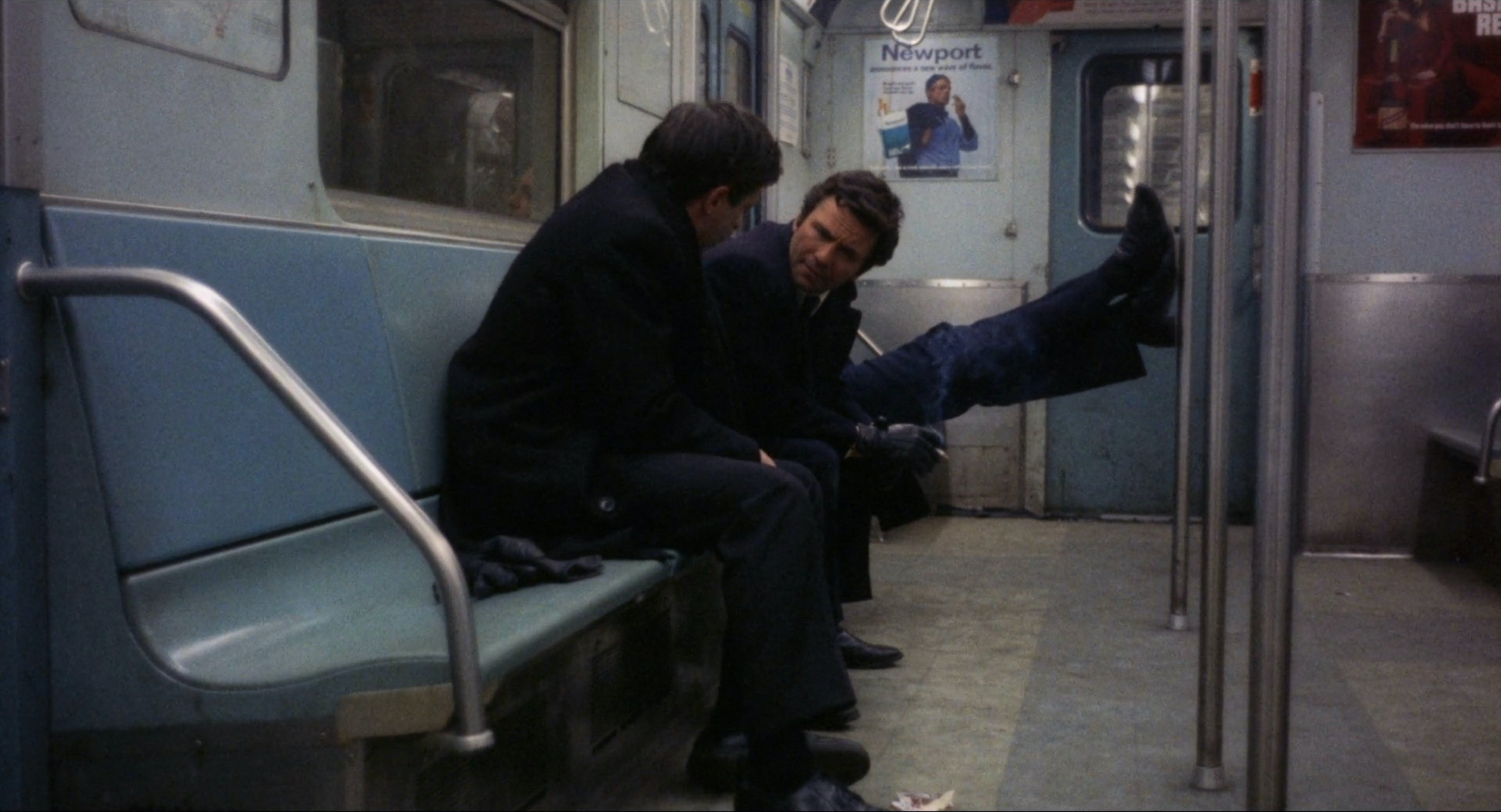
In conceiving of a shady corporation that turns lonely men into political assassins in The Parallax View, Alan J. Pakula takes full control of the prying investigations and double crosses driving his tightly-wound narrative, letting his camera linger on those sinister, dark spaces that conceal the puppet strings manipulated by faceless elites.

Trafic (1971)

Trafic may not possess the sheer ambition of Jacques Tati’s previous films, but his resourcefulness remains remarkable, uncovering rich satire in recognising that the attempts of drivers trying to get somewhere while helplessly sitting in stagnant crowds of high-tech, metal boxes may be the ultimate paradox of an inept modern society.

The Last Picture Show (1971)

It might be a barren beauty which infests the deteriorating Texas oil town of The Last Picture Show, but as we grow to understand the small lives and histories dotted through its community, Peter Bogdanovich also sensitively paints it out as a tactile landscape of feeble dreams and disappointments.

Camera Buff (1979)

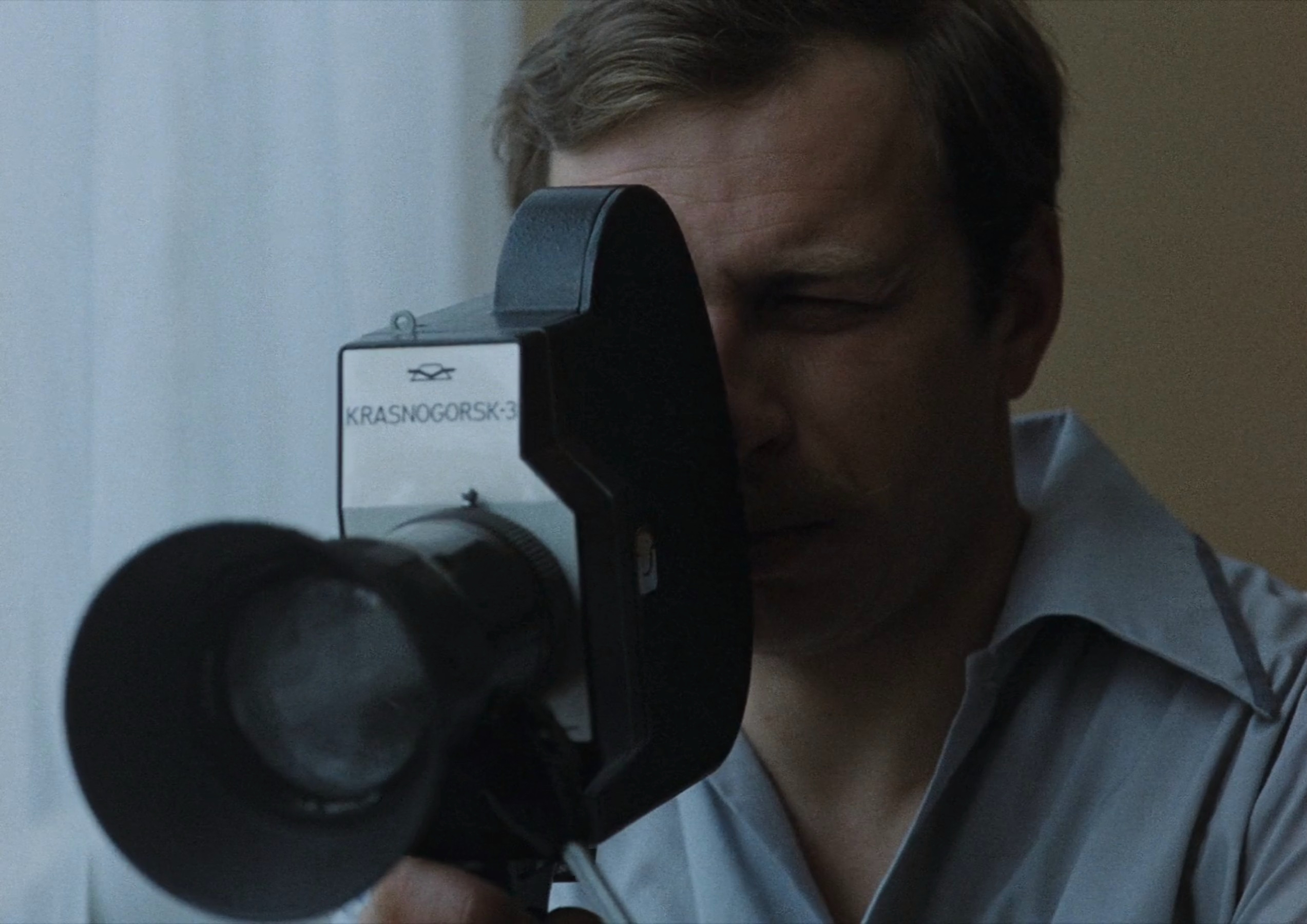
Polish factory worker Filip first picks up his camera to film the birth of his daughter, but as he grows more ambitious throughout Camera Buff, Krzysztof Kieslowski turns his tale into one of calloused obsession and denial, seeing the aspiring documentarian point his lens at everyone but himself in an effort to avoid examining his own shortcomings.

The Scar (1976)

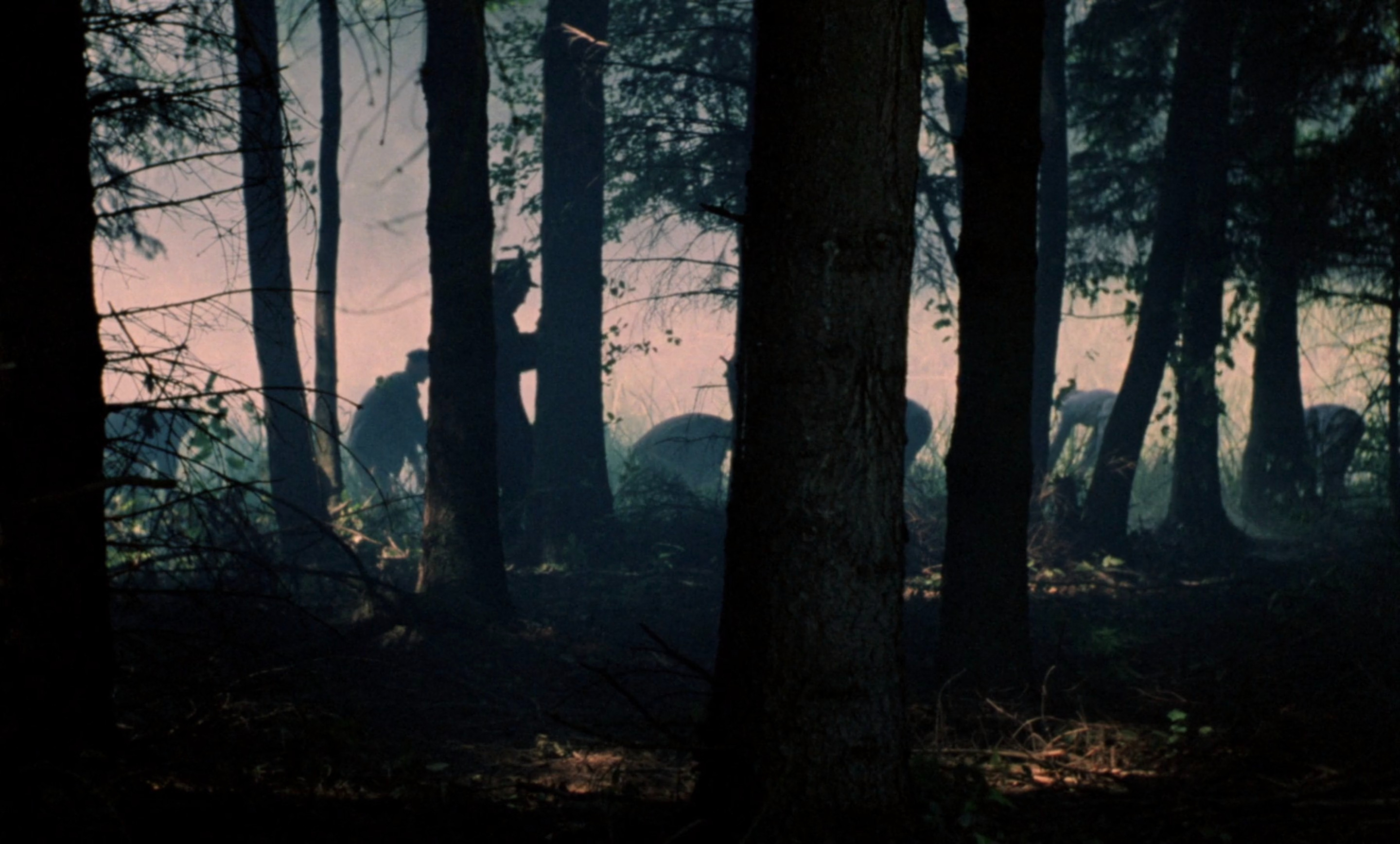
Relative to Krzysztof Kieslowski’s great masterpieces of the 80s and 90s, The Scar is a modest piece of social realism, grounded in the details of Communist Poland’s bureaucracy and its controversial small-town development of a chemical factory that challenges one sympathetic Party member’s hopeful ideals.

Aguirre, the Wrath of God (1972)

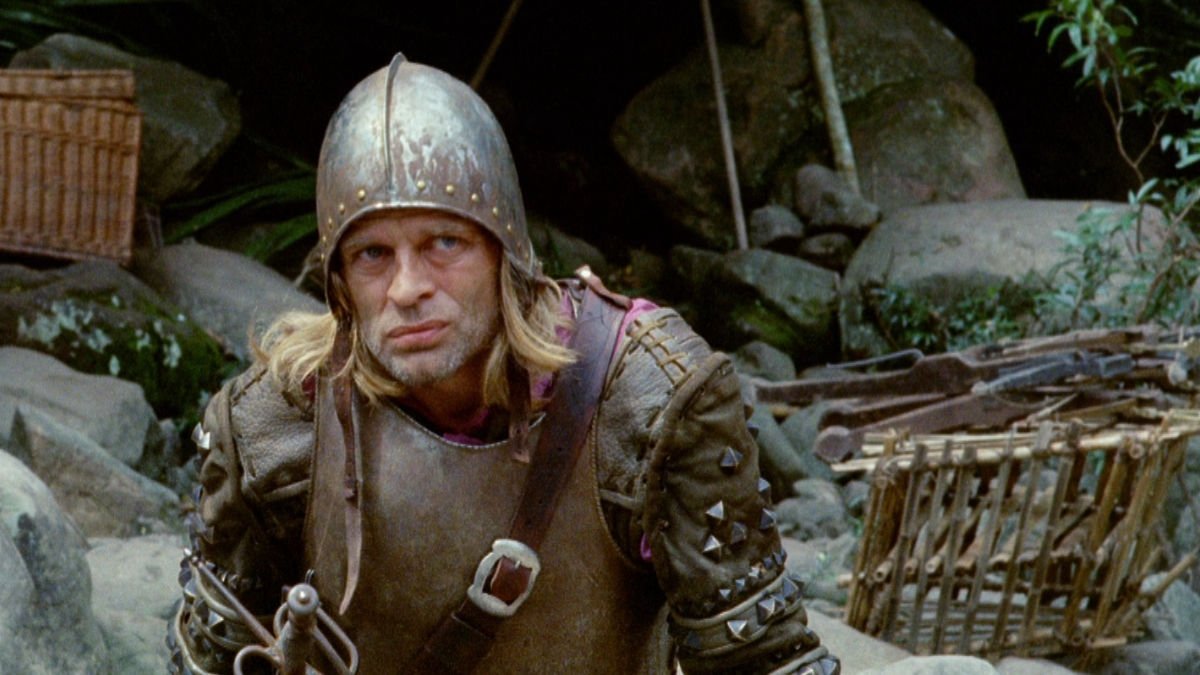
Nature has never been so frightening nor humanity so stubbornly delusional as they are in Aguirre, the Wrath of God, as Werner Herzog’s disorientating camerawork and breath-taking cinematography of the Peruvian wilderness loses us in the absurd quest of 17th century Spanish conquistadors to find the fabled country of El Dorado.

Scroll to Top