1930s

Manhattan Melodrama (1934)

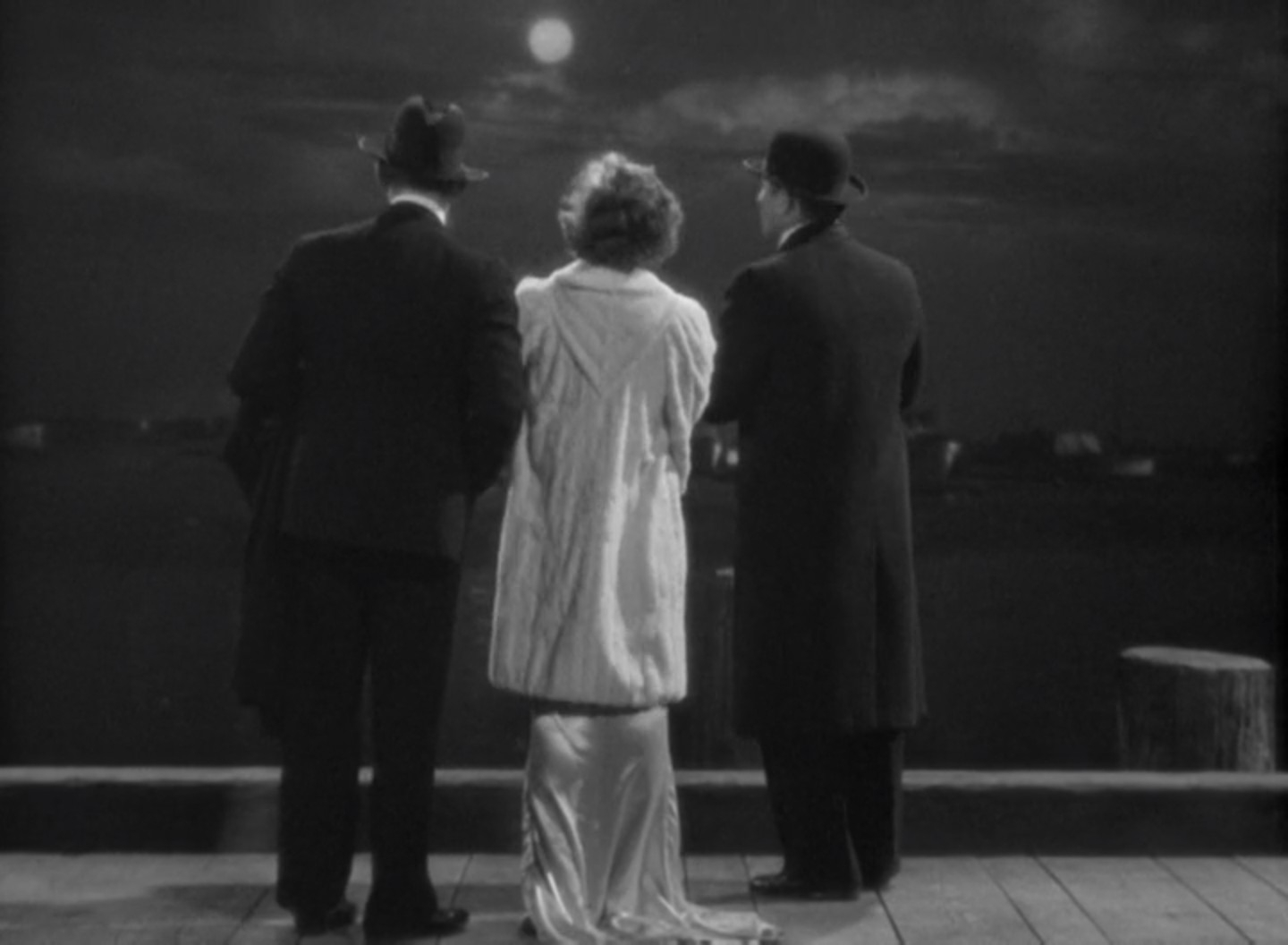
Tragedy marks the beginning and end of the brotherly love between Blackie and Jim in Manhattan Melodrama, touchingly binding them together as soulmates destined for incompatible lives on either side of the law, and by crafting such robust formal connections between them, W.S. van Dyke draws out a pair of internal struggles forcing them to confront their own principles and loyalties.
Young Mr Lincoln (1939)

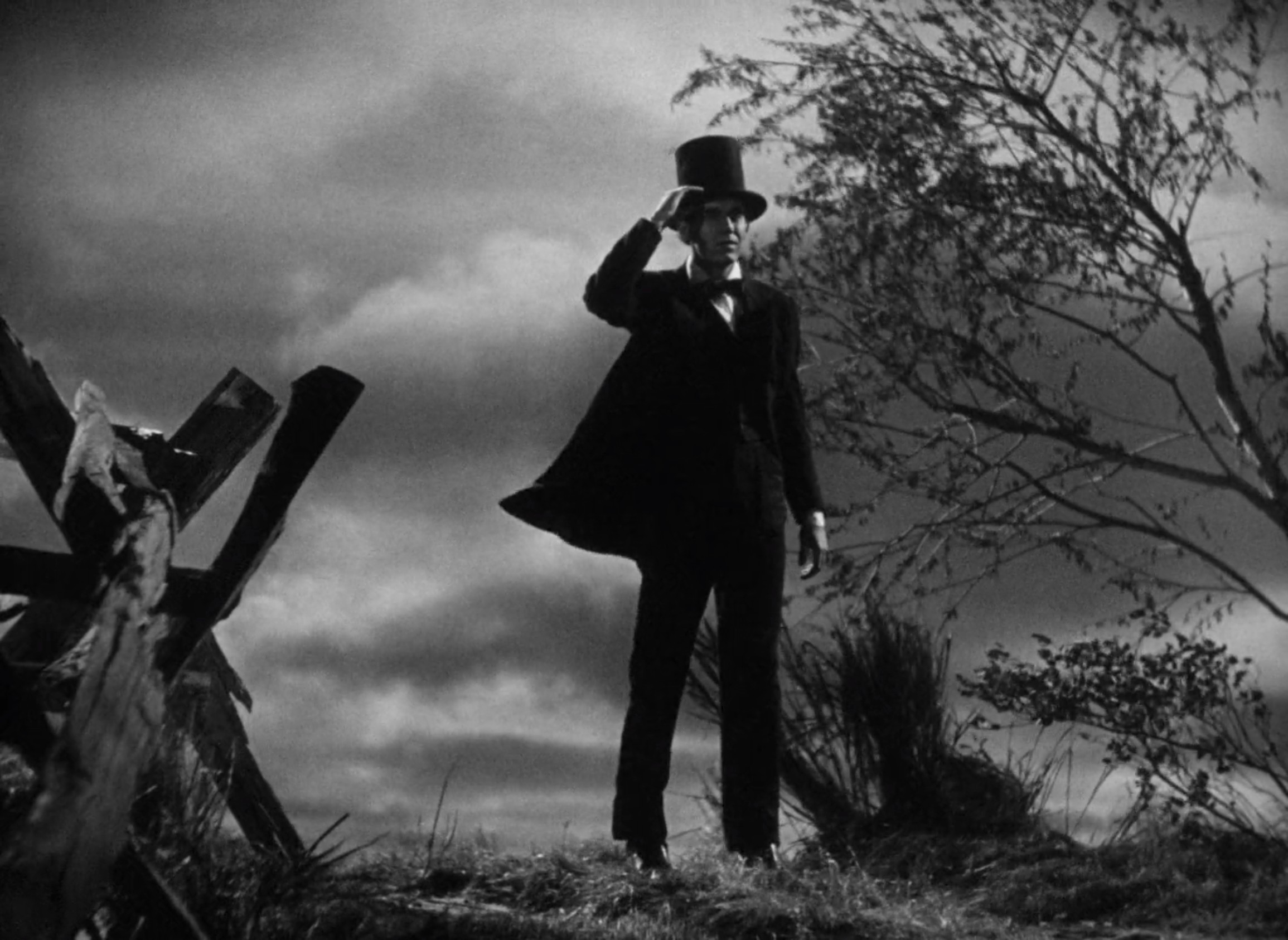
The ripples of history that would go on to generate monumental waves can be felt all through Young Mr Lincoln, where John Ford turns the future president’s origins as a judicious Illinoisian lawyer into a historical fable, offering us insight into the storytelling traditions and legal battles that have shaped an entire nation’s values of liberty and justice.

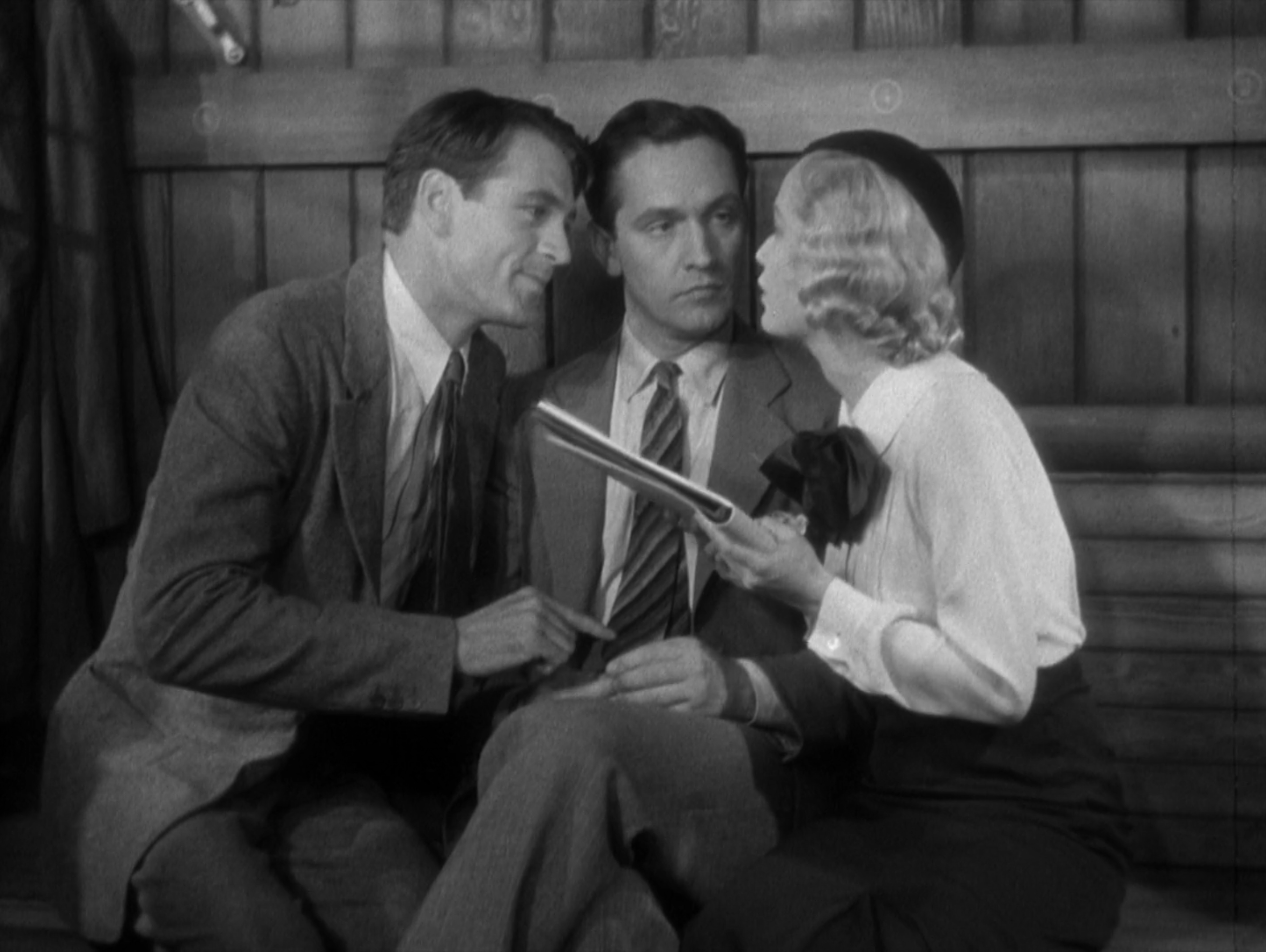
Design for Living (1933)

The title Design for Living could be the name of some 1930s instructional manual on how to fit one’s life into a pre-set box, but it is exactly those rigid structures which Ernst Lubitsch shuns in his polyamorous rotating of two men around a single woman, playing out unconventional character dynamics that are as honest as they are comical.

Lost Horizon (1937)

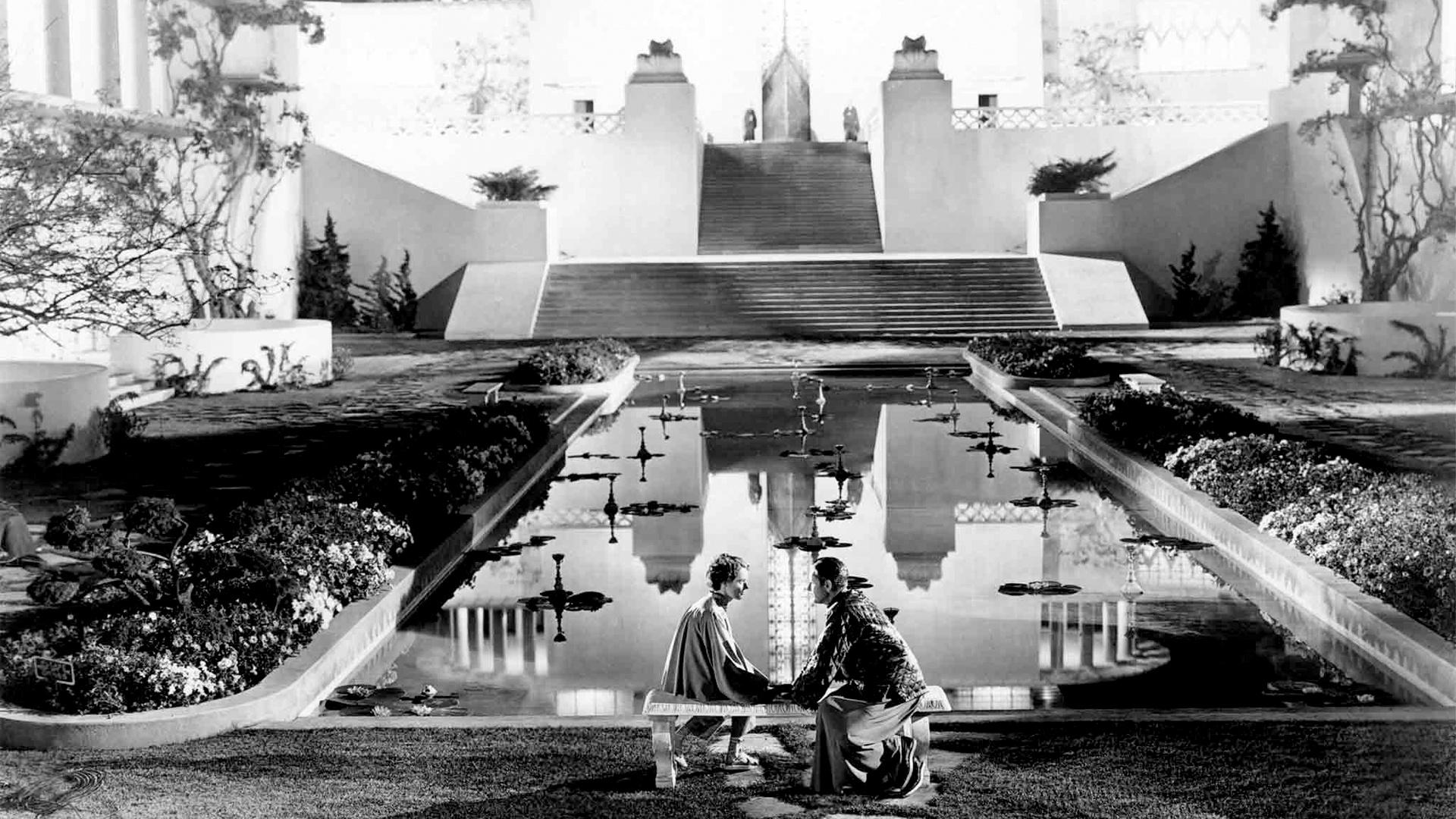
There is a fragility to the precision of Frank Capra’s visual and narrative creations in Lost Horizon, establishing an order in the Eastern utopia of Shangri-La that is threatened by the arrival of cynical British expats, powerfully backing up this grand moral fable with potent mythological archetypes of paradise, innocence, and corruption.

Scarface (1932)

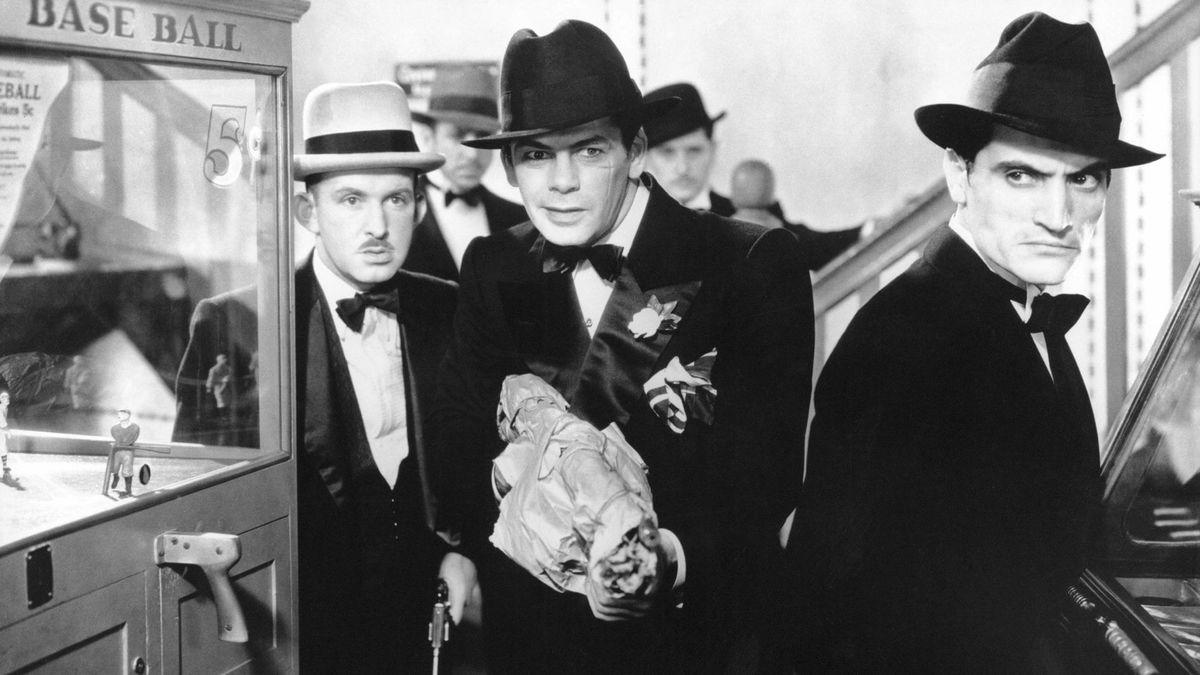
Within the Prohibition era of Scarface where Tony Camonte reigns supreme, violence is conducted with secrecy and treachery, intermittently rupturing Howard Hawk’s patient, brooding narrative with bursts of brutality.

Bride of Frankenstein (1935)

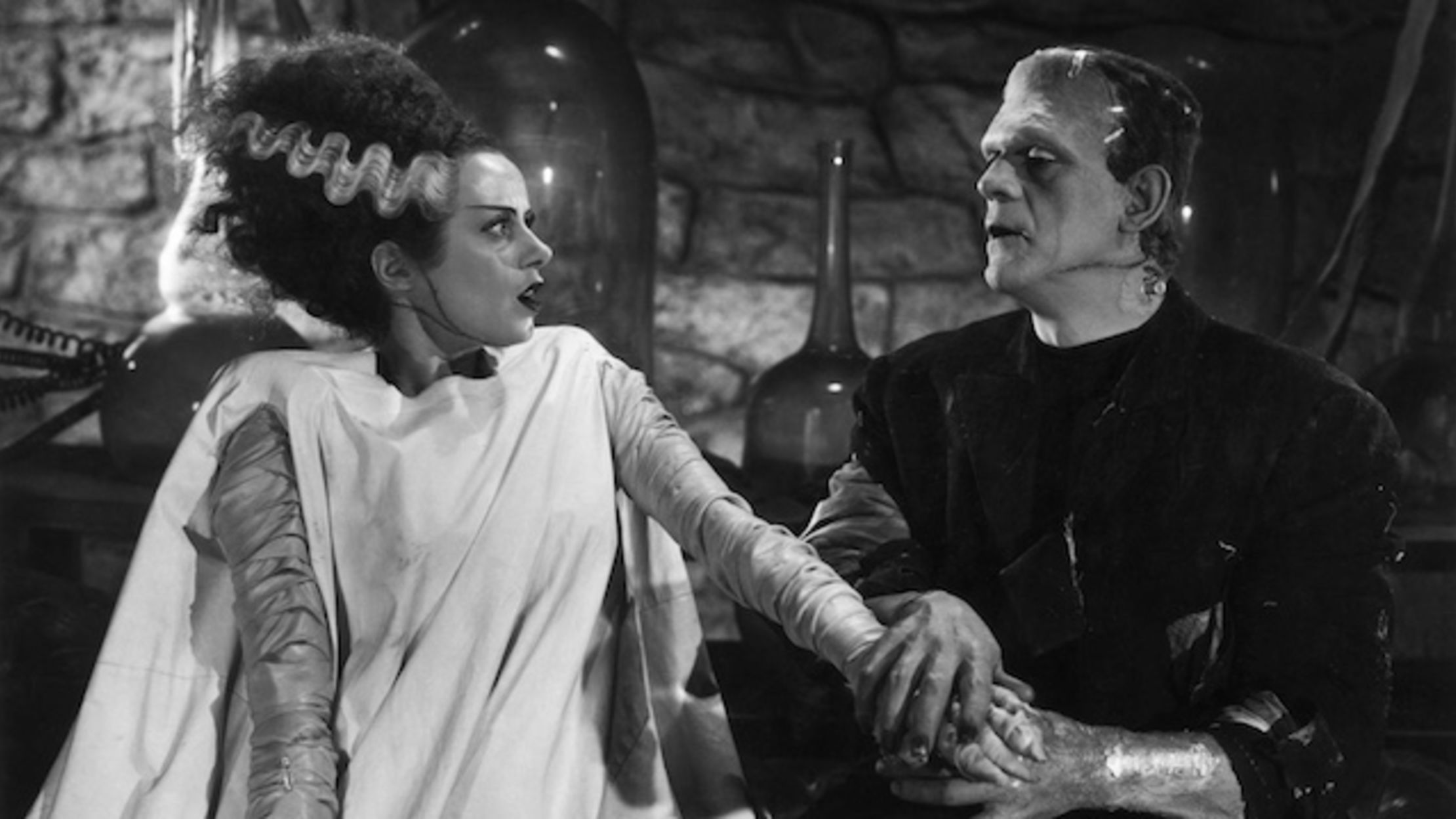
James Whale steps up the subtext, camp theatrics, and Gothic aesthetic in his sequel, Bride of Frankenstein, delivering not just a lynchpin of horror cinema, but a piece of film that feels even truer to his own humanistic and dramatic sensibilities.

M (1931)

More than just its dark, perverted subject matter, M remains a provocative film in Fritz Lang’s masterful use of subtext and signifiers to understand the mind of a reprehensible child killer, thus becoming one of the key cornerstones of German Expressionism.

Le Jour se Leve (1939)

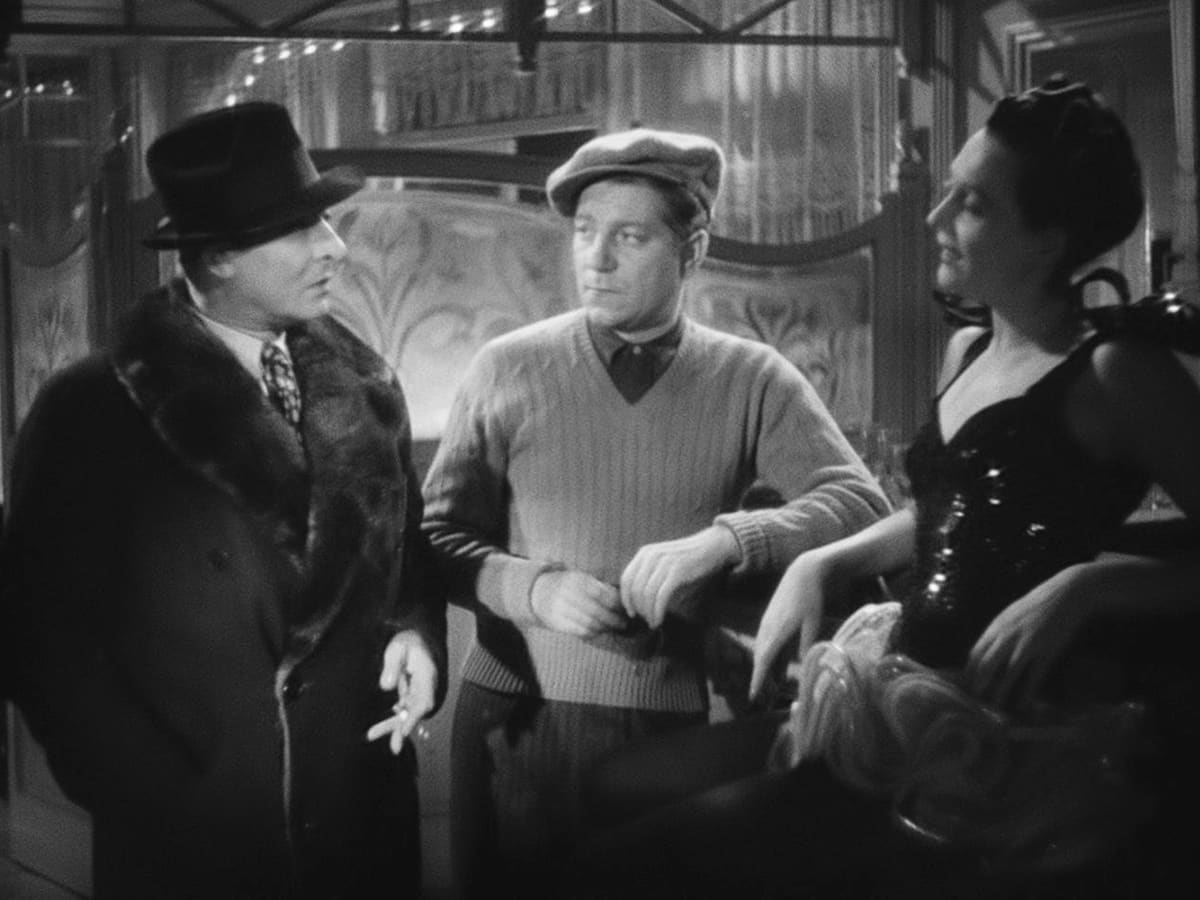
As a man driven to murder reminisces on the sequence of events that has led to this moment, Marcel Carne constructs a bitterly nostalgic narrative through masterful tracking shots and expressionist lighting, turning Le Jour se Leve into an indelibly moving portrait of France’s lost innocence as it heads into World War II.

Ninotchka (1939)

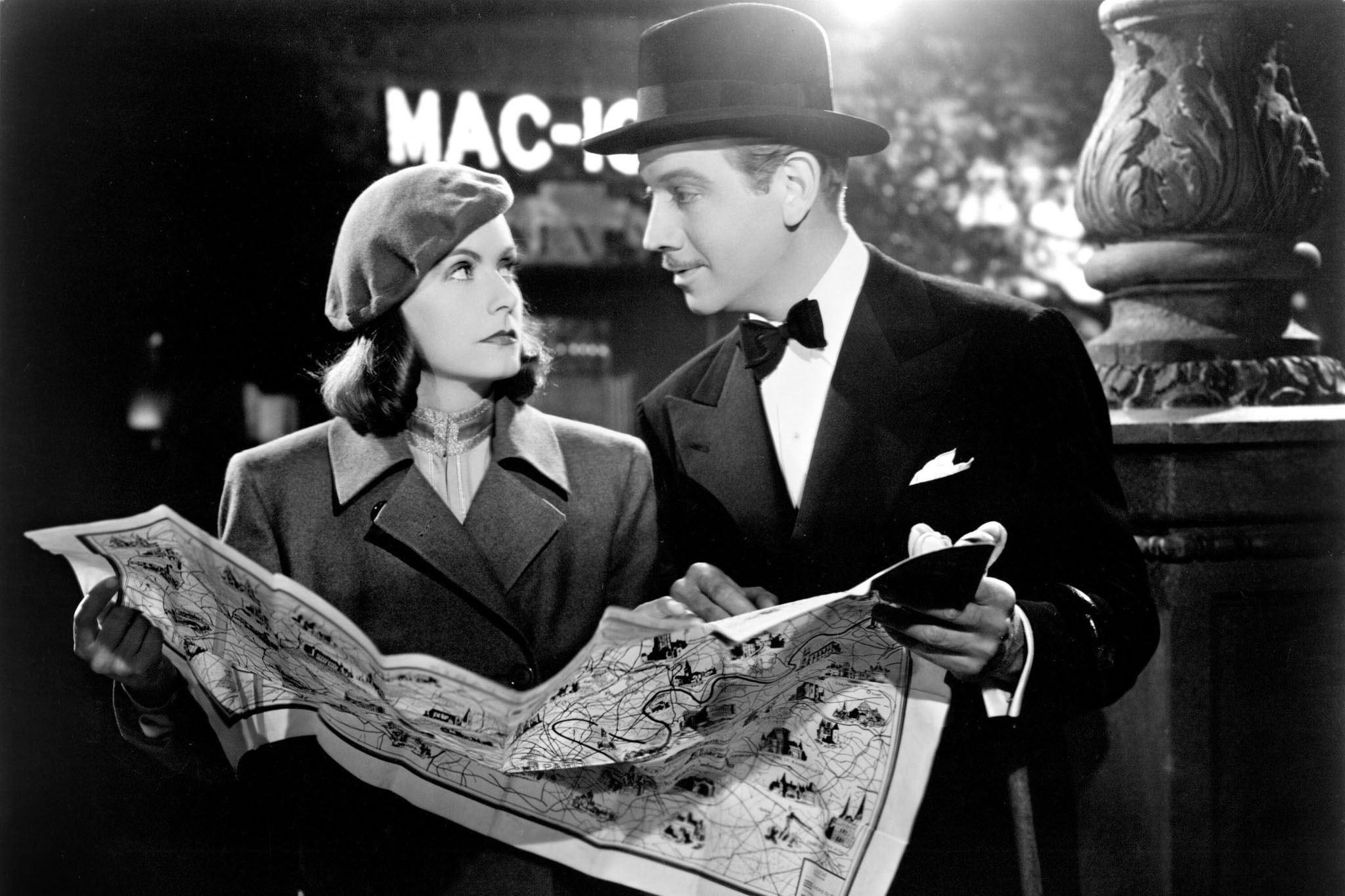
It takes a director as known for his sophisticated “touch” as Ernst Lubitsch to smoothly integrate Greta Garbo’s brilliantly blunt deadpan into such an elegantly blossoming romance, thereby creating one of the great comedic characters of the 1930s in Ninotchka.

Wuthering Heights (1939)

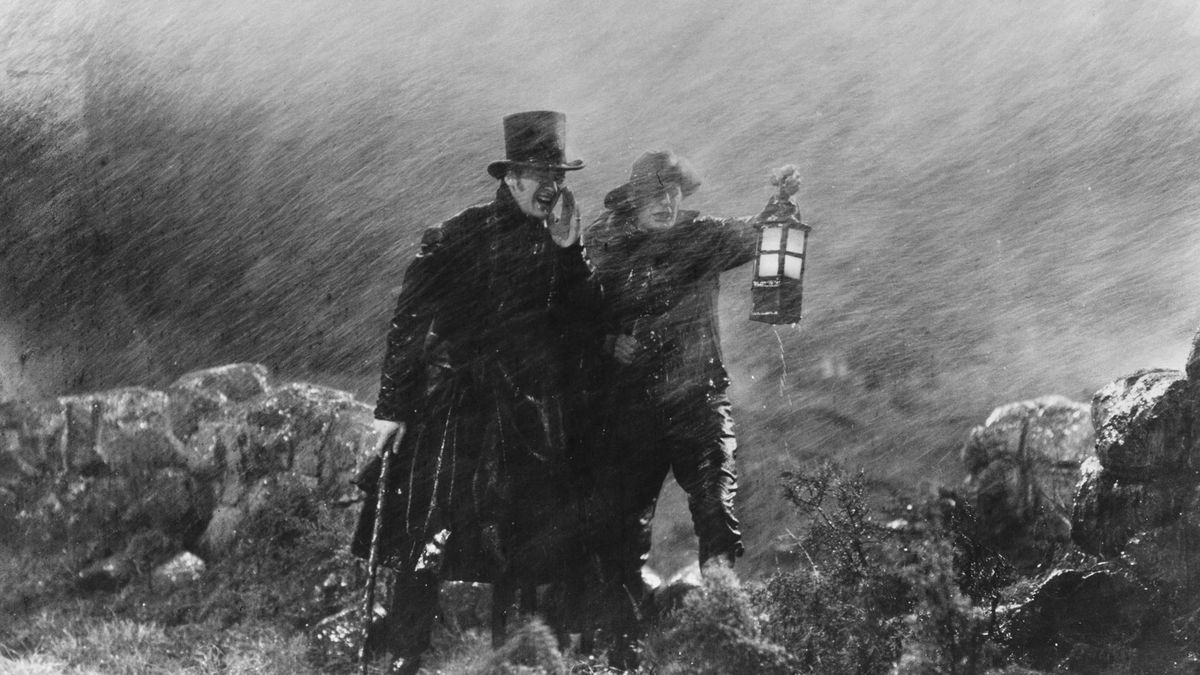
With a rigorous dedication to turning the Gothic architecture of Wuthering Heights into its own eerie character, William Wyler cuts right to the heart of Emily Brontë’s classic novel, submerging his tragic paramours in a ghostly melancholy that haunts them through life and death.

Scroll to Top