
Duck Soup (1933)
By applying their knack for satire to the incompetent, narcissistic political leaders of the western world in Duck Soup, the Marx Brothers hit on comedy gold.
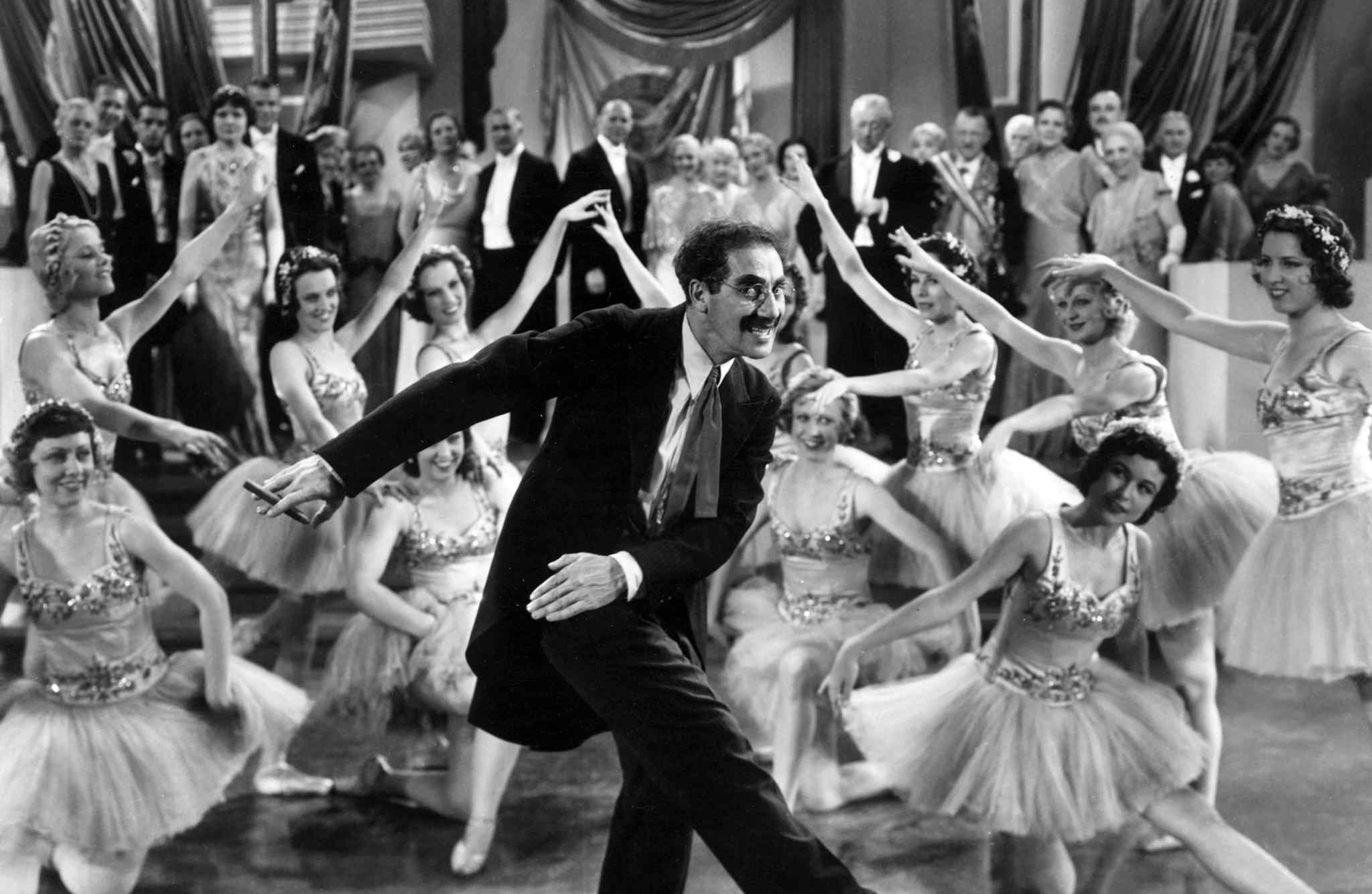
By applying their knack for satire to the incompetent, narcissistic political leaders of the western world in Duck Soup, the Marx Brothers hit on comedy gold.

With its tremendous narrative form in repetition as the basis for a rich character arc, Groundhog Day just keeps allowing for more surprising revelations on each rewatch, giving it, quite ironically, a “timeless” quality.

Gaunt-faced, wide-eyed, hunched over, the mere profile of Count Orlok strikes a terrifying image that has persisted in our collective consciousness for almost a century, and yet through F.W. Murnau’s sharp, expressionist lighting, Nosferatu still holds up as being more than just one remarkable performance.

Joe Wright’s cinematic interpretation of Jane Austen’s novel brings a stylistic and formal flair to Elizabeth Bennet and Mr Darcy’s swooning romance that we haven’t seen before, efficiently constructing the world of 19th century England in long takes that soar through lavish ballrooms, hallways, and mansions.

For the Italian bourgeoisie who sit untouched above the rest of society in Michelangelo Antonioni’s L’Avventura, there is such a thin line between existence and non-existence that the disappearance of a friend barely registers. The only tangible truths out there are those huge, material constructions which tower over the city, like odes to the superfluity of human progress.
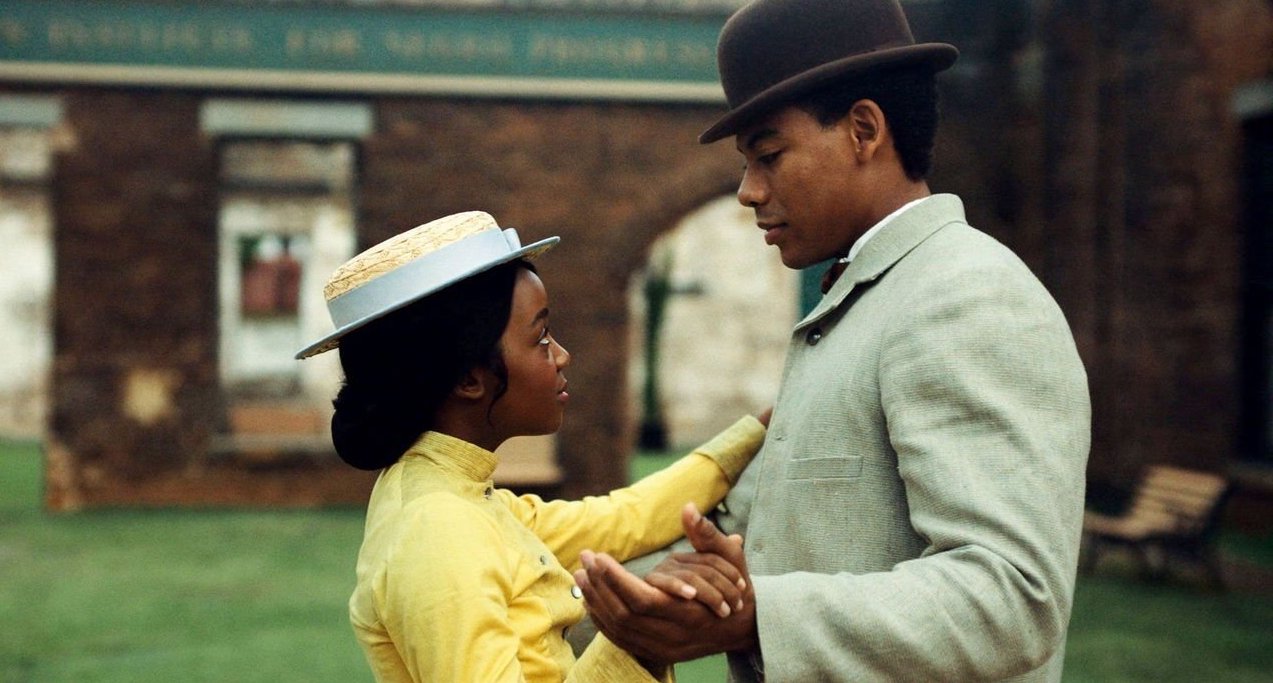
Barry Jenkins’ revision of the real “underground railroad” manifests as a retro-futuristic gift of modern-day resources to those who worked in secret to free slaves, dropping small, quiet doses of magical realism in among historical horrors.

With one foot in the past and one in the future, Spider-Man: Into the Spider-Verse reflects its own deconstruction of the hero in its visual artistry, examining the patterns and core values which transcend cultures and generations to bind together those who engage in a common fight for justice.
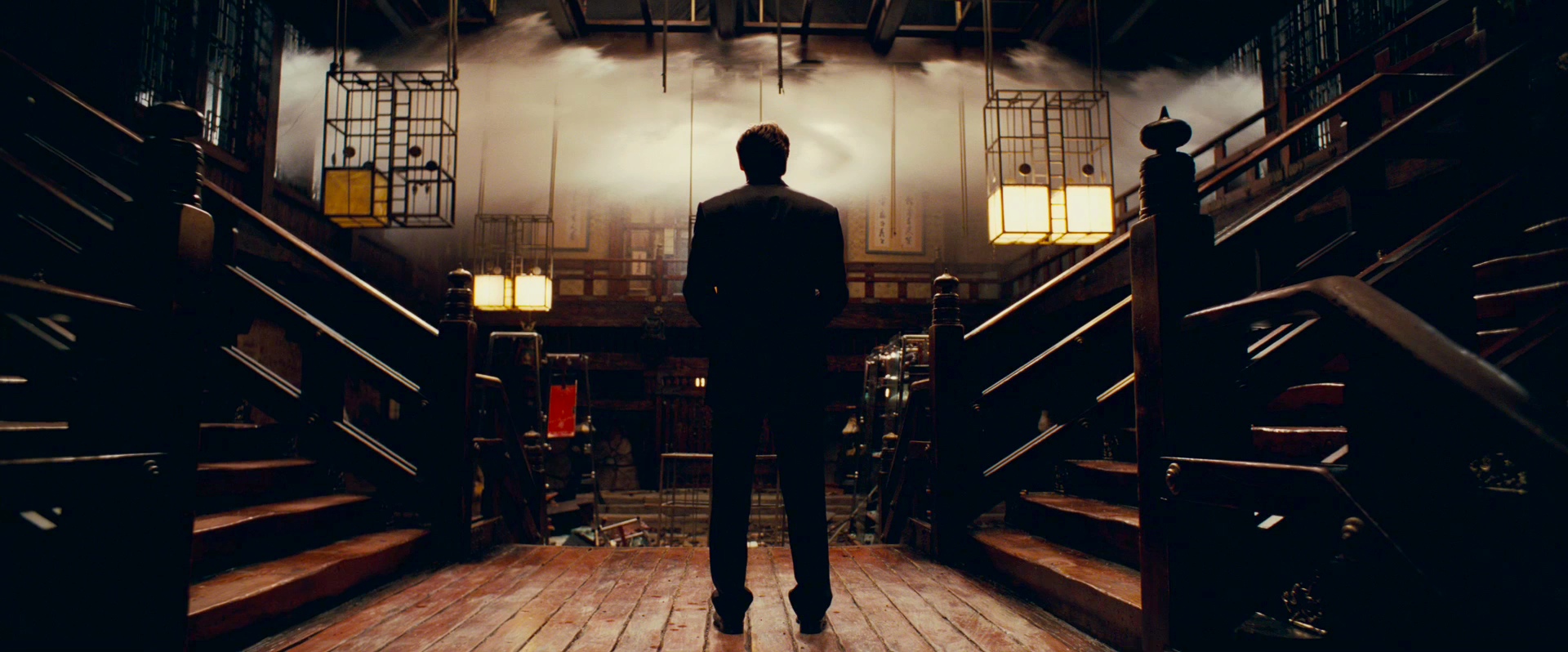
Christopher Nolan had already established himself as a master of experimental narrative form, but it wasn’t until he combined that with an epic, ambitious visual style in Inception that he became a generation-defining filmmaker.

Terry Gilliam’s construction of a futuristic Britain is visually daunting, but Brazil never shies away from the dark comedy of a government desperately out of touch with reality, brilliantly constructed through surreal, absurdist set pieces.