
-
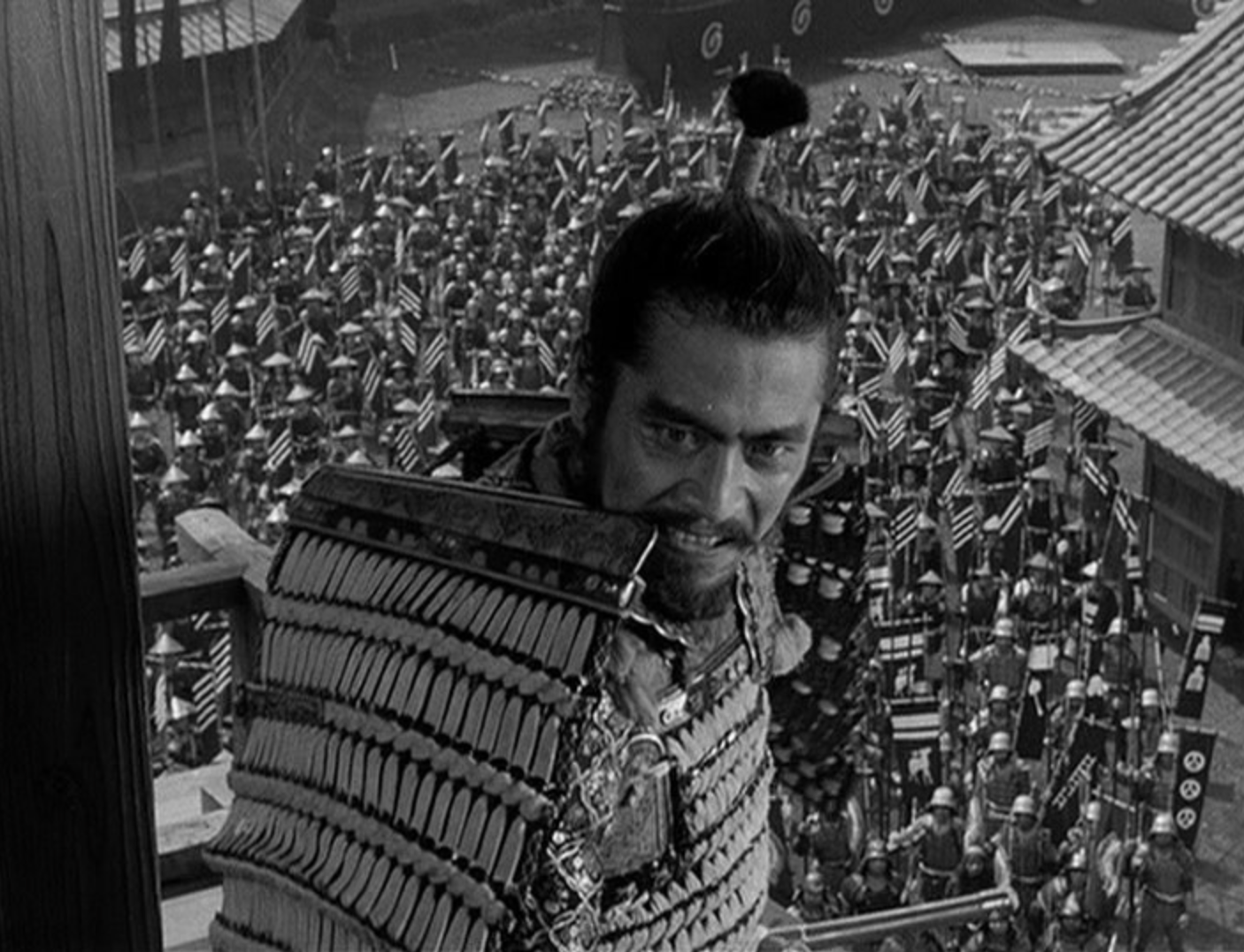
Throne of Blood (1957)
Akira Kurosawa’s landscapes of ambition, fate, and consequences make for a perfect marriage with Shakespeare’s Macbeth in Throne of Blood, formally integrating the narrative’s treacherous power plays with historical elements of Japanese Noh theatre, and mounting the forces of nature and destiny against the dishonourable samurai at its centre.
-
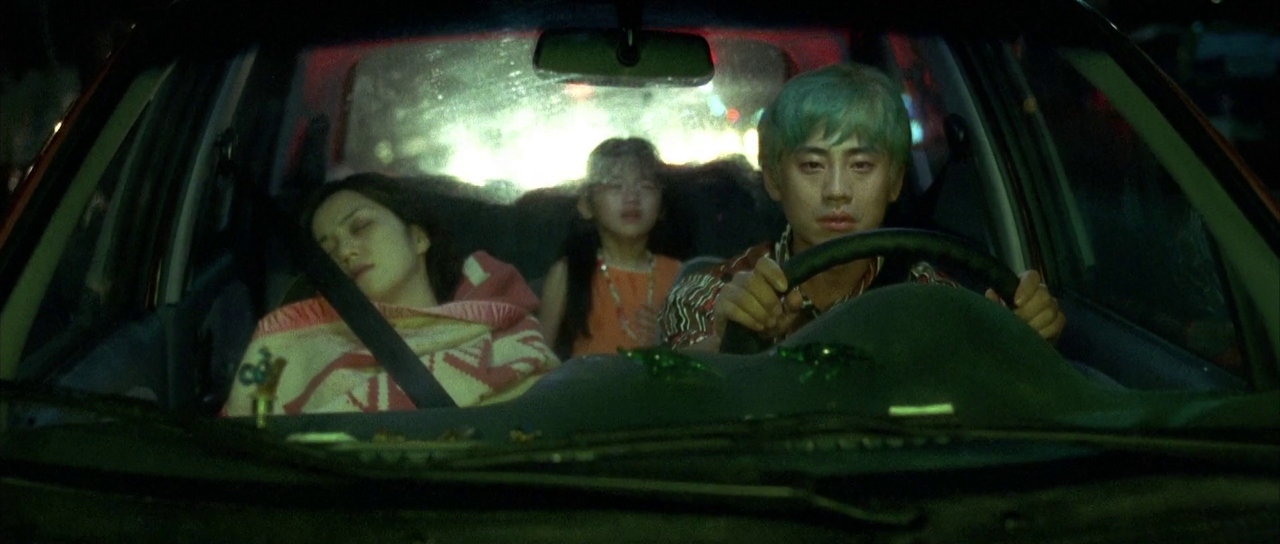
Sympathy for Mr. Vengeance (2002)
Violent retribution is not a solution in Sympathy for Mr. Vengeance, but an endless chain of wounded victims seeking mutually assured destruction, delineated with cool precision in Park Chan-wook’s murky green palette, measured pacing, and formal mirroring of two parallel men on futile quests for justice.
-
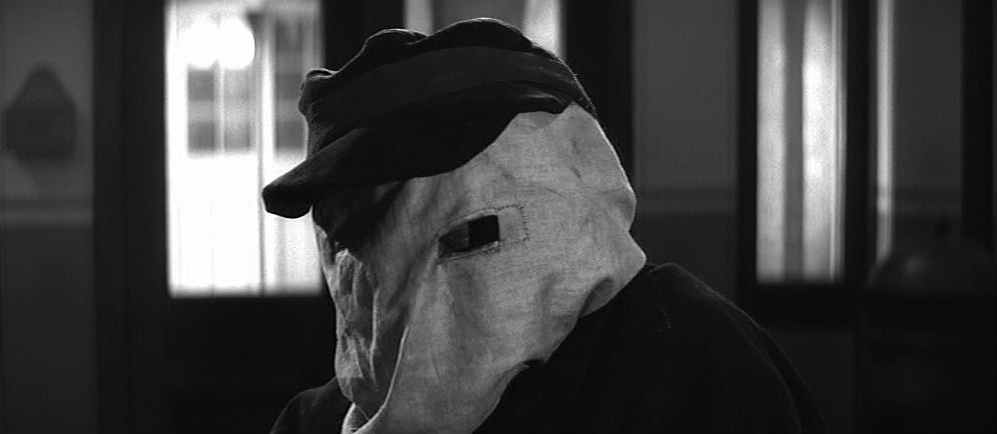
The Elephant Man (1980)
At first glance, The Elephant Man does not hold to David Lynch’s usual trademark of dreamlike narrative structures, and yet a dark thread of surrealism nevertheless emerges in this gorgeously photographed biopic of the severely deformed John Merrick, locating the true key to his dignified self-acceptance through the hypnotic landscape of his own mind.
-

The Touch (1971)
The Touch may be one of Ingmar Bergman’s plainer stylistic efforts, but his wielding of theological symbolism to interrogate a broken love triangle is deft, bitterly driving the Madonna’s degraded image and a tainted Garden of Eden between his doomed lovers.
-
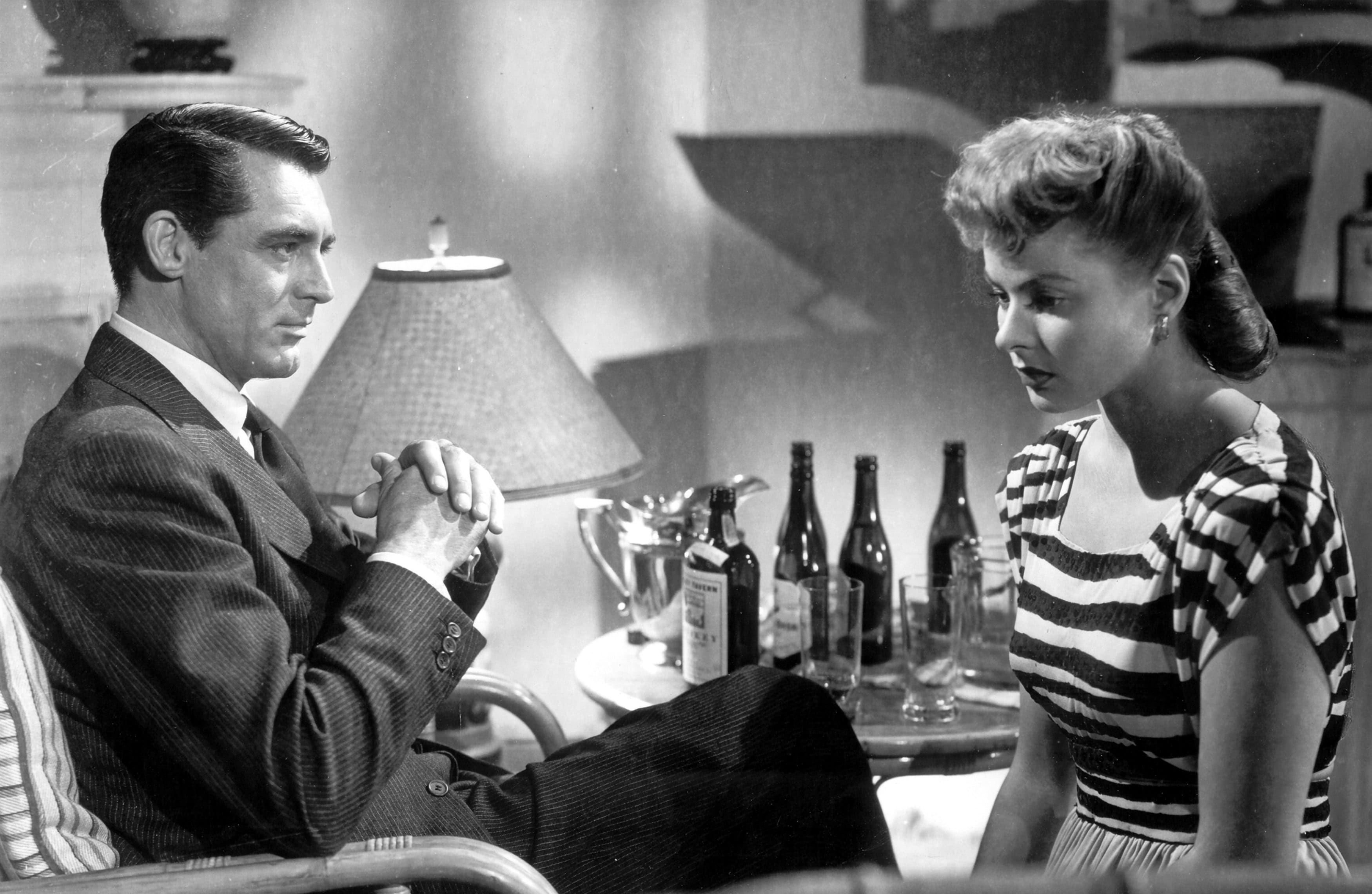
Notorious (1946)
There is remarkable dramatic tension in Notorious’ thickly plotted conflict of romance and thriller conventions that tugs a pair of post-war spies between deep passion and cold pragmatism, but through his motifs of seemingly innocuous refreshments Alfred Hitchcock also develops an even more intricate formal structure, containing darker secrets within them than one might expect.