
-
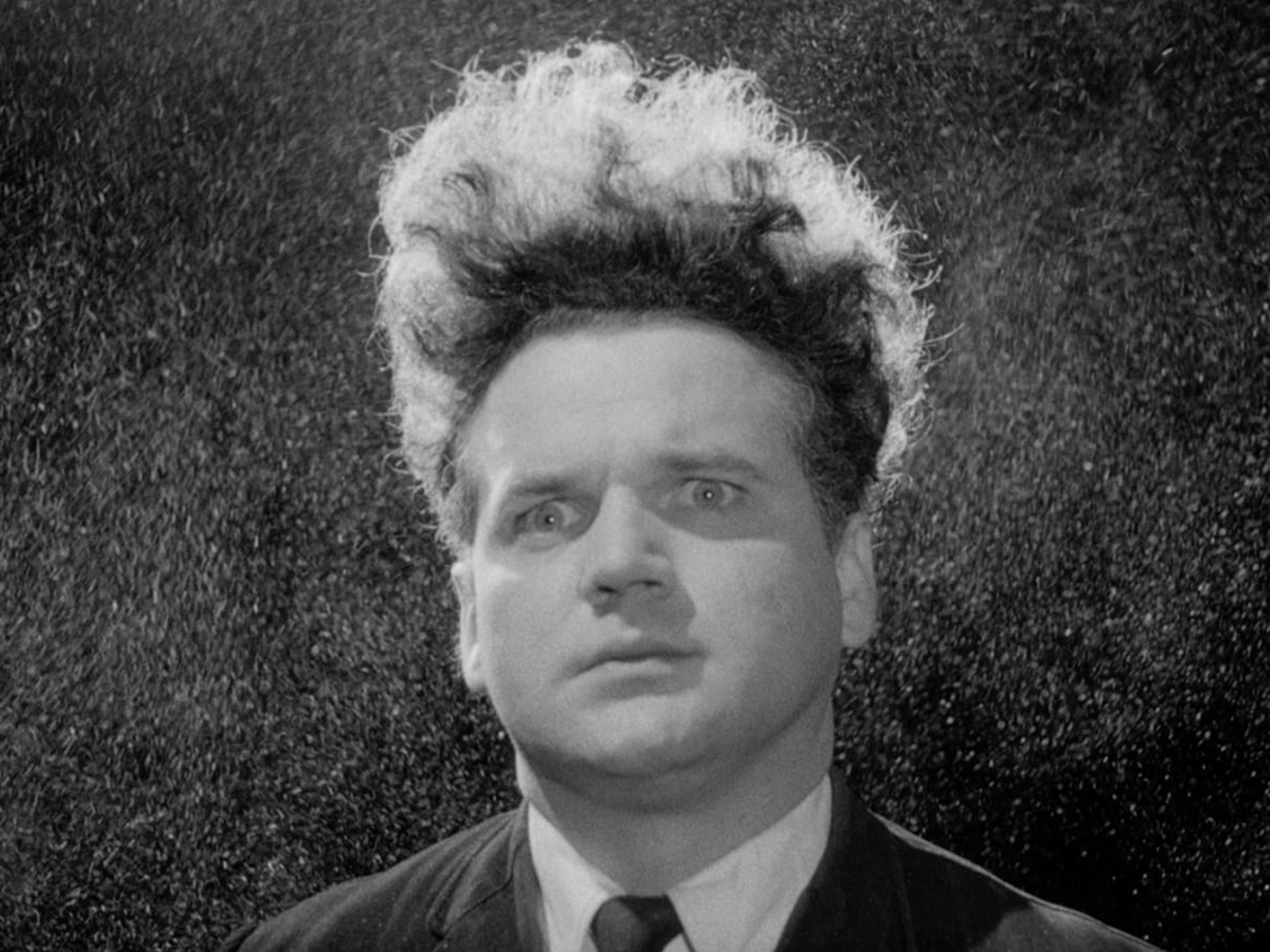
Eraserhead (1977)
Within Eraserhead’s nightmares of mutant babies and urban isolation, it is the psychological impression of its surreal imagery which carries far more impact than any attempts to derive its literal meaning, as David Lynch mystifyingly manifests the dark subconscious of one young father existentially terrified of parenthood.
-
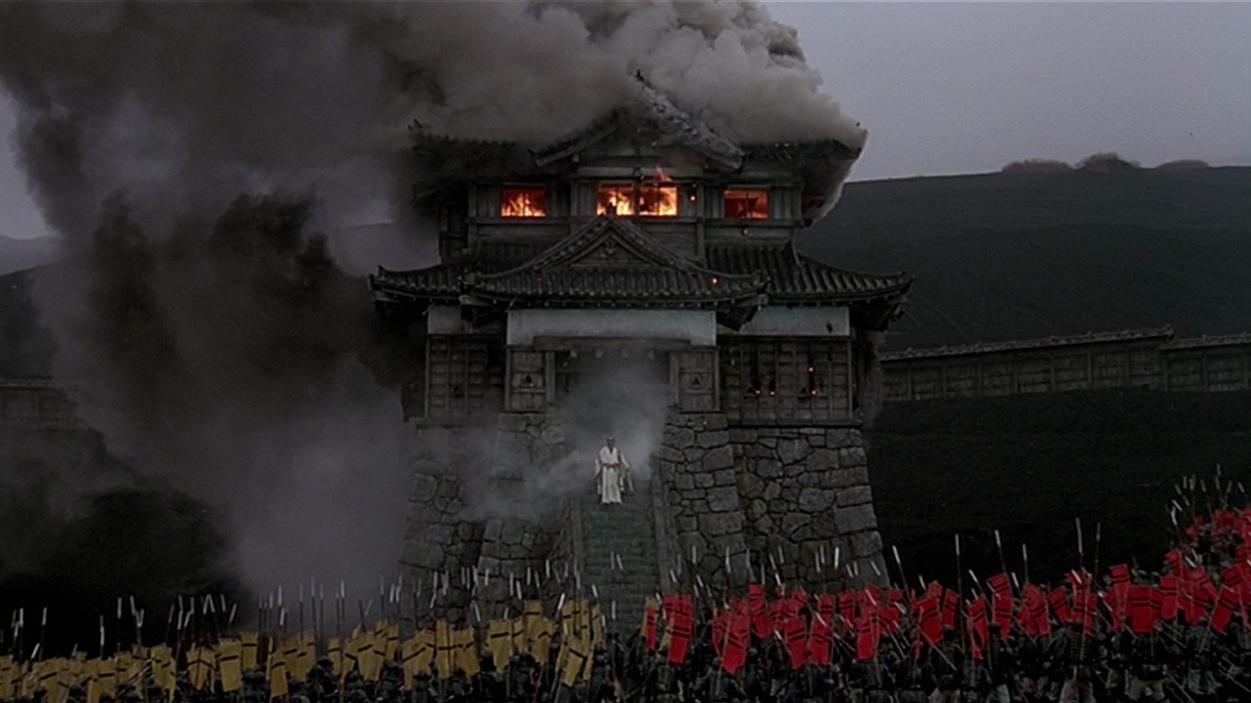
Ran (1985)
For all of Akira Kurosawa’s jaw-dropping historical battles staged with colourful splendour and imposing characters that fill out Ran’s immense narrative, at its core is a seething bitterness towards humanity’s existential isolation, propelling the dramatic power struggles between three jealous brothers in feudal Japan.
-

The Passion of Anna (1969)
Ingmar Bergman’s personal turmoil during production of The Passion of Anna infuses this chamber drama with a shaggy, improvisational quality, deconstructing its titular widow’s grief with the same imperfect honesty which he himself is guilty of, and bringing a raw vulnerability to complex characters straining against each other’s cruelty.
-
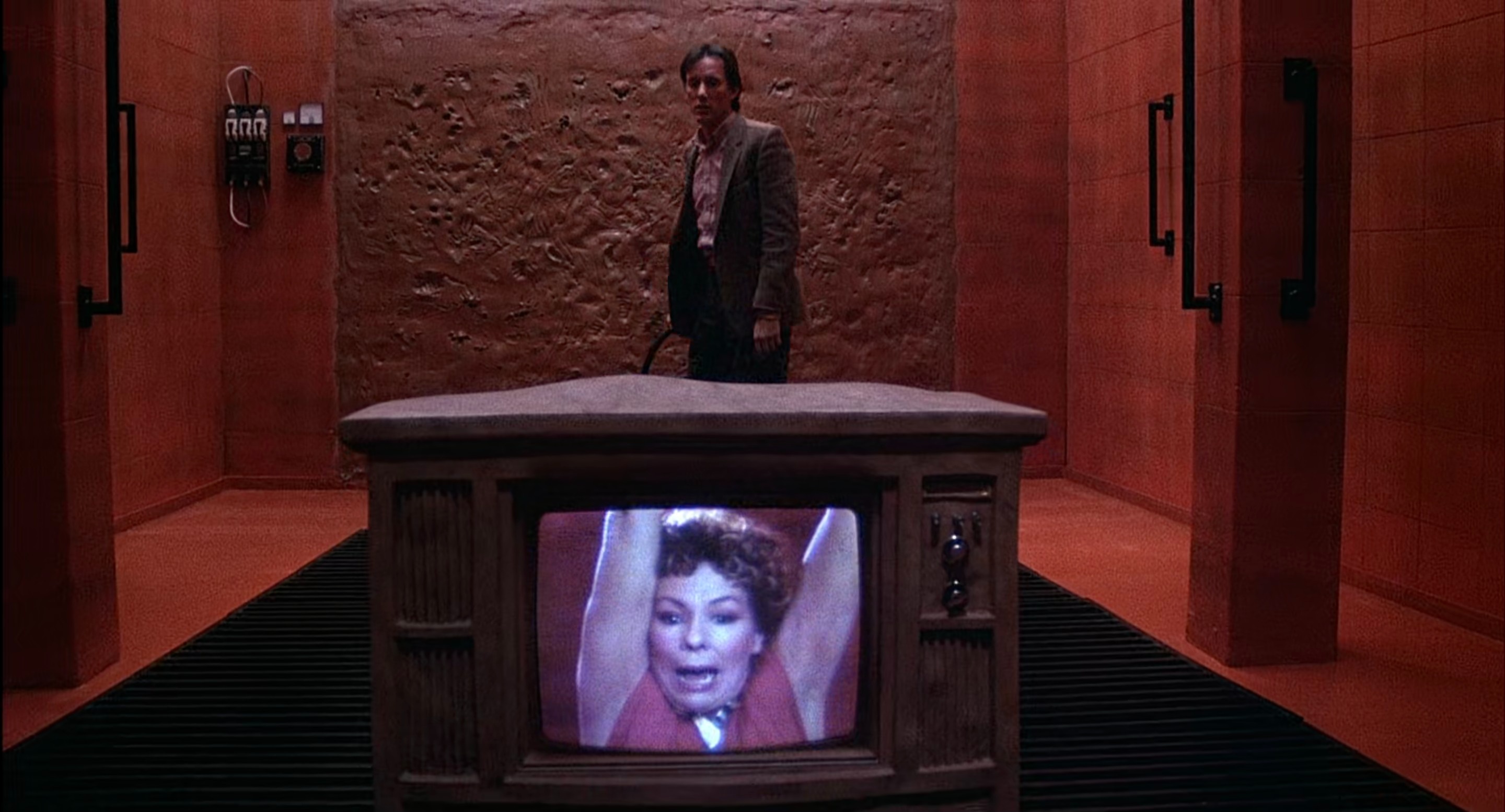
Videodrome (1983)
David Cronenberg’s blending of intellectual musings on modern mass media with grotesque body horror makes Videodrome’s dire warnings all the more visceral, robbing brainwashed individuals of their humanity by fusing them with the technology they have become reliant on, and marking a triumphant success in transgressive genre filmmaking for the young auteur.
-
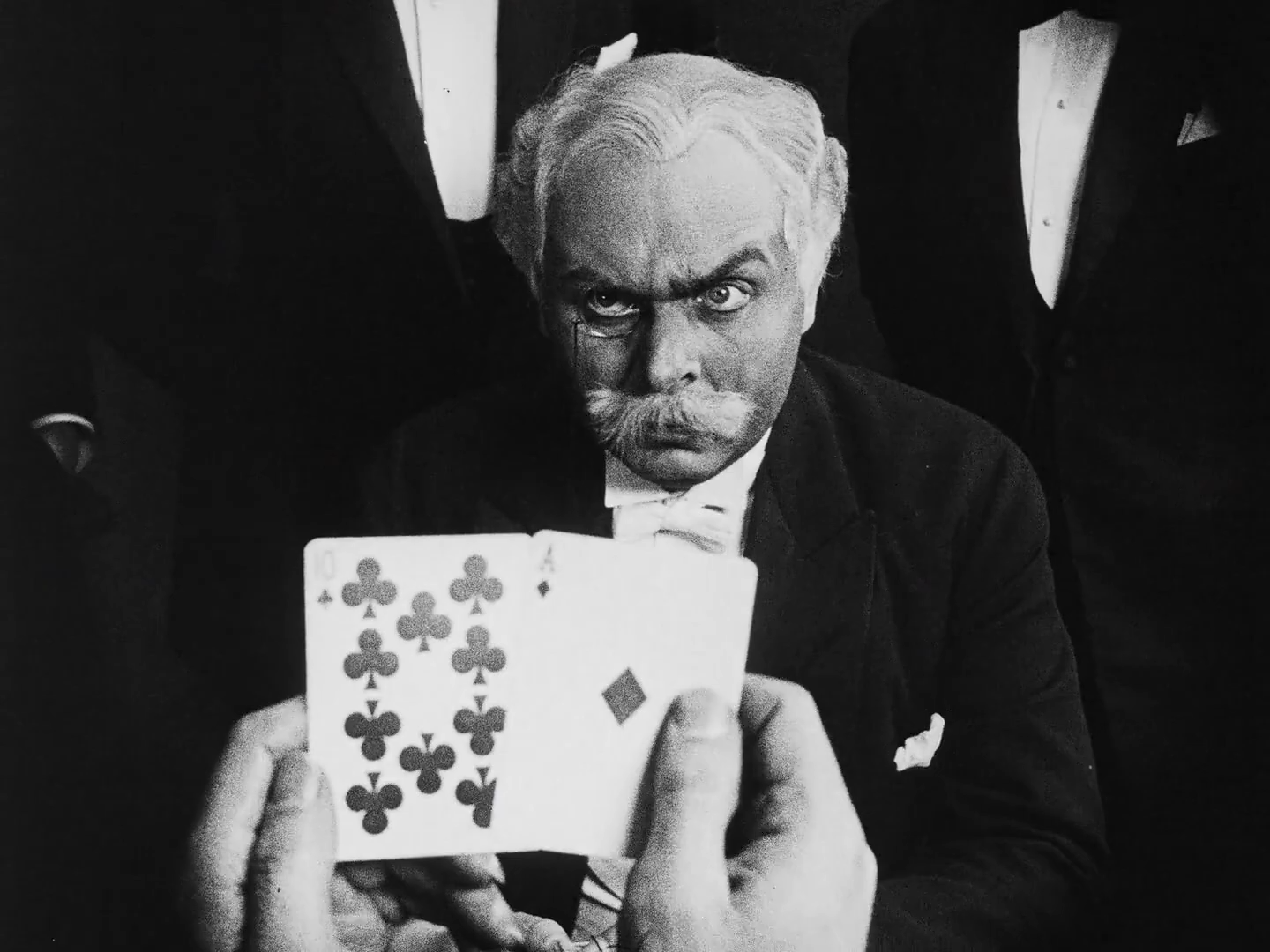
Dr. Mabuse the Gambler (1922)
Fritz Lang distils the fearful mistrust of authority in Weimar Germany down to a single criminal mastermind in Dr. Mabuse the Gambler, painting out an expressionistic world under his hypnotic control with dark, jagged strokes, and setting the proto-noir standard of elaborately plotted crime narratives.