
-
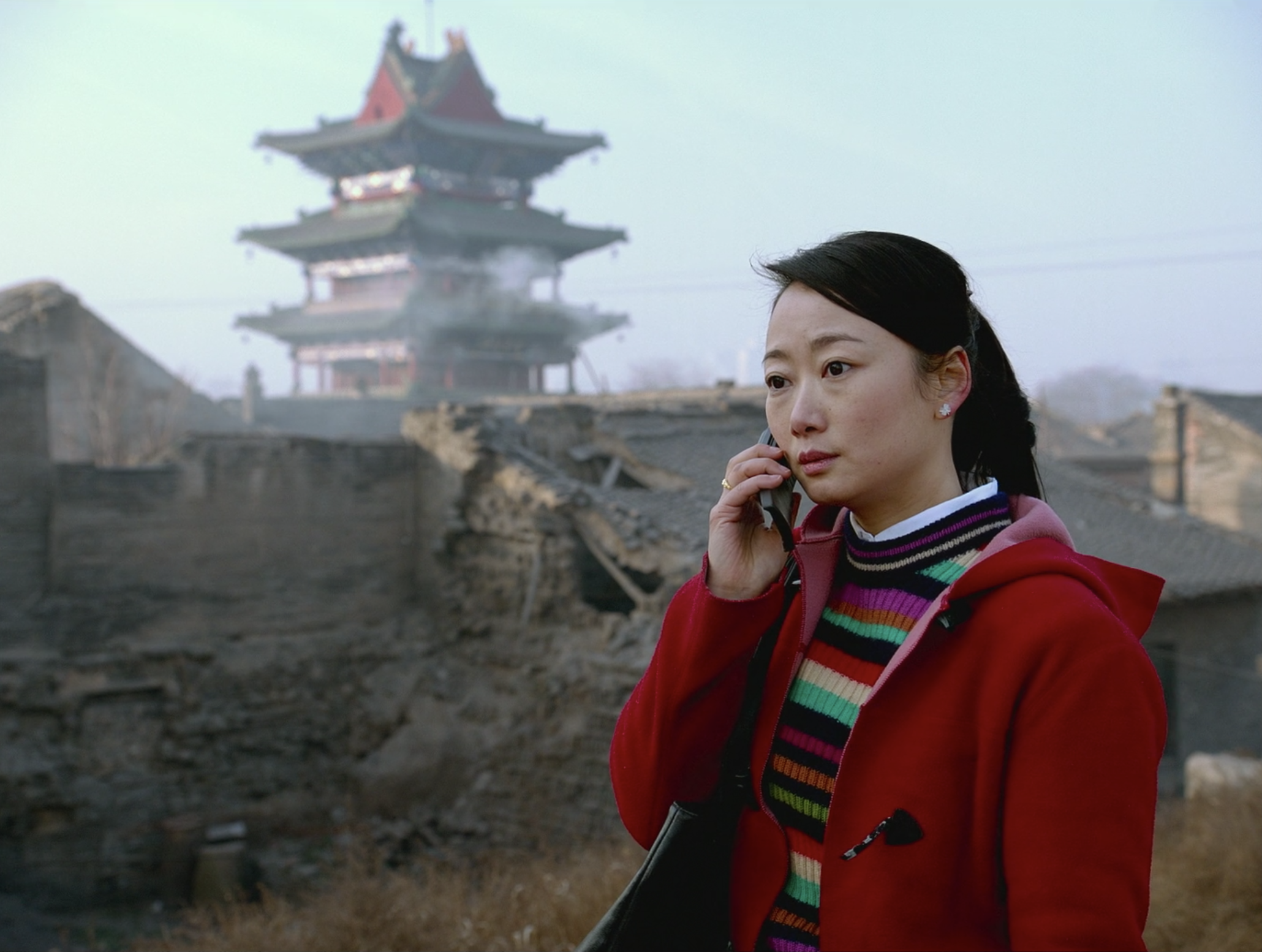
Mountains May Depart (2015)
Mountains May Depart marks Jia Zhangke’s most significant withdrawal from his distinctive, neorealist style, and although the film is a little weaker for it, he still finds a deep poignancy in the widening generation gap separating China’s past from its future.
-

You Were Never Really Here (2017)
Lynne Ramsay is far more interested in creating an impressionistic sense of a lonely, disorientated mind out of hypnotic montages than she is in plot in You Were Never Really Here, building ambient rhythms that draw us into the fragmented nightmares of a violent man tasked with rescuing young girls from traffickers.
-
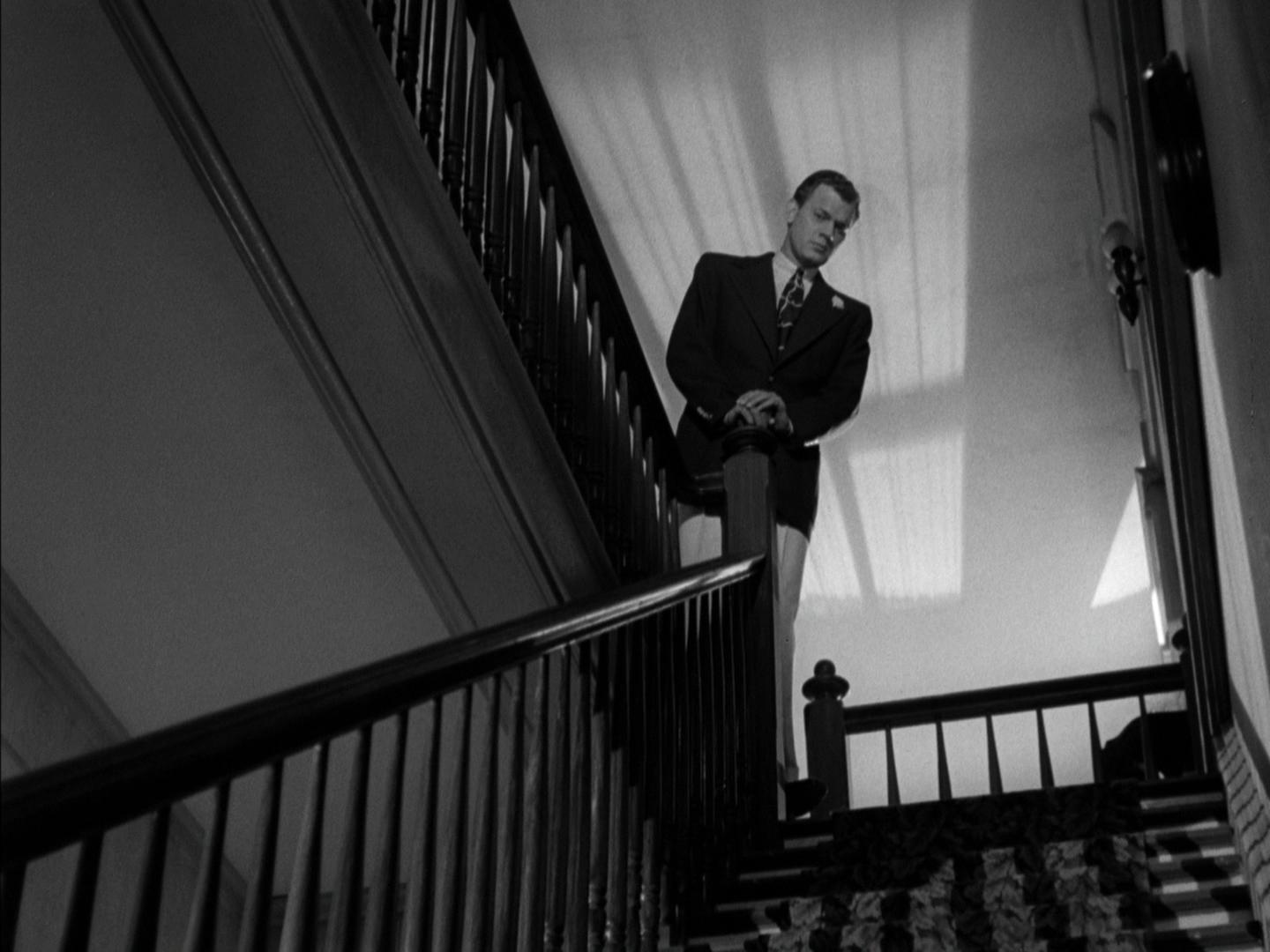
Shadow of a Doubt (1943)
Even while considering the wretched corners of the human psyche that Alfred Hitchcock has probed all through his career, perhaps the intensive character study of Shadow of a Doubt is his most disturbing, as he paints a twisted portrait of two Charlies, uncle and niece, locked in a deadly secret seeping with subtext of incest, grooming, and sexual abuse.
-
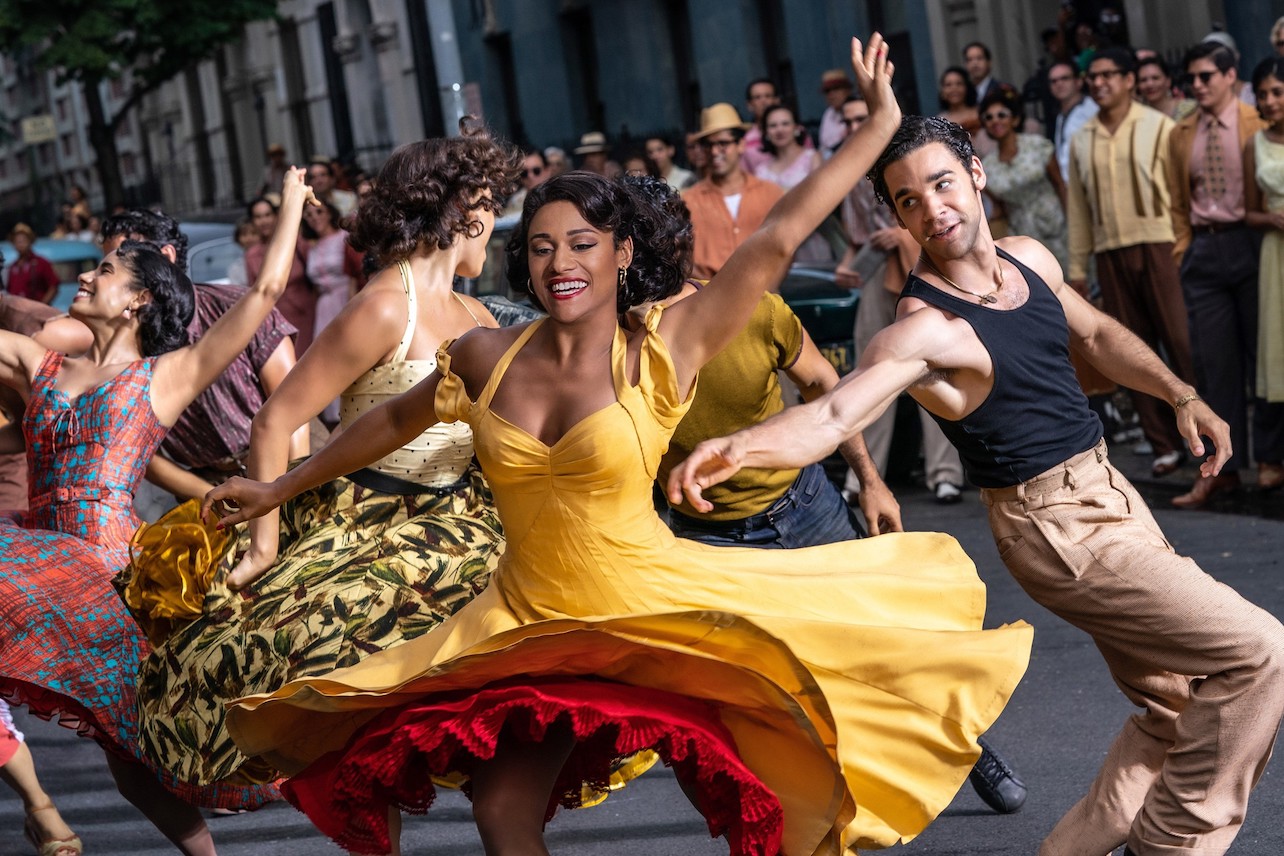
West Side Story (2021)
Steven Spielberg’s broad, sweeping style of iconographic filmmaking is well-suited to such classical Shakespearean stories as that which West Side Story takes its own spin on, as in this vibrantly artistic adaptation New York becomes a dystopian wasteland of gangs and hopelessly star-crossed lovers.
-
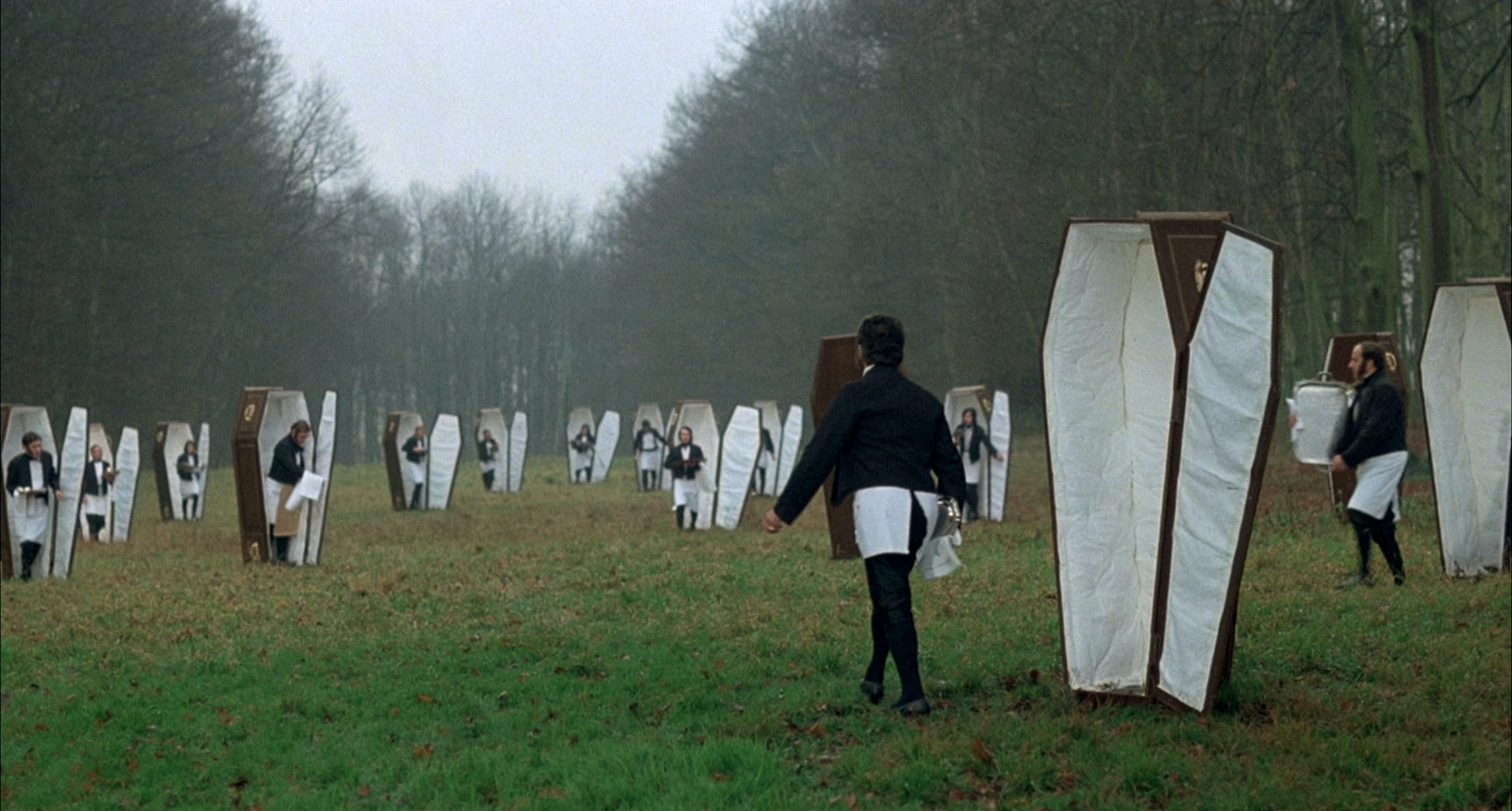
Love and Death (1975)
Woody Allen takes aim at 19th century Russian literature in his off-beat period piece Love and Death, smashing through those quaint conventions of cultural and cinematic history to fashion an entirely new kind of artistic statement out of the fragments left behind.