
-
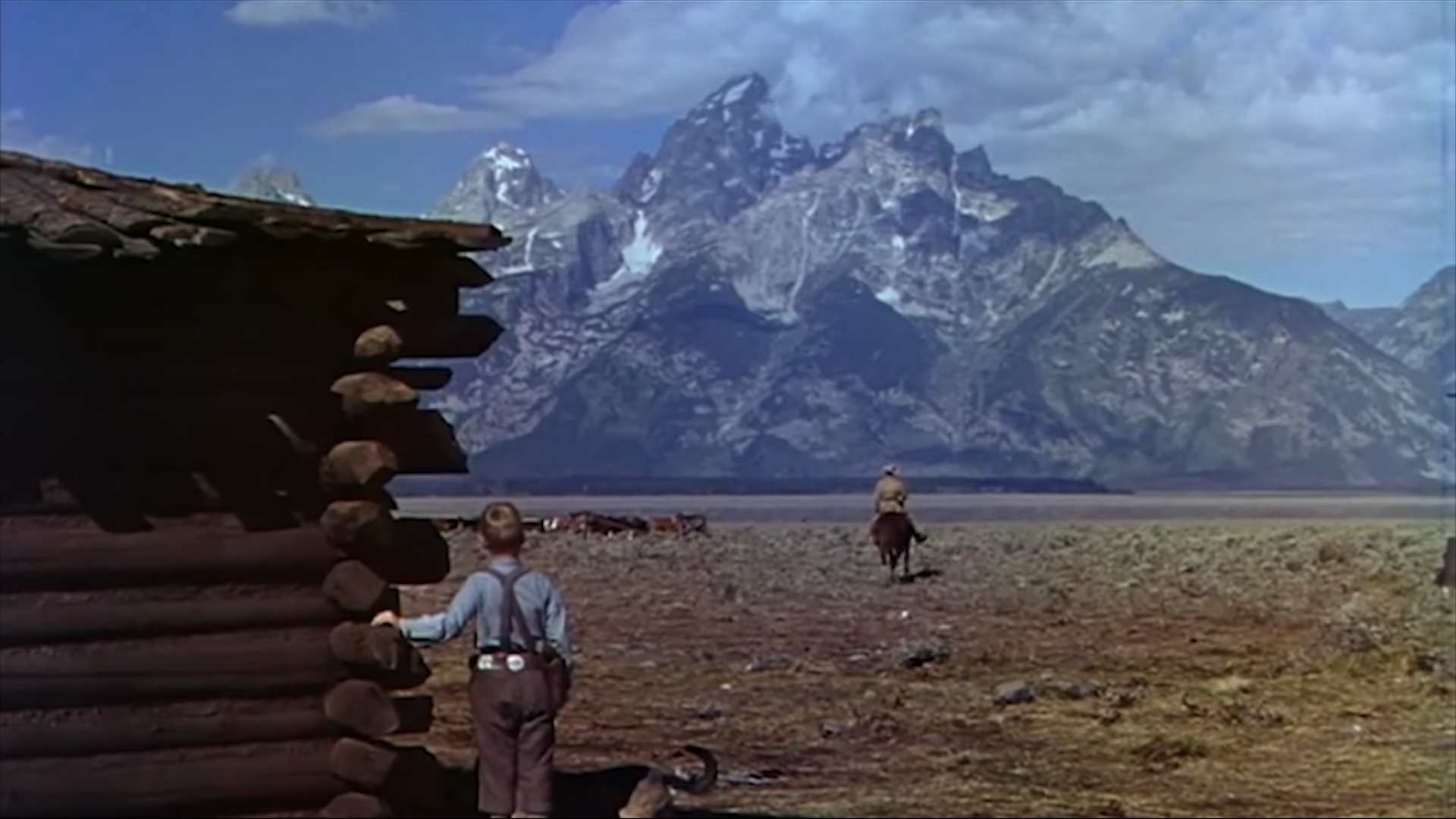
Shane (1953)
The looming Wyoming mountains form a majestic backdrop to George Stevens’ story of Western ranchers, gunmen, and sensitive melodrama in Shane, its vast landscapes containing a masterfully staged exploration of a modern America’s dwindling need for classical action heroes in favour of a new, civilised society of stability and prosperity.
-

No End (1985)
Four days on from the passing of Polish lawyer Antek in No End, his ghost still haunts his widowed wife and final client, forming the metaphorical basis of Krzysztof Kieslowski’s solemn eulogy for a defeated political movement that spiritually unites its mourners, and whose death carries demoralising implications across multiple levels of society.
-
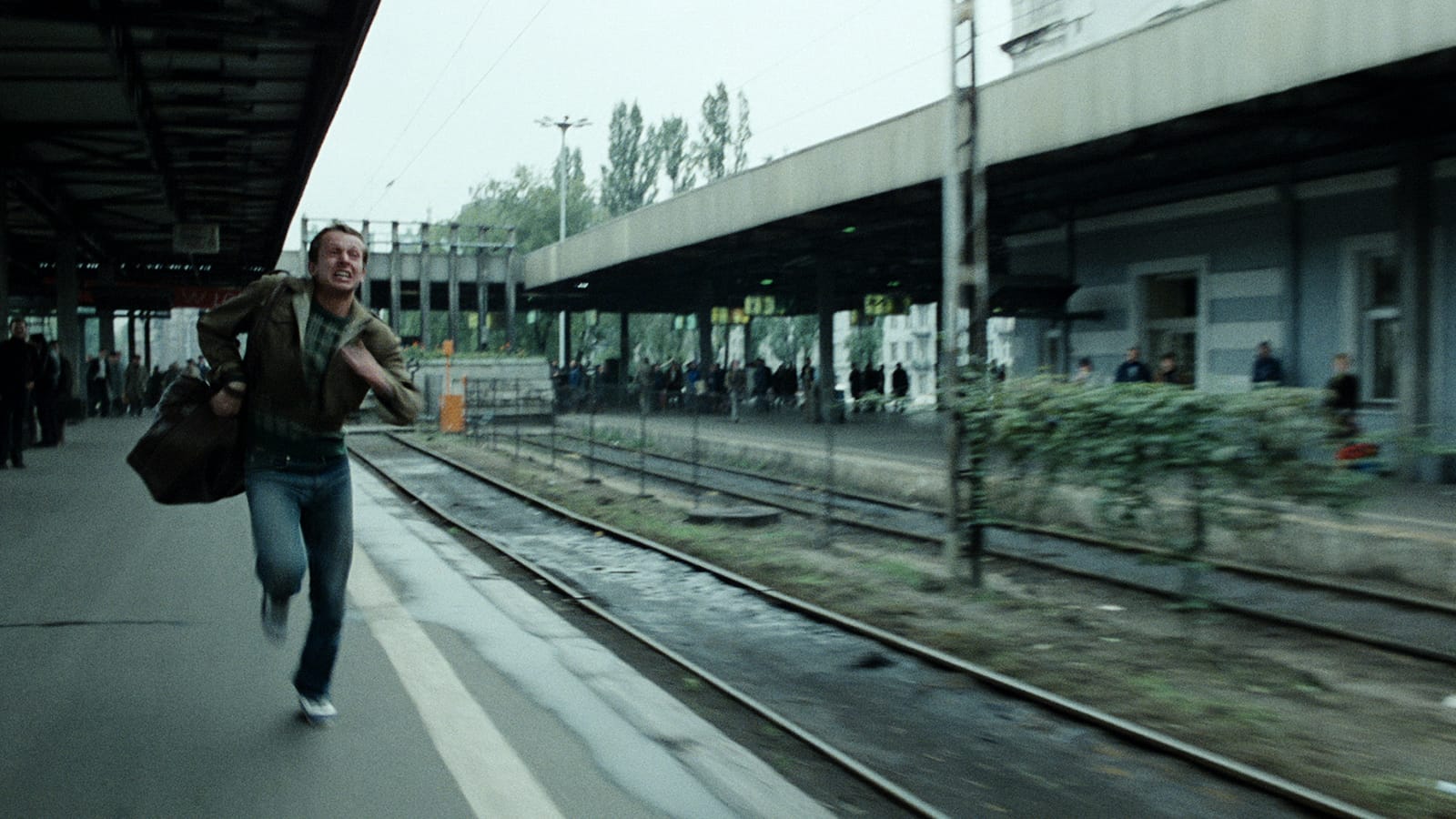
Blind Chance (1981)
As one man runs towards his departing train in Blind Chance, Krzysztof Kieslowski splits his life into three separate timelines that send him down conflicting paths, thoughtfully probing metaphysical questions of fate and regret while exposing the flimsiness of political conformity in 1980s Poland.
-
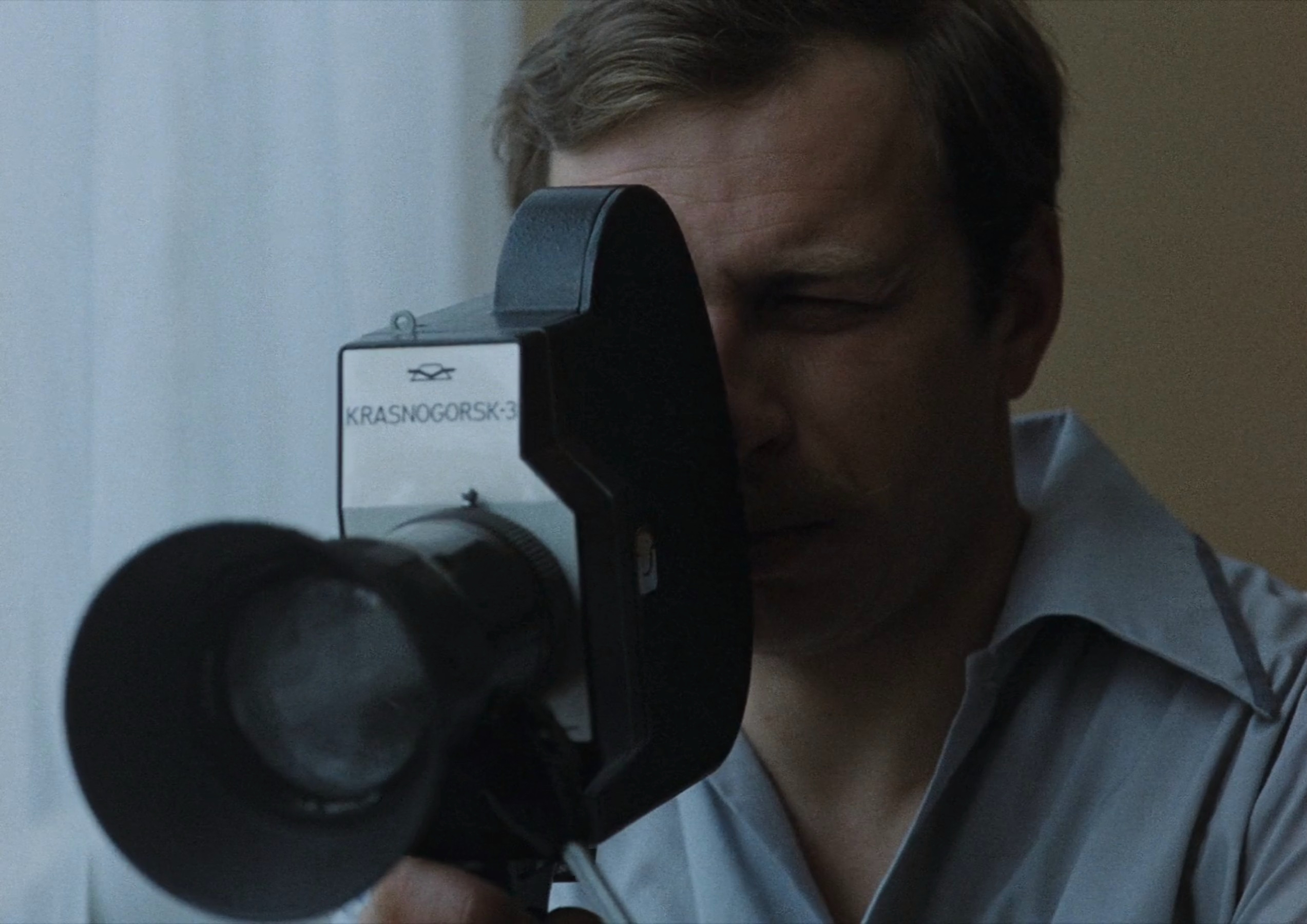
Camera Buff (1979)
Polish factory worker Filip first picks up his camera to film the birth of his daughter, but as he grows more ambitious throughout Camera Buff, Krzysztof Kieslowski turns his tale into one of calloused obsession and denial, seeing the aspiring documentarian point his lens at everyone but himself in an effort to avoid examining his…
-
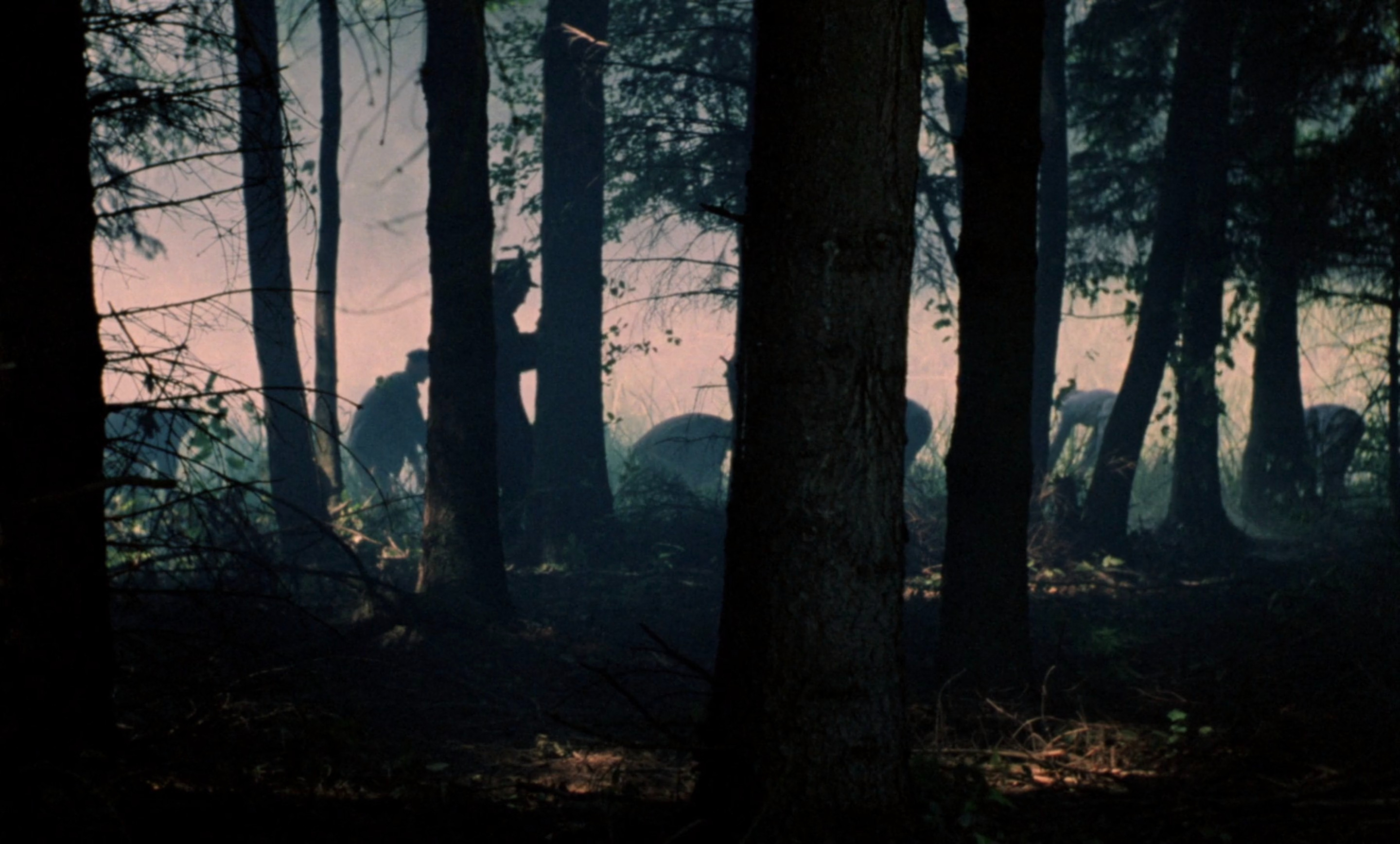
The Scar (1976)
Relative to Krzysztof Kieslowski’s great masterpieces of the 80s and 90s, The Scar is a modest piece of social realism, grounded in the details of Communist Poland’s bureaucracy and its controversial small-town development of a chemical factory that challenges one sympathetic Party member’s hopeful ideals.