
-
The Best Films of the 1990s
The greatest films of the 1990s, from America’s independent cinema to the rise of the digital age.
-
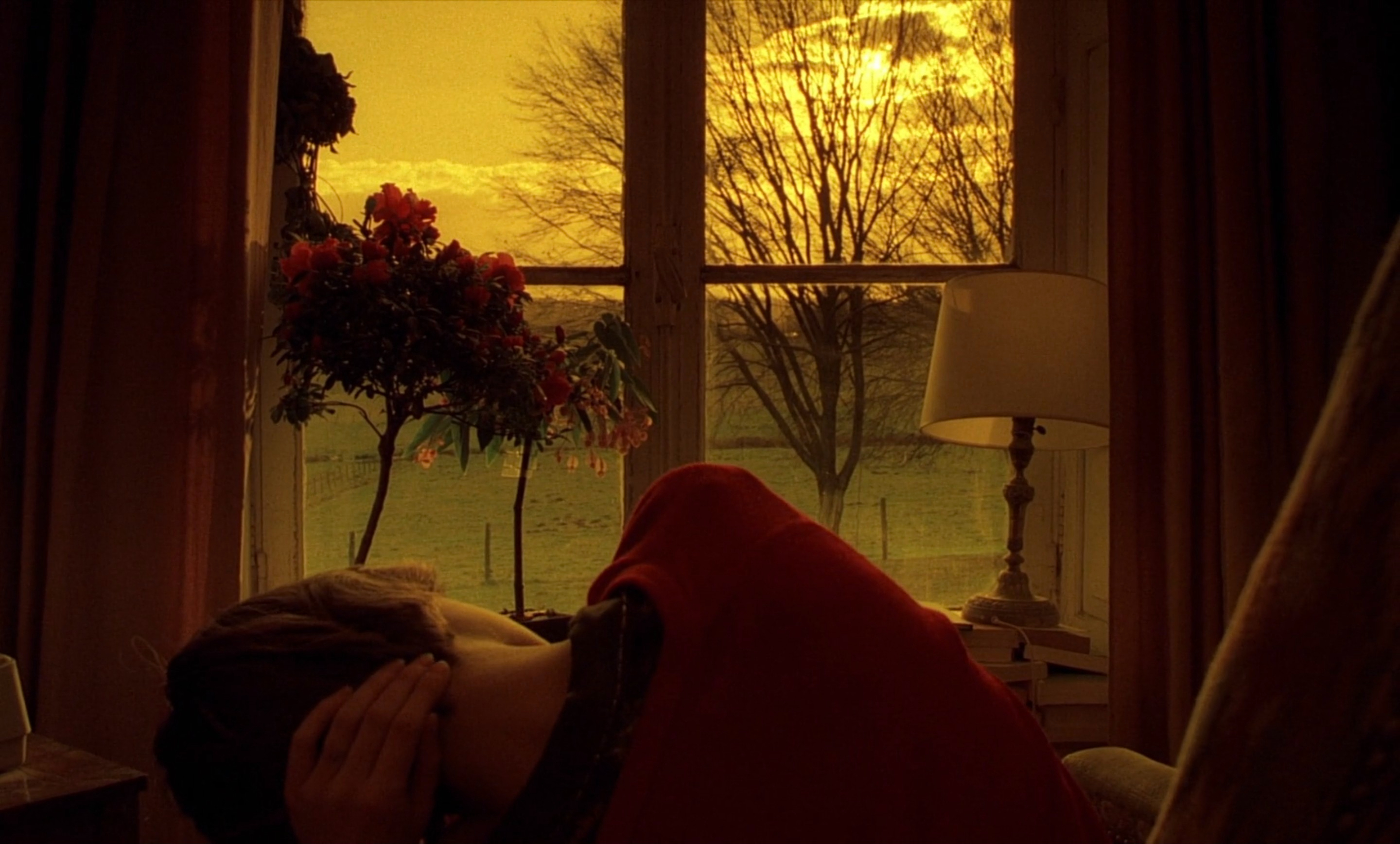
The Double Life of Veronique (1991)
The mystical coincidences that bind French music teacher Véronique and Polish choir soprano Weronika together in a causal relationship are elusive in their formal complexities, as Krzysztof Kieslowski edges us towards an emotional understanding of humanity’s interconnectedness in The Double Life of Veronique without ever fully letting us in on its magnificently abstract secrets.
-
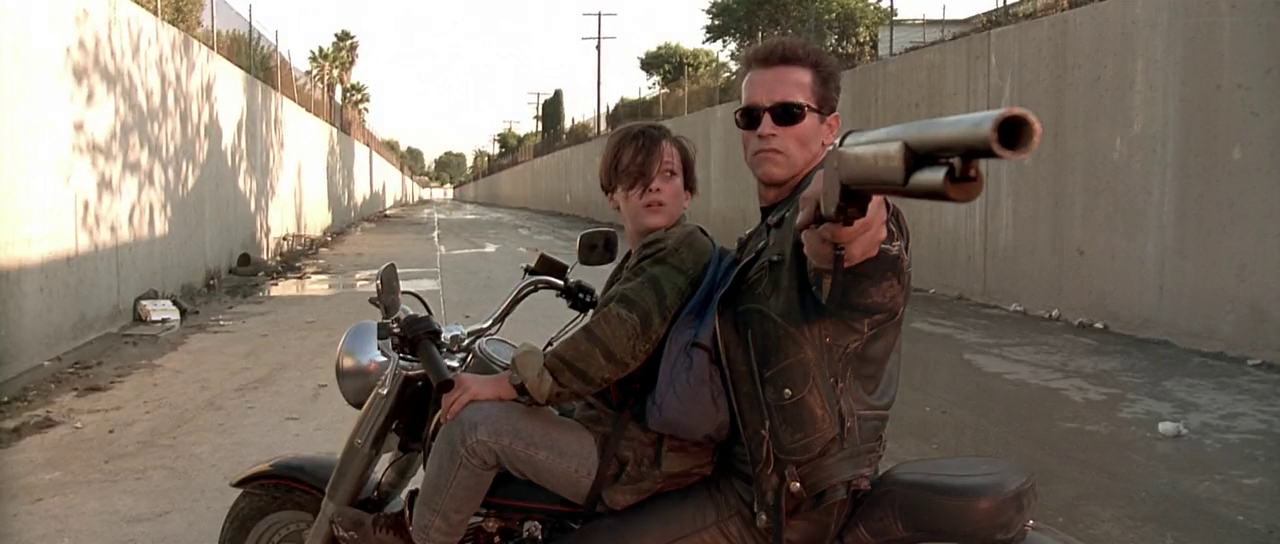
Terminator 2: Judgment Day (1991)
It is in the spectacle of James Cameron’s action set pieces, dynamic camerawork, and his narrative’s creative basis in deep-rooted archetypes that Terminator 2: Judgement Day reveals itself as a raw cinematic experience, concerned less with musings over what it means to be human as it is with the immediate, visceral impact of such questions.
-
King of New York (1990)
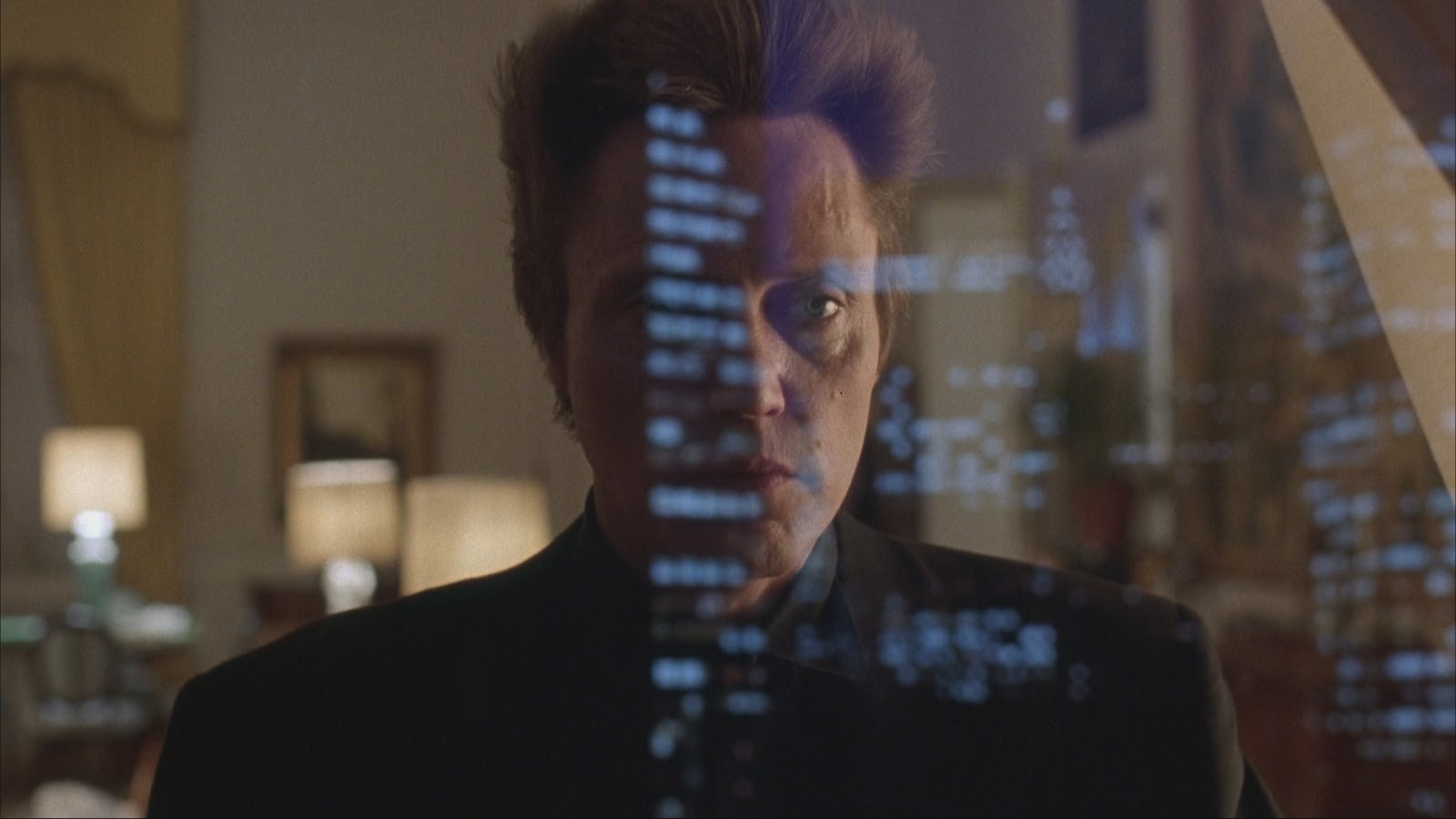
The gritty realism of Abel Ferrara’s location shooting in New York City streets, nightclubs, and hotels is a perfect fit for King of New York’s character study of urban grit and power plays, whereby one drug kingpin struggles to find the redemption he seeks, only succeeding in pulling both sides of the law into a…
-
Orlando (1992)
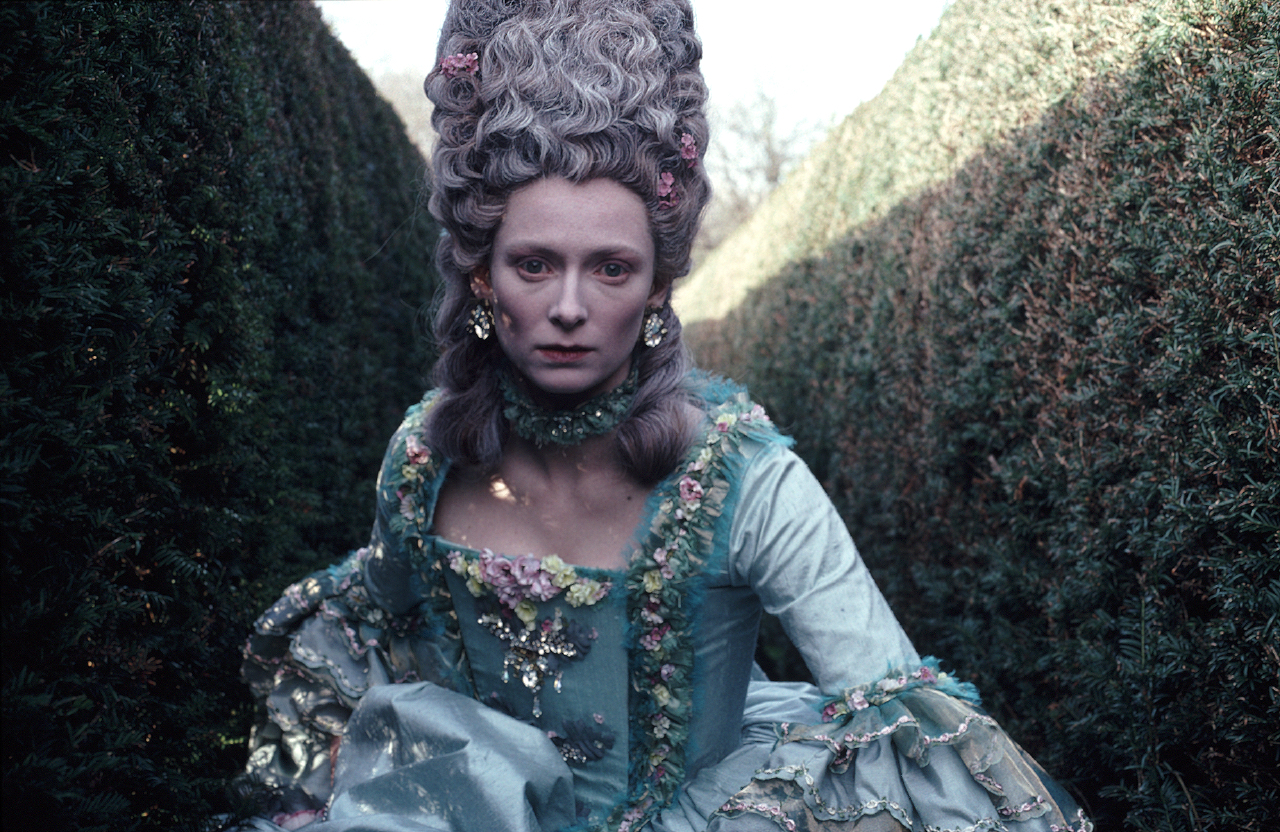
Orlando may be a being of fluidity in their physical appearance and identity, and yet through the centuries of human history that Sally Potter so effortlessly flips through, they are also ironically the only constant, forming a compelling character that might as well have been designed for Tilda Swinton’s strikingly androgynous presentation.
-
The Virgin Suicides (1999)
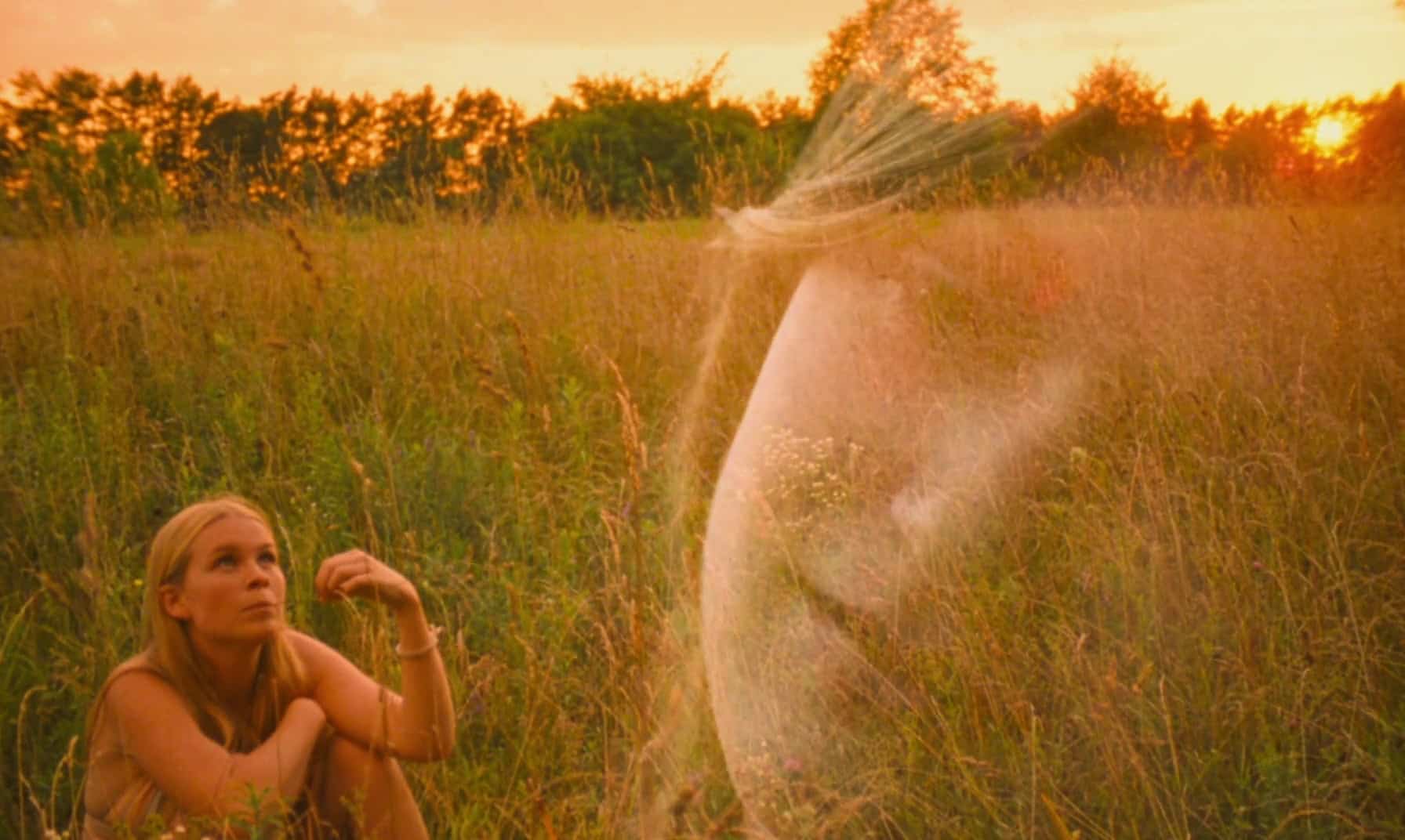
In the sleepy, yellow glow that bathes this small, 1970s Michigan town in the sentimentality of nostalgia, Sofia Coppola might initially seem to be participating in the patriarchal worship of the Lisbon sisters, but it is in those moments where they are brought down to earth as humans looking for connection that The Virgin Suicides…
-
Sátántangó (1994)
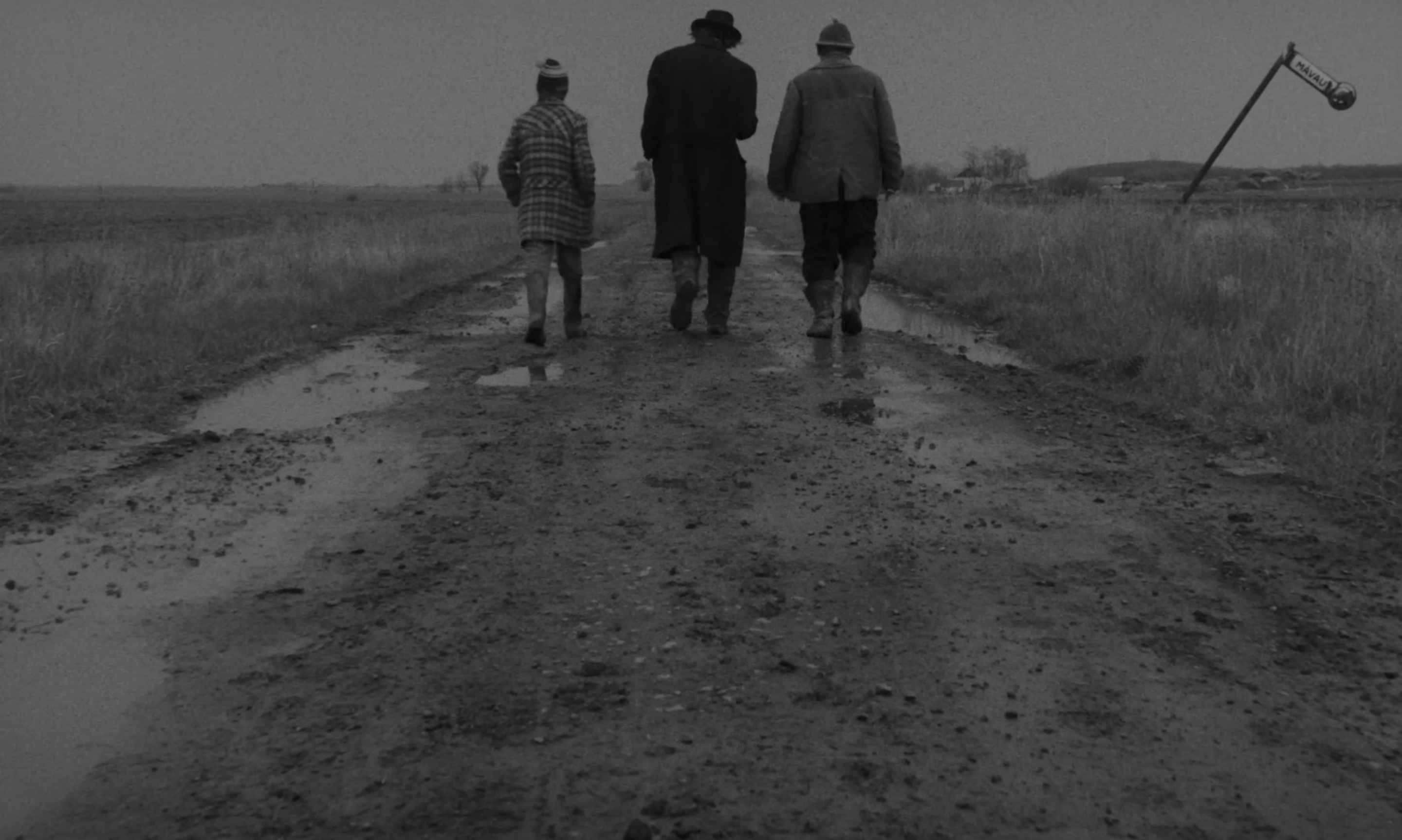
In Sátántangó’s destitute Hungarian village of dilapidated buildings and free-roaming farm animals, a Messiah figure seemingly returns from the dead, and Béla Tarr crafts a devastatingly bleak, suffocatingly drab, and completely mesmerising landscape of spiritual deficiency.