
-

The Best Films of the 1970s
The greatest films of the 1970s, from the American New Wave to Europe’s existential surrealism.
-
The Last Picture Show (1971)
It might be a barren beauty which infests the deteriorating Texas oil town of The Last Picture Show, but as we grow to understand the small lives and histories dotted through its community, Peter Bogdanovich also sensitively paints it out as a tactile landscape of feeble dreams and disappointments.
-
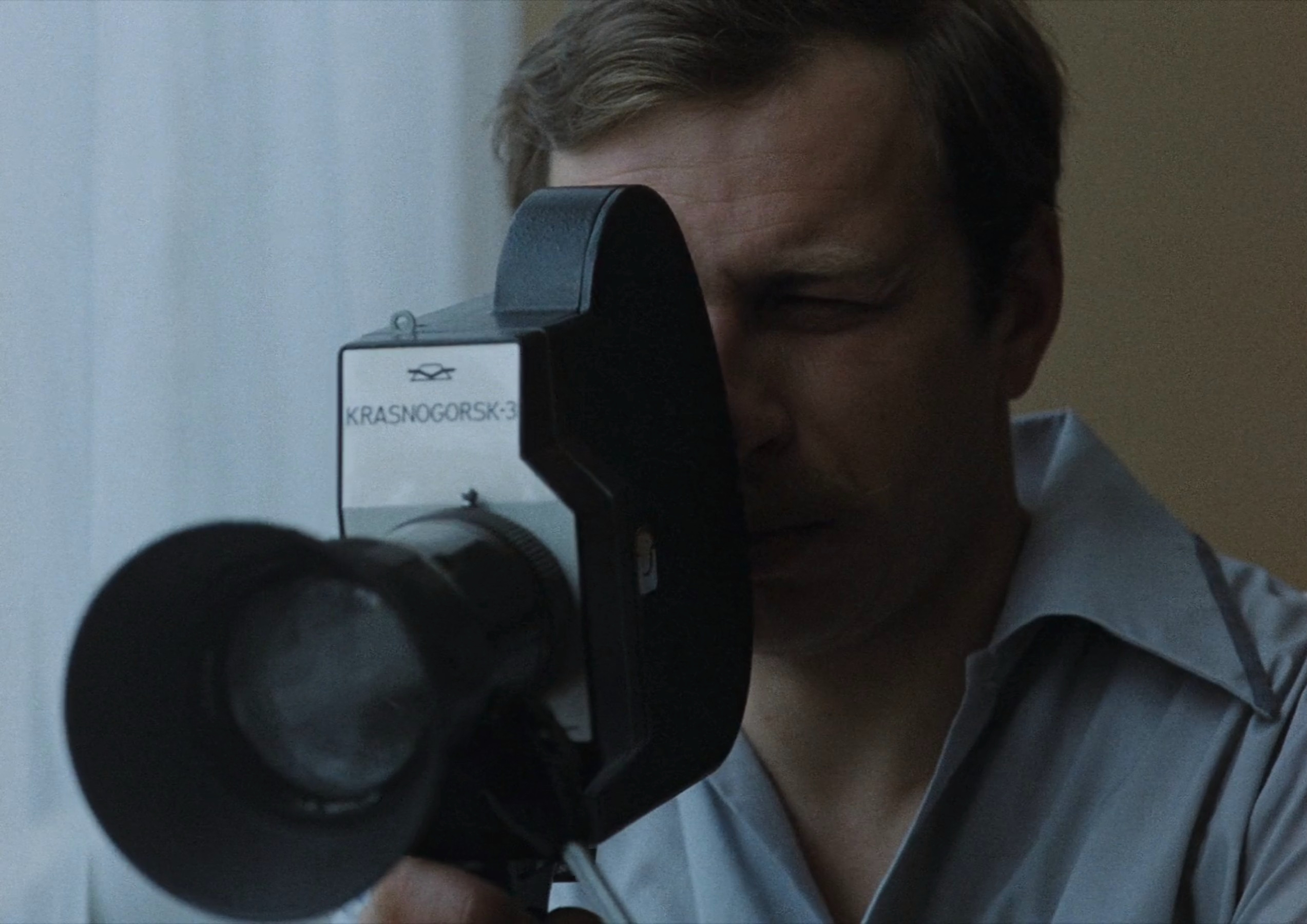
Camera Buff (1979)
Polish factory worker Filip first picks up his camera to film the birth of his daughter, but as he grows more ambitious throughout Camera Buff, Krzysztof Kieslowski turns his tale into one of calloused obsession and denial, seeing the aspiring documentarian point his lens at everyone but himself in an effort to avoid examining his own shortcomings.
-
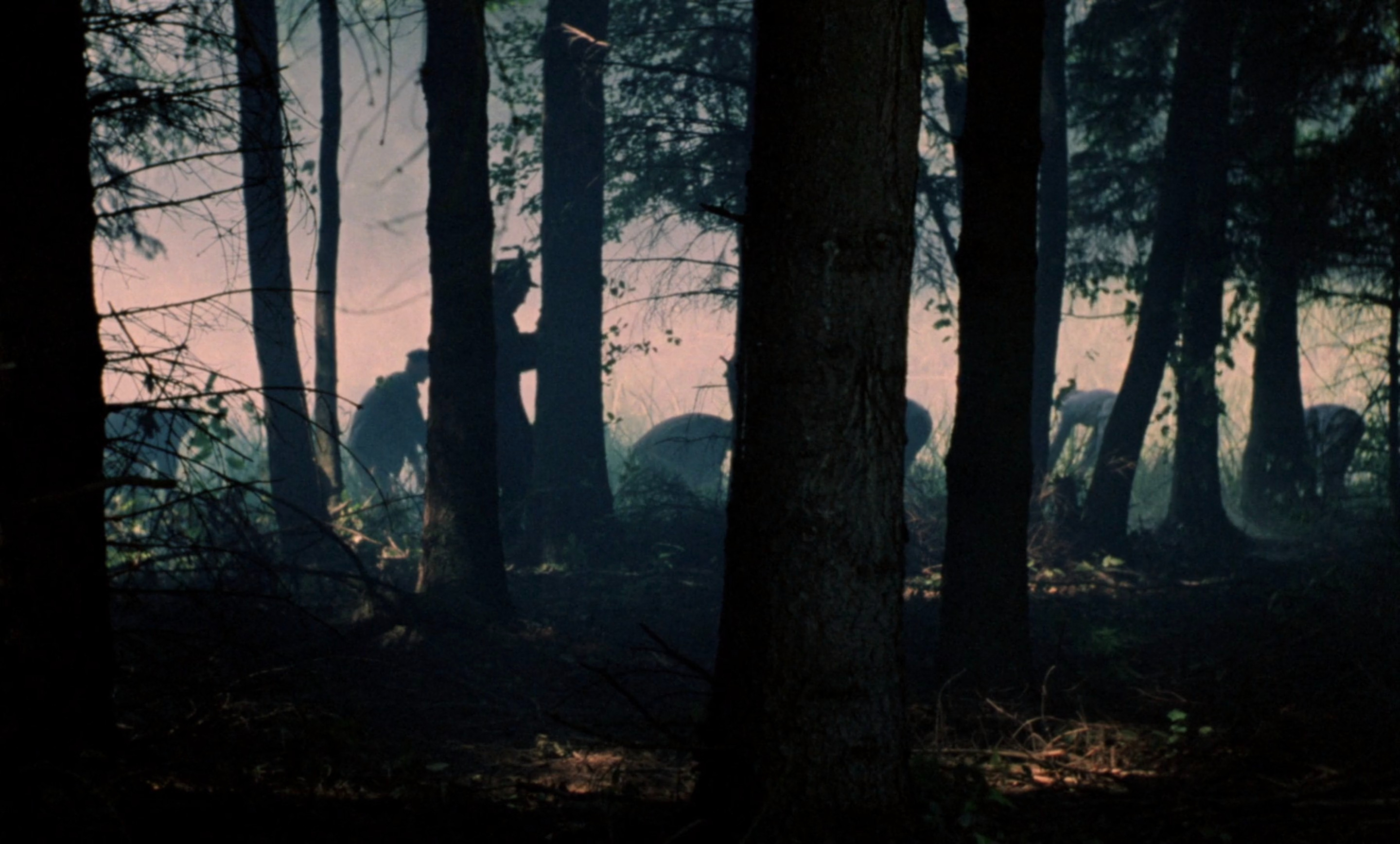
The Scar (1976)
Relative to Krzysztof Kieslowski’s great masterpieces of the 80s and 90s, The Scar is a modest piece of social realism, grounded in the details of Communist Poland’s bureaucracy and its controversial small-town development of a chemical factory that challenges one sympathetic Party member’s hopeful ideals.
-

Aguirre, the Wrath of God (1972)
Nature has never been so frightening nor humanity so stubbornly delusional as they are in Aguirre, the Wrath of God, as Werner Herzog’s disorientating camerawork and breath-taking cinematography of the Peruvian wilderness loses us in the absurd quest of 17th century Spanish conquistadors to find the fabled country of El Dorado.
-
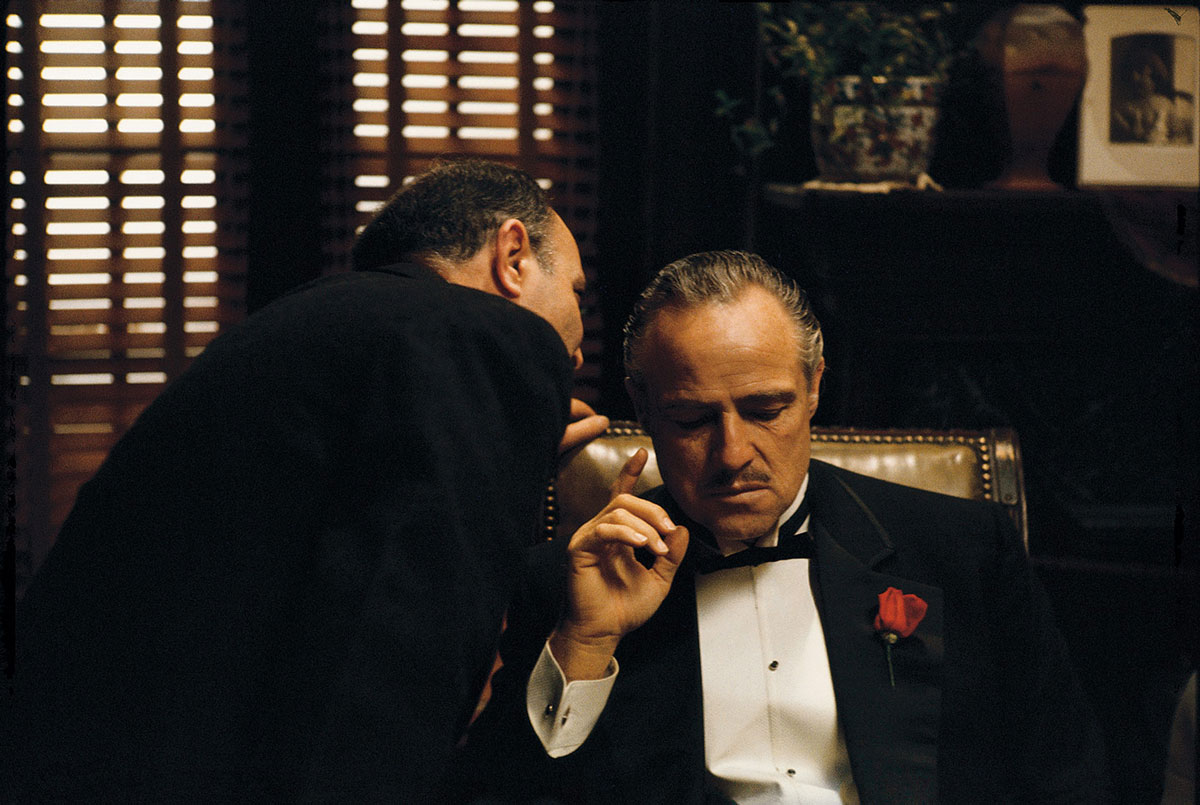
The Godfather (1972)
In transposing classical storytelling traditions onto a 1940s New York crime family in The Godfather, Francis Ford Coppola effectively crafts an epic piece of American mythology for the twentieth century, unravelling one of the greatest pure narratives put to film with monumental ambition in its sheer economy and compellingly tragic characters.
-
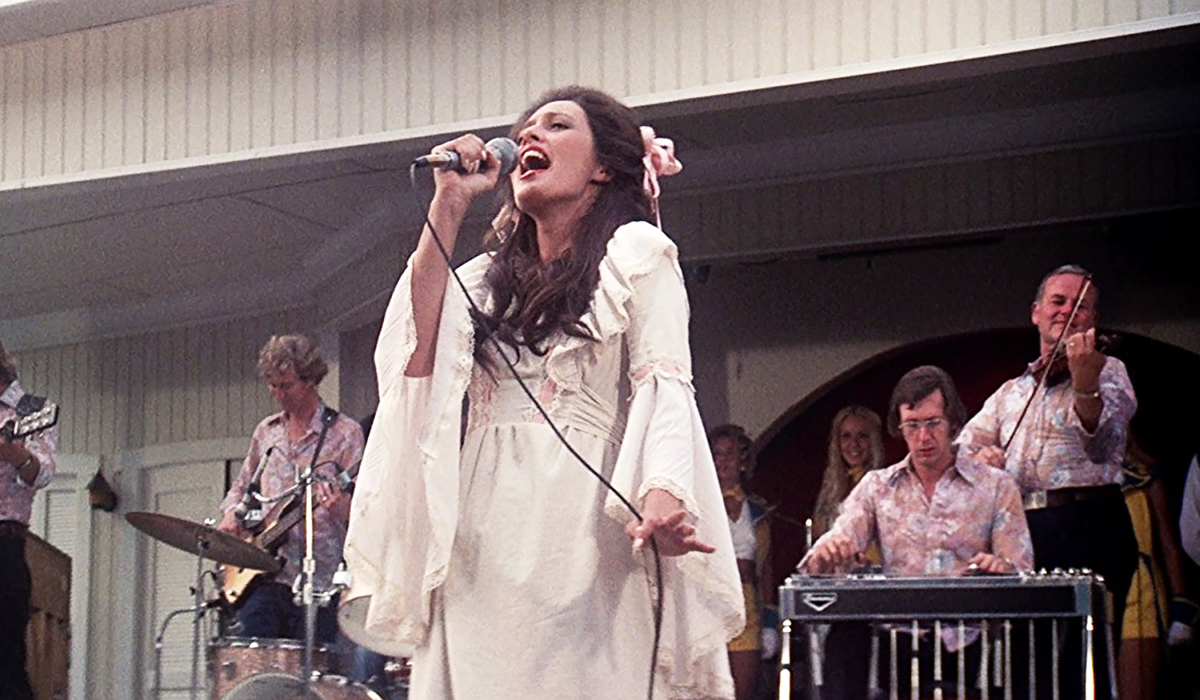
Nashville (1975)
In its organic progression between its sprawling narrative threads, Nashville carries the sense that Robert Altman could point his camera in any direction and discover a new set of characters as equally as intriguing as the rest of his ensemble, constructing a satirical image of this musical city that is pervaded by a defiantly bright-eyed Southern idealism.